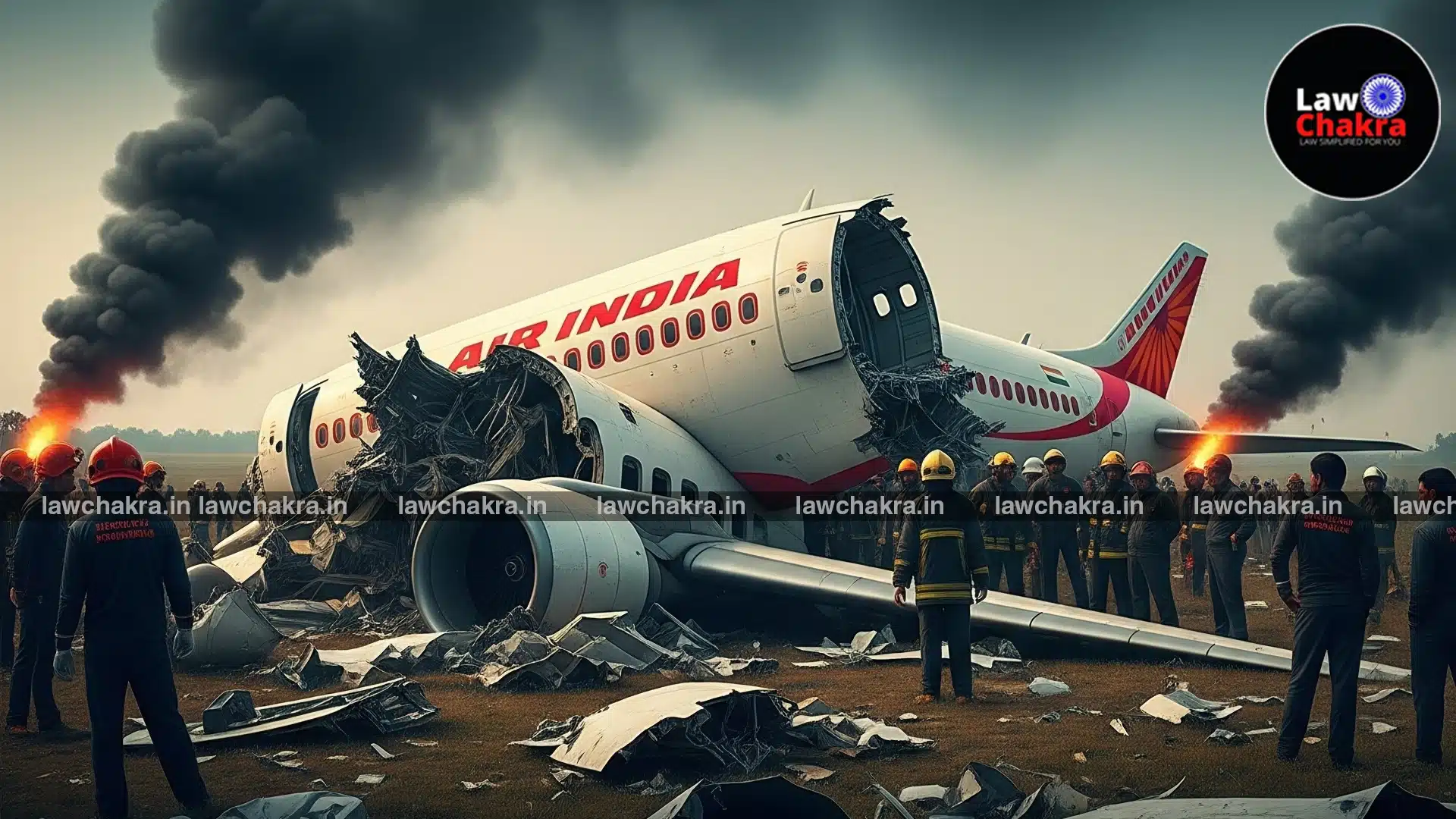
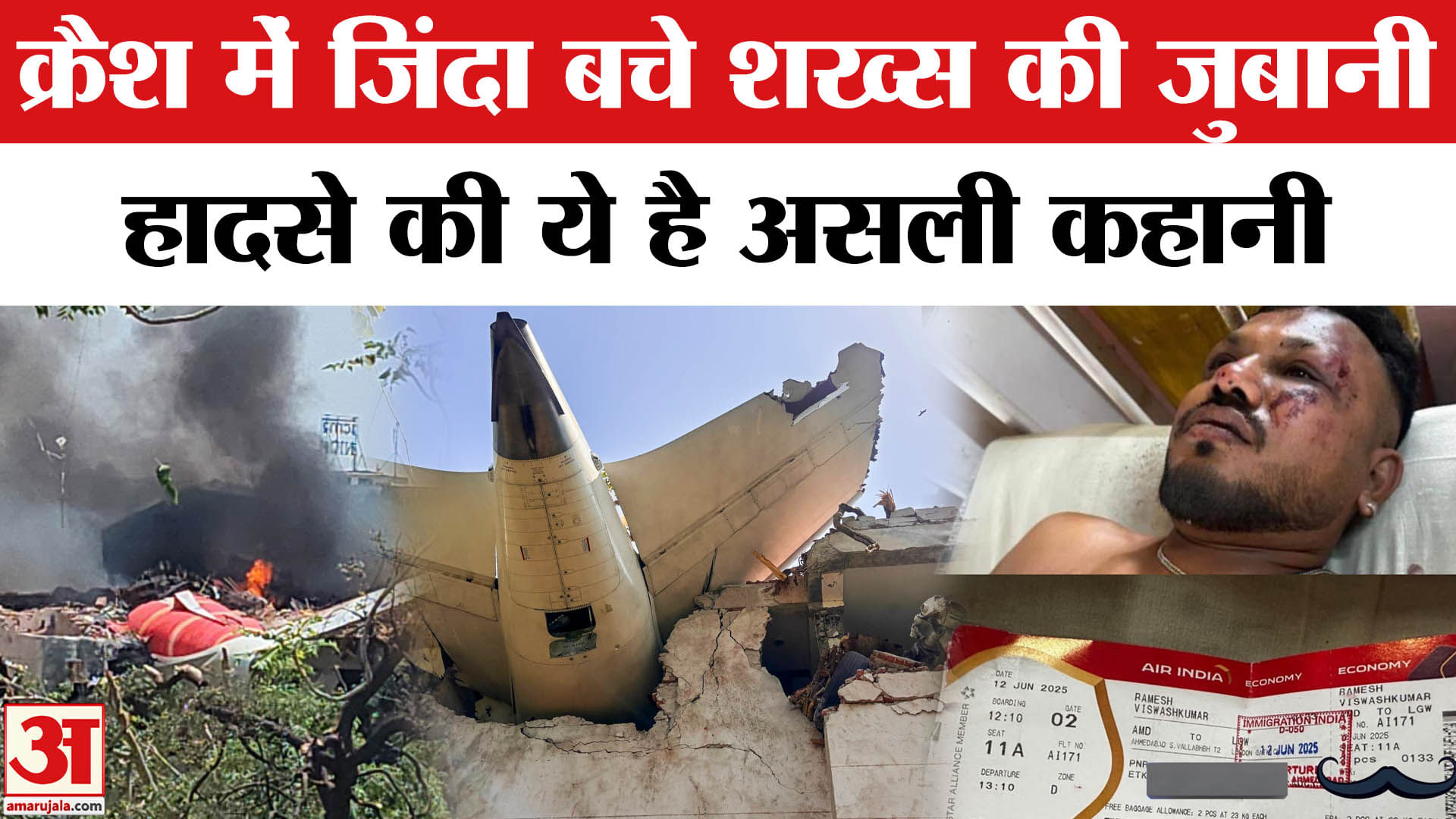
As of 2026, the recovery efforts and fatality investigations following major Air India incidents, most notably the 2020 Kozhikode tragedy, have reached a stage of comprehensive resolution. Current updates focus on the full implementation of safety recommendations from the Aircraft Accident Investigation Bureau (AAIB), the finalization of victim compensation under international protocols, and the deployment of advanced runway safety technology across India's tabletop airports.
The Kozhikode (Calicut) Incident: A Technical Retrospective
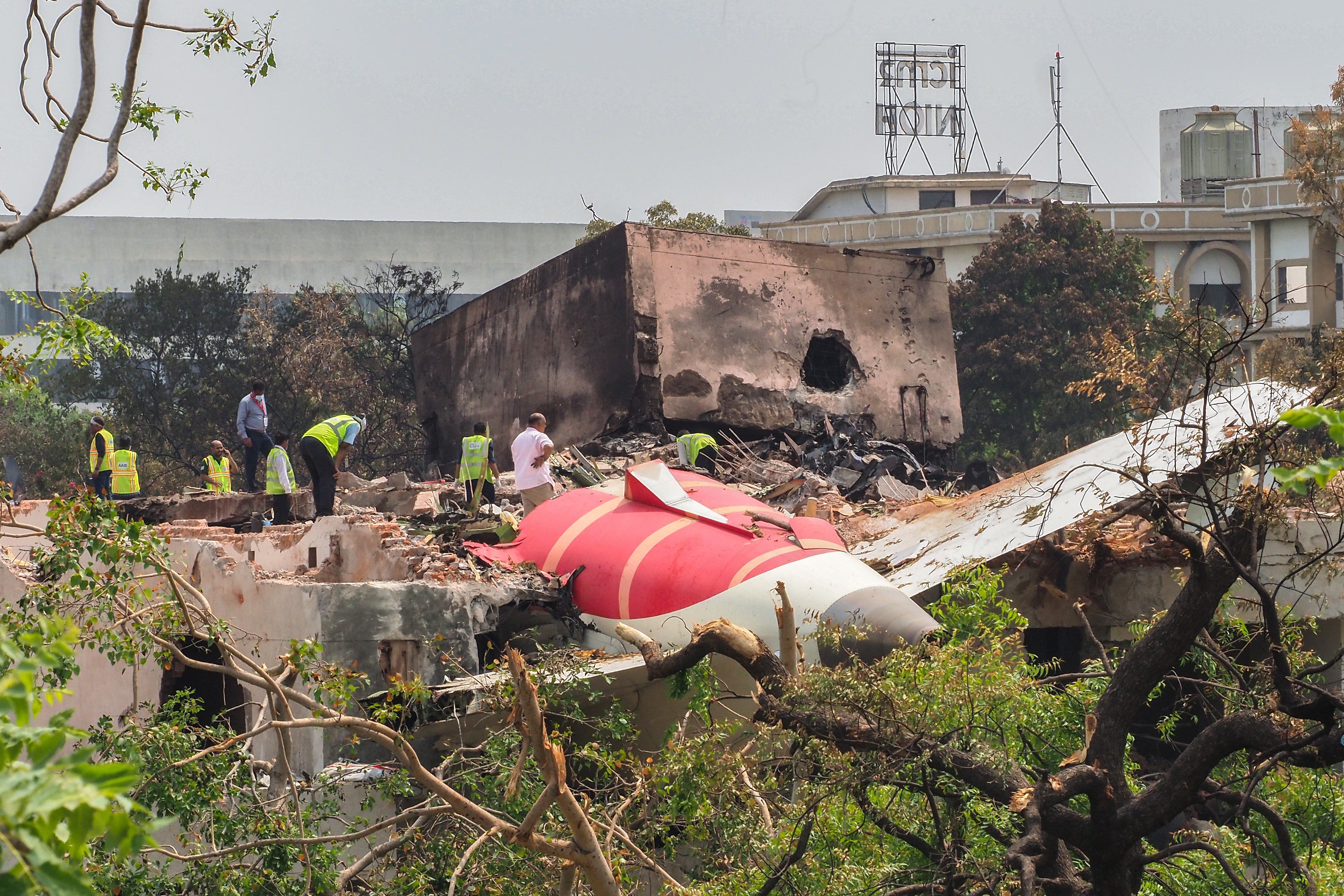
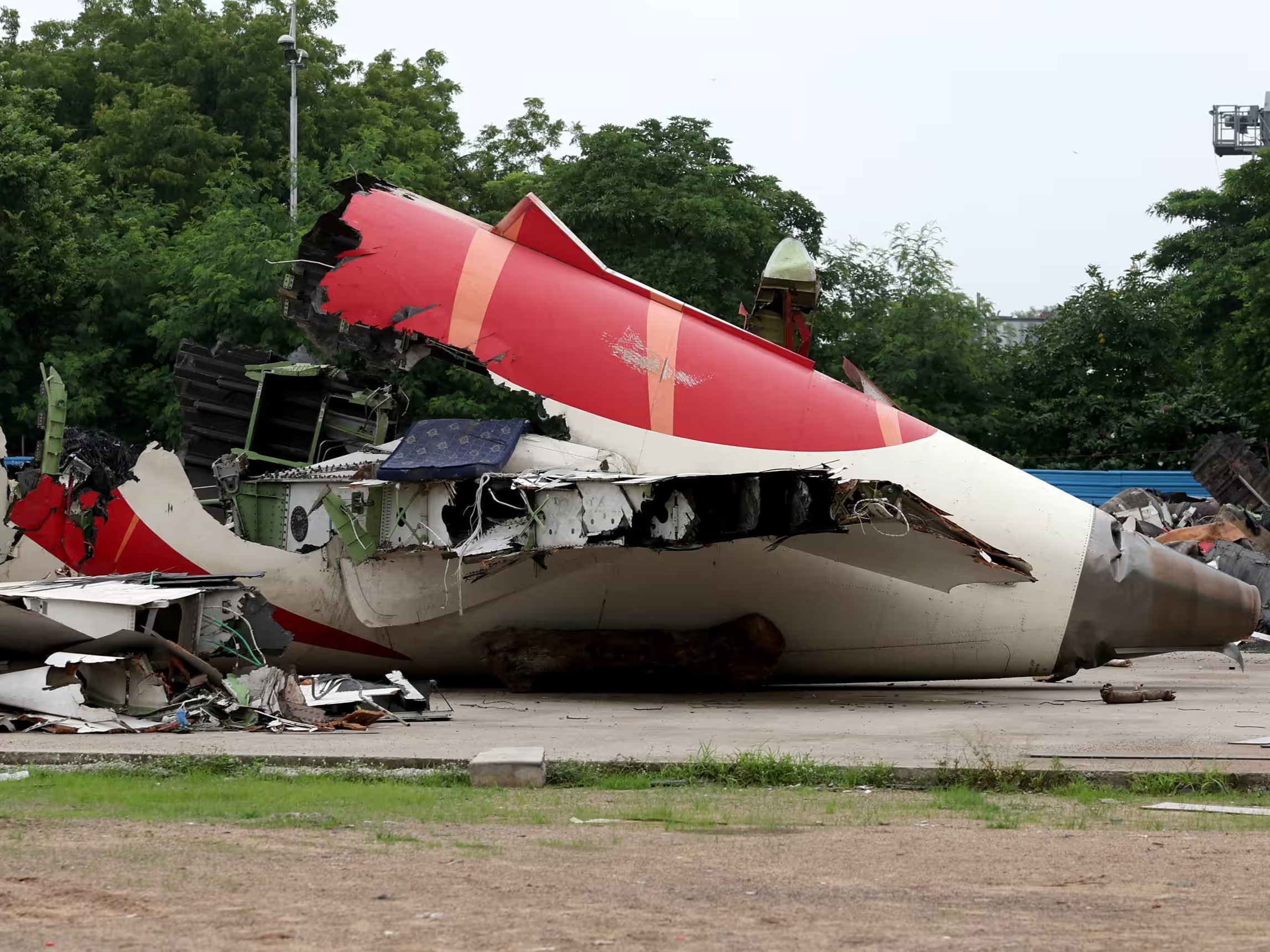
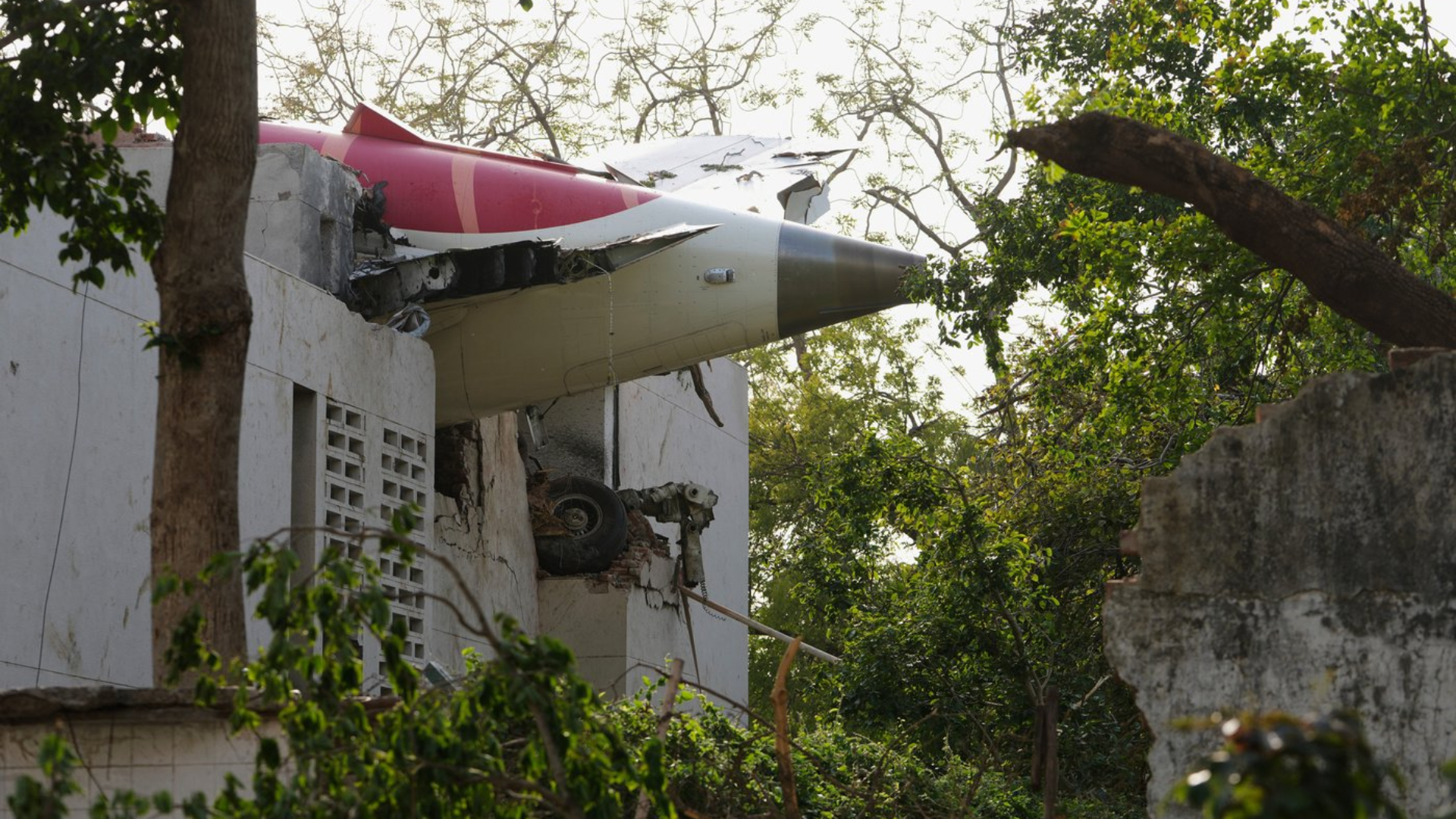
On August 7, 2020, Air India Express Flight 1344, a Boeing 737-800, overshot the runway at Calicut International Airport in Kerala. The aircraft, arriving from Dubai as part of the Vande Bharat Mission during the COVID-19 pandemic, plummeted into a 35-foot gorge at the end of the tabletop runway, causing the fuselage to break into two pieces. Because the aircraft did not catch fire—a miracle attributed to the prompt action of the pilots in shutting down the engines—167 of the 190 people on board survived.
The fatality count was finalized at 21, including both the Pilot-in-Command, Captain Deepak Sathe, and the First Officer, Akhilesh Kumar. The investigation led by the AAIB revealed that the primary cause was the non-adherence to Standard Operating Procedures (SOP) by the pilot. The aircraft touched down far beyond the touchdown zone in heavy rain and tailwind conditions, leaving insufficient runway length to stop. By 2026, this incident remains the most significant case study for safety reforms in Indian aviation, influencing how recovery efforts are structured today.
Fatality Statistics and Victim Identification Protocols
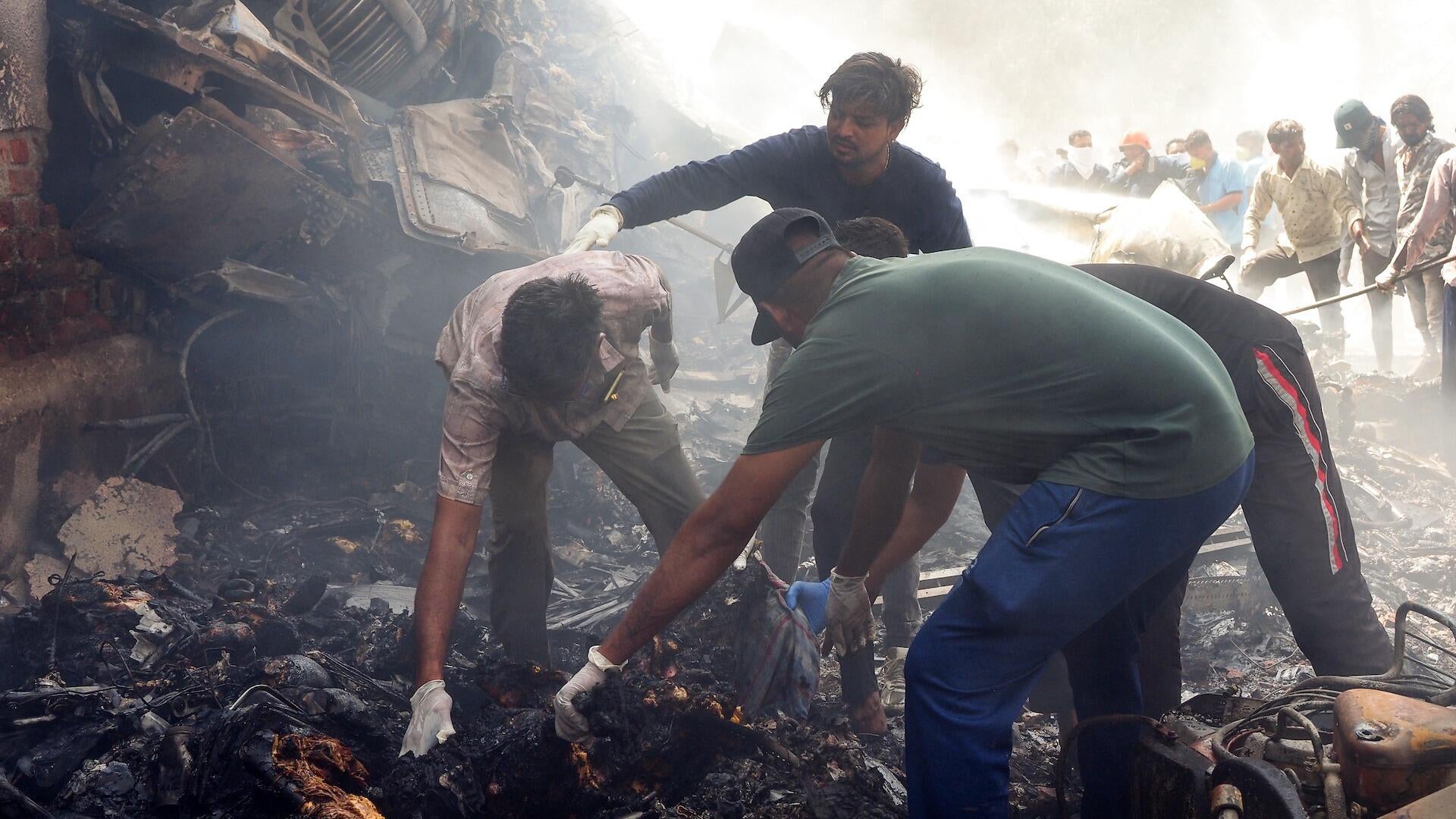
The management of fatalities in the aftermath of Flight 1344 was complicated by the global pandemic. Recovery teams had to balance the urgency of the rescue with strict health protocols. Of the 21 fatalities, 19 were passengers and two were crew members. The identification process was completed within 72 hours, utilizing forensic dental records and personal belongings, as DNA testing was reserved for cases where visual identification was compromised.
The "recovery effort" in the context of fatalities extends beyond the physical retrieval of bodies. It includes the psychological support provided to the families. In the years following the crash, Air India (now under the management of the Tata Group) established a more robust Family Assistance Center (FAC) model. This model ensures that in the event of any future incident, there is a dedicated liaison for every affected family to handle the repatriation of remains, funeral expenses, and immediate financial needs.
Technical updates in 2026 indicate that the fatality data from Kozhikode and the earlier 2010 Mangalore crash (158 fatalities) have been used to update the "Impact Dynamics" database. This data helps engineers understand how seat configuration and cabin materials affect survival rates during runway excursions and hull break-ups.
Recovery Efforts: Legal Settlements and Compensation
The legal recovery process for an Air India plane crash is governed by the Montreal Convention 1999 (MC99), to which India is a signatory. Under this international treaty, the airline is liable for "proven damages" up to a certain limit, regardless of fault.
As of 2026, almost all claims related to the 2020 Kozhikode crash have been settled. The compensation process followed a two-tier structure:
- Strict Liability: The airline is liable for damages up to 128,821 Special Drawing Rights (SDRs)—roughly ₹1.3 to ₹1.5 crore—per passenger.
- Unlimited Liability: If the airline cannot prove that the damage was not due to its negligence, the compensation can exceed the SDR limit.
Recovery efforts for the families involved navigating the "Angels of Air India" program, which provided legal counsel and trauma support. The transition of Air India from a state-owned entity to a private enterprise under the Tata Group in 2022 significantly accelerated the settlement of lingering claims. The new management prioritized clearing the backlog of litigation to restore public confidence in the brand's safety culture.
Infrastructure and Safety Enhancements Post-Crash
A critical part of the recovery effort involves ensuring that the factors contributing to the crash are removed from the system. The AAIB's final report on the Calicut crash highlighted the dangers of "tabletop" runways—airports located on top of hills where the ends of the runways drop off into valleys.
By 2026, the Ministry of Civil Aviation has implemented the following technical upgrades at Calicut, Mangalore, and Pakyong:
- RESA Extension: The Runway End Safety Area (RESA) at Calicut was expanded from 90 meters to 240 meters to provide a greater buffer for aircraft that overshoot.
- EMAS Installation: The Engineered Material Arresting System (EMAS)—a bed of crushable concrete that slows an aircraft down—has been evaluated for all high-risk airports. While the cost is high (approximately $10 million to $20 million per runway end), its success in the United States has made it a central pillar of India's 2026 aviation safety roadmap.
- Visual Aids: High-intensity approach lighting and improved friction-testing equipment are now mandatory for all tabletop operations during the monsoon season.
Comparing Major Air India Disasters
The following table compares the recovery and fatality data for the three most significant incidents in Air India's history to provide context on how safety protocols have evolved.
| Incident | Date | Fatalities | Primary Cause | Key Recovery Outcome |
|---|---|---|---|---|
| Flight 182 (Kanishka) | June 23, 1985 | 329 | Bombing (Terrorism) | Global shift in baggage screening and security. |
| Flight 812 (Mangalore) | May 22, 2010 | 158 | Pilot Error (Tabletop overshoot) | Implementation of the first RESA standards in India. |
| Flight 1344 (Kozhikode) | Aug 7, 2020 | 21 | Pilot Error (SOP non-adherence) | Mandatory CRM training and tabletop safety audit. |
Future Mitigation: The Role of "Vihaan.AI" and Safety Culture
Under its 2026 transformation plan, known as Vihaan.AI, Air India has integrated a "Safety First" philosophy that moves beyond reactive recovery to proactive prevention. The airline has invested heavily in Flight Data Monitoring (FDM) software, which analyzes every landing in real-time. If a pilot performs an "unstable approach" (e.g., too high or too fast), the system flags it for immediate debriefing.
Furthermore, the recovery effort for the airline’s reputation has involved the complete overhaul of its training academy. Modern flight simulators now specifically replicate the challenging conditions of the Calicut monsoon. The "recovery" here is not just about the physical plane or the victims, but the restoration of the institutional integrity required to operate a global airline safely.
Frequently Asked Questions
What is the current status of the Kozhikode crash investigation?
The official investigation by the Aircraft Accident Investigation Bureau (AAIB) was completed in 2021. As of 2026, the focus has shifted to the "Compliance and Monitoring" phase, where the Directorate General of Civil Aviation (DGCA) ensures that all 43 recommendations from the report—ranging from better weather reporting to enhanced pilot training—have been permanently integrated into airline operations.
How much compensation is typically awarded in an Air India crash?
Under the Montreal Convention, the initial "no-fault" limit is approximately 128,821 SDRs (roughly $175,000 USD). However, final settlements often vary based on the age, income, and number of dependents of the deceased. In the 2020 crash, many families received settlements ranging from ₹2 crore to ₹5 crore after legal negotiations, depending on individual circumstances.
What are the "tabletop runways" mentioned in recovery reports?
Tabletop runways are airports located on a plateau or a hill where one or both ends of the runway terminate in a steep drop. In India, Calicut (CCJ), Mangalore (IXE), and Pakyong (PYG) are the primary tabletop airports. Recovery efforts at these locations involve specialized training for pilots to execute a "Go-Around" if the touchdown is not perfect.
Has Air India improved its safety record since the 2020 crash?
Yes. Since the acquisition by the Tata Group, the airline has achieved higher scores in IATA Operational Safety Audits (IOSA). The integration of real-time monitoring and the phasing out of older aircraft in favor of modern Airbus A350s and Boeing 787s have significantly reduced the risk profile of the fleet as of 2026.
How did local residents assist in the recovery efforts?
During the 2020 Kozhikode crash, local residents of Kondotty were the first responders. Despite the risks of COVID-19 and the danger of an explosion, they pulled survivors from the wreckage and transported them to hospitals in private vehicles. This community-led recovery effort was officially recognized by the government and is now used as a model for "Civil-Military Coordination" in airport emergency planning.
Recommendations for Air Travelers
While the memory of past accidents remains, the aviation landscape in 2026 is significantly safer due to the rigorous recovery efforts and technical updates following the Air India incidents. Travelers are encouraged to:
- Review Safety Briefings: Pay close attention to the specific exit locations of the aircraft, as "hull break-up" scenarios (like Kozhikode) may render certain exits unusable.
- Monitor Weather Delays: Accept that diversions during heavy monsoons are a sign of a healthy safety culture. If an Air India flight diverts from Calicut to Kochi, it is because the pilot is adhering to the strict "Stable Approach" criteria established after 2020.
- Verify Insurance: Ensure your travel insurance covers "international treaty limits" to provide an extra layer of financial security beyond the airline's standard liability.