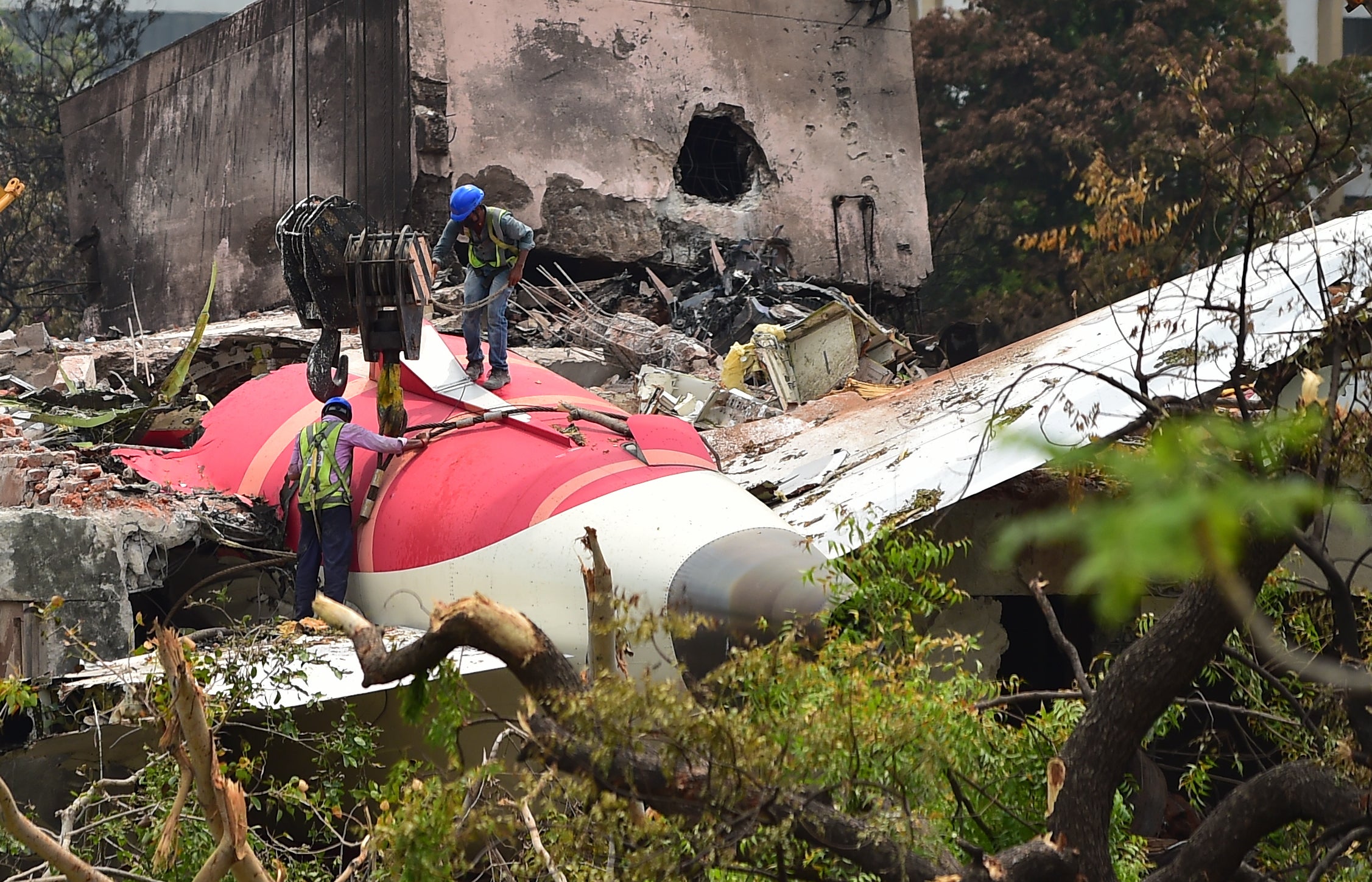
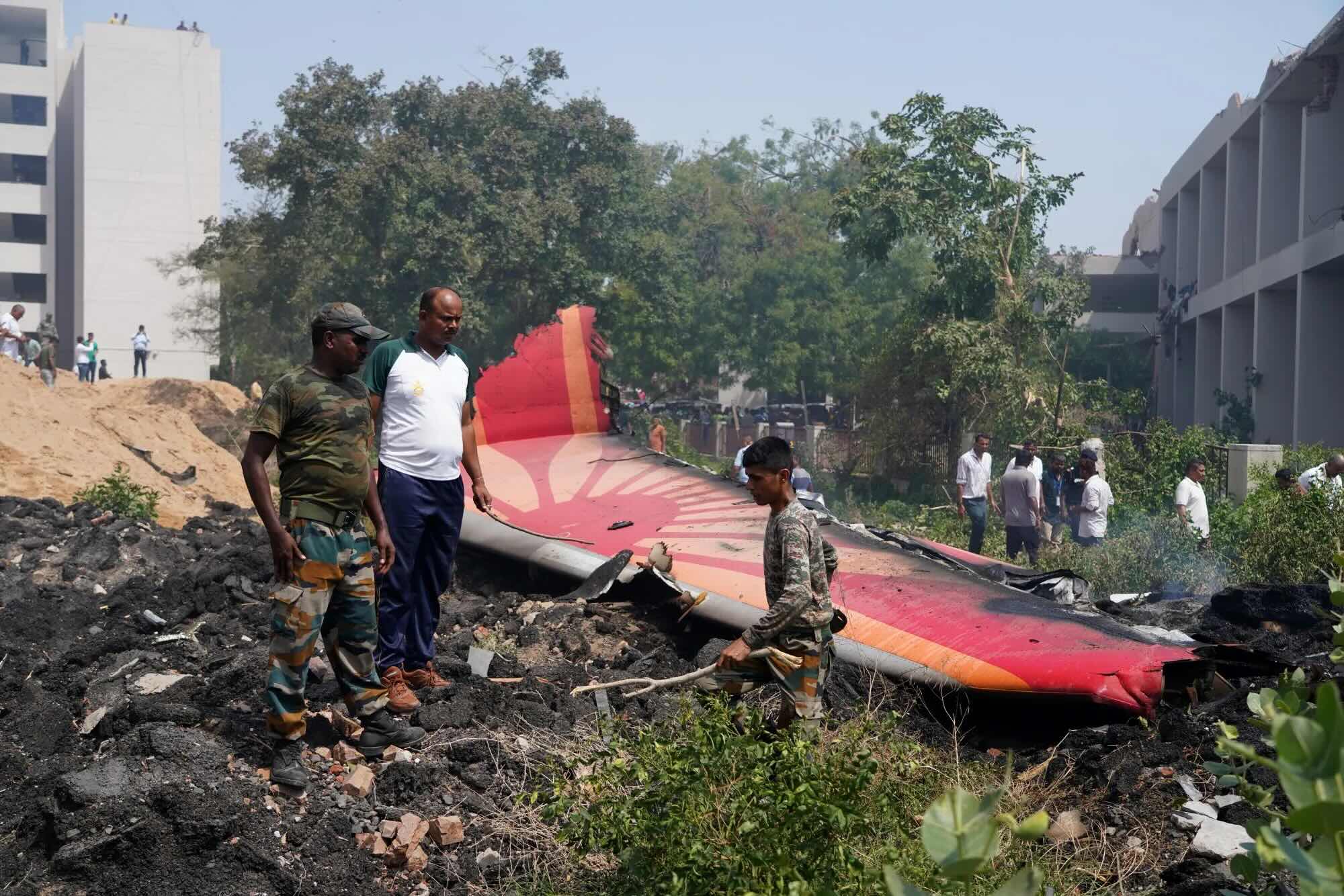
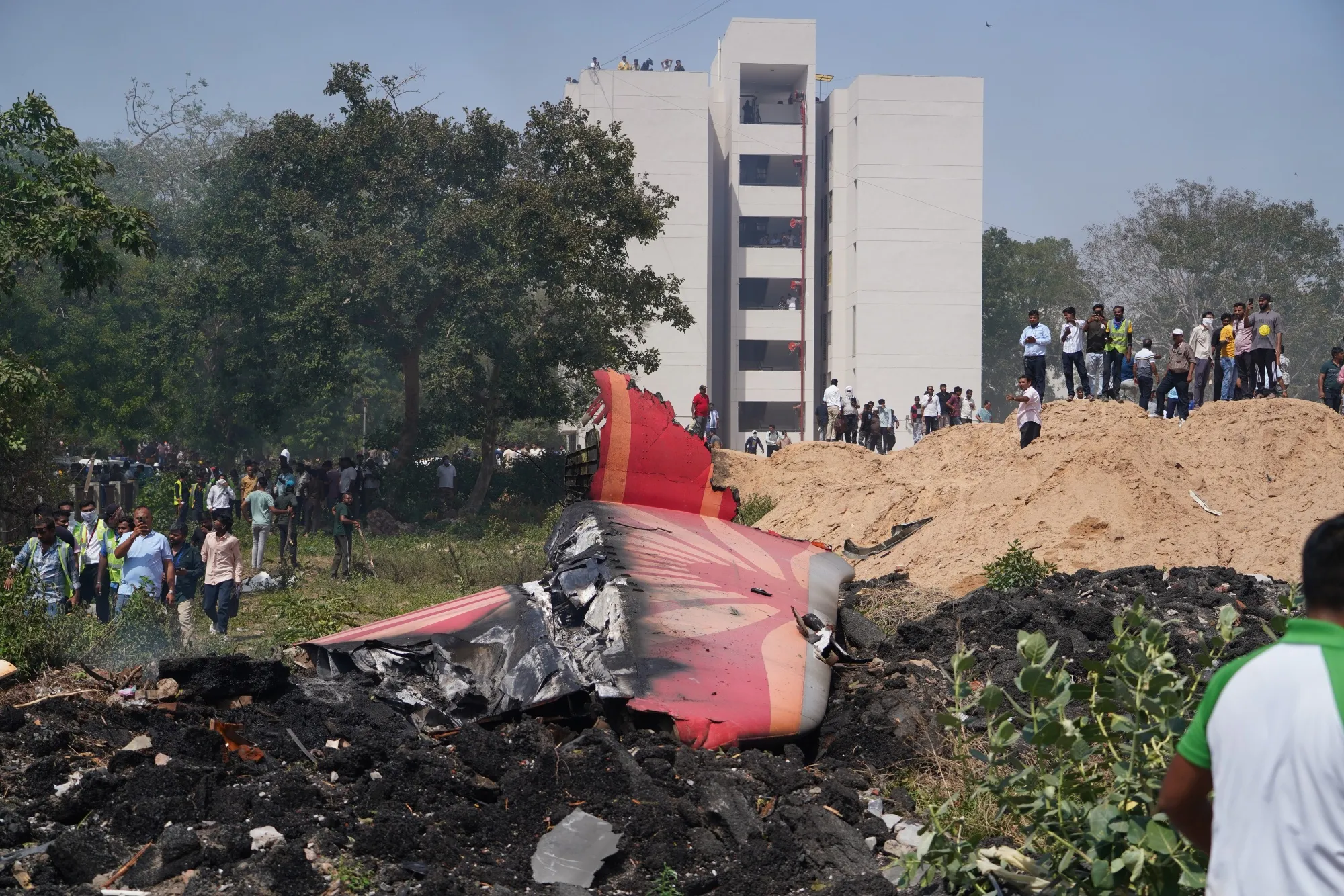
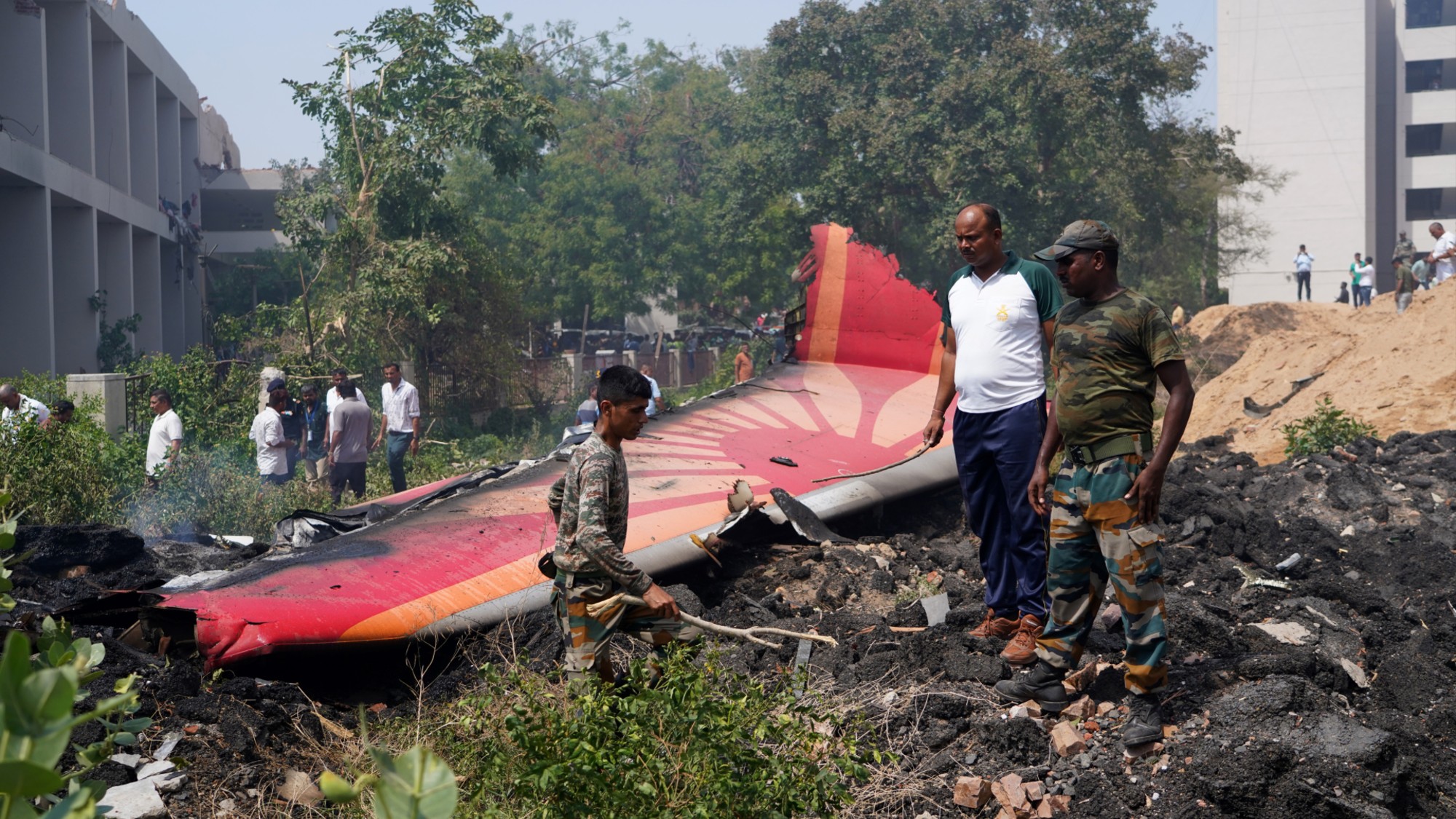
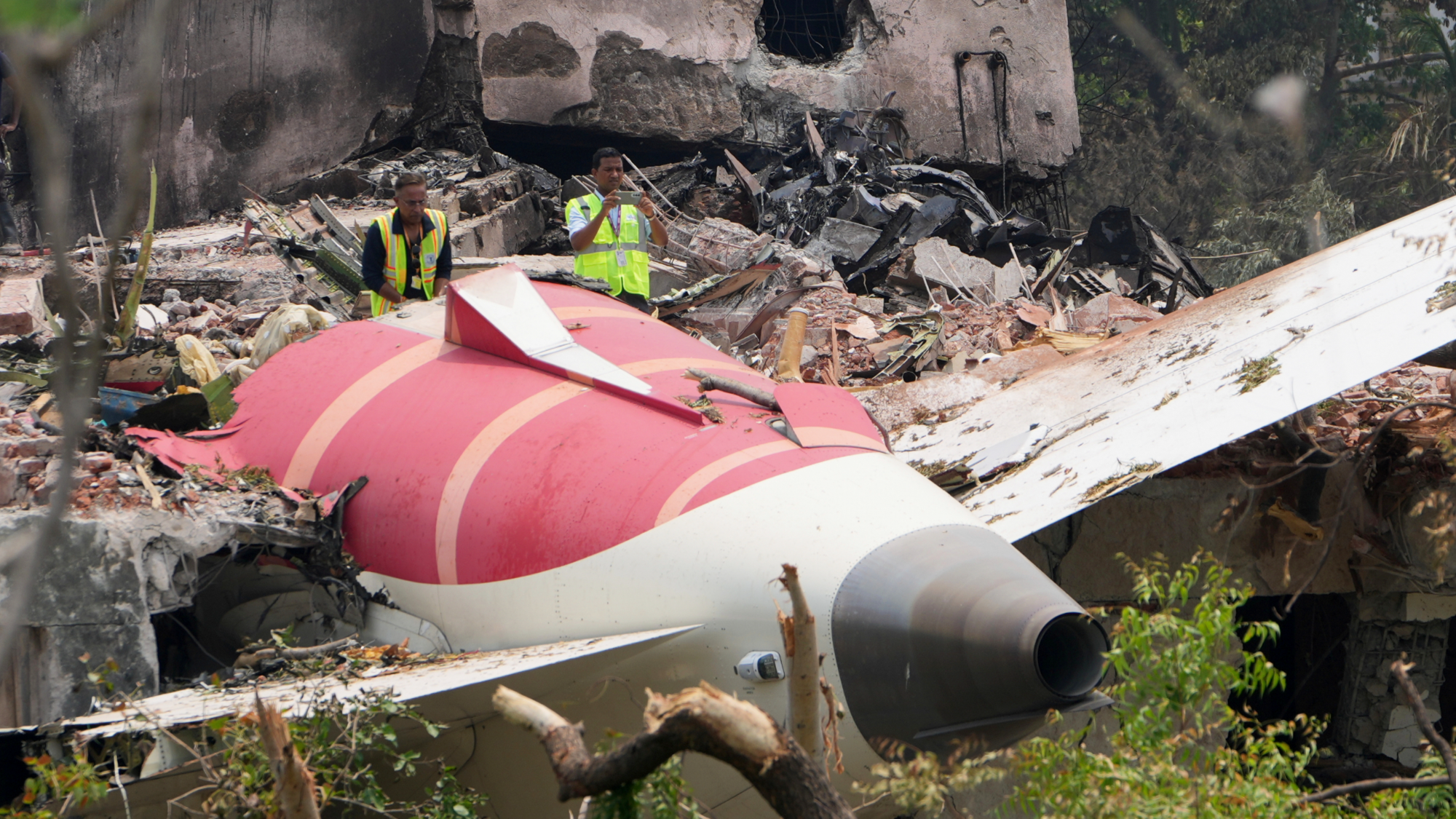
Public interest in Air India crash pictures and investigative updates remains high, serving as both a somber reminder of aviation risks and a critical tool for safety evolution. As of 2026, the analysis of historical wreckage, such as the 2020 Kozhikode incident, has led to transformative changes in Indian aviation safety protocols, runway engineering, and pilot training under the airline's modernized management.
Historical Context: Analyzing Significant Air India Incidents
To understand the technical analysis of Air India crash imagery, one must look at the two most significant recent accidents involving Air India Express (the low-cost subsidiary). These events, occurring at "tabletop" airports, have provided the bulk of the data used by investigators to improve safety margins in the Indian subcontinent.
The most documented recent event is the Air India Express Flight IX 1344 crash at Kozhikode (Calicut) on August 7, 2020. Pictures from the site showed the Boeing 737-800 broken into two distinct sections after overshooting the runway and falling into a 35-foot gorge. Unlike the 2010 Mangalore crash, there was no post-crash fire, which allowed for a much deeper visual analysis of the airframe’s structural failure points. Investigators used high-resolution drone photography and ground-level forensic imaging to determine how the fuselage reacted to the impact.
The Mangalore crash of 2010 (Flight IX 812) remains a foundational case study. Pictures from that site were characterized by intense thermal damage, as the aircraft caught fire after plunging over a cliff. The contrast between the Mangalore and Kozhikode imagery has taught structural engineers a great deal about fuel tank integrity and the efficacy of "crush zones" in modern narrow-body aircraft. By 2026, these lessons have been integrated into the design requirements for new hangars and emergency response kits at all tabletop airports in India.
Technical Analysis of Crash Site Imagery and Forensic Evidence
In the immediate aftermath of an aviation accident, pictures serve as more than just news fodder; they are primary forensic evidence. For Air India incidents, the Aircraft Accident Investigation Bureau (AAIB) utilizes photogrammetry to create 3D models of the wreckage.
Structural Integrity and Impact Patterns
Analysis of the Kozhikode pictures revealed that the fuselage split near the wing-body fairing. This specific type of failure is often analyzed to see if the seat tracks remained intact, which is a primary factor in passenger survivability. Visual evidence of the landing gear position and the state of the engine's fan blades (whether they were rotating at high speed or stationary upon impact) provides immediate clues to the investigators before the Flight Data Recorder (FDR) is even processed.
Environmental and Runway Surface Conditions
Photographic updates often include close-ups of the runway surface. In the analysis of the Kozhikode crash, pictures of "rubber deposits" on the runway were central to the debate over friction levels during heavy monsoon rain. Analysts look for "reverted rubber" marks, which indicate hydroplaning—a state where the tires actually ride on a thin layer of steam created by friction, losing all braking capability.
Latest Safety Updates and Reforms (2026 Perspective)
By 2026, the landscape of Air India has shifted dramatically following its acquisition by the Tata Group. The "Vihaan.AI" transformation plan has prioritized safety as a core pillar, moving away from the legacy issues that contributed to past incidents.
- Fleet Modernization: Air India has retired many of its older airframes, replacing them with state-of-the-art Airbus A350s and Boeing 777X aircraft. These planes feature advanced "Runway Overrun Awareness and Alerting Systems" (ROAAS), which provide real-time visual and aural warnings if the aircraft's energy state is too high for the remaining runway length.
- Infrastructure Overhaul: Following the analysis of tabletop runway crashes, the DGCA (Directorate General of Civil Aviation) mandated the installation of Engineered Material Arresting Systems (EMAS) at high-risk airports. EMAS consists of a bed of crushable concrete blocks that safely decelerate an aircraft if it overshoots the runway.
- Enhanced Pilot Training: Modern analysis of past Air India crashes pointed toward "stabilized approach" violations. Current training programs in 2026 use VR (Virtual Reality) and high-fidelity simulators to recreate the exact weather conditions present during the 2020 Kozhikode crash, ensuring pilots are better prepared for monsoon landings.
Comparative Analysis of Tabletop Runway Risks
Tabletop runways are built on top of hills or plateaus, meaning there is little to no "safety area" at the ends of the runway. The following table compares the two most analyzed Air India Express tabletop incidents.
| Feature | Mangalore (2010) | Kozhikode (2020) |
|---|---|---|
| Aircraft Model | Boeing 737-800 | Boeing 737-800 |
| Primary Cause | Pilot Error (Late Landing) | Pilot Error (Tailwind/Hydroplaning) |
| Visual Evidence | Severe Fire/Total Loss | Fuselage Split/No Fire |
| Fatalities | 158 | 21 |
| Infrastructure Impact | Demand for RESA expansion | Mandatory EMAS consideration |
| Technological Legacy | Improved CVR analysis | Advanced HUD requirements |
The Role of Digital Forensics in Modern Investigations
As we move through 2026, the "pictures" used in crash analysis have evolved. We no longer rely solely on static images taken by investigators. Digital forensics now incorporates:
- CCTV and Dashcam Integration: Investigators sync airport security footage with cockpit voice recordings to create a second-by-second visual recreation of the event.
- Satellite Imagery: High-resolution satellite passes are used to analyze the flight path and terrain before the impact, providing a macro-view that ground photos cannot capture.
- Social Media Scouring: In the event of an incident, the AAIB now has dedicated teams to collect and verify bystander photographs and videos, which often capture the aircraft's exterior state (flaps, gear, smoke) in the final seconds of flight.
This multi-angled approach ensures that the analysis is not just about what happened to the metal, but why the aircraft arrived at that point in space and time.
Psychological Impact and Media Ethics
The proliferation of crash pictures on social media has raised significant ethical concerns. For Air India, a carrier with a deep national identity, the visual representation of accidents can have a profound impact on public confidence.
In 2026, there are stricter guidelines regarding the publication of "sensitive" imagery. Aviation analysts emphasize that the focus should remain on the technical takeaways—what the debris field tells us about safety—rather than sensationalist depictions of tragedy. The "latest updates" in this field often involve the removal of leaked, unverified images that can mislead the public and cause undue distress to the families of victims.
Air India’s Safety Record: A 2026 Assessment
Since the integration with the Tata Group and the merger with Vistara, Air India's safety metrics have seen a statistically significant improvement. The airline has moved up in global safety rankings, largely due to its "Safety First" culture which encourages open reporting of "near misses" without fear of retribution.
The analysis of past pictures and data has led to:
- Strict Tailwind Limits: Reduced tolerance for tailwind landings on wet runways.
- Automated Monitoring: Real-time monitoring of flight data (FOQA) where every landing is analyzed for safety parameters, with immediate feedback provided to crews.
- Upgraded Lighting: Improved visual aids at all Tier-2 and Tier-3 Indian airports to assist pilots during low-visibility monsoon conditions.
FAQs: Understanding Air India Accident Reports
Why are Air India crash pictures important for aviation safety?
Crash pictures allow forensic engineers to analyze the structural behavior of an aircraft during impact. By looking at how the fuselage, wings, and engines broke apart, designers can create stronger airframes and better seating systems to increase passenger survivability in future accidents.
What is the latest status of the Kozhikode crash investigation?
By 2026, the final report for the 2020 Kozhikode crash has been fully implemented. The primary findings cited a non-adherence to standard operating procedures (SOPs) during a tailwind landing. This resulted in a total overhaul of the airline’s "monsoon circulars" and landing protocols for all tabletop runways in India.
How has the Tata Group changed Air India’s safety culture?
The Tata Group introduced a "Just Culture" framework, which focuses on identifying systemic issues rather than simply blaming individuals. They have invested billions in new aircraft with advanced safety features and established a world-class training academy to ensure that legacy safety issues are permanently addressed.
Are tabletop runways in India safe to fly into in 2026?
Yes, safety has been significantly enhanced. Following the analysis of past accidents, these airports have undergone major upgrades, including the expansion of Runway End Safety Areas (RESA) and, in several cases, the installation of EMAS. Pilot qualification requirements for these specific airports have also been made much more stringent.
Where can I find official Air India crash investigation updates?
Official updates and final accident reports are published by the Aircraft Accident Investigation Bureau (AAIB) India and the Directorate General of Civil Aviation (DGCA). These organizations provide the most accurate, data-driven analysis, separate from media speculation.
Recommended Actions for Passengers and Analysts
For those following the latest updates and analysis of aviation safety, it is recommended to prioritize official sources such as the AAIB India and international bodies like the International Civil Aviation Organization (ICAO).
When viewing "latest updates" or "pictures" of any aviation incident, verify the source to avoid misinformation. Passengers interested in the safety ratings of specific airlines can consult AirlineRatings.com, which provides comprehensive safety audits based on government and association data. Finally, staying informed about the technological upgrades in the "Vihaan.AI" initiative will provide a clearer picture of how Air India is positioning itself as a global leader in aviation safety in 2026.