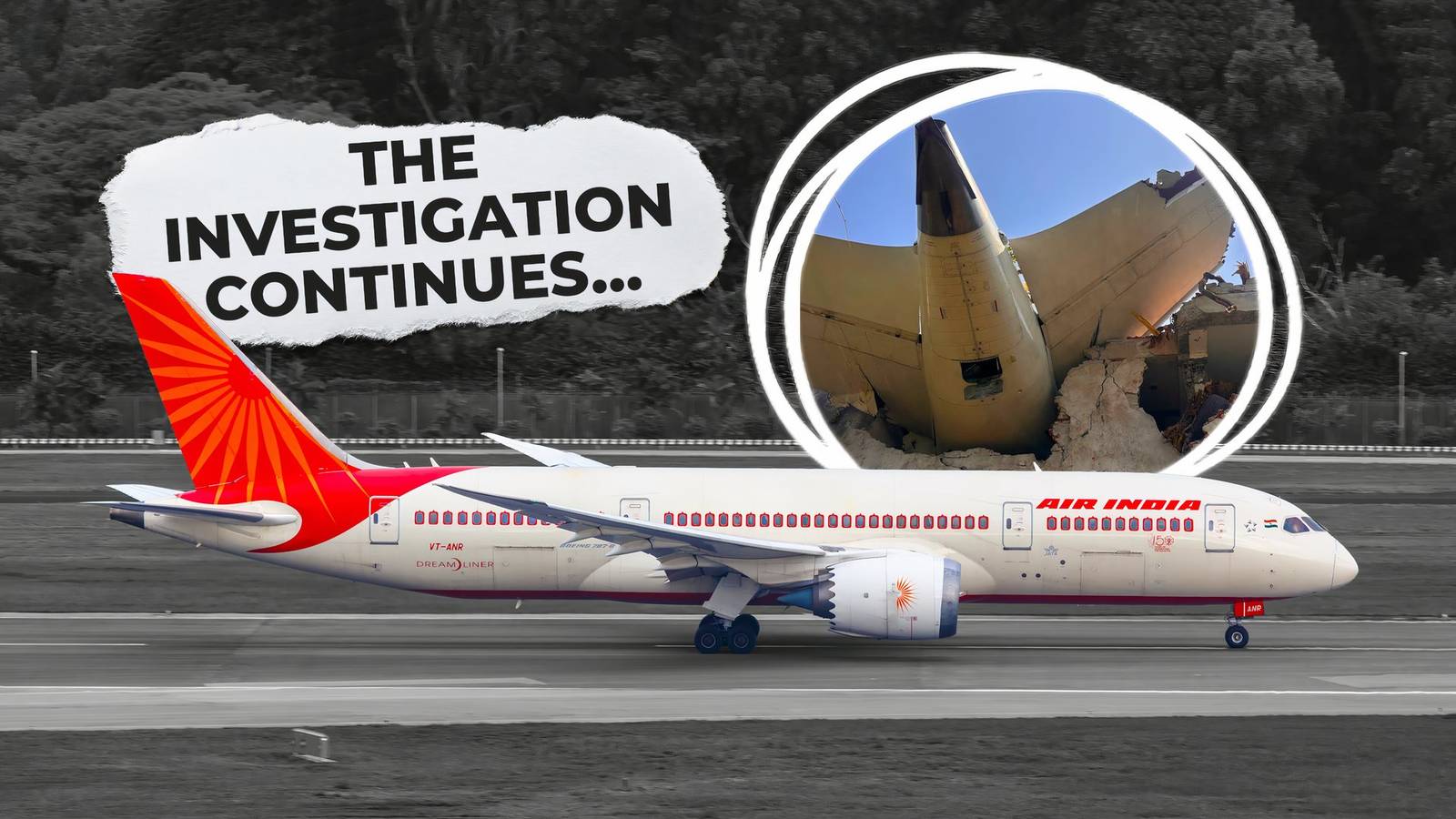
As of 2026, the latest updates regarding Air India crashes focus on the final implementation of safety recommendations following the 2020 Kozhikode (Calicut) tragedy and the systemic safety overhaul under Tata Group ownership. While no major hull-loss accidents have occurred since the transition, investigations into previous incidents have led to mandatory enhancements in pilot training, tabletop airport infrastructure, and real-time flight data monitoring across the entire Indian aviation sector.
Current Status of Air India Aviation Safety in 2026
The landscape of Air India's safety profile has undergone a radical transformation since the airline was privatized and handed over to the Tata Group in early 2022. By 2026, the "Vihaan.AI" transformation plan has largely matured, prioritizing a "safety-first" culture that addresses the legacy issues identified in previous accident investigations. The Aircraft Accident Investigation Bureau (AAIB) and the Directorate General of Civil Aviation (DGCA) have closed the primary files on the most recent major accidents, shifting their focus toward proactive risk mitigation and the integration of predictive maintenance technologies.
In the 2026 operational environment, Air India has integrated one of the world's most advanced pilot training ecosystems, centered at its new facility in Manesar. This move was a direct response to the "human factor" findings in the investigation of Air India Express Flight 1344. The focus is no longer just on technical proficiency but on Crew Resource Management (CRM) and the psychological readiness of flight crews to execute go-around procedures during adverse weather conditions.
Furthermore, the integration of Air India and Vistara has necessitated a unified Safety Management System (SMS). This system is designed to provide a single, transparent portal for reporting "near-misses" and technical snags, ensuring that the lapses in communication seen in historical investigations are not repeated.
Investigation Details: The Kozhikode (IX1344) Crash Legacy
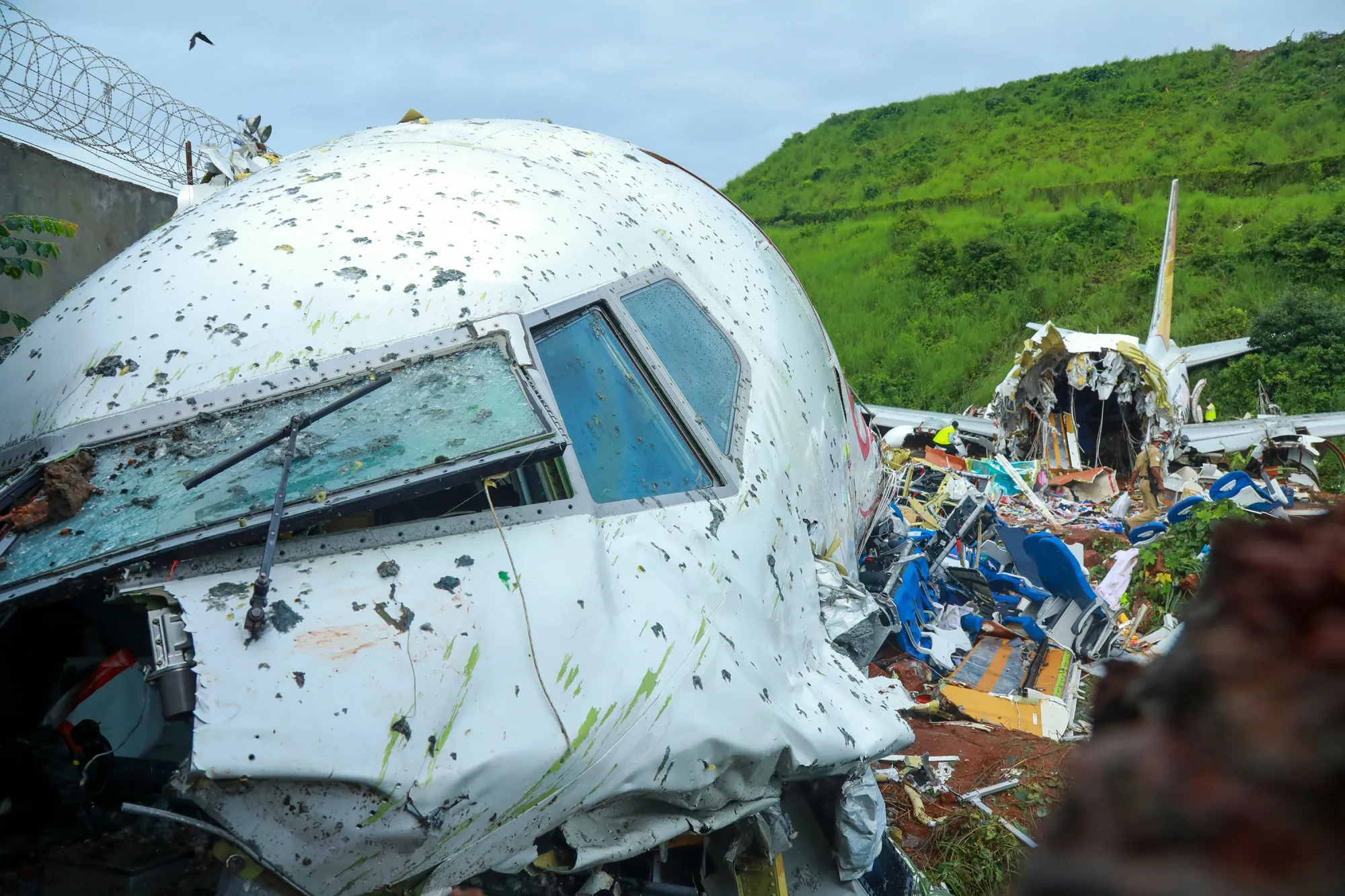
The investigation into Air India Express Flight 1344, which crashed at Calicut International Airport on August 7, 2020, remains the most significant touchstone for current safety protocols. The AAIB’s final report, released in late 2021, pinpointed "pilot error" as the primary cause, specifically the non-adherence to Standard Operating Procedures (SOPs).
Findings on Unstabilized Approach
The investigation revealed that the pilot-in-command failed to execute a go-around despite an "unstabilized approach." In aviation terms, a stabilized approach requires the aircraft to be at the correct speed, descent rate, and flight path by a specific altitude. The 2020 crash occurred because the aircraft touched down too far down the runway, exacerbated by heavy monsoon rain and tailwinds.
Systemic Failures and Oversight
Beyond the cockpit, the investigation detailed systemic failures within the then state-run airline’s safety department. These included:
- Inadequate Monitoring: A lack of robust Flight Data Monitoring (FDM) meant that previous instances of "deep landings" (landing too far down the runway) were not adequately flagged or corrected.
- Resource Constraints: Pilots were operating under significant stress, partly due to the "Vande Bharat" repatriation flights during the pandemic, which influenced decision-making processes.
- Tabletop Airport Hazards: Calicut is a "tabletop" airport, located on a plateau with steep drops at the ends. The investigation emphasized that such airports provide zero margin for error, leading to a 2026-era mandate for longer Runway End Safety Areas (RESA) across all such airports in India.
Technical Enhancements and Infrastructure Updates
Following the recommendations of the 2020 investigation, the Indian government and Air India have invested heavily in infrastructure and cockpit technology. By 2026, several key upgrades have been standardized across the fleet and at-risk airports.
| Feature | 2020 Status (Kozhikode Crash) | 2026 Status (Current Implementation) |
|---|---|---|
| RESA Length | Limited at tabletop airports | Minimum 240 meters at all Category-C airports |
| Braking Systems | Traditional manual/auto-brake | Integration of Onboard Runway Overrun Awareness (ROAAS) |
| Pilot Training | Periodic simulator sessions | Continuous Evidence-Based Training (EBT) |
| Weather Monitoring | Ground-based reports | Real-time cockpit weather radar data sharing |
| Infrastructure | Standard asphalt runways | Installation of Engineered Materials Arrestor Systems (EMAS) |
The implementation of Engineered Materials Arrestor Systems (EMAS) at sensitive airports like Mangalore and Kozhikode has been a pivotal development. EMAS uses crushable concrete blocks at the end of a runway to safely decelerate an aircraft that overruns, a direct lesson learned from both the 2010 Mangalore crash and the 2020 Kozhikode accident.
Victim Compensation and Legal Settlements
As of 2026, the majority of legal proceedings regarding compensation for the victims of Flight 1344 have reached a conclusion. Under the Montreal Convention, which governs international air travel liability, Air India and its insurers were required to pay "proven damages" to the families of the deceased and the injured survivors.
The process was initially delayed by disputes over the definition of "liability" and the calculation of "loss of dependency." However, by 2026, a standardized settlement framework has been established. This framework ensures that survivors receive support for long-term rehabilitation, particularly for those who suffered spinal injuries or post-traumatic stress disorder (PTSD). Air India has also established a dedicated family assistance wing to handle any lingering claims, a move that is now considered a global best practice in aviation disaster management.
Air India’s Safety Culture Transition (2022–2026)
The transition from a state-owned entity to a Tata-managed airline has fundamentally shifted how safety is audited. Under the old regime, bureaucratic hurdles often delayed the procurement of critical spare parts or the implementation of safety bulletins. In the current 2026 landscape, Air India operates under a more agile corporate structure.
The Role of Vihaan.AI
The Vihaan.AI initiative introduced a "Zero Tolerance" policy for safety violations. This includes:
- Mandatory Reporting: Flight crews are encouraged to report fatigue and technical concerns without fear of disciplinary action, addressing a long-standing "fear culture" in Indian aviation.
- Digital Maintenance: Utilizing AI and machine learning to predict component failures before they occur, significantly reducing the number of "air turn-backs" and emergency landings.
- Third-Party Audits: Regular audits by the International Air Transport Association (IATA) through the Operational Safety Audit (IOSA) program to ensure global parity.
These changes are not merely cosmetic. They represent a fundamental shift in the investigation of "minor" incidents. In 2026, even a minor tail-strike or a bird-hit is investigated with the same rigor as a major incident, with findings published internally to prevent recurrence.
Challenges at Tabletop Airports: A Continuing Discussion
Despite the safety upgrades, "tabletop airports" remain a point of technical debate in 2026. India possesses several of these airports, including Mangalore (IXE), Kozhikode (CCJ), Lengpui (AJL), and Pakyong (PYG). The geographical constraints of these locations mean that extending runways is often physically impossible.
The DGCA has introduced stricter "Monsoon Operating Procedures" for these locations. During periods of heavy rainfall, visibility requirements for landing have been increased, and certain aircraft types with high landing speeds are restricted from operating at tabletop runways when they are wet. For Air India, this has meant diverting flights to nearby "diversionary hubs" more frequently, prioritizing safety over schedule adherence—a shift that has been well-received by safety advocates but remains a logistical challenge for the airline’s operations department.
Is Air India safe to fly in 2026?
Yes, Air India is considered safe to fly in 2026. Since its acquisition by the Tata Group, the airline has overhauled its Safety Management System (SMS), invested in a brand-new fleet, and established world-class pilot training facilities. It consistently passes IATA’s Operational Safety Audits (IOSA) and adheres to stringent DGCA regulations.
What were the final findings of the Kozhikode crash investigation?
The AAIB final report concluded that the crash was caused by the pilot-in-command’s failure to follow Standard Operating Procedures (SOPs). The pilot attempted to land too far down a wet runway at a tabletop airport during a tailwind, failing to initiate a go-around despite an unstabilized approach.
What is a "tabletop airport" and why are they risky?
A tabletop airport is located on top of a hill or plateau, where one or both ends of the runway overlook a steep drop or gorge. They are risky because there is very little "overrun" space. If an aircraft fails to stop within the runway length, it can fall off the edge, leading to catastrophic damage, as seen in the Mangalore (2010) and Kozhikode (2020) accidents.
How has pilot training changed since the last major Air India crash?
Since 2020, training has shifted toward Evidence-Based Training (EBT) and enhanced Crew Resource Management (CRM). Pilots now undergo more rigorous simulator sessions focusing specifically on "go-around" decision-making, handling adverse weather at sensitive airports, and managing cockpit hierarchy to ensure co-pilots can challenge unsafe decisions.
What are the "latest updates" on the Mangalore 2010 crash?
While the Mangalore crash occurred over a decade ago, the "latest" status involves the permanent implementation of the recommendations made in its investigation. This includes the installation of EMAS (arrestor beds) and the redesign of runway safety areas, which were fully completed at Mangalore by 2025 to prevent a repeat of the 1344-style overrun.
Verifying Flight Safety and Next Actions
For passengers and stakeholders looking to stay informed about Air India’s safety status, the most reliable method is to monitor official regulatory portals. Safety in aviation is an ongoing process of data collection and refinement rather than a static achievement.
- Consult the DGCA Website: The Directorate General of Civil Aviation publishes "Safety Audits" and "Flight Safety Logs" which provide transparent data on airline performance.
- Check IOSA Registration: Verify that the airline maintains its IATA Operational Safety Audit certification, which is a global benchmark for airline safety management.
- Review Weather Advisories: For those flying into tabletop airports like Kozhikode or Mangalore, staying aware of monsoon advisories can provide context for why flights may be delayed or diverted for safety reasons.
By focusing on these verifiable metrics, travelers can move beyond the headlines of past tragedies and understand the robust, multi-layered safety net that defines Air India's operations in 2026.