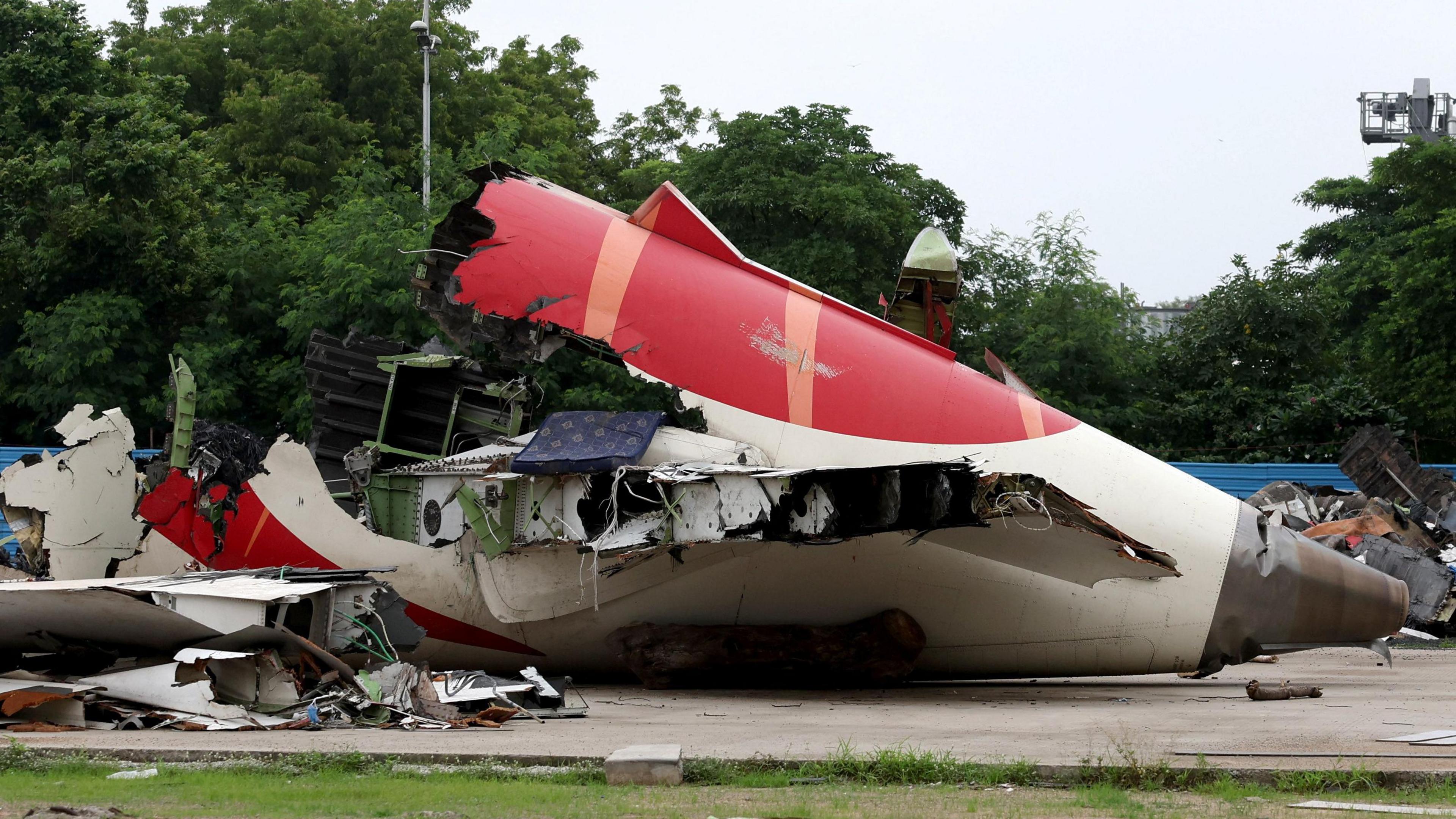
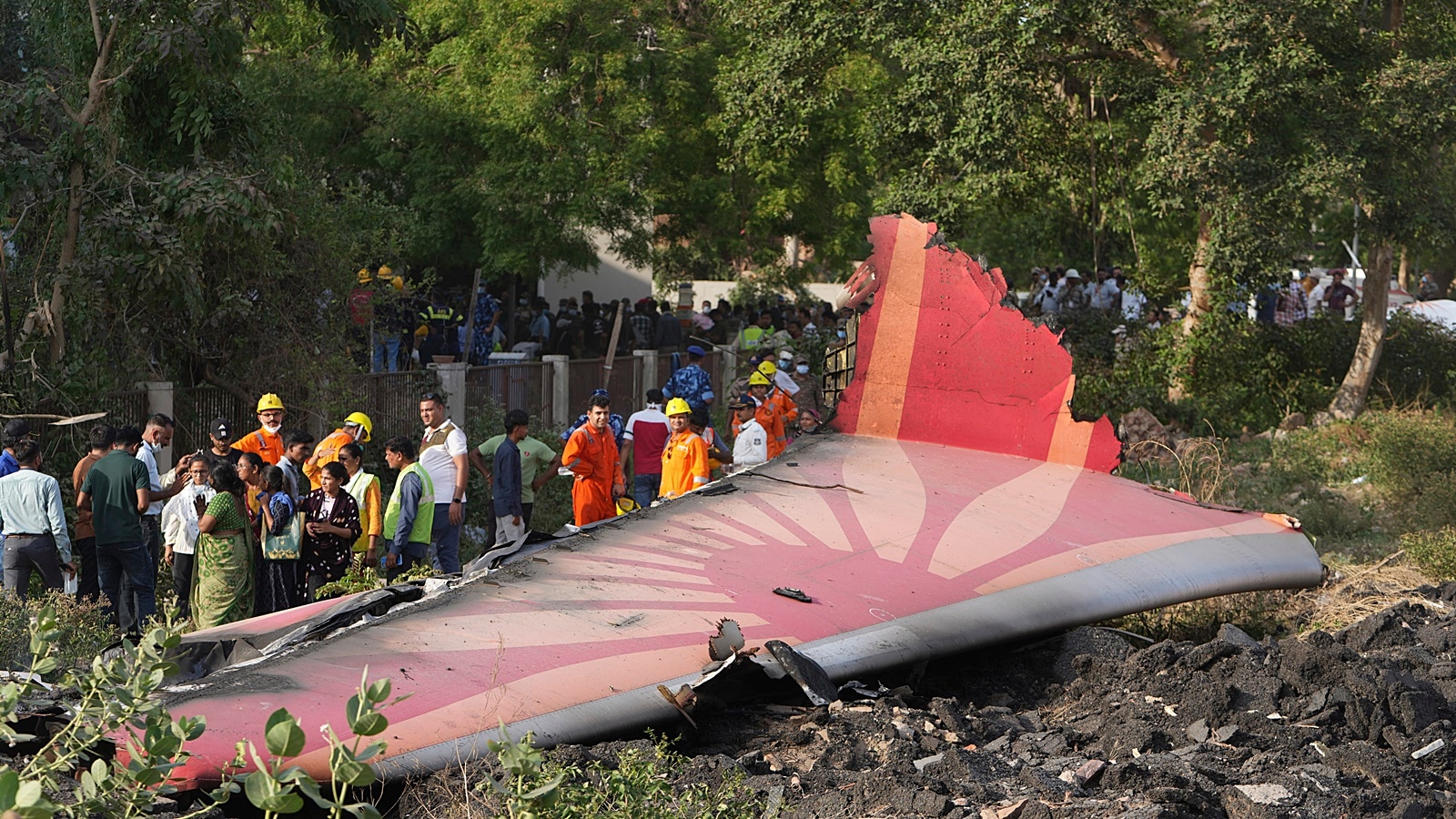
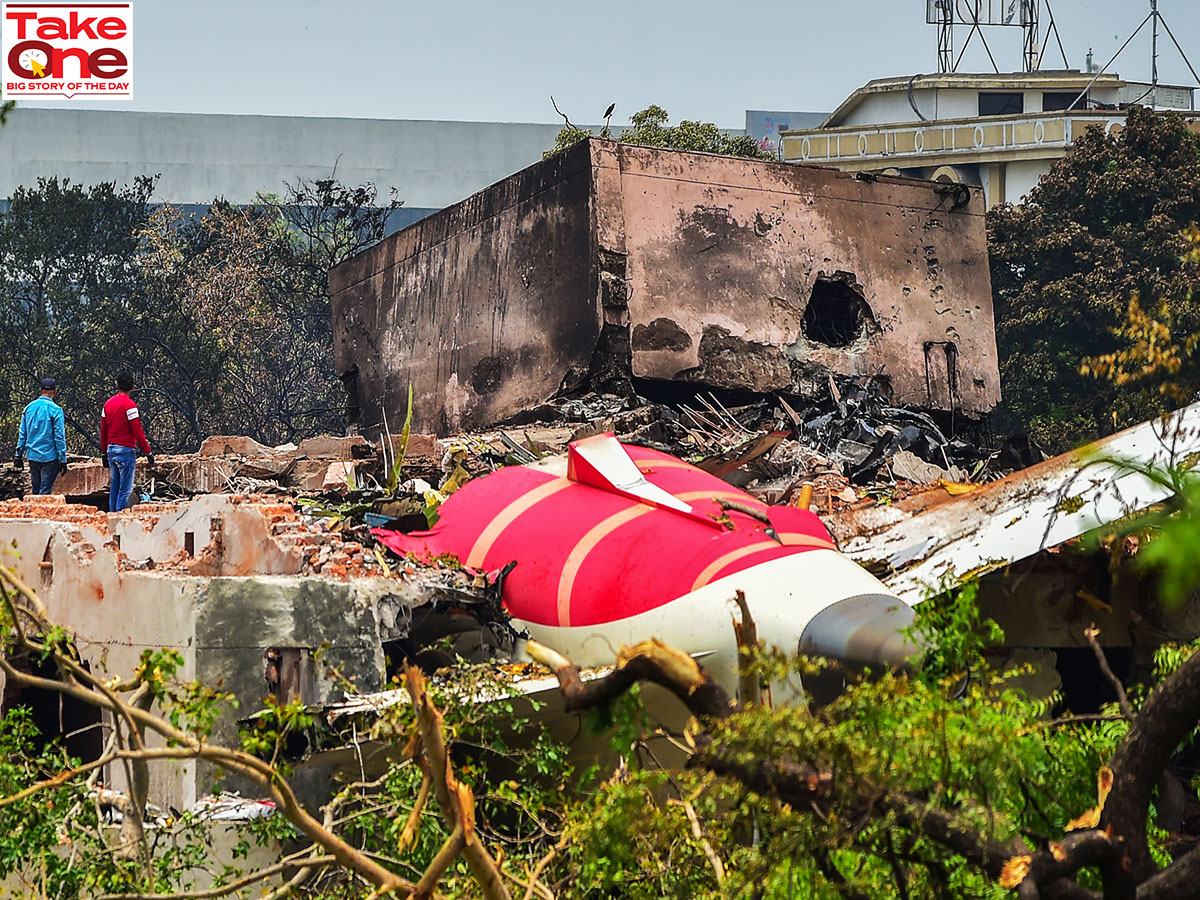
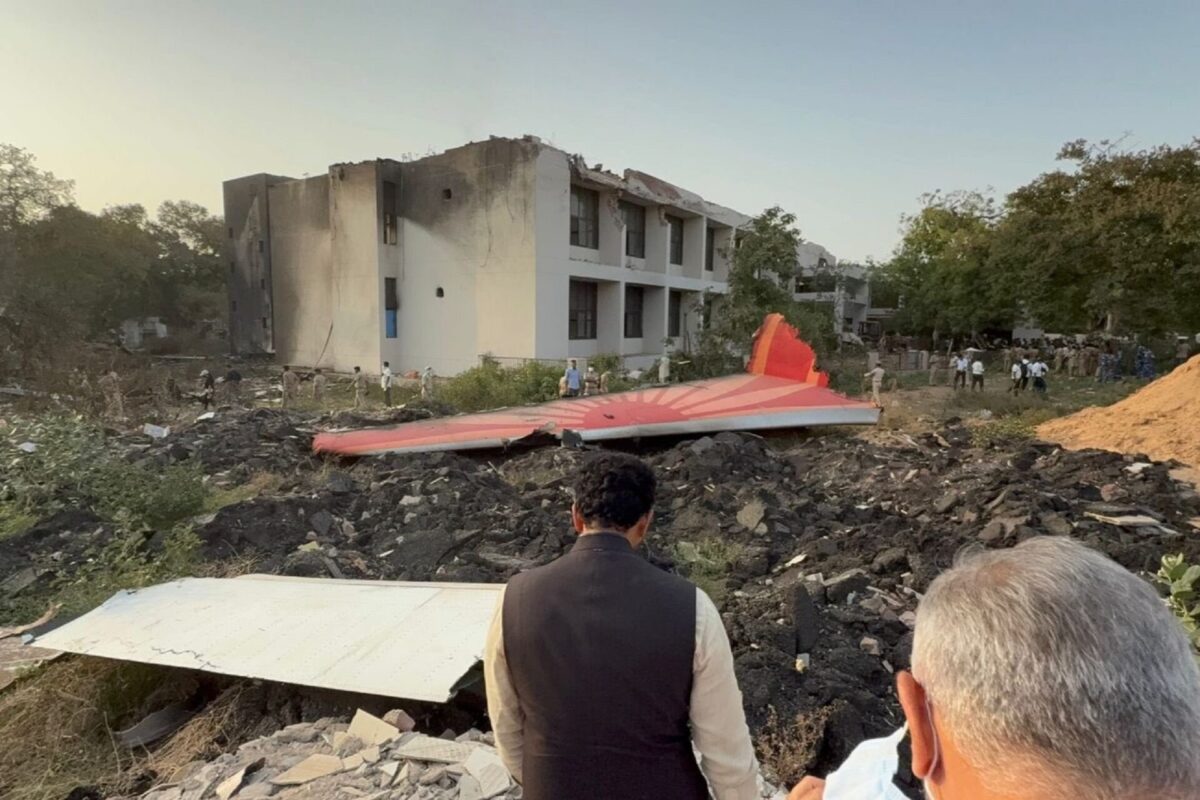
The history of Air India and Air India Express includes several major aviation accidents that have shaped modern safety protocols in South Asian aviation. Data shows that while fatalities occurred in high-profile incidents like the 2010 Mangalore and 2020 Kozhikode crashes, the transition to private ownership in the 2020s has prioritized rigorous safety management systems to mitigate the risks associated with India’s unique geographical challenges, such as tabletop runways and monsoon conditions.
Understanding the Scope of Air India Aviation Incidents
To analyze Air India crash fatalities accurately, one must distinguish between the mainline carrier, Air India, and its low-cost subsidiary, Air India Express. Historically, the most devastating losses of life occurred in the 20th century due to mid-air explosions or pilot disorientation. In the 21st century, however, the focus shifted toward "Runway Excursions" (RE), particularly at challenging airports in Southern India.
As of 2026, the aviation industry views these incidents not just as tragedies, but as data points that have led to the implementation of the "Stabilized Approach" criteria now enforced by the Directorate General of Civil Aviation (DGCA). The fatalities recorded in Air India’s history are often categorized by the specific environmental and human factors involved, ranging from technical instrument failure to "Checked Pilot" overconfidence.
Verified Details: Major Fatal Accidents and Their Causes
The following sections detail the most significant accidents in the airline's history, focusing on verified data from the Aircraft Accident Investigation Bureau (AAIB) and international investigative bodies.
Air India Express Flight 812 (Mangalore, 2010)
On May 22, 2010, Air India Express Flight 812, a Boeing 737-800 arriving from Dubai, crashed at Mangalore International Airport. This remains one of the deadliest incidents in Indian aviation history.
- Fatalities: 158 out of 166 people on board perished.
- The Context: The aircraft was landing on a "tabletop runway," which is located on a plateau with steep drops at the ends.
- The Findings: The AAIB investigation concluded that the primary cause was pilot error. The Captain persisted with an "unstable approach" despite several warnings from the First Officer and the aircraft’s automated systems. The aircraft landed too far down the runway, overshooting the blast pad and plunging down a hillside.
- Data Insight: This crash highlighted the "steep gradient" of cockpit authority, where the junior pilot failed to take control from a senior captain despite clear evidence of a dangerous landing profile.
Air India Express Flight 1344 (Kozhikode, 2020)
On August 7, 2020, during the height of the COVID-19 repatriation missions, Flight 1344 crashed at Calicut International Airport under remarkably similar circumstances to the Mangalore disaster.
- Fatalities: 21 people, including both pilots, died when the Boeing 737-800 overshot the runway.
- The Context: The flight was operating in heavy monsoon rain with significant tailwinds. Like Mangalore, Kozhikode features a tabletop runway.
- The Findings: The final report cited a failure to follow Standard Operating Procedures (SOPs). The pilot failed to execute a "go-around" despite two missed approaches and poor visibility. The aircraft touched down past the touchdown zone, leaving insufficient distance to stop on the rain-slicked surface.
- Data Insight: This incident emphasized that environmental factors (monsoon) combined with infrastructure limitations (tabletop runways) require zero-margin-for-error pilot performance.
Air India Flight 182 (The Kanishka Bombing, 1985)
While technically a terrorist act rather than a mechanical or pilot-error crash, Flight 182 is the deadliest event in Air India’s history.
- Fatalities: 329 people died when the Boeing 747 disintegrated over the Atlantic Ocean off the coast of Ireland.
- The Context: A bomb was placed in the cargo hold by extremists.
- The Impact: This event fundamentally changed global aviation security, leading to the "reconciliation" rule where no bag is allowed on a plane unless the passenger who checked it is also on board.
Comparative Fatality Data and Incident Context
Analyzing the data across several decades allows for a better understanding of how safety has evolved. The following table provides a breakdown of major incidents involving fatalities.
| Flight Number | Date | Location | Fatalities | Primary Factor |
|---|---|---|---|---|
| AI 101 | Jan 24, 1966 | Mont Blanc, Alps | 117 | Pilot error/Disorientation |
| AI 855 | Jan 1, 1978 | Arabian Sea (Mumbai) | 213 | Instrument failure/Pilot error |
| AI 182 | June 23, 1985 | Atlantic Ocean | 329 | Bombing (Terrorism) |
| IX 812 | May 22, 2010 | Mangalore, India | 158 | Unstable approach/Pilot error |
| IX 1344 | Aug 7, 2020 | Kozhikode, India | 21 | Runway excursion (Monsoon) |
What the Data Shows: Trends in Aviation Safety
When looking at the data from a high-level perspective in 2026, several critical trends emerge regarding Air India’s safety record and the broader Indian aviation sector.
The Problem of Tabletop Runways
Data from the last 20 years shows a disproportionate number of "hull losses" (accidents where the plane is destroyed) occurring at tabletop runways. These airports—specifically Mangalore, Kozhikode, and Lengpui—offer no "safety area" at the end of the strip. In traditional airports, an overshoot results in a plane stuck in the mud; at a tabletop, it results in a vertical fall. Following the 2020 crash, the DGCA mandated increased "Runway End Safety Areas" (RESA) and installed specialized lighting to assist pilots in judging distance.
Human Factors and Cockpit Resource Management (CRM)
A recurring theme in verified crash reports is the breakdown of CRM. In both the 2010 and 2020 Express crashes, the data from the Flight Data Recorder (FDR) and Cockpit Voice Recorder (CVR) showed that the junior pilots expressed concern, but the senior captains disregarded them. This led to a massive overhaul in training programs, focusing on "assertiveness training" for first officers and "threat and error management" for captains.
The "Monsoon Factor"
Statistical analysis of incidents in India shows a spike in "hard landings" and "skids" during the months of June through September. The interaction between heavy precipitation and rubber deposits on the runway significantly reduces the braking coefficient. Verified details from the Kozhikode crash showed that the "hydroplaning" effect made it nearly impossible for the aircraft to stop once it missed the primary touchdown zone.
Safety Reforms and the Tata Era (2022–2026)
Following the acquisition of Air India by the Tata Group in early 2022, the airline underwent a massive "Safety First" transformation. By 2026, the data indicates a stabilization of safety metrics.
- Fleet Modernization: Air India retired older aircraft that lacked the latest Ground Proximity Warning Systems (GPWS) and Predictive Windshear alerts. The newer Airbus A350s and Boeing 787s currently in use feature advanced automated braking systems that reduce the risk of human error during landings.
- Safety Management Systems (SMS): The airline implemented a non-punitive reporting system. This allows pilots and engineers to report "near misses" without fear of termination, providing the airline with "pre-incident" data to prevent future crashes.
- Simulation and Training: New training centers in Gurugram now use Level D simulators to recreate the specific landing conditions of tabletop runways during monsoons, ensuring every pilot has "flown" the dangerous approach hundreds of times in a controlled environment before doing so with passengers.
How to Verify Aviation Accident Data
For researchers or concerned travelers, it is vital to use official sources to verify fatality details and accident causes. The following organizations provide the most reliable data:
- Aircraft Accident Investigation Bureau (AAIB) India: The primary body responsible for investigating civil aviation accidents in India. Their final reports are the "gold standard" for verified details.
- ICAO ADREP: The International Civil Aviation Organization’s accident/incident reporting system, which tracks global trends.
- Flight Safety Foundation: An independent non-profit that provides context on technical issues like "Controlled Flight Into Terrain" (CFIT) and runway excursions.
The data shows that while Air India has faced significant tragedies, the lessons learned from these fatalities have been integrated into a more resilient safety architecture. In 2026, the focus remains on the "Swiss Cheese Model" of accident prevention—ensuring that multiple layers of safety (technology, training, and regulation) never align to allow a failure to occur.
Does Air India have a high crash rate compared to other airlines?
When adjusted for the number of flights and passenger kilometers, Air India’s mainline safety record is comparable to other major international carriers. The majority of recent fatal incidents occurred within the "Air India Express" subsidiary, which operates in more challenging regional environments. Since 2022, safety metrics have shown a downward trend in significant incidents.
What is a "Tabletop Runway" and why is it dangerous?
A tabletop runway is built on top of a hill or plateau with steep drops on one or both ends. It creates an optical illusion for pilots and leaves no room for "overrun" errors. In the event of a runway excursion, the aircraft falls off the edge rather than stopping on level ground, which significantly increases the fatality rate of such accidents.
Who investigates Air India crashes?
In India, the Aircraft Accident Investigation Bureau (AAIB), which functions under the Ministry of Civil Aviation, conducts the technical investigation. For incidents occurring in international waters or foreign soil, the local aviation authority (such as the NTSB in the US or the BEA in France) collaborates with the AAIB.
What happened to the families of the victims in the 2010 and 2020 crashes?
Compensation for aviation fatalities is governed by the Montreal Convention. Families are entitled to "Special Drawing Rights" (SDRs), which are a form of international currency. Air India and its insurers have historically faced long legal battles regarding the "full" payout amounts, though the majority of claims from 2010 and 2020 have since been settled through the courts.
Is it safe to fly to Mangalore or Kozhikode now?
Yes. Following the 2020 crash, the DGCA and the Airports Authority of India (AAI) implemented several safety upgrades, including increased runway friction testing, the installation of better drainage systems to prevent hydroplaning, and more stringent weather minimums for landing during the monsoon.
Accessing Official Accident Reports
If you are seeking the full technical breakdown of a specific Air India incident, you should consult the Ministry of Civil Aviation’s official archives. These reports include minute-by-minute transcripts of cockpit conversations, maintenance logs, and weather data. Avoid relying solely on immediate news reports following an accident, as verified details regarding "probable cause" typically take 12 to 24 months of forensic analysis to confirm. The shift toward transparency in the 2020s has made these documents more accessible to the public, fostering a culture of safety through accountability.