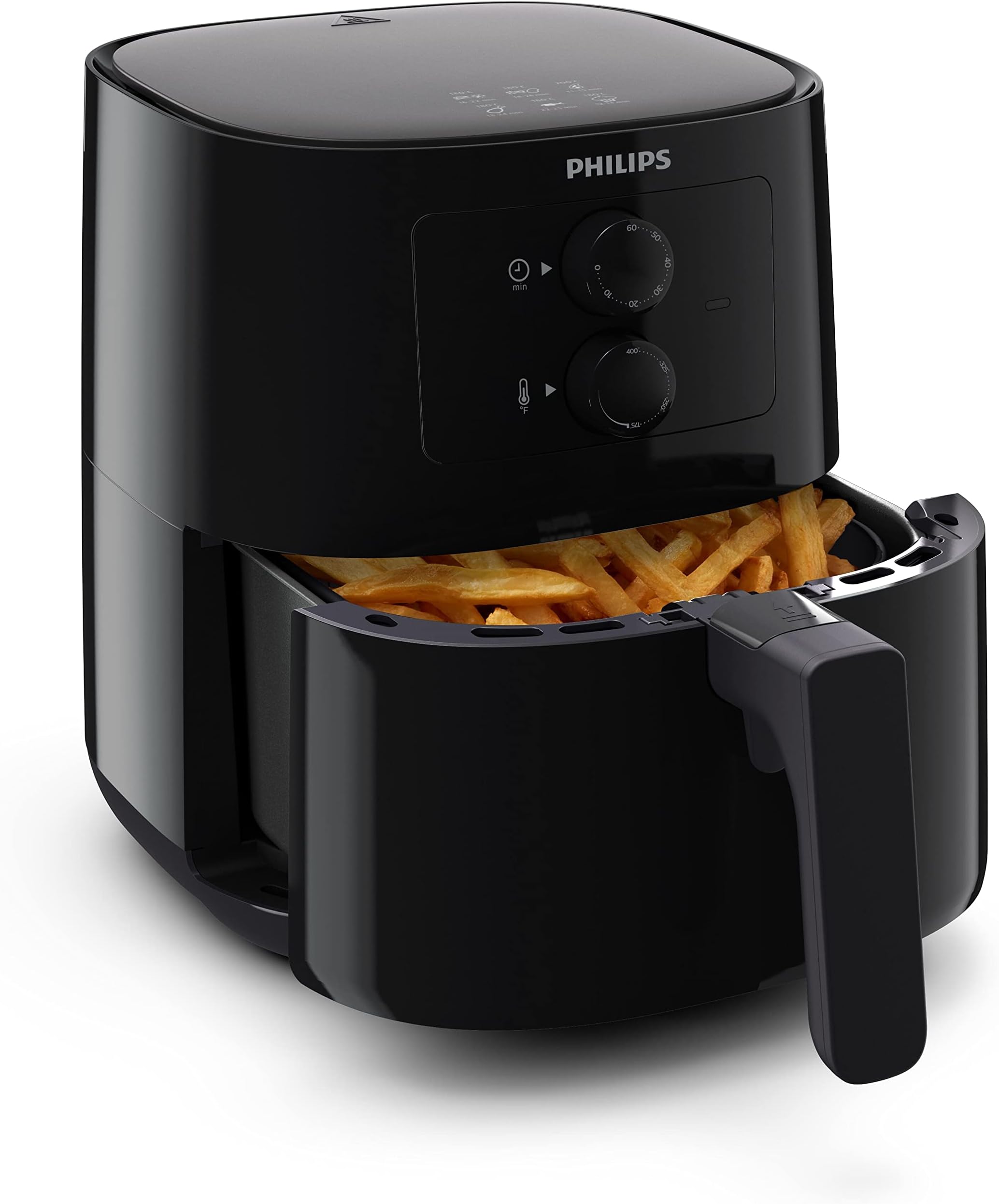
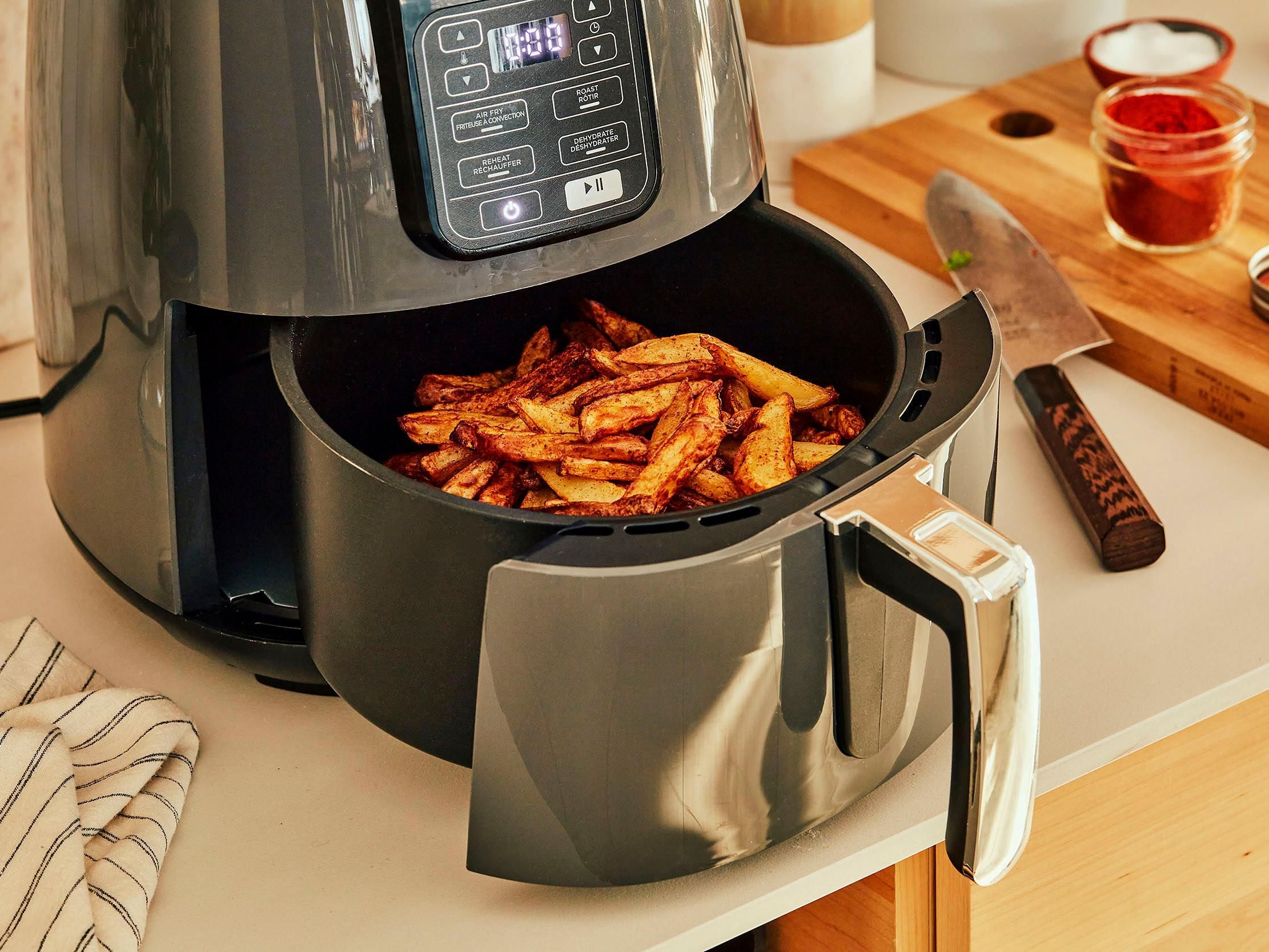
An air fryer is a specialized countertop convection oven designed to simulate the results of deep-frying using high-velocity hot air rather than submersion in oil. By utilizing a concentrated heating element and a powerful fan, it triggers the Maillard reaction to produce a crisp, golden-brown exterior on foods while significantly reducing overall fat content and cooking time compared to traditional methods.
In 2026, the air fryer has transitioned from a niche kitchen gadget to a foundational appliance found in nearly every modern household. As technology has matured, these devices have evolved from simple basket-style cookers into sophisticated, multi-functional tools capable of dehydrating, proofing dough, and even steam-infused roasting. Understanding the mechanics, various configurations, and selection criteria is essential for anyone looking to optimize their kitchen efficiency and nutritional habits.
The Mechanics of Rapid Air Technology
The term "air fryer" is technically a marketing designation for a high-intensity convection system. While a standard full-size oven uses natural convection (hot air rising) or slow-fan forced convection, the air fryer utilizes Rapid Air Technology. This system positions a high-wattage heating element—usually a coiled metal resistor or a halogen lamp—immediately above the food chamber.
A high-speed fan, often located directly above the element, forces air downward and around the food. In basket-style models, the air is typically directed through the center and then reflected upward from the bottom of the chamber. This creates a circular, "cyclonic" airflow that ensures every surface of the food is subjected to intense, consistent heat.
The Role of the Maillard Reaction
The primary goal of an air fryer is to facilitate the Maillard reaction. This chemical reaction occurs between amino acids and reducing sugars when exposed to heat, resulting in the browning and complex flavor profile characteristic of fried or roasted foods. Because the air fryer removes moisture from the surface of the food much faster than a conventional oven, this reaction happens more efficiently, allowing for a "fried" texture with only a fraction of the oil typically required.
Energy Efficiency and Heat Transfer
In 2026, energy costs and sustainability are paramount. Air fryers are significantly more efficient than conventional ovens for small to medium-sized meals. Because the cooking chamber is small (typically 3 to 10 quarts), it requires very little time to preheat. Furthermore, the proximity of the heat source to the food means that heat transfer is more direct, often reducing cooking times by 25% to 50% compared to traditional baking.
Categorizing Air Fryer Designs
The market in 2026 is divided into several distinct form factors, each catering to different culinary needs and kitchen footprints. Selecting the right type depends on your household size and the variety of dishes you intend to prepare.
Basket-Style Air Fryers
This is the original and most common design. It features a pull-out drawer with a perforated basket or a removable tray.
- Pros: Excellent airflow, easy to "shake" food for even browning, and usually the most compact.
- Cons: Limited visibility of food while cooking and generally smaller capacities.
- Ideal for: Frozen snacks, chicken wings, and vegetables for 1-4 people.
Air Fryer Toaster Ovens
These resemble traditional toaster ovens but include a dedicated "air fry" mode with high-speed fans.
- Pros: Larger surface area allows for flat-layer cooking (better for pizzas or toast), often includes rotisserie functions, and can replace multiple appliances.
- Cons: Slower to preheat than basket models and requires more counter space.
- Ideal for: Families, whole chickens, and those who want a versatile "all-in-one" appliance.
Dual-Zone and Multi-Chamber Models
A major innovation that has become standard by 2026 is the dual-basket system. These units feature two independent cooking zones.
- Pros: Ability to cook two different foods (e.g., fries and fish) at different temperatures and times, with "Match Cook" features to ensure both finish simultaneously.
- Cons: Large physical footprint and higher power draw.
- Ideal for: Preparing complete meals where different components require unique settings.
Essential Features to Evaluate in 2026
When comparing models, certain technical specifications will dictate the longevity and utility of the machine. Beyond the marketing claims, focus on these core attributes:
- Temperature Range: A versatile unit should offer a range from 100°F (for dehydration) to at least 400°F or 450°F (for searing and crisping). High-end 2026 models often feature "Max Crisp" settings that reach 480°F for professional-grade results.
- Wattage and Recovery Time: Most standard units operate between 1,400 and 1,800 watts. Higher wattage allows the unit to recover its temperature faster after the basket is opened, which is critical for maintaining a crisp texture.
- Coating Material: Modern safety standards in 2026 favor PFOA-free and PTFE-free ceramic coatings. These are more durable and safer at high temperatures than older non-stick variations.
- Smart Integration: Many current models include Wi-Fi connectivity and app integration. While not strictly necessary for cooking, these allow for remote monitoring, specialized recipe downloads, and integration with home automation systems.
Comparison of Popular Air Fryer Configurations
| Feature | Basket-Style (Compact) | Dual-Zone (Large) | Toaster Oven Style |
|---|---|---|---|
| Typical Capacity | 3 - 5 Quarts | 8 - 10 Quarts | 20 - 30 Liters |
| Footprint | Small/Vertical | Wide/Horizontal | Large/Rectangular |
| Primary Advantage | Speed & Airflow | Versatility (2 foods) | Capacity & Visibility |
| Max Temperature | 400°F - 450°F | 400°F - 450°F | 450°F - 500°F |
| Cleaning Difficulty | Low (Dishwasher safe) | Moderate | High (Oven-style walls) |
| Best For | Singles/Couples | Meal Prepping | Families/Baking |
Nutritional and Health Considerations
The health benefits of air frying are well-documented by various health organizations, including the American Heart Association. The primary advantage is the reduction of dietary fat. Conventional deep-frying can increase the fat content of a potato by over 20 times; air frying achieves a similar texture with just a teaspoon of oil.
Reduction in Harmful Compounds
Traditional deep-frying, especially at high temperatures for long durations, can produce acrylamide—a chemical compound that forms in some foods (especially starchy ones) during high-heat cooking. Research suggests that air frying can reduce acrylamide levels by up to 90% compared to deep-frying.
The Myth of "Oil-Free" Cooking
While air fryers are marketed as oil-free, the best results usually require a small amount of oil. Using an oil with a high smoke point, such as avocado oil or grapeseed oil, helps the heat transfer more effectively to the food's surface, preventing a "dusty" or dry texture. In 2026, it is widely recommended to avoid aerosol cooking sprays containing soy lecithin, as they can degrade the non-stick coating of the air fryer basket over time.
Optimization: Tips for Professional-Grade Results
To maximize the performance of an air fryer, users should move beyond the "set it and forget it" mentality.
- Avoid Overcrowding: Air fryers rely on airflow. If the basket is packed too tightly, the air cannot circulate, resulting in soggy or unevenly cooked food. For the crispiest results, cook in a single layer.
- The "Shake" Rule: For smaller items like fries or Brussels sprouts, shaking the basket every 5 minutes ensures all surfaces are exposed to the direct heat from the element.
- Dry Your Food: Moisture is the enemy of crispiness. Before placing meats or vegetables in the air fryer, pat them dry with a paper towel. Any surface water will turn to steam, which prevents the Maillard reaction.
- Preheating: Even if the manual says it isn't necessary, preheating for 3–5 minutes ensures the cooking cycle begins at the optimal temperature, which is especially important for proteins like steak or salmon.
Safety, Maintenance, and Longevity
Proper care is essential to ensure the appliance remains safe and functional for its expected 5- to 7-year lifespan.
Cleaning Protocols
Grease buildup is the leading cause of smoke and mechanical failure in air fryers. Most baskets in 2026 are dishwasher safe, but hand-washing with a soft sponge is generally recommended to preserve the integrity of the ceramic coating. If the heating element becomes splattered with grease, it should be cleaned with a damp cloth once the unit is completely cool to prevent fire hazards.
Ventilation and Placement
Because air fryers expel significant amounts of heat and steam from their exhaust vents (usually located at the rear), they should never be pushed directly against a wall or placed under low-hanging cabinets. Providing at least 5 inches of clearance around all sides prevents overheating and potential damage to kitchen surfaces.
Frequently Asked Questions
Can you use parchment paper or aluminum foil in an air fryer?
Yes, both can be used, but they must be used correctly. Parchment paper (specifically perforated air fryer liners) or foil should only be added when food is placed on top of them to weigh them down. If the paper or foil is loose, the powerful fan can blow it into the heating element, creating a fire hazard. Never preheat the air fryer with only paper or foil inside.
Is an air fryer better than a convection oven?
An air fryer is essentially a high-performance convection oven. While they use the same basic principles, the air fryer's smaller chamber and higher fan speed make it much more effective at "frying" than a standard convection oven. However, for large batches or baking delicate pastries, a full-size convection oven is usually superior.
Do air fryers use a lot of electricity?
Compared to a full-size electric oven, air fryers are typically more economical. A standard air fryer uses about 1.5 kWh per hour of use. Because they cook faster and require less preheating time than a 3.0 to 5.0 kWh conventional oven, the total energy consumption per meal is significantly lower.
Why is my air fryer producing white smoke?
White smoke is usually caused by excess grease or fat in the bottom of the drawer or on the heating element. When high-fat foods (like bacon) are cooked, the rendered fat can spray onto the element and burn. Adding a tablespoon of water to the bottom tray (under the basket) can sometimes help neutralize the smoke by keeping the drippings cool.
Can I cook frozen meat directly in the air fryer?
Yes, the air fryer is excellent for cooking frozen foods without thawing. Because of the intense heat circulation, it can safely bring meat from a frozen state to a safe internal temperature quickly. However, you should generally add about 50% more time to the standard cooking instructions for thawed meat and use a meat thermometer to verify safety.
Choosing Your Ideal Kitchen Companion
To select the right air fryer in 2026, begin by evaluating your most frequent use case. If your primary goal is to cook quick snacks for one or two people, a 4-quart basket-style model remains the gold standard for speed and ease of cleaning. For those looking to replace their toaster or perform more complex baking, a toaster-oven style unit provides the necessary surface area and versatility.
Regardless of the model, prioritize units with high-quality ceramic coatings and a broad temperature range. By treating the air fryer as a tool for heat management rather than just a "fryer," you can unlock a vast range of culinary possibilities that extend far beyond simple frozen appetizers.