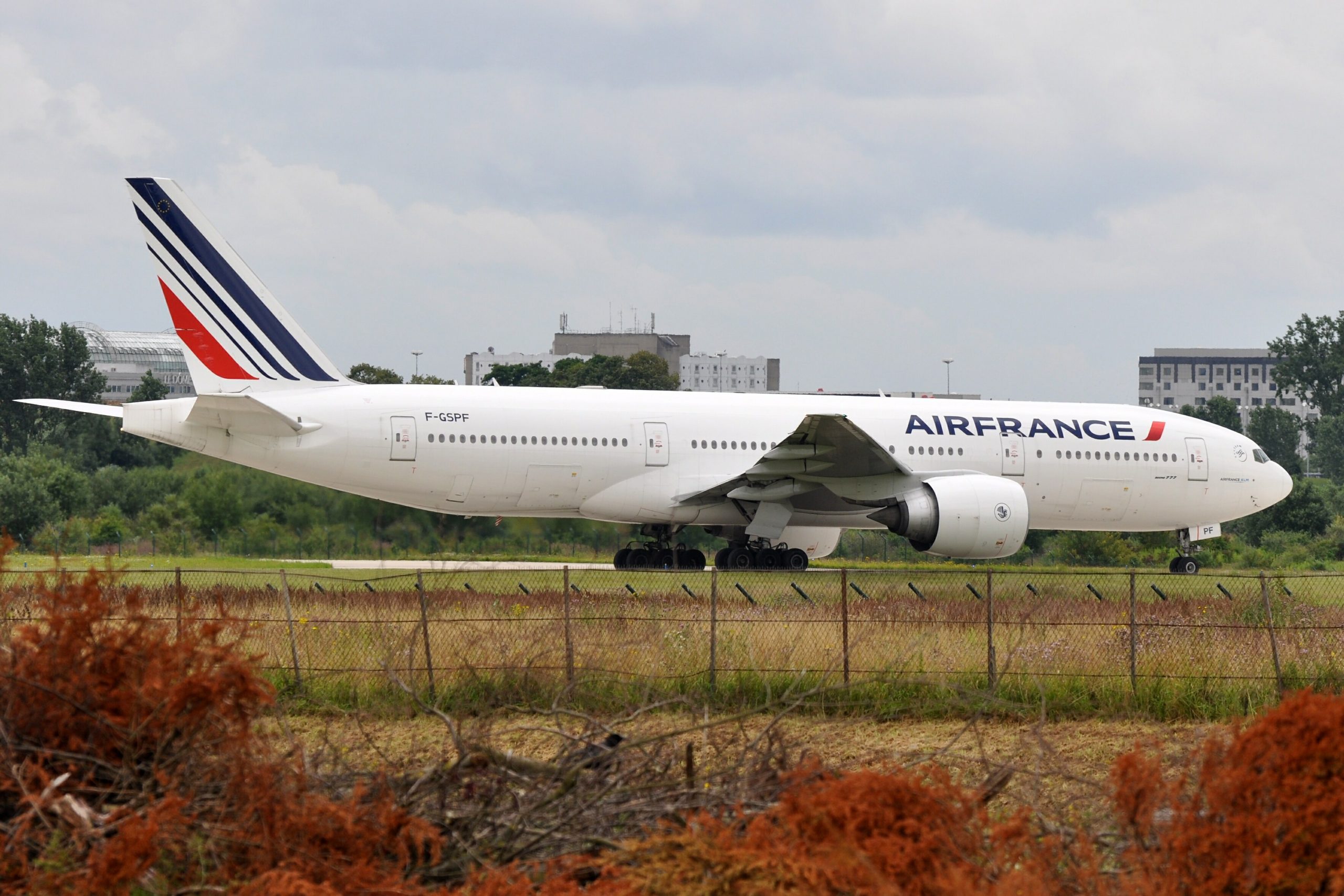
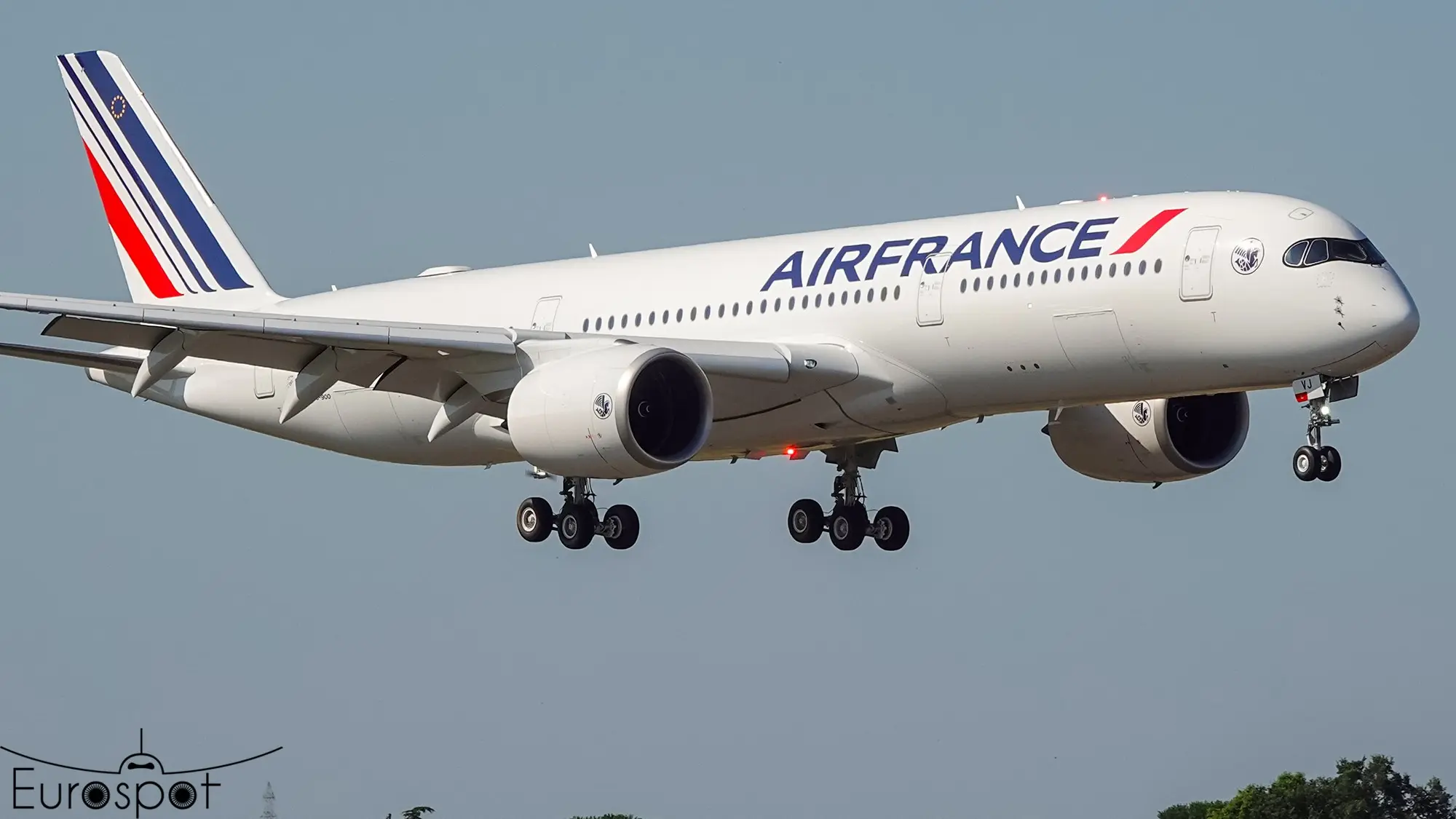
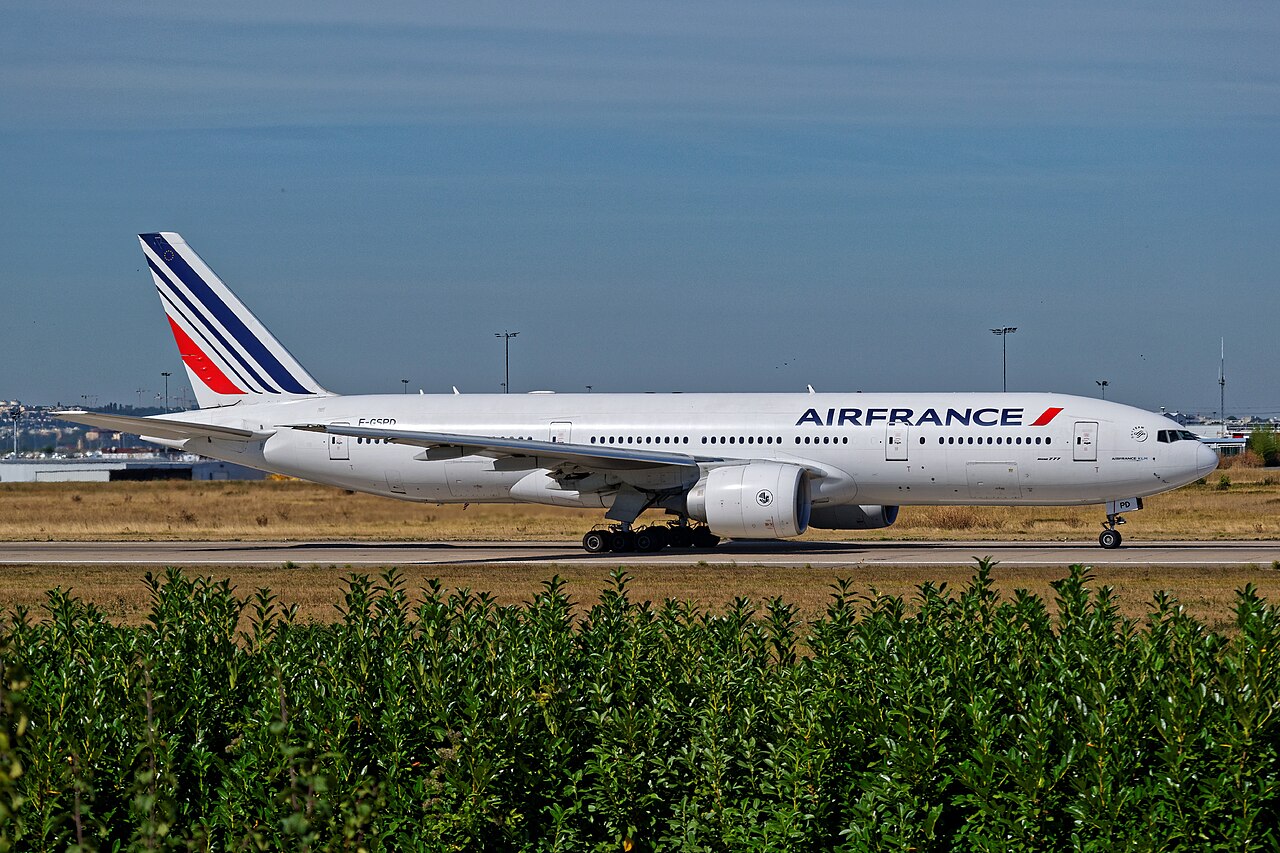
Air France flight AF116, a flagship long-haul service from Paris Charles de Gaulle (CDG) to Shanghai Pudong (PVG), has faced several high-profile emergency returns due to technical malfunctions, including smoke in the cabin and engine surges. In the most recent significant occurrences, flight crews followed strict safety protocols, including fuel jettisoning, to ensure a safe landing back in Paris.
The operation of ultra-long-haul flights like AF116 requires peak mechanical performance and rigorous adherence to international aviation safety standards. When an emergency return occurs, it is the result of a calculated decision by the flight deck to prioritize passenger safety over schedule adherence. As of 2026, the history of AF116 serves as a critical case study in how modern wide-body aircraft—specifically the Boeing 777-300ER—manage mid-air technical anomalies and the subsequent logistical challenges of returning a fully fueled aircraft to its point of origin.
Timeline and Mechanics of Recent AF116 Incidents
The most notable incident involving AF116 occurred when the Boeing 777-300ER (registration F-GSQD) experienced a significant technical failure shortly after takeoff from Paris. Witnesses and passengers reported hearing a loud "bang," which was followed by the presence of acrid smoke in the cabin. In aviation, smoke in the cockpit or cabin is treated with the highest level of urgency, often resulting in an immediate "Mayday" declaration.
In more recent technical diversions, such as those documented in May 2024 and observed through the 2025-2026 operational window, the primary causes for returns have shifted from catastrophic engine surges to precautionary cockpit indications. These "precautionary returns" are often triggered by the aircraft’s onboard Health and Usage Monitoring Systems (HUMS), which detect minute variances in engine pressure or electrical output.
When AF116 encounters such an issue, the pilots must evaluate the "Point of No Return" and the "Equal Time Point" (ETP). If the malfunction occurs within the first two hours of flight, returning to the massive maintenance hub at Charles de Gaulle is almost always the preferred option compared to diverting to an unfamiliar airport in Eastern Europe or Central Asia.
Technical Breakdown: The Role of the Boeing 777-300ER
The Air France fleet for the Shanghai route predominantly utilizes the Boeing 777-300ER, an aircraft renowned for its reliability and the power of its General Electric GE90-115B engines. However, even the most robust airframes are susceptible to mechanical fatigue.
Engine Surge and Pneumatic Failures
In the 2021 incident, the "bang" heard by passengers was likely an engine surge—a disruption of the airflow through the engine that can cause a backflow and subsequent flame or smoke. Because the air for the cabin’s air conditioning system (bleed air) is drawn from the engines, any internal engine combustion issue can lead to smoke or "dirty" air entering the passenger deck. Modern sensors are designed to isolate the affected engine immediately, but the protocol for smoke in the cabin dictates an immediate landing.
Maximum Landing Weight (MLW) Challenges
A Boeing 777-300ER departing for a 12-hour flight to Shanghai carries a massive fuel load. At takeoff, the aircraft is significantly heavier than its structural Maximum Landing Weight (MLW). If a pilot needs to return to Paris shortly after takeoff, they cannot land immediately without risking structural damage to the landing gear and fuselage.
To resolve this, AF116 must perform a fuel jettison (fuel dump). This process involves opening valves on the wingtips to spray fuel into the atmosphere, where it atomizes and evaporates before reaching the ground. This procedure reduces the aircraft's weight to a safe level for an emergency landing.
Operational Response: Fuel Jettisoning and Emergency Procedures
The decision to dump fuel is not taken lightly, as it has environmental and financial implications. However, in an emergency return to Paris, it is a prerequisite for safety. The AF116 crew coordinates with Air Traffic Control (ATC) to find a "dumping zone," usually over a sparsely populated area or the sea, though in time-critical emergencies, this may occur at high altitudes over land.
ATC Coordination and "Mayday" vs. "Pan-Pan"
- Mayday: Used when there is an immediate threat to the life of the aircraft and its passengers (e.g., fire, smoke, or loss of control).
- Pan-Pan: Used for urgent situations that are not yet life-threatening but require priority handling (e.g., a non-critical mechanical failure or a sick passenger).
In the most dramatic AF116 returns, "Mayday" calls were utilized to ensure the aircraft was given a "straight-in" approach to CDG, clearing all other traffic out of its path. This coordination allows emergency services—including airport fire brigades—to be positioned along the runway before the aircraft touches down.
Comparative History of AF116 Safety Incidents
Understanding the frequency and nature of these incidents helps put the "emergency return" into perspective. While the sight of emergency vehicles meeting a plane is alarming, it is often a sign of the system working correctly.
| Date | Incident Type | Aircraft Registration | Primary Cause | Outcome |
|---|---|---|---|---|
| Sept 18, 2021 | Emergency Return | F-GSQD (B777-300ER) | Smoke in cabin/Engine surge | Safe landing; aircraft repaired |
| May 8, 2024 | Technical Return | F-GZNK (B777-300ER) | Technical malfunction | Returned to CDG; flight cancelled |
| Nov 2025 | Precautionary Diversion | F-GSQP (B777-300ER) | Hydraulic indication | Safe return; passengers rebooked |
As seen in the table, the outcomes remain consistent: the aircraft returns safely, and the redundancies built into the Boeing 777 systems prevent the technical issue from escalating into a catastrophic failure. Air France's maintenance protocols are subject to EASA (European Union Aviation Safety Agency) oversight, ensuring that each incident is followed by a thorough investigation.
Passenger Rights and Compensation (EU 261/2004)
For passengers aboard AF116 during an emergency return, the experience is undoubtedly stressful. However, European law provides some of the strongest passenger protections in the world. Under Regulation EU 261/2004, passengers are entitled to specific forms of care and compensation when a flight is cancelled or significantly delayed due to technical issues.
The "Extraordinary Circumstances" Debate
Airlines often argue that technical failures are "extraordinary circumstances" to avoid paying compensation. However, the European Court of Justice has ruled that most technical problems are inherent in the normal exercise of the activity of an air carrier and do not constitute extraordinary circumstances.
- Right to Care: Air France must provide meals, refreshments, and, if necessary, hotel accommodation and transport for passengers waiting for a rescheduled flight.
- Compensation: Depending on the length of the delay in reaching the final destination (Shanghai), passengers may be eligible for up to €600 per person.
- Re-routing: The airline is obligated to get the passenger to Shanghai as soon as possible, even if it means booking them on a competitor’s flight.
Safety Record and Maintenance of Air France’s B777 Fleet
Air France operates one of the largest Boeing 777 fleets in the world. The 777-300ER is the backbone of its long-haul network. Despite the high-profile nature of the AF116 returns, the 777 remains one of the safest aircraft ever built.
Maintenance for these aircraft is divided into "checks":
- A-Check: Performed approximately every 400–600 flight hours.
- B-Check: A deeper inspection every 6-8 months.
- C and D Checks: Intensive structural inspections where the aircraft is almost entirely disassembled.
The incidents with AF116 often prompt "fleet-wide inspections" if a specific component is found to be at fault. For example, following the smoke incident in 2021, increased scrutiny was placed on the GE90’s high-pressure compressor stages to ensure that seal failures were not a systemic issue across the fleet.
Psychological Impact and Cabin Crew Training
The "emergency return" is not just a mechanical event; it is a human one. Cabin crews are trained specifically for "Unplanned Emergencies." In the event of smoke, their priority is to identify the source and prepare the cabin for a potential evacuation.
For passengers, the smell of smoke and the sound of an engine surge can lead to significant anxiety. Air France provides psychological support services for passengers involved in such incidents. In the 2026 travel landscape, the speed of social media means that "live" updates from inside the cabin often precede official airline statements, placing extra pressure on the crew to maintain calm and provide accurate information in real-time.
Common Questions Regarding AF116 Incidents
Why does AF116 return to Paris instead of landing at the nearest airport?
The decision is based on the severity of the issue and maintenance capabilities. If the aircraft is still controllable and the threat is not immediate, returning to Paris is often safer and more efficient. Paris CDG is Air France's primary hub, meaning they have the specialized engineers, spare parts, and replacement aircraft necessary to handle a Boeing 777. Landing at a smaller airport would leave hundreds of passengers and a massive aircraft stranded without the technical infrastructure to fix the problem.
Is the Boeing 777-300ER safe to fly after these incidents?
Yes, the Boeing 777-300ER has an exceptional safety record. Technical incidents, while frightening, are often proof that the aircraft's safety redundancies are working. When a sensor detects an anomaly, the plane is designed to alert the pilots so they can take action before the situation becomes dangerous. After any emergency return, the aircraft is taken out of service and must be certified as airworthy by aviation authorities before it can carry passengers again.
How much fuel is typically dumped during an AF116 emergency return?
A Boeing 777-300ER flying from Paris to Shanghai might carry over 100,000 liters of fuel. To get down to the Maximum Landing Weight, the aircraft might need to dump 30,000 to 50,000 liters of fuel, depending on how soon after takeoff the emergency occurs. This process typically takes 15 to 30 minutes.
What should passengers do during an emergency return?
Passengers should remain seated, keep their seatbelts fastened, and follow all instructions from the cabin crew. It is vital to stay calm and not attempt to retrieve carry-on luggage if an evacuation is ordered. After landing, passengers should keep all boarding passes and receipts for expenses incurred to facilitate their EU 261 compensation claims.
Does Air France provide refunds for these incidents?
If a flight returns to the origin and is cancelled, passengers are entitled to a full refund if they choose not to travel, or a re-routing to their destination. If the delay to the final destination is more than five hours, a refund is also an option. However, most passengers choose to be rebooked on the next available flight to Shanghai.
Essential Actions Following a Flight Diversion or Return
If you find yourself on a flight like AF116 that has returned to Paris, your immediate priority should be securing your next steps. First, locate the Air France transfer or customer service desk immediately upon disembarking. While the airline will attempt to send automated rebooking messages, the fastest way to secure a seat on a limited-capacity replacement flight is often through a face-to-face agent or the airline’s mobile app.
Secondly, document everything. Take photos of the flight board showing the "Cancelled" or "Delayed" status and keep copies of your original boarding pass. These are essential for filing insurance claims or EU 261 compensation requests later. Finally, ensure you understand your "Right to Care." The airline is legally required to provide you with vouchers for food and communication while you wait. If the delay extends overnight, do not book your own hotel unless the airline explicitly instructs you to do so, as they usually have pre-arranged blocks of rooms at airport hotels like the Sheraton or Novotel at CDG.