In an in-flight emergency, Air Force One functions as a hardened, mobile command center designed to ensure the President's safety and the continuity of government. The aircraft utilizes advanced electronic countermeasures, EMP-shielded systems, airborne refueling capabilities, and a comprehensive medical suite to mitigate mechanical, medical, or hostile threats while maintaining global communications.
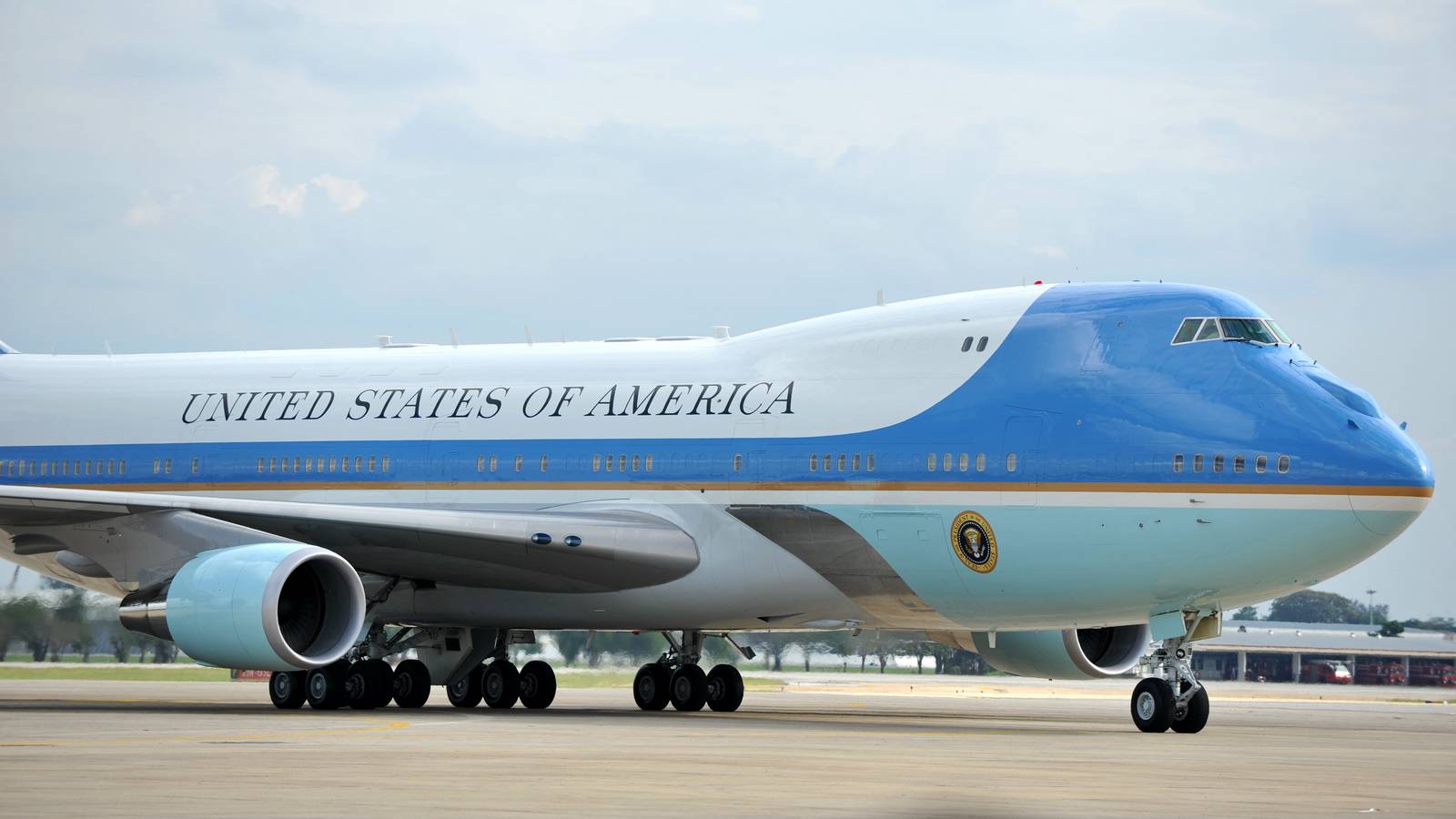
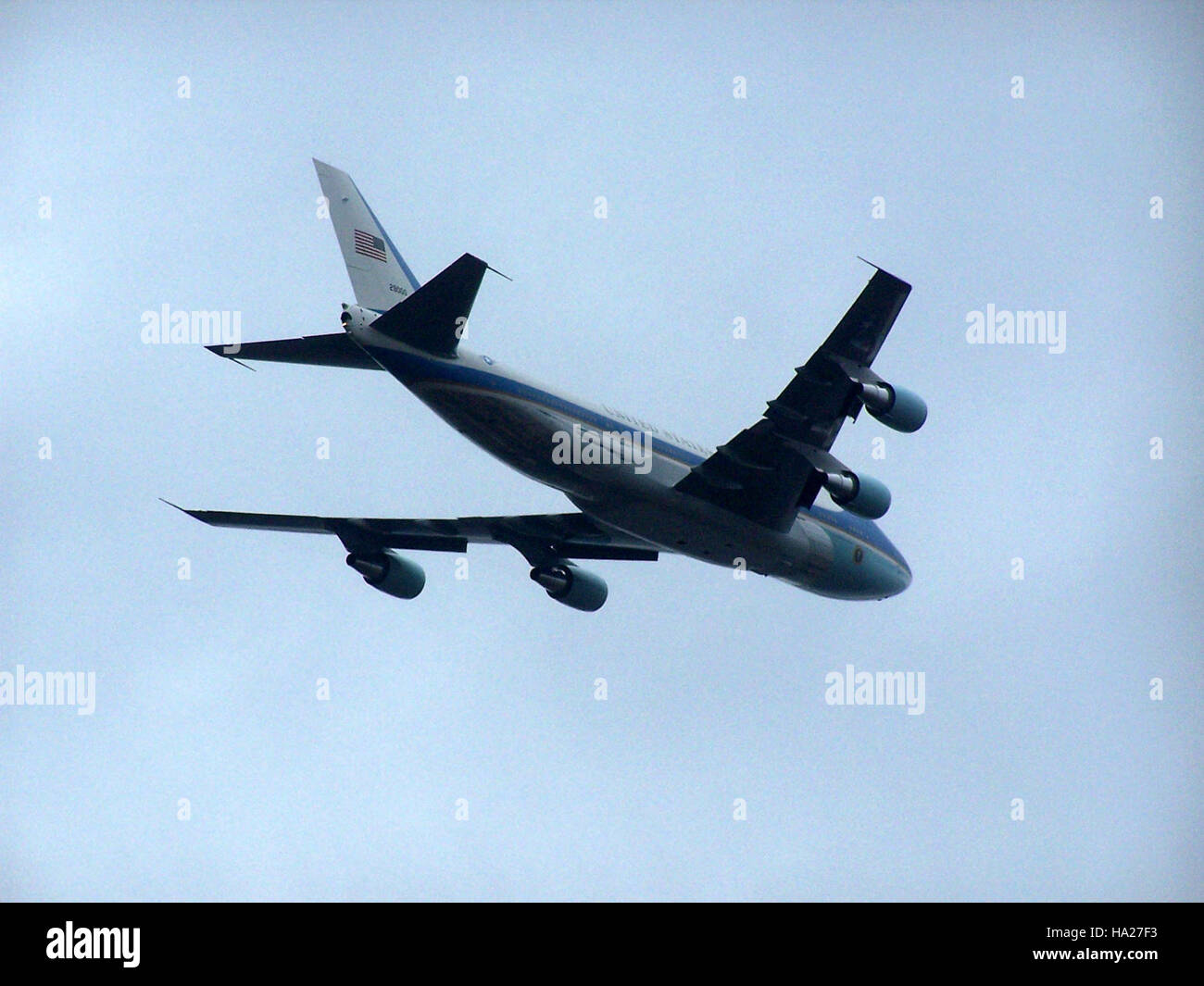
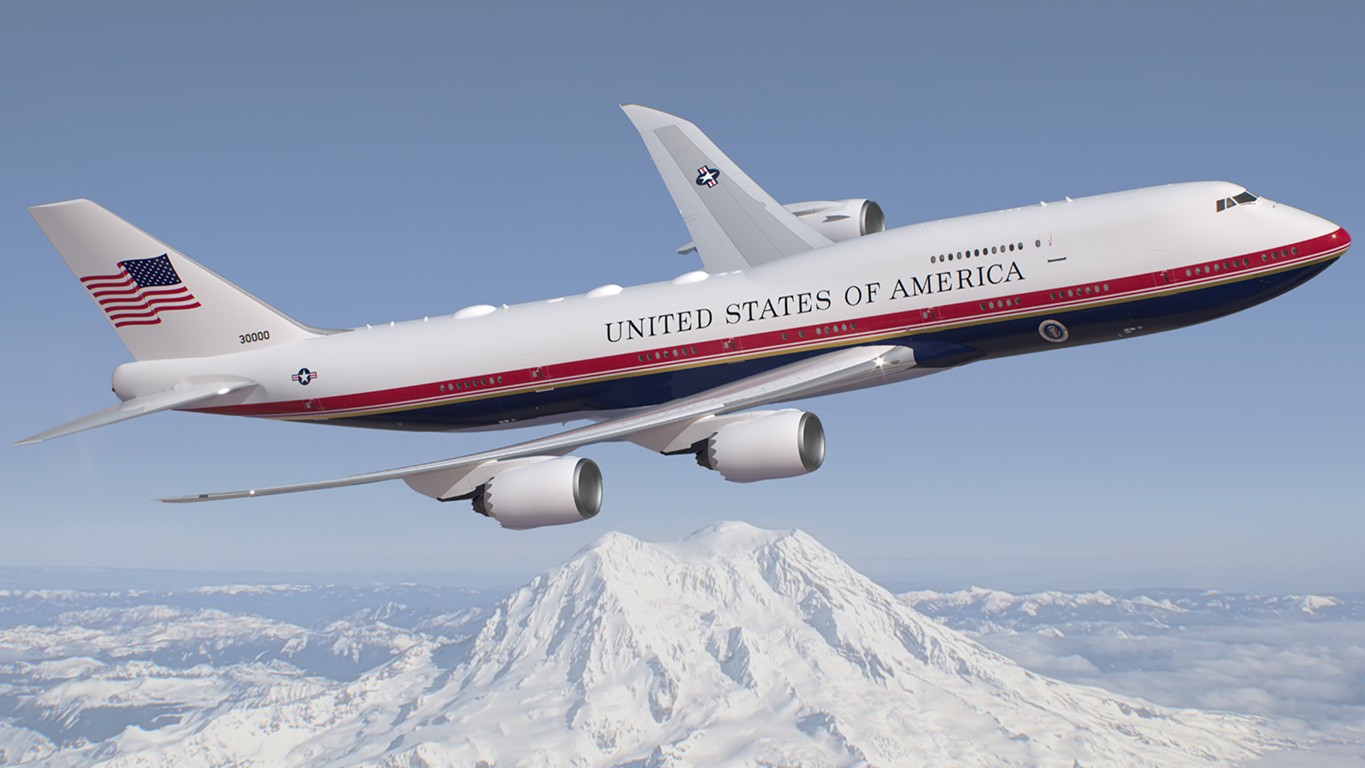
Air Force One is not merely a call sign or a luxury transport; it is a highly specialized military instrument. As of 2026, the transition from the long-serving VC-25A (based on the Boeing 747-200B) to the VC-25B (based on the Boeing 747-8i) has reinforced the United States' commitment to presidential aerial resilience. When an emergency occurs—whether it is a mechanical failure, a medical crisis, or a direct kinetic attack—the aircraft enters a state of high-readiness protocols designed to isolate the President from danger and maintain the National Command Authority.
The Architecture of Resilience: Redundancy and Hardening
The primary philosophy behind Air Force One’s emergency handling is redundancy. Unlike commercial aircraft, where dual redundancy is standard, the presidential aircraft often employs triple or quadruple redundancy for critical flight systems. This includes the flight control surfaces, hydraulic systems, and electrical grids. If an engine fails, the Boeing 747 airframe is capable of maintaining altitude and landing safely on the remaining powerplants, but Air Force One goes further by ensuring that the electrical loads required for secure communications remain stable even under partial power loss.
Electromagnetic Pulse (EMP) hardening is a cornerstone of the aircraft’s defense. In the event of a high-altitude nuclear detonation, the resulting EMP would likely disable the avionics of standard civilian and most military aircraft. The VC-25A and VC-25B are shielded with miles of specially coated wiring and hardened enclosures for critical logic controllers. This ensures that even in a post-nuclear environment, the pilots retain manual and electronic control of the aircraft, and the President remains in contact with the Pentagon and the Global Strike Command.
Furthermore, the aircraft’s internal structure is reinforced to withstand significant stress. While specific details remain classified for national security, it is widely understood that the skin of the aircraft and the windows are enhanced to protect against external pressures and small-arms fire from the ground during takeoff and landing, which are the most vulnerable phases of flight.
Defensive Systems: Countermeasures Against External Threats
When faced with a hostile threat, such as a surface-to-air missile (SAM) or an air-to-air intercept, Air Force One does not rely on escort fighters alone. The aircraft is equipped with some of the most sophisticated self-defense suites in the world. The AN/ALQ-204 Matador system, and its more modern successors on the VC-25B, are designed to protect the plane from infrared (IR) seeking missiles. These systems work by pulsing infrared energy to confuse the heat-seeking seeker heads of incoming projectiles, causing them to veer off course.
In addition to electronic jamming, the aircraft features several physical countermeasures:
- Flare Dispensers: Located in the wings and tail, these eject high-temperature magnesium flares to draw away heat-seeking missiles.
- Chaff Launchers: These release clouds of aluminum or metallic glass fibers to create a massive "radar echo," confusing radar-guided missiles and tracking systems.
- Directed Energy Systems: Modern iterations of the aircraft utilize Large Aircraft Infrared Countermeasures (LAIRCM), which use a laser to blind the optical sensors of incoming missiles with pinpoint accuracy.
The flight crew, specifically the pilots selected from the elite ranks of the U.S. Air Force, are trained in high-G evasive maneuvers that are typically not performed by heavy-lift wide-body aircraft. These maneuvers are a last resort, used in conjunction with countermeasures to break a missile's "lock."
Medical Emergencies: The Flying Hospital
An "emergency" is not always external or mechanical; a medical crisis involving the President or a member of the senior staff is a high-priority scenario. Air Force One is equipped with a state-of-the-art medical annex that functions as a mobile emergency room. Unlike a standard first-aid kit found on commercial flights, the presidential medical suite includes:
- Operating Table and Lights: Designed for emergency surgical interventions to stabilize a patient until they can reach a specialized ground facility.
- Pharmacy and Blood Bank: The aircraft carries a robust supply of medications and a dedicated refrigerator stocked with blood units matching the President’s type.
- Continuous Monitoring: Advanced telemetry allows the onboard medical team to monitor vitals with the same precision as an Intensive Care Unit (ICU).
A physician is always on board during presidential flights, accompanied by a nurse or a medical technician. In the event of a medical emergency, the pilot works in tandem with the Secret Service to determine the fastest route to a "secure" medical facility. This might mean diverting to a pre-cleared military base where the local trauma center has been vetted and put on standby by the Secret Service advance team.
Continuity of Government: Command and Control in a Crisis
If an emergency escalates to a national security level—such as a coordinated attack on the United States—Air Force One transforms into the "White House in the Sky." The primary goal shift from simple transport to the maintenance of the National Command Authority (NCA). The aircraft is equipped with over 500 miles of wiring to support secure and non-secure voice and data links.
The President can address the nation from the onboard media center, but more importantly, they can authorize military actions, including nuclear releases, using the Secure High Frequency (HF) and Satellite Communication (SATCOM) systems. In a catastrophic scenario where ground-based communications are destroyed, the aircraft can utilize Very Low Frequency (VLF) systems to communicate with submerged ballistic missile submarines.
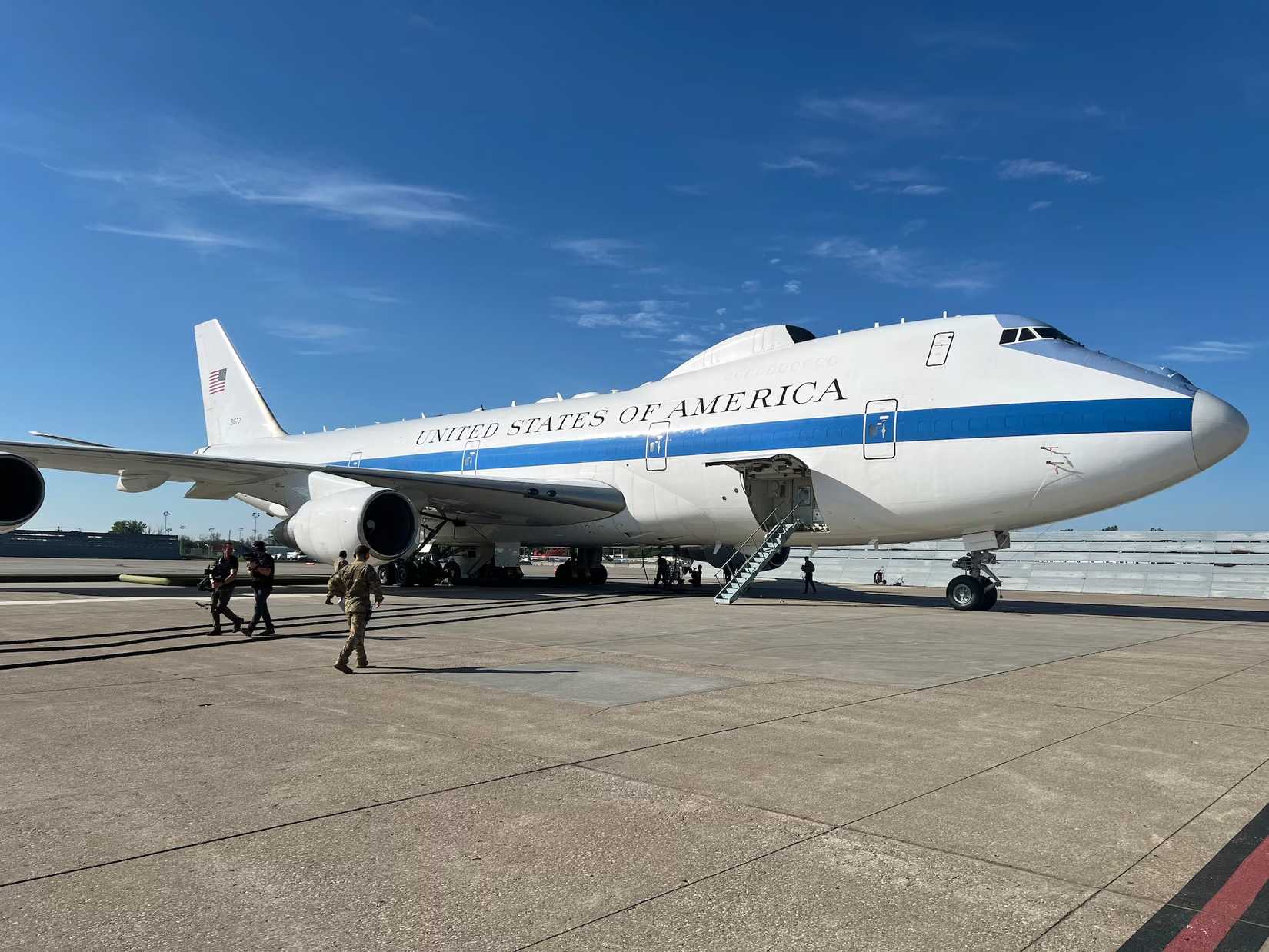
The aircraft is designed to operate in coordination with the E-4B "Doomsday Plane." During an emergency, these aircraft often fly in proximity or maintain a data-link connection to ensure that if one node of the government is compromised, the other can take over. The logistical tail of Air Force One—which includes the C-17 Globemaster III aircraft carrying the presidential motorcade—is also rerouted during an emergency to meet the aircraft at a secure "COOP" (Continuity of Operations) site.
Comparison of Presidential Aircraft Emergency Capabilities
As of 2026, the fleet consists of both the legacy VC-25A and the newly integrated VC-25B. The following table highlights the emergency-handling specifications of these platforms.
| Feature | VC-25A (Legacy) | VC-25B (Current Standard) |
|---|---|---|
| Base Airframe | Boeing 747-200B | Boeing 747-8i |
| Max Range (Unrefueled) | 7,800 miles | 8,900 miles |
| EMP Hardening | Analog-heavy shielding | Integrated digital/fiber-optic shielding |
| Aerial Refueling | Integrated Nose Receptacle | Integrated Nose Receptacle |
| Defensive Suite | AN/ALQ-204 Matador | Advanced LAIRCM & Next-Gen Jamming |
| Medical Suite | Full ER/Surgical Capability | Enhanced ICU/Telemedicine Capability |
| Engines | General Electric CF6-80C2B1 | General Electric GEnx-2B67 |
Mechanical and Operational Procedures: Staying Airborne
In a standard mechanical emergency, such as a localized fire or a loss of cabin pressure, the crew follows standard Air Force Technical Orders (T.O.s), but with a "stay airborne" bias if the ground is deemed unsafe. Air Force One is one of the few aircraft in the world equipped for mid-air refueling. This is a critical emergency feature; if ground airfields are under threat or contaminated by biological or chemical agents, the aircraft can stay aloft for days.
The only real limitations to the aircraft’s endurance are engine oil and food supplies. In a prolonged emergency scenario, the aircraft would be refueled by a KC-135 Stratotanker or a KC-46 Pegasus. This allows the President to remain in a secure, mobile environment while the situation on the ground is stabilized.
If a landing is unavoidable, the pilots have access to a "Safe Landing List," which is a classified directory of airfields worldwide that meet specific runway length, weight-bearing capacity, and security requirements. The Secret Service and the Air Force’s Presidential Airlift Group (PAG) constantly update this list based on global geopolitical stability.
The Human Element: Crew Training and Emergency Protocols
The technology of the aircraft is only as effective as the crew operating it. The Presidential Airlift Group consists of the most experienced pilots, navigators, and engineers in the Air Force. Their training for emergencies involves thousands of hours in high-fidelity simulators that replicate every possible failure mode, from dual-engine flameouts to cyber-attacks on the flight management system.
During an emergency, the cockpit atmosphere is governed by "Standard Operating Procedures" that prioritize the President's safety over the aircraft's hull. The Secret Service Special Agent in Charge (SAIC) stays in constant contact with the pilot. If the aircraft is under attack, the pilot has the ultimate authority over the flight path, but the Secret Service dictates the "secure destination." This synergy ensures that the tactical maneuvers of the aircraft align with the broader protection plan for the Commander-in-Chief.
How does Air Force One handle a total loss of engine power?
In the extremely unlikely event of a total four-engine failure, the aircraft is designed to be a highly efficient glider. The Boeing 747-8i airframe has a glide ratio that would allow it to travel several miles for every thousand feet of altitude lost. During this time, the crew would attempt an engine restart while the APU (Auxiliary Power Unit) provides emergency electrical power to the flight controls. The hardened hydraulic systems ensure the pilots can still maneuver the plane for an emergency landing on any suitable flat surface or runway.
Can Air Force One survive a nearby nuclear blast?
Air Force One is specifically designed to survive the secondary effects of a nuclear blast, such as the Electromagnetic Pulse (EMP) and thermal radiation. The shielding protects the electronic flight controls and communication arrays from being fried by the surge of gamma radiation. However, the aircraft is not "blast-proof" in a kinetic sense; if it is within the immediate pressure wave radius of a nuclear explosion, the structural integrity would be compromised just like any other airframe. Its defense strategy relies on early warning and the ability to relocate quickly.
What happens if the pilot is incapacitated during an emergency?
There are always at least two highly qualified pilots in the cockpit, and often a third "relief" pilot is available for long-haul missions. All members of the flight crew are cross-trained in emergency procedures. Furthermore, the aircraft can be flown and landed manually if the automated systems fail. The Air Force ensures that every crew member on board is capable of performing their duties under extreme psychological and physical stress.
How is the President protected during an emergency landing?
During an emergency landing, the President is secured in a specialized seat equipped with advanced safety harnesses, similar to those used in military transport or racing. The Secret Service agents form a physical perimeter within the cabin. Upon landing, if the environment is hostile, the "Silver Bullet" (the motorcade) or a pre-positioned security detail would immediately move to extract the President from the aircraft to a secondary secure location or a waiting helicopter (Marine One).
Does Air Force One carry escape pods or parachutes?
Contrary to popular depictions in cinema, the actual Air Force One does not have an escape pod. Parachutes are also not a standard emergency protocol for the President, as static-line jumping from a 747 at high altitudes or speeds is statistically more dangerous than attempting an emergency landing. The aircraft's defense strategy is built on the "fortress" concept—staying inside the most protected mobile environment available rather than exiting it.
Critical Preparedness and Protocol Verification
For those analyzing the safety and security of the executive branch, understanding the emergency capabilities of Air Force One is essential. The aircraft represents the pinnacle of aviation security, blending the reliability of heavy-lift commercial flight with the survivability of a frontline combatant. The transition to the VC-25B in 2026 ensures that these protections remain effective against modern threats, including cyber-warfare and hypersonic missile developments.
To stay informed on the operational status of the Presidential Airlift Group, observers should monitor official releases from the Joint Base Andrews public affairs office and the Air Force Life Cycle Management Center (AFLCMC). These entities provide the most accurate, unclassified updates on the maintenance, testing, and deployment of the aircraft that serves as the world's most secure aerial platform.