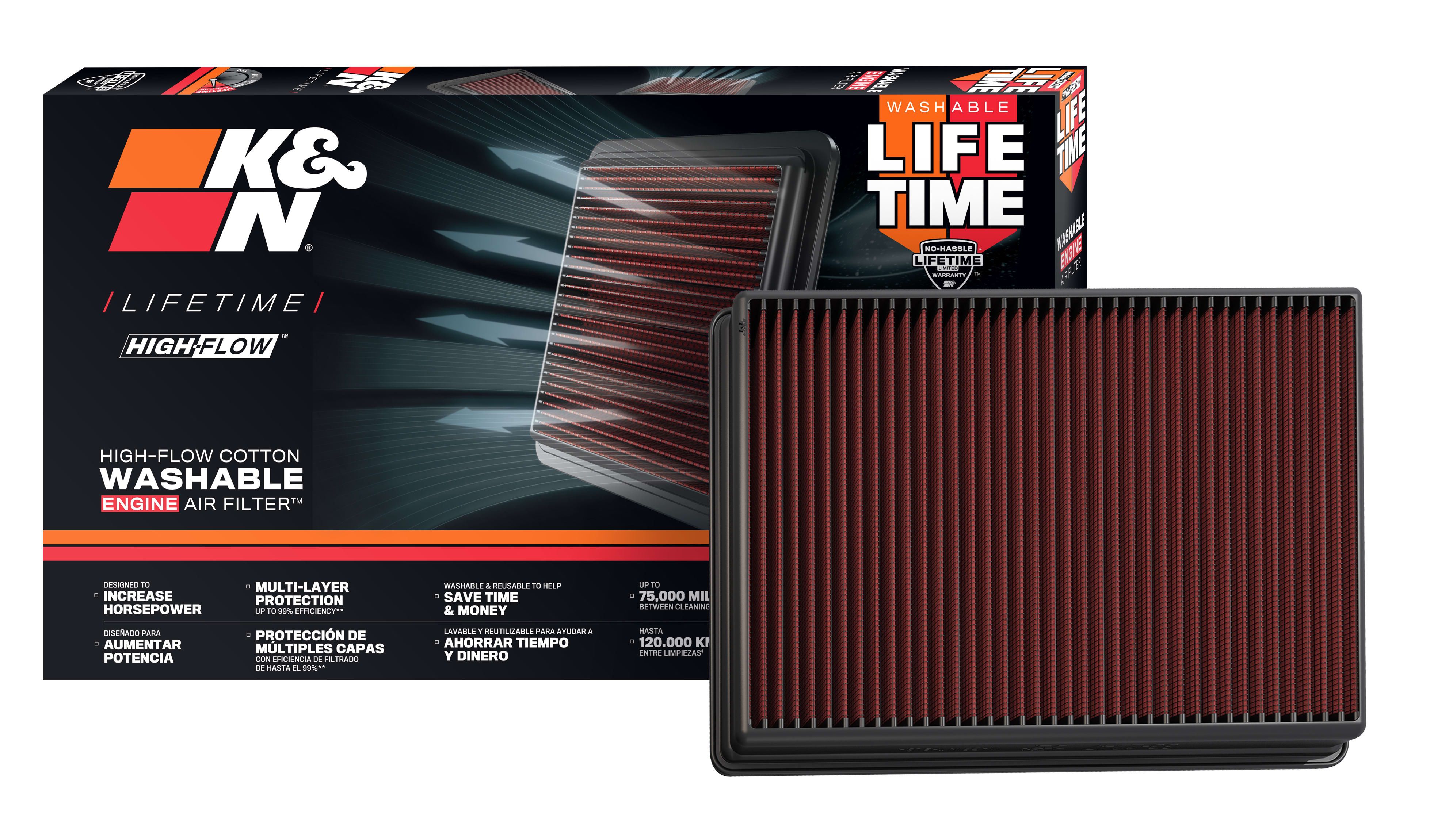
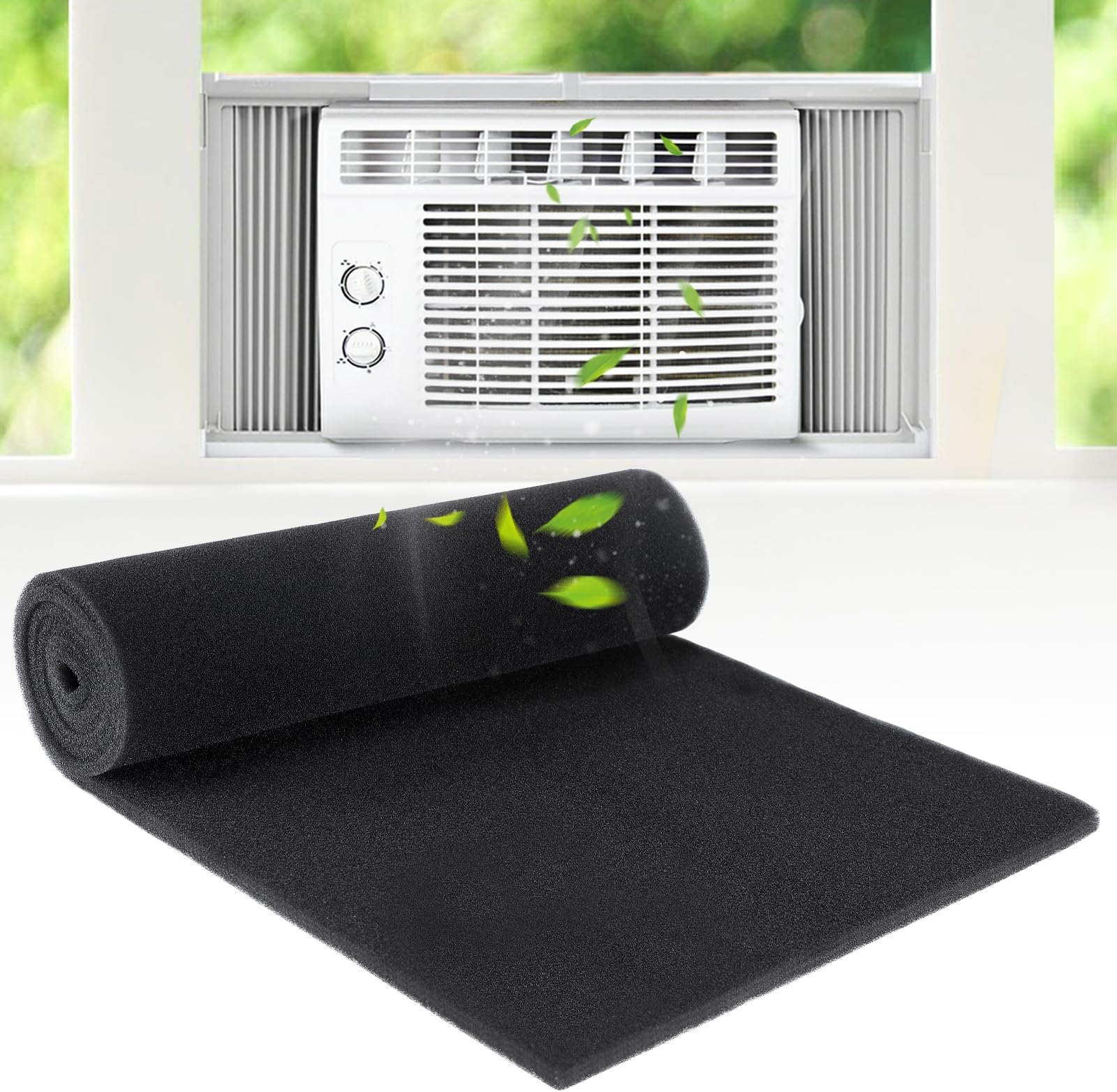
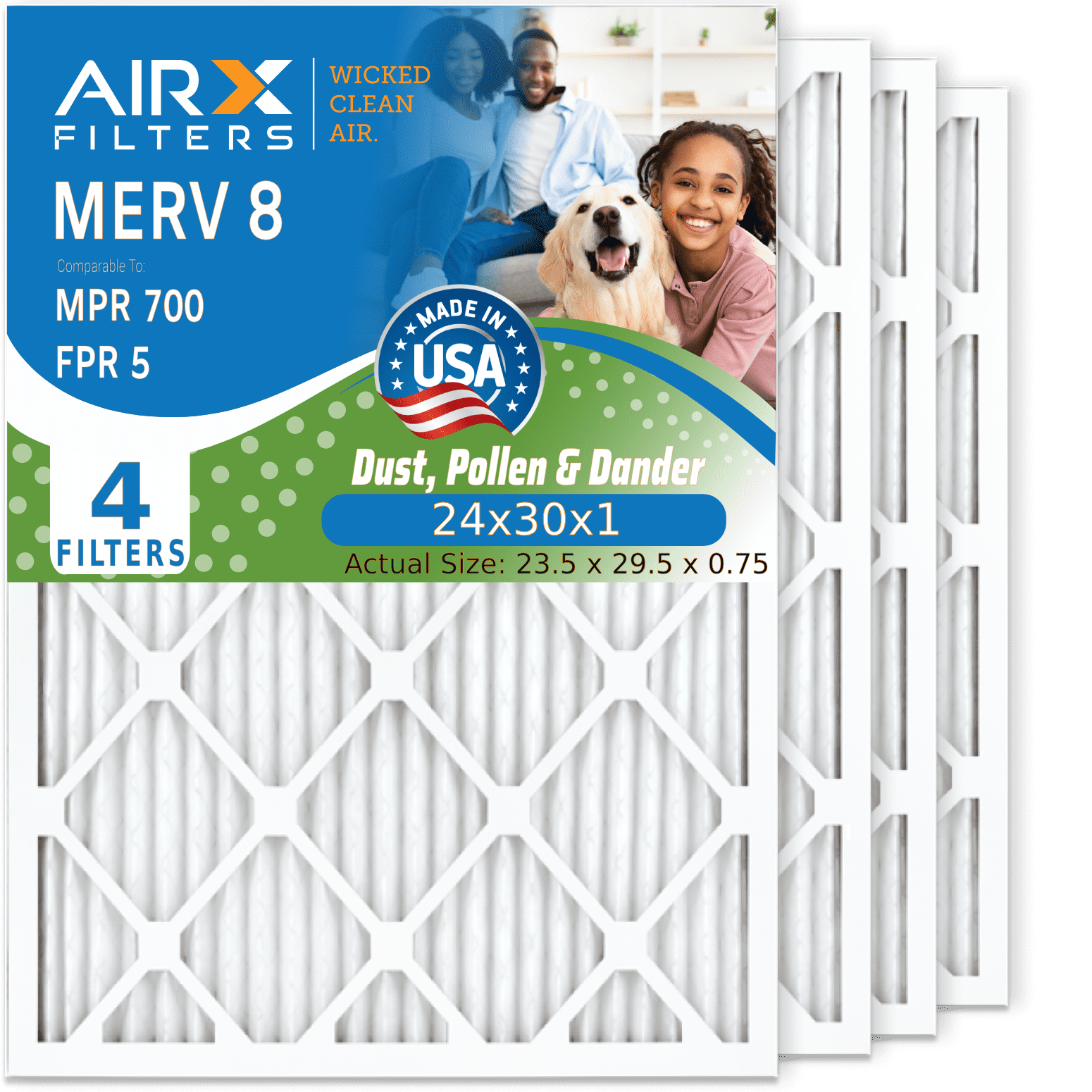
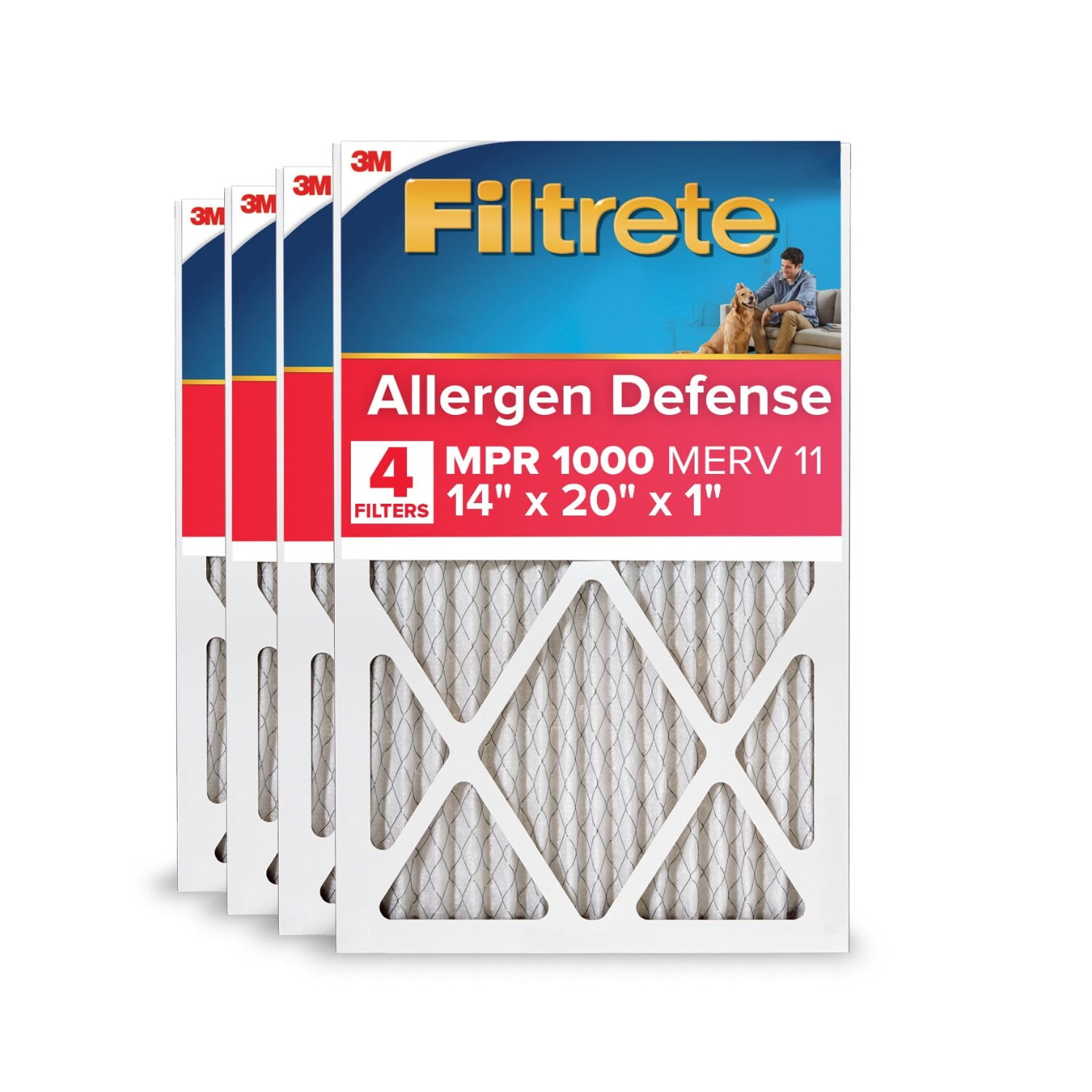
Air filters are specialized devices designed to remove solid particulates—such as dust, pollen, mold, and bacteria—from the air as it passes through a ventilation system, engine intake, or standalone purifier. By utilizing various media like fiberglass, pleated paper, or non-woven fibers, these filters protect both mechanical equipment from damage and human occupants from airborne pollutants.
Understanding Air Filter Mechanics and Efficiency Ratings
The primary function of an air filter is to intercept particles while allowing air to flow through with minimal resistance. This balance between filtration efficiency and airflow is the central challenge of filter design. As we move through 2026, the industry continues to rely on standardized metrics to help consumers and professionals navigate these trade-offs.
The most common metric in North America is the Minimum Efficiency Reporting Value (MERV), established by ASHRAE (American Society of Heating, Refrigerating and Air-Conditioning Engineers). MERV ratings range from 1 to 16 for standard filters, with higher numbers indicating the ability to capture smaller particles. For example, a MERV 8 filter is effective at capturing large particles like dust mites and lint, while a MERV 13 filter is recommended for trapping smaller virus carriers and smoke particles.
Beyond MERV, you may encounter the High-Efficiency Particulate Air (HEPA) standard. To be classified as HEPA, a filter must remove at least 99.97% of particles that are 0.3 microns in diameter. While highly effective, HEPA filters create significant "static pressure" or resistance. This means not every HVAC (Heating, Ventilation, and Air Conditioning) system is powerful enough to pull air through a HEPA filter without risking damage to the blower motor.
In the international market, the ISO 16890 standard has become the benchmark, classifying filters based on their ability to capture specific sizes of particulate matter (PM1, PM2.5, and PM10). Understanding these ratings is essential because installing a filter that is too restrictive can reduce the energy efficiency of your system or cause a total mechanical failure.
Types of Air Filters for Residential and Commercial HVAC Systems
Selecting the right filter media is a prerequisite for maintaining indoor air quality (IAQ). Each type of filter offers a different level of protection and operational lifespan.
Fiberglass Air Filters
These are the most basic and affordable options on the market. They consist of layered fiberglass fibers reinforced by a metal grate. While they are excellent at protecting HVAC equipment from large debris, they provide minimal benefit for air quality. They generally have a MERV rating of 1 to 4 and must be replaced monthly.
Pleated Media Filters
Pleated filters are made from polyester or cotton folds, which increase the surface area available for trapping particles. This design allows for higher MERV ratings (typically 5 to 13) without excessively restricting airflow. Because they have more surface area, they can often last 90 days, though high-pollutant environments may require more frequent changes.
Electrostatic Filters
These filters use self-charging paper or polyurethane fibers to attract particles like a magnet. They are available in both disposable and washable versions. While the permanent, washable versions save money over time, they require diligent cleaning and drying to prevent mold growth. Their efficiency is often comparable to a mid-range pleated filter.
Activated Carbon and Charcoal Filters
When the goal is to remove odors, smoke, or Volatile Organic Compounds (VOCs), particulate filters are insufficient. Activated carbon filters utilize a process called adsorption, where gas molecules are trapped in the pore structure of the carbon. These are often used as "pre-filters" or in conjunction with pleated filters to provide comprehensive air scrubbing.
The Impact of Air Filtration on Indoor Air Quality and Health
The quality of the air we breathe indoors is often two to five times more polluted than outdoor air, according to the Environmental Protection Agency (EPA). Air filters serve as the frontline defense against a variety of respiratory irritants and long-term health hazards.
For individuals with asthma or severe seasonal allergies, high-efficiency filtration is not a luxury but a medical necessity. Filters rated MERV 11 or higher are capable of capturing fine pollen grains and mold spores before they circulate through the home. Furthermore, in urban environments where traffic pollution is high, filters that can capture PM2.5 (fine particulate matter) significantly reduce the risk of cardiovascular and respiratory issues.
In 2026, the integration of air filtration with smart home monitoring has become standard. Advanced sensors can now track the accumulation of particles and alert users when the filter is nearing saturation. This data-driven approach prevents the common mistake of running a "blind" replacement schedule, ensuring that air quality remains optimal regardless of seasonal changes or local events like wildfires.
Automotive Air Filters: Engine vs. Cabin Filtration
While HVAC systems represent the largest segment of air filter use, automotive filtration is equally critical for vehicle longevity and passenger comfort. There are two distinct types of filters in every modern vehicle:
- Engine Air Filters: These prevent dirt, sand, and debris from entering the engine's combustion chamber. A clogged engine filter reduces fuel economy and can lead to engine "knocking" or reduced horsepower.
- Cabin Air Filters: These are responsible for cleaning the air that enters the passenger compartment through the heating and air conditioning vents. They are particularly important for removing exhaust fumes from other vehicles and road dust.
Automotive filters are generally made of high-density cellulose or synthetic blends. Neglecting the cabin filter often results in a persistent "musty" smell inside the car and can cause the defrosting system to work inefficiently due to restricted airflow.
Maintenance Cycles and Replacement Best Practices
The most common cause of HVAC system failure is a dirty air filter. When a filter becomes saturated with dust, the blower motor must work significantly harder to move air. This leads to increased energy consumption and, eventually, a "frozen" evaporator coil or a burnt-out motor.
When to Replace Your Filter
While the "every 90 days" rule is a good baseline for 1-inch pleated filters, several factors can accelerate this timeline:
- Pets: Shedding fur and dander clog filters much faster.
- Construction: If you are remodeling, filters can reach capacity in just a few days.
- Allergies: To maintain peak air quality, allergy sufferers should change filters every 30 to 45 days.
- Filter Thickness: 4-inch or 5-inch "media cleaners" are designed to last six to twelve months.
Signs of a Failing Filter
If you notice dust accumulating near your supply vents, a sudden increase in your utility bills, or if the HVAC unit is "cycling" (turning on and off) more frequently than usual, the filter is likely the culprit. You can also perform a visual check: hold the filter up to a bright light source. If light cannot pass through it, the filter is fully loaded and must be replaced immediately.
Selecting the Right Filter for Your Environment
Choosing a filter requires balancing your specific health needs with the mechanical capabilities of your system. Below is a comparison of common filtration levels for residential use in 2026.
| Filter Type | MERV Rating | Captures | Best For |
|---|---|---|---|
| Basic Fiberglass | 1–4 | Large dust, lint, carpet fibers | System protection only |
| Standard Pleated | 5–8 | Dust mites, mold spores, pet dander | Most standard homes |
| High-Efficiency Pleated | 11–13 | Smoke, bacteria, fine dust, virus carriers | Allergy sufferers, urban areas |
| HEPA (Standalone/Mod) | 17–20 | 99.97% of all particles down to 0.3μm | Hospitals, clean rooms, high-risk health |
| Activated Carbon | N/A (Gas) | VOCs, odors, cooking smells, smoke gases | Odor control |
Important Technical Consideration: Static Pressure
Before upgrading to a MERV 13 or higher, consult your HVAC manual or a technician. High-efficiency filters are denser, and if your system's fan isn't rated for the high static pressure these filters create, you may see a drop in cooling or heating performance.
FAQ
Can I wash a disposable air filter to save money?
No, you should never wash a disposable pleated or fiberglass filter. These filters are made of materials that lose their structural integrity and electrostatic charge when wet. Furthermore, a damp filter can become a breeding ground for mold and mildew, which will then be blown directly into your living space. Only filters explicitly labeled as "Washable" or "Permanent" should be cleaned with water.
What is the difference between MERV, MPR, and FPR?
MERV is the industry standard used by professionals. MPR (Microparticle Performance Rating) is a proprietary scale used by 3M, and FPR (Filter Performance Rating) is a scale used by The Home Depot. While they measure similar things, MERV is the most universally recognized. Generally, a MERV 11 is roughly equivalent to an MPR 1000-1200 or an FPR 7.
Does a higher MERV rating always mean better air?
Not necessarily. While a higher MERV rating captures smaller particles, it can also restrict airflow if the system is not designed for it. Restricted airflow can lead to "hot spots" in your home where air isn't reaching certain rooms, and it can cause the heat exchanger to overheat. The "best" filter is the highest MERV rating your specific system can handle without significantly dropping the airflow rate.
How do I know what size air filter I need?
The size is usually printed on the side of your existing filter (e.g., 20x25x1). It is important to distinguish between the nominal size (the rounded numbers printed on the label) and the actual size (the precise measurements). If you cannot find the size on the old filter, measure the intake vent or the filter slot with a measuring tape. A filter that is too small will allow "bypass air" to skip the filtration process entirely.
Establish a Professional Maintenance Routine
To maximize the lifespan of your air filters and your mechanical systems, adopt a structured maintenance approach. In 2026, the most effective method is to set a recurring digital reminder on the first day of every season. When replacing the filter, always ensure the "airflow arrow" on the frame points toward the furnace or air handler, not toward the return duct. Keeping a log of when filters were changed can help identify patterns, such as faster clogging during high-pollen spring months, allowing you to adjust your purchasing strategy accordingly. For further technical guidance on ventilation standards, refer to resources provided by ASHRAE.