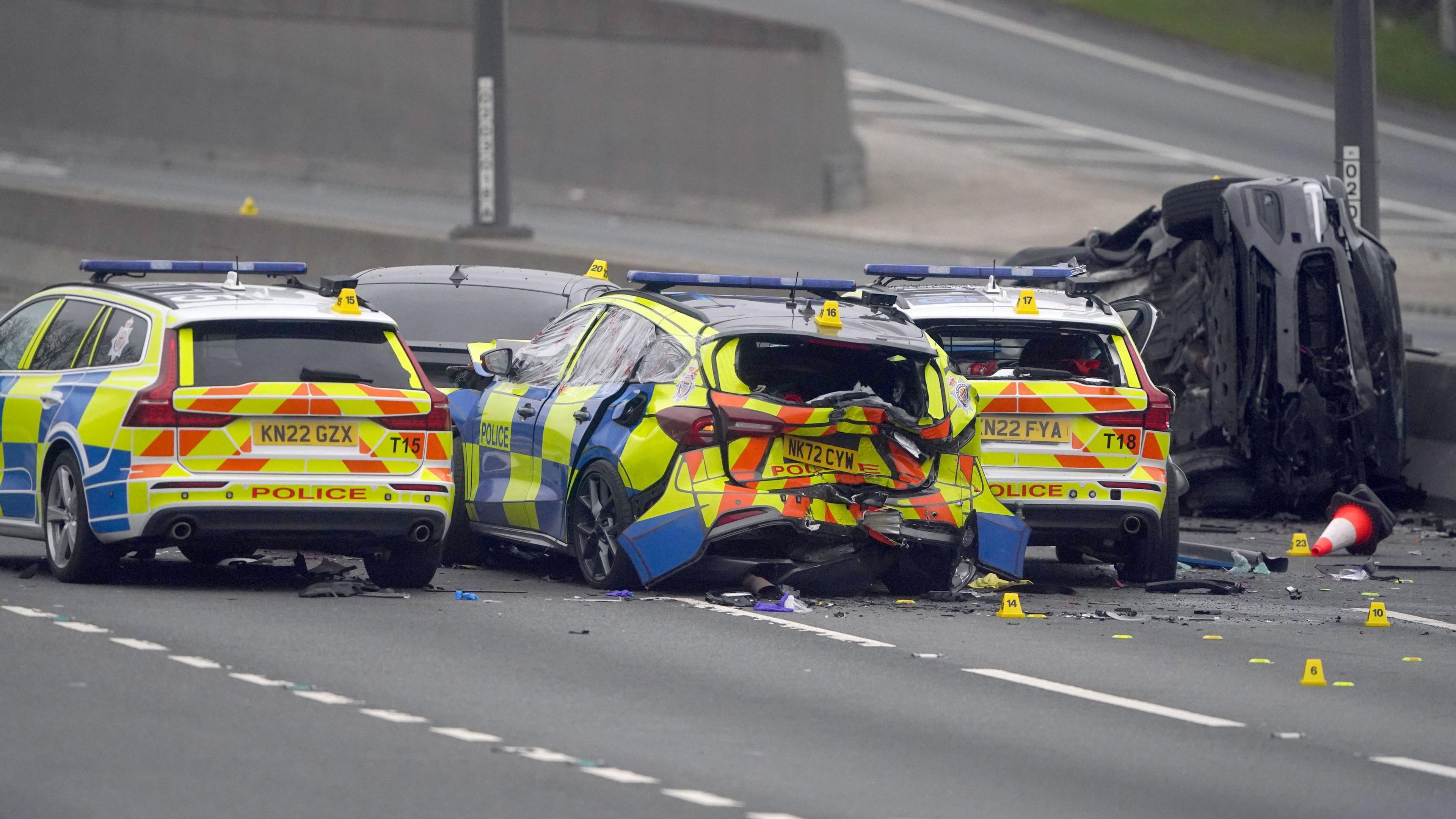
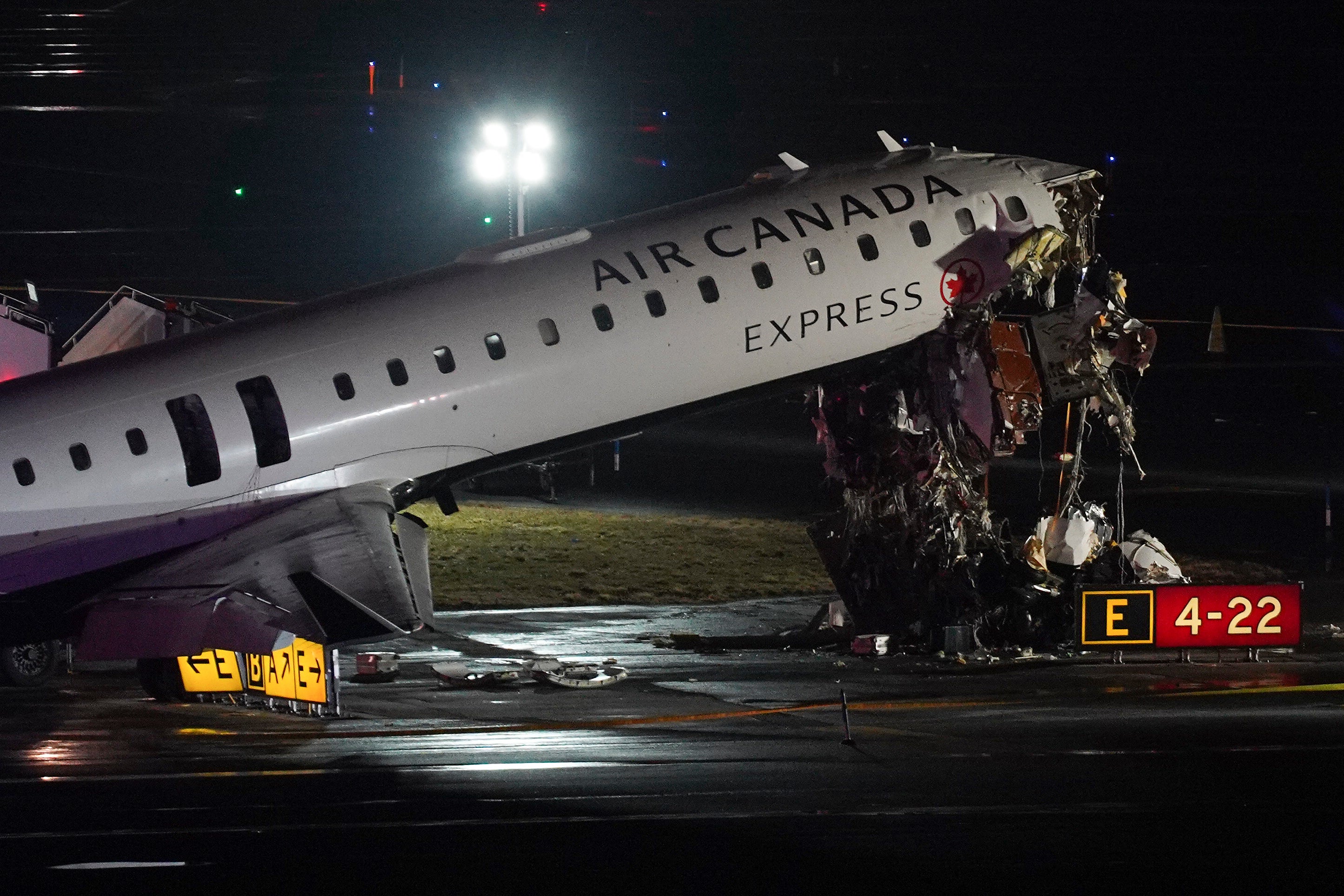
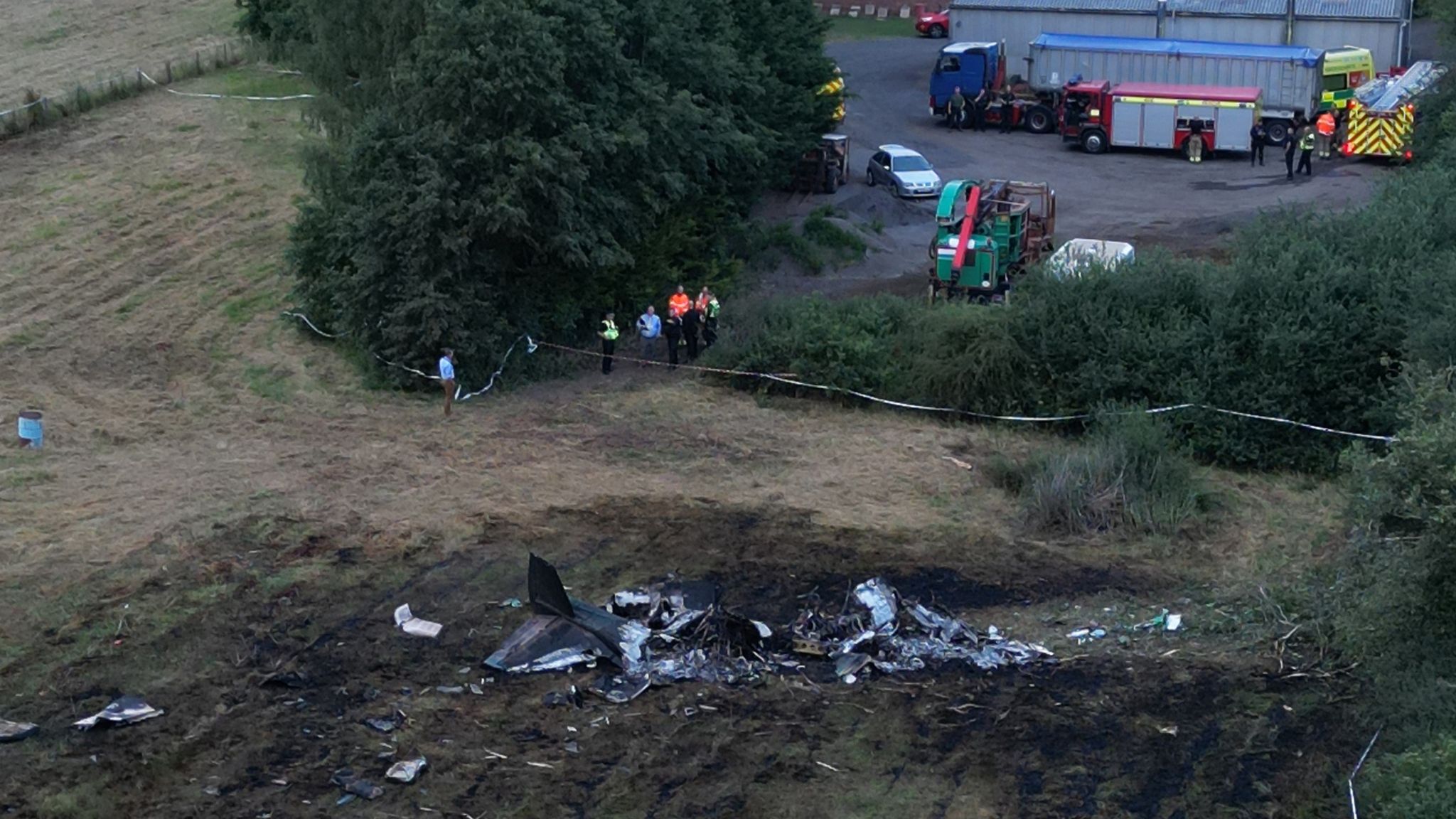
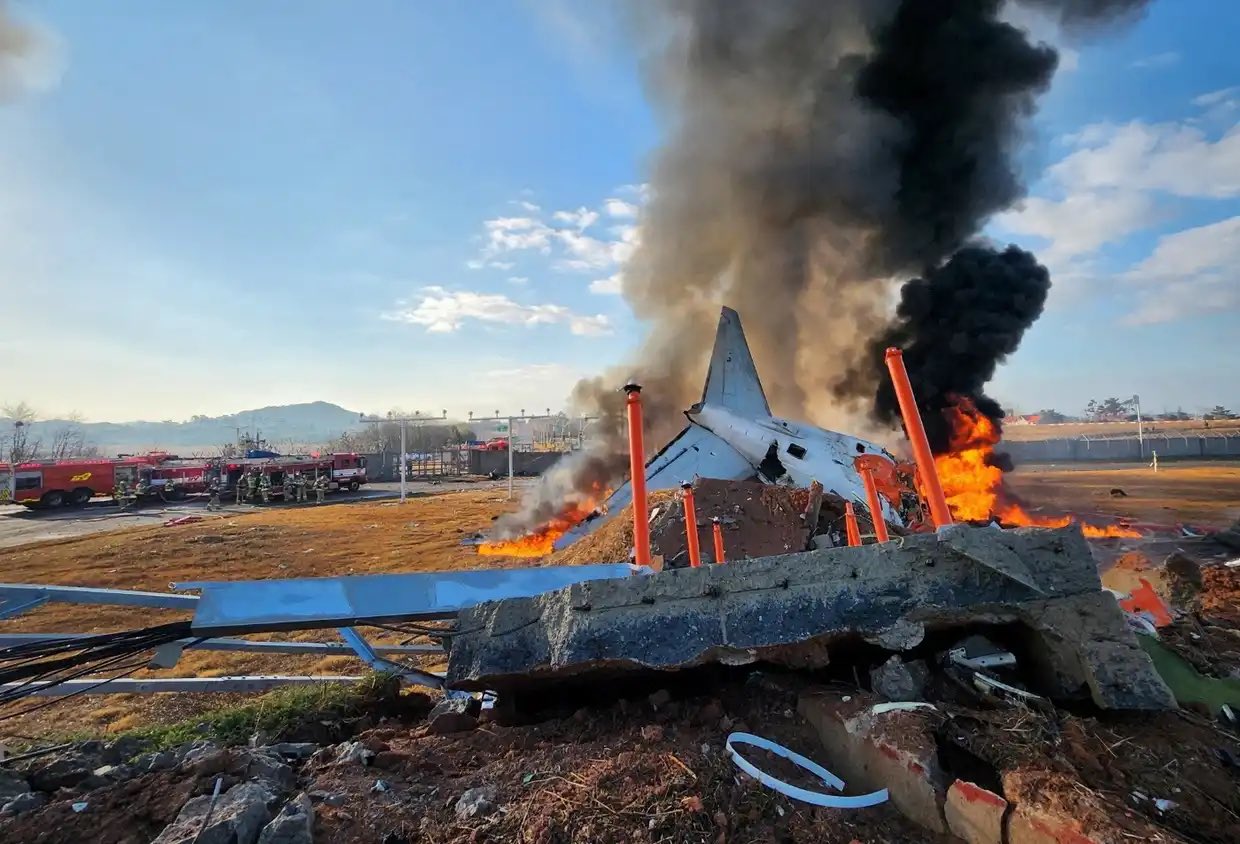
In 2026, the latest updates on UK air crash investigations are primarily disseminated through the Air Accidents Investigation Branch (AAIB). Current news focuses on the final reports of 2024–2025 incidents, emphasizing safety recommendations for electric propulsion and autonomous systems. Stakeholders can access real-time investigation progress through the AAIB’s digital registry and monthly safety bulletins.
The Role and Authority of the Air Accidents Investigation Branch (AAIB)
The Air Accidents Investigation Branch, an independent unit within the Department for Transport (DfT), remains the definitive source for all air crash investigation updates in the United Kingdom. Based in Farnborough, the AAIB is tasked with investigating civil aircraft accidents and serious incidents that occur within UK airspace and overseas territories. As of 2026, the branch’s mandate continues to be the improvement of aviation safety by determining the causes of accidents and making recommendations to prevent recurrence, rather than apportioning blame or liability.
The AAIB’s investigative process is governed by the Civil Aviation (Investigation of Air Accidents and Incidents) Regulations 2018 and the international standards set out in Annex 13 to the Convention on International Civil Aviation. When an aircraft accident occurs, the AAIB is notified immediately through a 24-hour reporting line. Their response is categorized by the severity of the event, ranging from a correspondence-based investigation for minor incidents to a full-scale field investigation involving a multi-disciplinary team of inspectors specializing in operations, engineering, and flight data.
In the current landscape of 2026, the AAIB has expanded its technical capabilities to address the complexities of modern flight. This includes specialized units dedicated to Unmanned Aircraft Systems (UAS) and the emerging sector of Advanced Air Mobility (AAM). News and updates from the branch are not merely reactive; they provide a critical feedback loop for the Civil Aviation Authority (CAA) and aircraft manufacturers to implement immediate safety directives when a systemic flaw is identified during an active investigation.
Understanding the Investigation Pipeline and Publication Tiers
For those tracking air crash news in the UK, it is essential to understand the different stages of an investigation. An update is rarely a single event but rather a series of structured disclosures. The AAIB utilizes a tiered reporting system to ensure that urgent safety information reaches the public and industry stakeholders without waiting for a final report, which can take 12 to 18 months to complete.
Special Bulletins and Preliminary Reports
When an investigation uncovers a critical safety issue that requires immediate action, the AAIB issues a Special Bulletin. In 2026, these are frequently seen in cases involving new battery technologies or software-driven flight control systems. A Special Bulletin contains preliminary facts and may include urgent Safety Recommendations. Following this, a Preliminary Report is usually published within 30 days of the accident, providing the basic facts such as aircraft type, location, and a brief sequence of events without drawing final conclusions.
Monthly Bulletins
The AAIB Monthly Bulletins are a staple for aviation safety news. These collections include shorter reports on "Correspondence Investigations"—cases where inspectors did not travel to the site but gathered evidence remotely. For general aviation pilots and enthusiasts, these bulletins offer invaluable lessons on common errors, such as fuel mismanagement or weather-related decision-making, which remain prevalent even with 2026’s advanced cockpit technology.
Formal Reports
Formal Reports are reserved for the most significant accidents, typically those involving commercial air transport or complex technical failures. These are comprehensive documents that undergo a rigorous "consultation period" where involved parties (such as manufacturers and operators) can comment on the findings before they are finalized. In 2026, these reports are increasingly interactive, featuring 3D flight path reconstructions and links to digital telemetry data.
Recent Trends in UK Aviation Safety Investigations
As we move through 2026, the focus of UK air crash investigations has shifted in response to the changing composition of the British fleet. While traditional turbine and piston engines still dominate commercial and private sectors, the investigative focus has moved toward integrated flight systems and sustainable fuels.
One of the most significant areas of investigation news involves the integration of electric Vertical Take-Off and Landing (eVTOL) aircraft into urban environments. The UK has seen several "serious incidents" involving autonomous sensor failures and battery thermal management. The AAIB’s 2026 updates have highlighted the need for standardized crash-protected containers for flight data in these smaller, lighter craft, which were previously not required to carry traditional "black boxes."
Furthermore, investigations into General Aviation (GA) accidents in 2026 continue to highlight the transition from analogue to digital cockpits. The "human-machine interface" is a recurring theme in recent reports, where pilots have misinterpreted automated warnings or become over-reliant on synthetic vision systems during poor visibility. These findings have led to new training mandates from the CAA, emphasizing manual handling skills and "upset prevention and recovery training" (UPRT).
How to Access Official Investigation Updates and News
For journalists, legal professionals, and the public, accessing accurate information is vital to prevent the spread of misinformation following a crash. The primary portal for all updates is the official AAIB website hosted on the GOV.UK platform.
- AAIB Reporting Tool: The website features a searchable database where users can filter by aircraft type, date, and location.
- Email Alerts: Stakeholders can subscribe to receive immediate notifications when a new report or bulletin is published.
- Safety Recommendations Database: This specific tool allows users to track the status of recommendations—whether they have been "Accepted," "Rejected," or are "Planned for Action" by the recipient (e.g., the CAA or Boeing).
- Social Media and Press Notices: For major events, the AAIB issues press notices via their official channels to provide logistical updates, such as the recovery of flight recorders or the conclusion of on-site activities.
It is important to distinguish between "breaking news" from media outlets and "investigative updates" from the AAIB. Media reports often rely on eyewitness accounts and speculative expert commentary, whereas AAIB updates are based on verified evidence from flight recorders, radar data, and forensic wreckage analysis.
Comparison of Investigation Categories and Reporting Timelines
The following table outlines how different types of air occurrences are handled and when the public can expect updates in 2026.
| Investigation Type | Trigger Criteria | Initial Update Timeline | Final Report Goal | Primary Outcome |
|---|---|---|---|---|
| Field Investigation | Fatal accidents or major commercial hull losses. | 24–72 hours (Press Notice) | 12–18 Months | Detailed safety recommendations and systemic analysis. |
| Correspondence | Minor damage or incidents with limited safety lessons. | Included in next Monthly Bulletin. | 3–6 Months | Concise summary of facts and local safety actions. |
| Special Bulletin | Discovery of an urgent, fleet-wide safety risk. | Immediate (within days of discovery). | N/A (Precedes Final) | Urgent safety directives to grounded fleets or operators. |
| Serious Incident | An event where an accident was narrowly avoided. | 30 days (Preliminary) | 9–12 Months | Preventative analysis of "near-miss" scenarios. |
Technological Advancements in 2026 Accident Reconstruction
The speed and accuracy of UK air crash updates have improved significantly by 2026 due to the adoption of new forensic technologies. The "Investigation News" of today often features high-resolution drone mapping of crash sites, which allows the AAIB to preserve the scene digitally within hours of an event. This "digital twin" of the wreckage allows investigators to analyze the distribution of debris long after the physical site has been cleared and the land returned to public use.
Artificial Intelligence (AI) is now used to sift through thousands of hours of Flight Data Recorder (FDR) information to identify "exceedances"—moments where the aircraft operated outside its designed parameters—that might have gone unnoticed in previous decades. This has been particularly useful in investigating "Loss of Control In-flight" (LOC-I) accidents, where the sequence of events happens too quickly for human perception.
Additionally, the UK has seen the widespread implementation of "Global Aeronautical Distress and Safety System" (GADSS) requirements. This means that for commercial aircraft, tracking data is transmitted every minute (or more frequently in distress), providing investigators with a highly accurate last-known position and reducing the time spent on search and recovery operations.
FAQ: UK Air Crash Investigations
How long does a typical air crash investigation take in the UK?
A full field investigation by the AAIB generally takes between 12 and 18 months to reach a final report. While preliminary facts are released within the first month, the depth of technical analysis, laboratory testing of components, and the mandatory consultation period with manufacturers and operators necessitate a lengthy timeline to ensure absolute accuracy.
Can the AAIB prosecute pilots or airlines after a crash?
No, the AAIB does not have the power to prosecute or assign blame. Its sole objective is the prevention of future accidents. If evidence of criminal activity (such as sabotage or gross negligence) is found, a separate investigation is conducted by the police and the Crown Prosecution Service (CPS). The AAIB report is focused on safety, though it may be used as evidence in civil or criminal proceedings.
Where can I find news about small private plane crashes?
Updates on General Aviation (private planes, gliders, and light aircraft) are usually published in the AAIB Monthly Bulletins. These reports are often shorter than commercial investigations and are released as "Correspondence Investigations." You can find them by searching the AAIB database under the specific aircraft registration (e.g., G-XXXX).
What is a "Serious Incident" in aviation terms?
A "Serious Incident" is defined as an occurrence where an accident nearly took place. Examples include near-midair collisions, runway incursions where aircraft were on a collision course, or total engine failure that resulted in a successful emergency landing. The AAIB investigates these with the same rigor as actual crashes because they offer vital clues on how to prevent a future disaster.
Are drone crashes in the UK investigated by the AAIB?
Yes, the AAIB investigates drone (UAS) accidents, particularly those involving large commercial drones or incidents that pose a significant risk to manned aviation or the public. With the increase in drone delivery services in 2026, these reports are becoming a more frequent part of the AAIB’s published updates.
Next Actions for Following Safety Developments
To stay informed on the most recent aviation safety developments in the UK throughout 2026, individuals should move beyond headline news and engage with primary sources.
- Monitor the AAIB "Recent Updates" Page: This is the most direct way to see what has been published in the last 24 to 48 hours.
- Review Safety Recommendations: For those in the industry, checking the "Safety Recommendations" section of the AAIB website is crucial for understanding what changes are being demanded of manufacturers like Airbus, Boeing, or propulsion startups.
- Consult the CAA’s SKYbrary: For a broader understanding of the technical terms used in investigation reports, the Civil Aviation Authority’s SKYbrary provides an extensive wiki-style database that explains the "Why" and "How" behind many aviation safety concepts mentioned in latest news.
- Follow the Royal Aeronautical Society: For expert analysis of AAIB reports, the Royal Aeronautical Society often hosts lectures and publishes articles that provide context to the technical findings released by the government.