Air conditioning is the process of removing heat and moisture from an enclosed space to improve the comfort of occupants. By utilizing a refrigeration cycle, the system extracts indoor thermal energy and transfers it outdoors, simultaneously filtering air and regulating humidity levels to maintain a consistent, controlled indoor climate.
The Physics of the Refrigeration Cycle
At its core, modern air conditioning operates on the principles of thermodynamics, specifically the vapor-compression refrigeration cycle. The process relies on a chemical refrigerant that transitions between liquid and gaseous states as it absorbs and releases heat.
The cycle begins at the evaporator coil located inside the building. As warm indoor air is blown across these cold coils, the refrigerant inside absorbs the heat, causing it to evaporate from a liquid into a low-pressure gas. This heat absorption effectively cools the air, which is then circulated back into the living or working space.
Once the refrigerant has turned into a gas, it travels to the compressor, typically housed in an outdoor unit. The compressor increases the pressure and temperature of the gas, preparing it for the next phase. The hot, high-pressure gas then moves through the condenser coils. As outdoor air is blown over these coils, the heat is expelled into the external environment, and the refrigerant condenses back into a high-pressure liquid. Finally, an expansion valve regulates the flow, reducing the pressure of the liquid refrigerant before it returns to the evaporator to begin the cycle anew.
Primary System Categories
Selecting the appropriate air conditioning configuration depends on building architecture, climate requirements, and cooling load. Distinguishing between these systems is essential for both initial installation and long-term energy efficiency.
Central Air Conditioning
Central air systems use a split-system design. A large outdoor unit contains the condenser and compressor, while an indoor air handling unit contains the evaporator coil and a blower fan. Cooled air is distributed through a network of metal or flexible ductwork integrated into the structure of the building. These systems are highly efficient for cooling entire homes or large commercial floors but rely heavily on the integrity and cleanliness of the ducts.
Ductless Mini-Split Systems
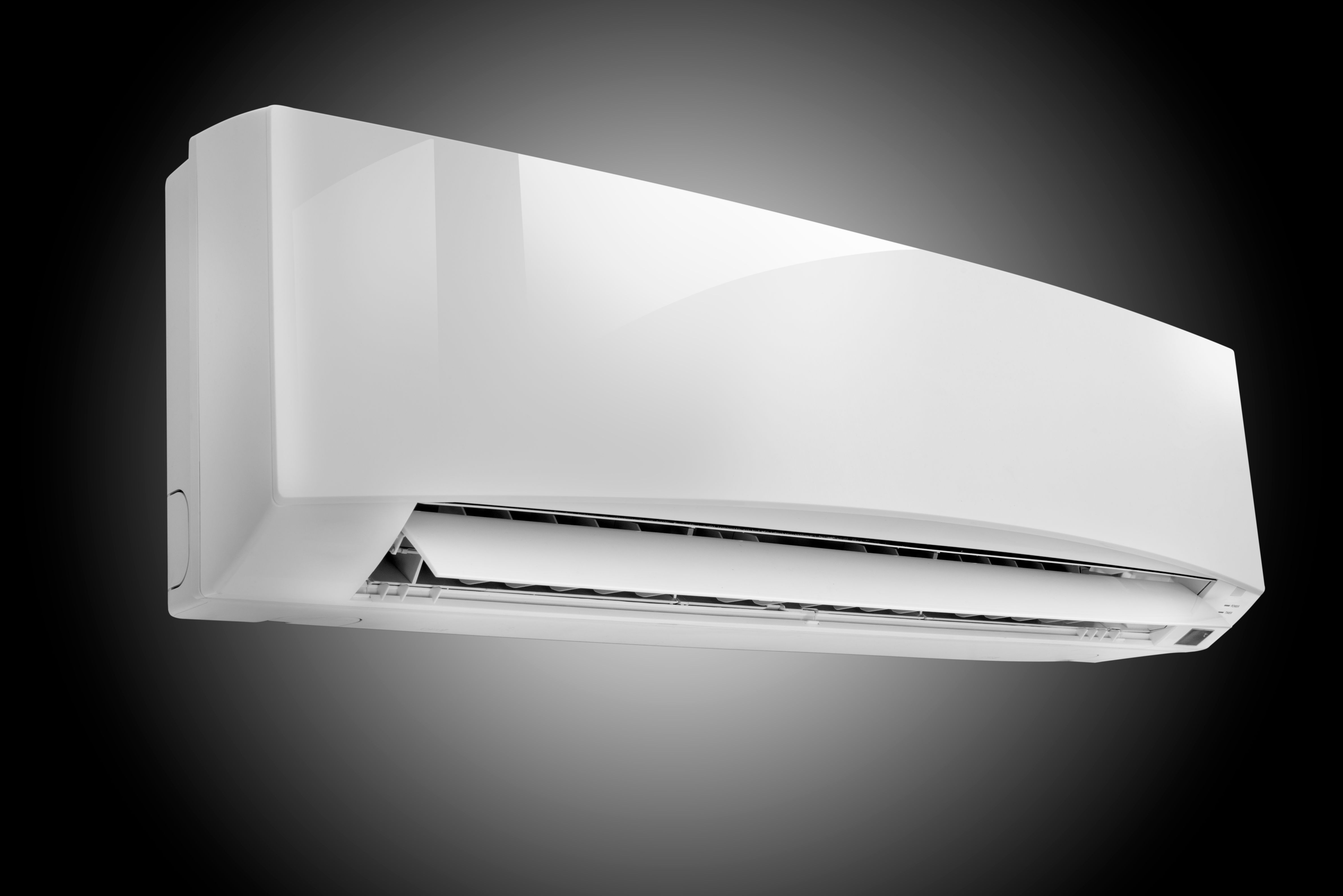
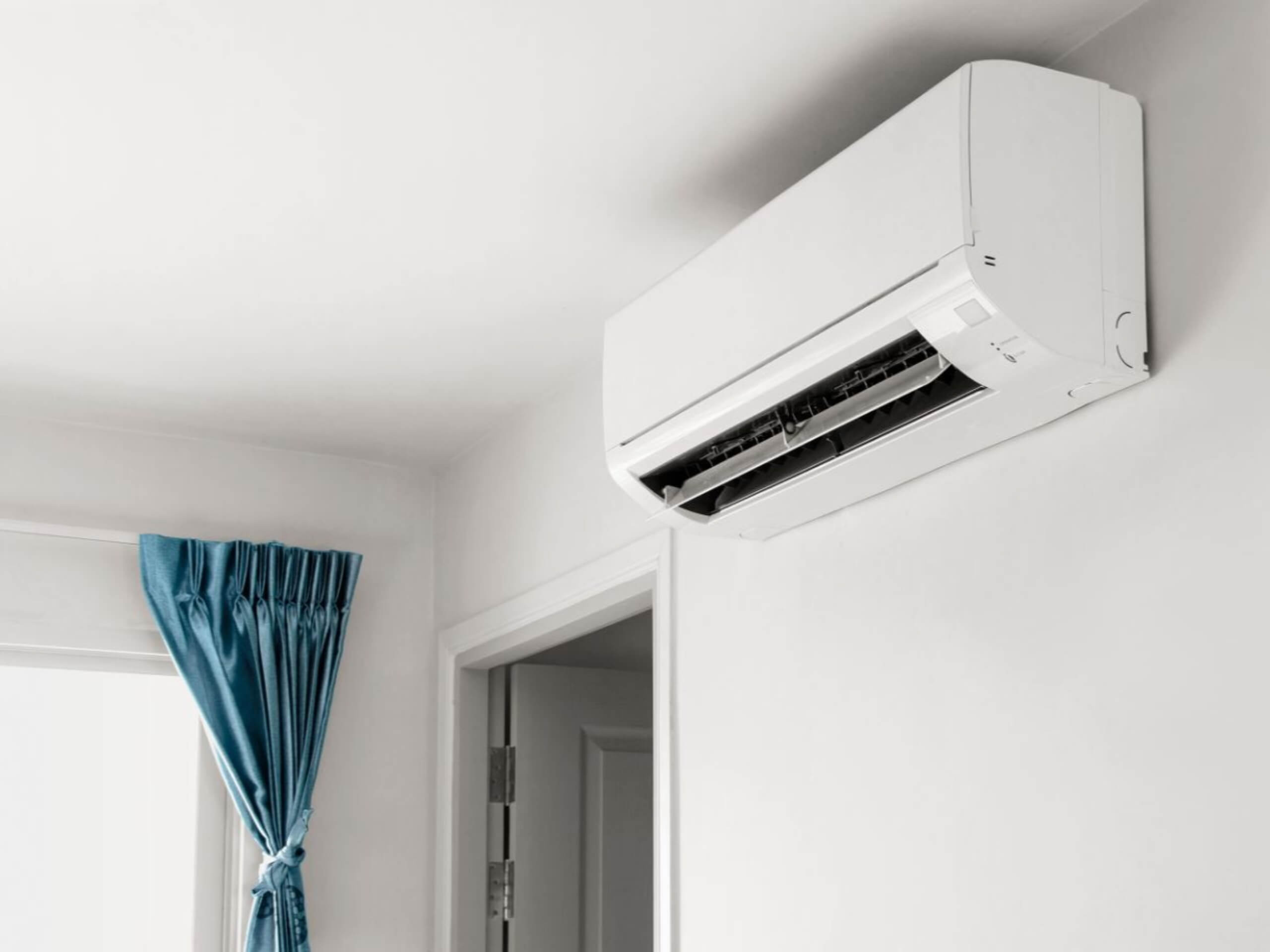
Ductless systems are ideal for properties where installing ductwork is impractical or impossible. These units consist of an outdoor compressor connected to one or more indoor air-handling units mounted on walls or ceilings. Because they lack ducts, they eliminate the energy losses associated with leaky or poorly insulated central distribution systems, allowing for precise zone-based temperature control.
Portable and Window Units
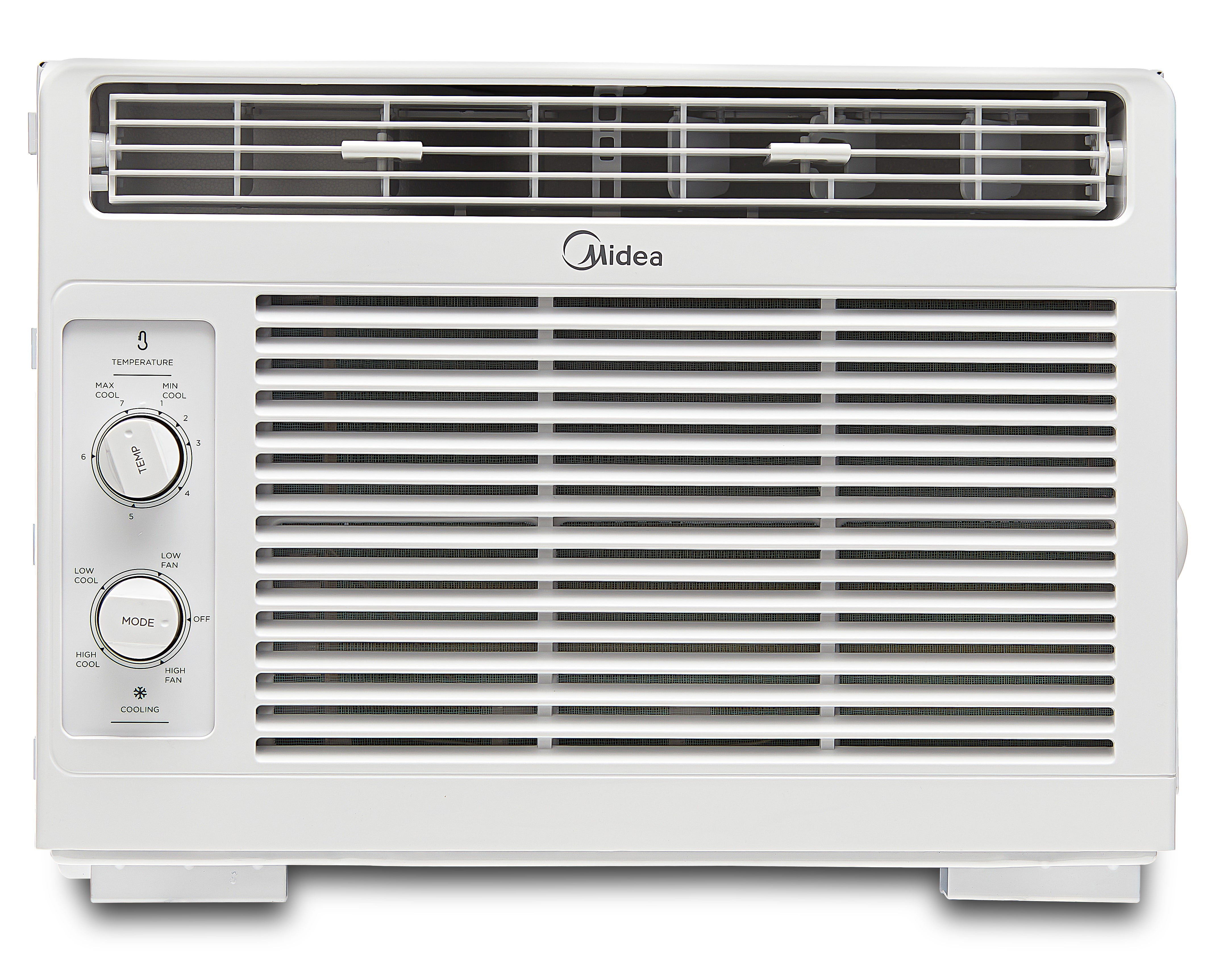
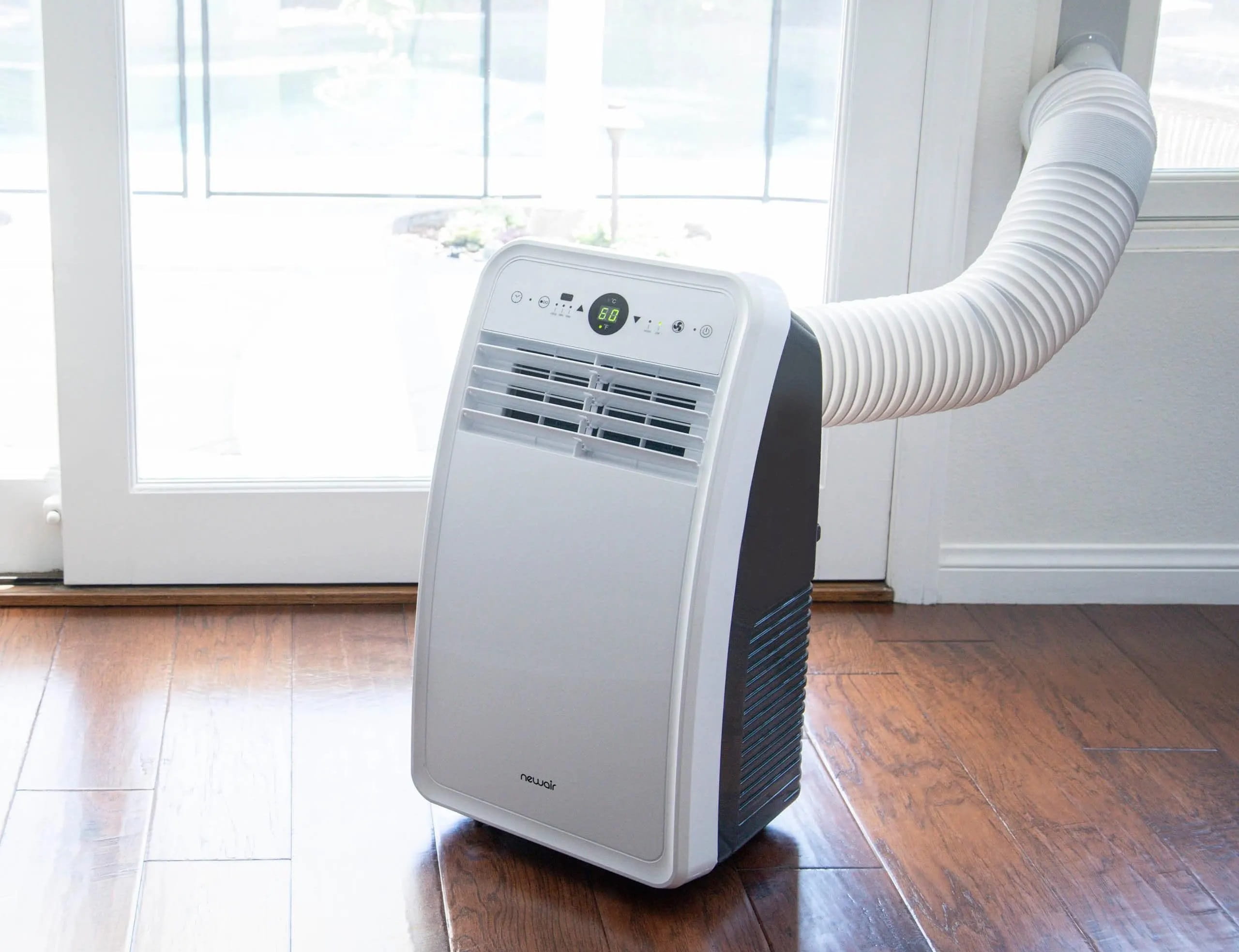
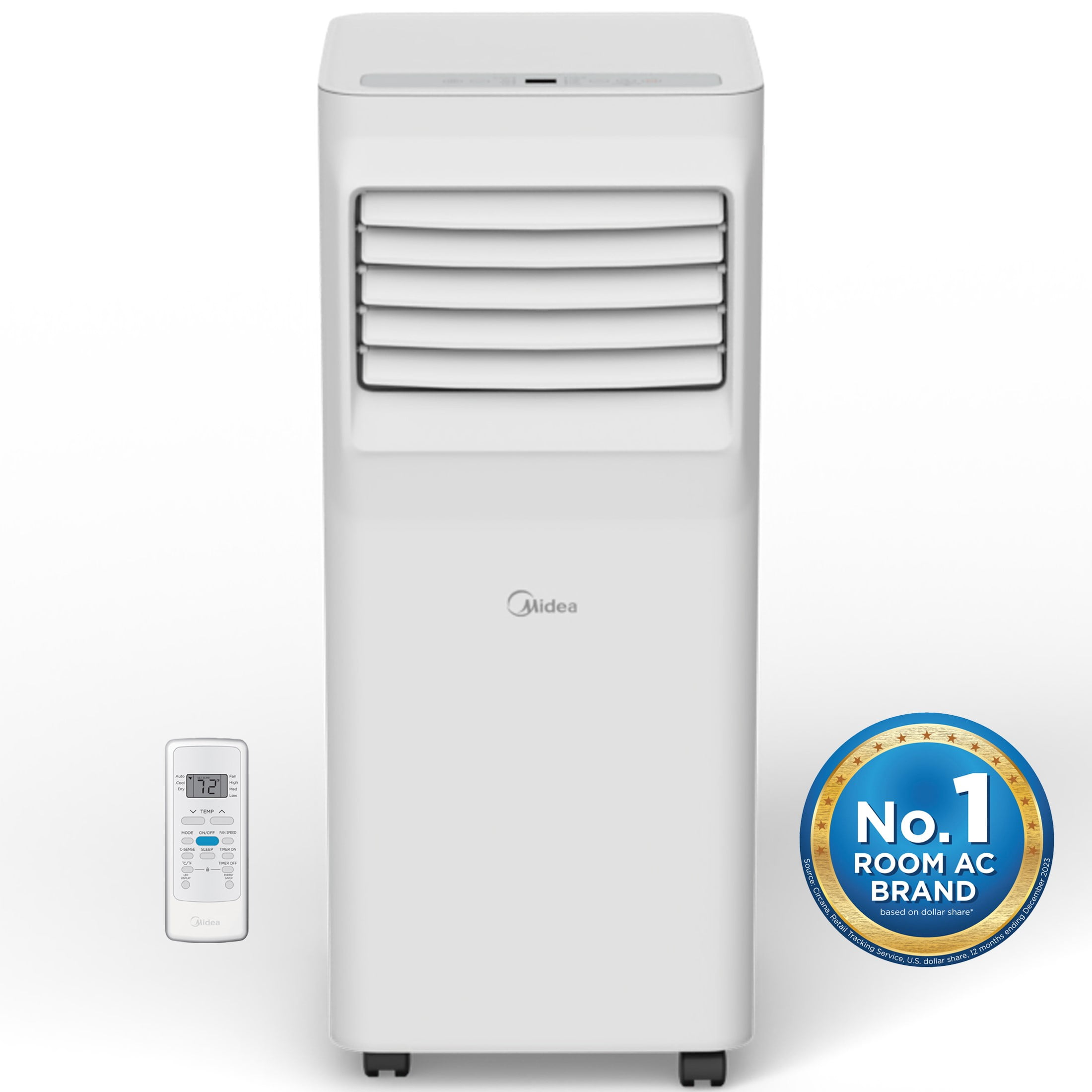
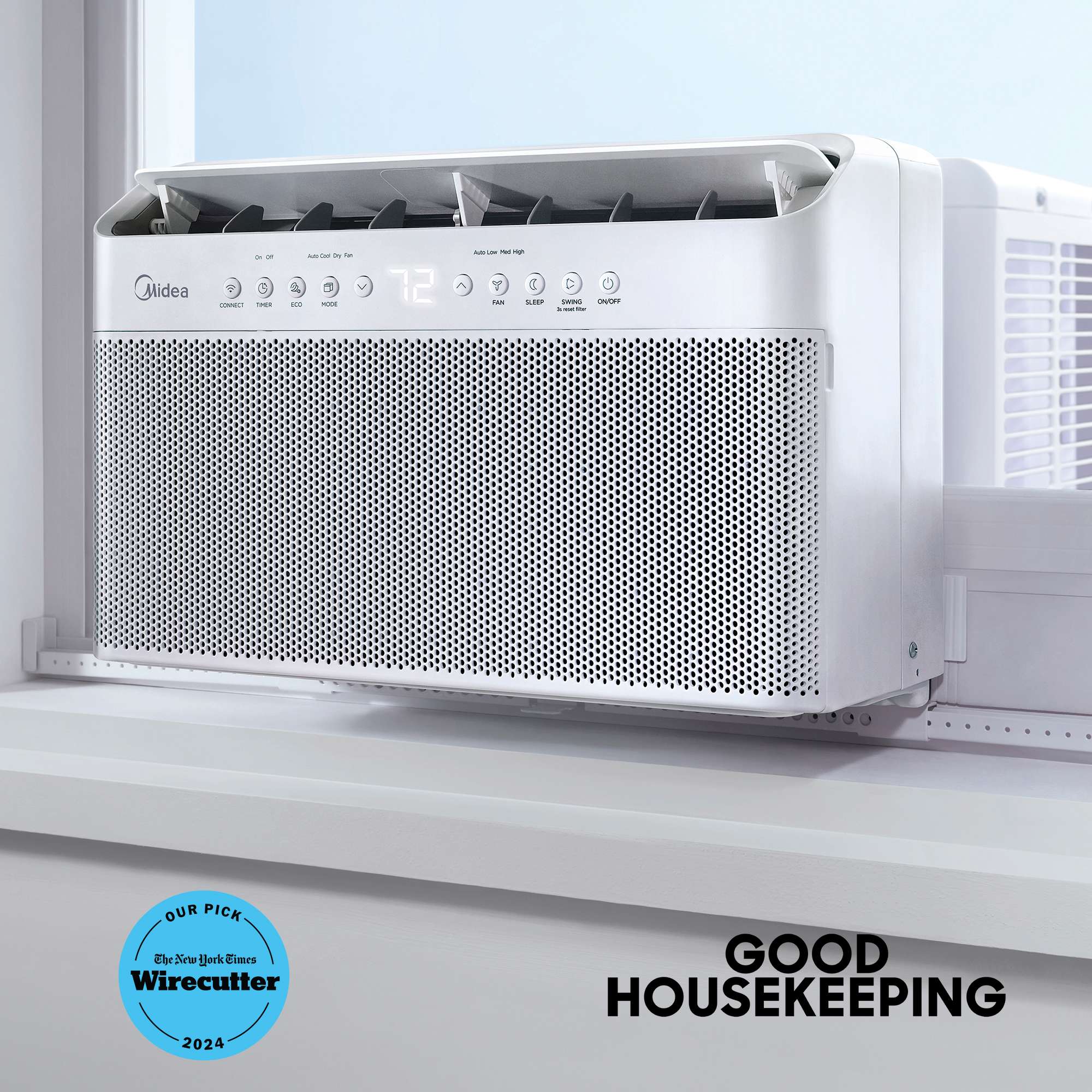
These are localized, single-room solutions. Window units are self-contained boxes that house all components—evaporator, compressor, and condenser—in a single chassis mounted in an opening. Portable units sit on the floor and exhaust heat through a flexible hose vented out of a window. While convenient for temporary cooling, they are generally less energy-efficient than permanent split systems.
Comparative Overview of System Types
The following table outlines the functional differences between the most common air conditioning architectures to assist in evaluating suitability for various environments.
| System Type | Best Application | Installation Complexity | Energy Efficiency |
|---|---|---|---|
| Central Split | Whole-home cooling | High (requires ducts) | High |
| Ductless Mini-Split | Room additions/zones | Moderate | Very High |
| Window Unit | Single-room cooling | Low | Moderate |
| Portable Unit | Temporary/Rental usage | Minimal | Low |
Maintenance Requirements for Longevity
To ensure the system functions correctly throughout the 2026 cooling season, regular maintenance is required. Neglected systems suffer from reduced heat exchange, increased electrical consumption, and potential compressor failure.
The most critical task is the regular replacement or cleaning of air filters. A clogged filter restricts airflow, forcing the blower motor to work harder and reducing the system’s ability to remove humidity. In residential settings, filters should be inspected at least once every 90 days. Furthermore, the evaporator and condenser coils must remain free of dust, debris, and vegetative growth. If the condenser coils are blocked, the system cannot effectively release heat, leading to internal pressure spikes that can damage the compressor.
Beyond user-level maintenance, professional inspections are recommended annually. Technicians should verify refrigerant levels, check electrical connections, examine the condensate drain line for blockages, and ensure the blower assembly is balanced. A clogged condensate line is a frequent cause of indoor water damage, as the moisture extracted from the air fails to exit the system properly and instead overflows into the building structure.
Energy Efficiency and Standards
The efficiency of air conditioning units is measured primarily through the Seasonal Energy Efficiency Ratio (SEER2). This metric represents the total cooling output provided during a typical cooling season divided by the total electric energy input consumed. A higher SEER2 rating indicates a more efficient system, which translates to lower operational costs over the unit's lifespan.
When evaluating a new installation, prioritize equipment that meets current regulatory standards. Beyond the rating, ensure the system is properly sized. An oversized unit will cool a space too quickly, leading to frequent cycling—turning on and off repeatedly. This not only causes excessive wear on mechanical components but also prevents the system from properly dehumidifying the air, resulting in a cold yet "clammy" indoor environment.
Troubleshooting Common Issues
When an air conditioner fails to perform, several common issues can be diagnosed before calling a professional technician.
- Inadequate Cooling: Check for blocked vents, dirty air filters, or a thermostat setting that is higher than the current ambient temperature. Ensure the outdoor unit is not obstructed by landscaping.
- System Refuses to Start: Confirm that the circuit breaker has not tripped. If the unit is silent, the thermostat may require a battery change or be incorrectly configured.
- Water Leaking Indoors: This typically points to a blocked condensate drain line. Algae or dust accumulation can create a clog, causing water to back up into the drain pan.
- Unusual Noises: Rattling or grinding sounds often indicate loose components, debris caught in the fan, or an aging motor bearing. These should be addressed immediately to prevent secondary damage.
Frequently Asked Questions
How often should I replace my air conditioner?
Most high-quality central air conditioning systems have a service life of 12 to 15 years. While they may continue to operate beyond this point, declining energy efficiency and the increased frequency of repairs often make replacement the more cost-effective choice compared to maintaining an aging, inefficient unit.
Why is my air conditioner freezing up?
Ice formation on the evaporator coils is typically caused by restricted airflow, such as a dirty filter, or a low level of refrigerant. When the refrigerant cannot absorb enough heat because of poor airflow or low charge, the coil temperature drops below freezing, causing condensation to turn into ice. You should turn off the cooling immediately to allow the ice to thaw and check the air filter.
Does turning the thermostat down lower reach the target temperature faster?
No. An air conditioner operates at a set capacity regardless of the temperature selected on the thermostat. Setting the thermostat to an extremely low temperature will not cool the room more quickly; it will only cause the system to run longer, potentially leading to overcooling and increased electricity bills.
What is the ideal humidity level for an indoor environment?
The optimal indoor relative humidity is generally between 30% and 50%. This range provides the most comfort for humans and prevents the growth of mold or dust mites, which thrive in environments where humidity levels consistently exceed 60%.
Can I clean the condenser coils myself?
Yes, you can gently rinse the outdoor condenser coils with a garden hose using low pressure, provided the power to the unit is turned off at the disconnect box. Avoid using high-pressure sprayers or harsh chemicals, which can bend the delicate aluminum fins and damage the unit’s heat-exchange capability.
Next Actions for System Optimization
To maximize the performance of your cooling infrastructure in 2026, begin by conducting a visual audit of your current system. Ensure all supply and return vents are unobstructed by furniture or window treatments. If your unit is more than a decade old, consult with a licensed HVAC contractor to perform an energy audit; they can calculate whether a modern, high-efficiency upgrade would yield a return on investment through reduced energy bills. For immediate comfort, prioritize the replacement of air filters and schedule a professional coil cleaning before the peak of the heat season to ensure optimal heat exchange and system longevity.