An air conditioner is a mechanical system designed to remove heat and moisture from an interior space, utilizing a refrigeration cycle to transfer thermal energy from an indoor environment to the outdoors. Choosing the right unit requires balancing cooling capacity, measured in British Thermal Units (BTUs), with the square footage, insulation quality, and local climate conditions of your property.
The Fundamentals of Air Conditioning Technology
Modern air conditioning operates on the principle of the vapor-compression refrigeration cycle. The system circulates a refrigerant—a chemical compound with a low boiling point—between an indoor evaporator coil and an outdoor condenser coil. Inside the home, the refrigerant absorbs heat from the air as it evaporates from a liquid to a gas. This warmed gas is then pumped to the outdoor unit, where a compressor increases its pressure and temperature, allowing it to release the absorbed heat into the outside air. Once the heat is shed, the refrigerant cools back into a liquid state and returns indoors to repeat the cycle.
Beyond simple temperature regulation, air conditioners act as dehumidifiers. As warm air passes over the cold evaporator coil, water vapor condenses into liquid water, which is collected in a pan and drained away via a condensate line. This process is essential for maintaining comfort, as high relative humidity can make a room feel significantly warmer than the ambient air temperature suggests.
Types of Air Conditioning Systems
Selecting the correct configuration depends heavily on the structure of your building and your specific cooling requirements. Understanding the distinctions between these systems is the first step toward achieving energy efficiency.
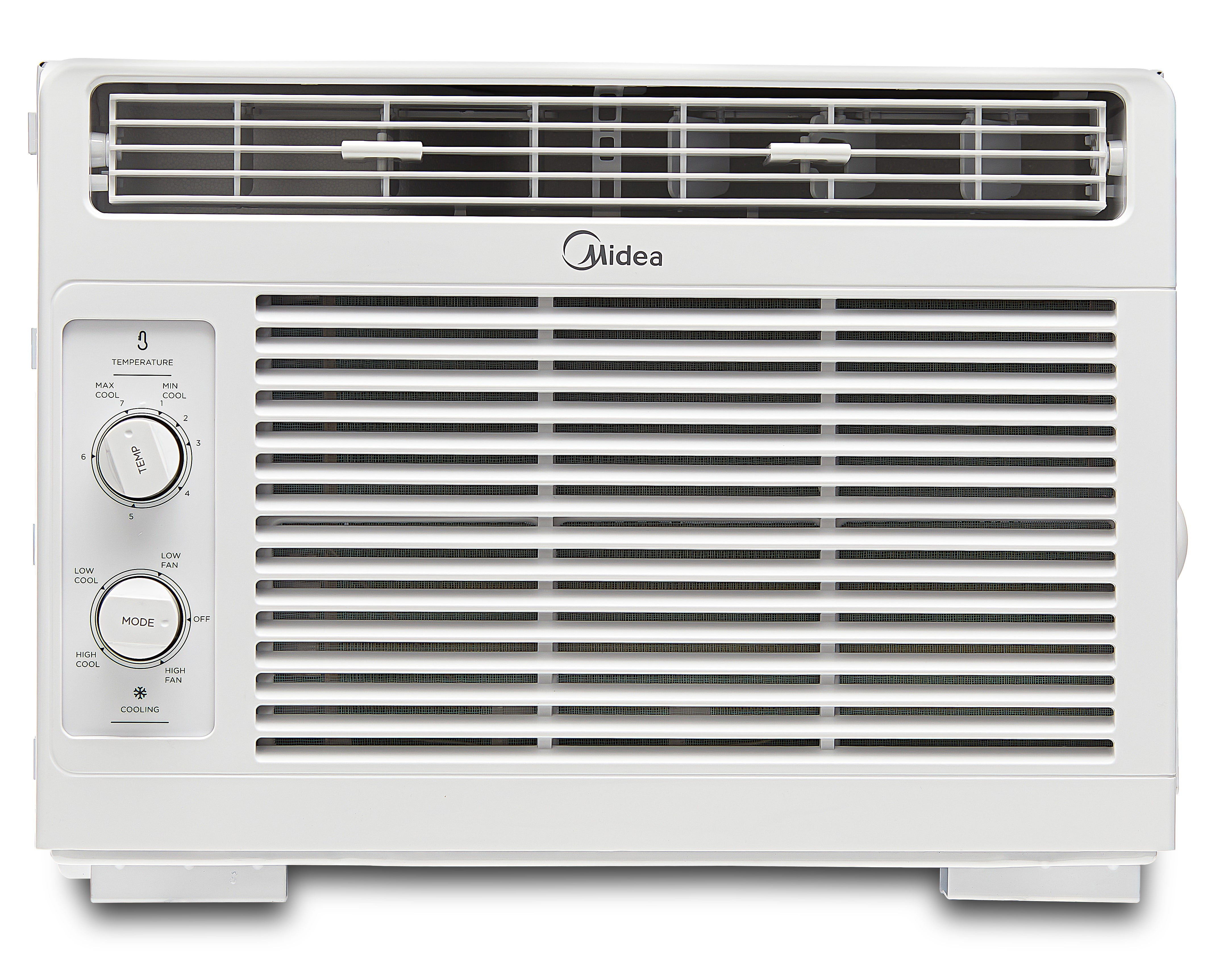
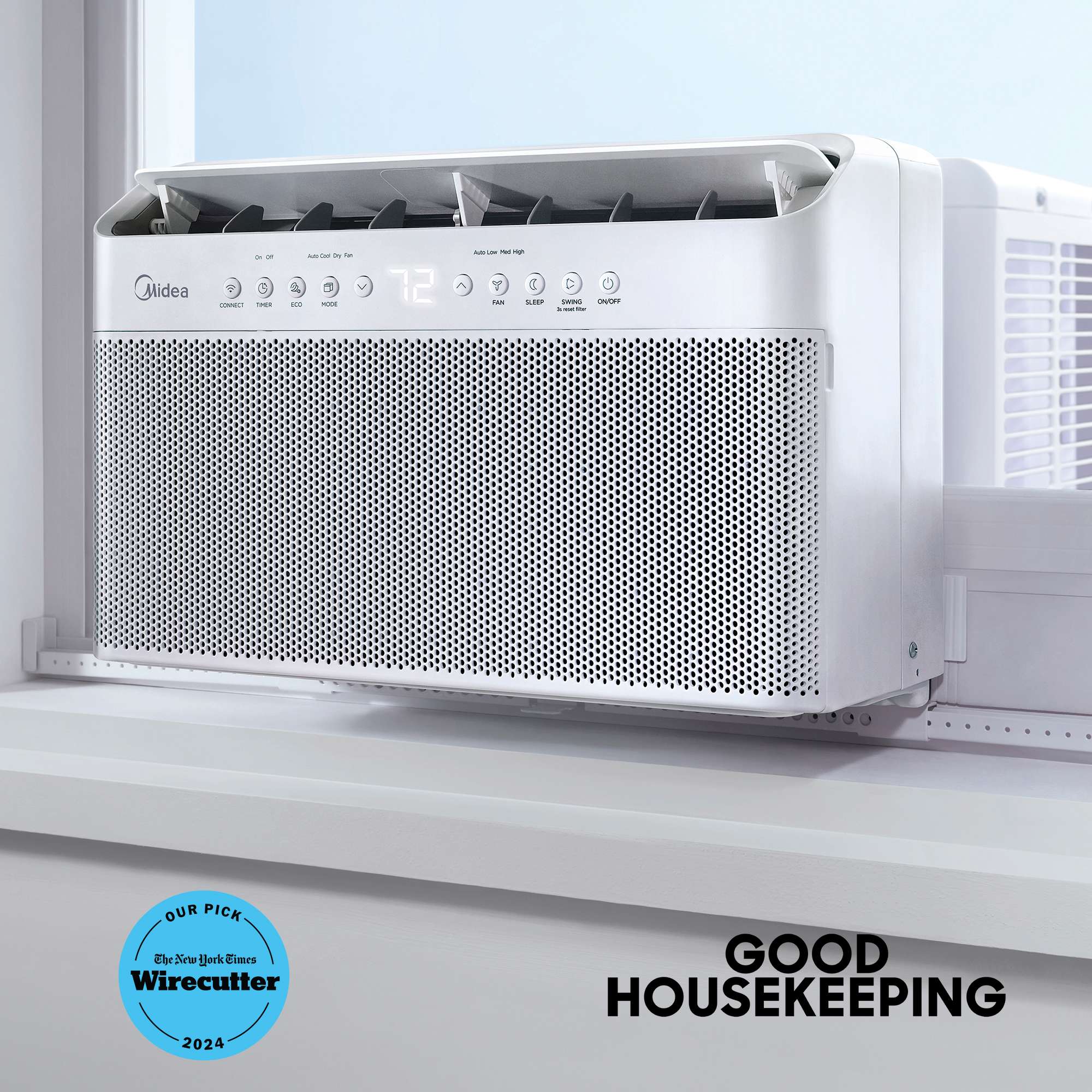
- Window Units: Designed to be mounted in a window frame or a hole in an exterior wall. These are self-contained systems where all components reside in a single chassis. They are ideal for cooling individual rooms but are generally noisier and less efficient than central systems.
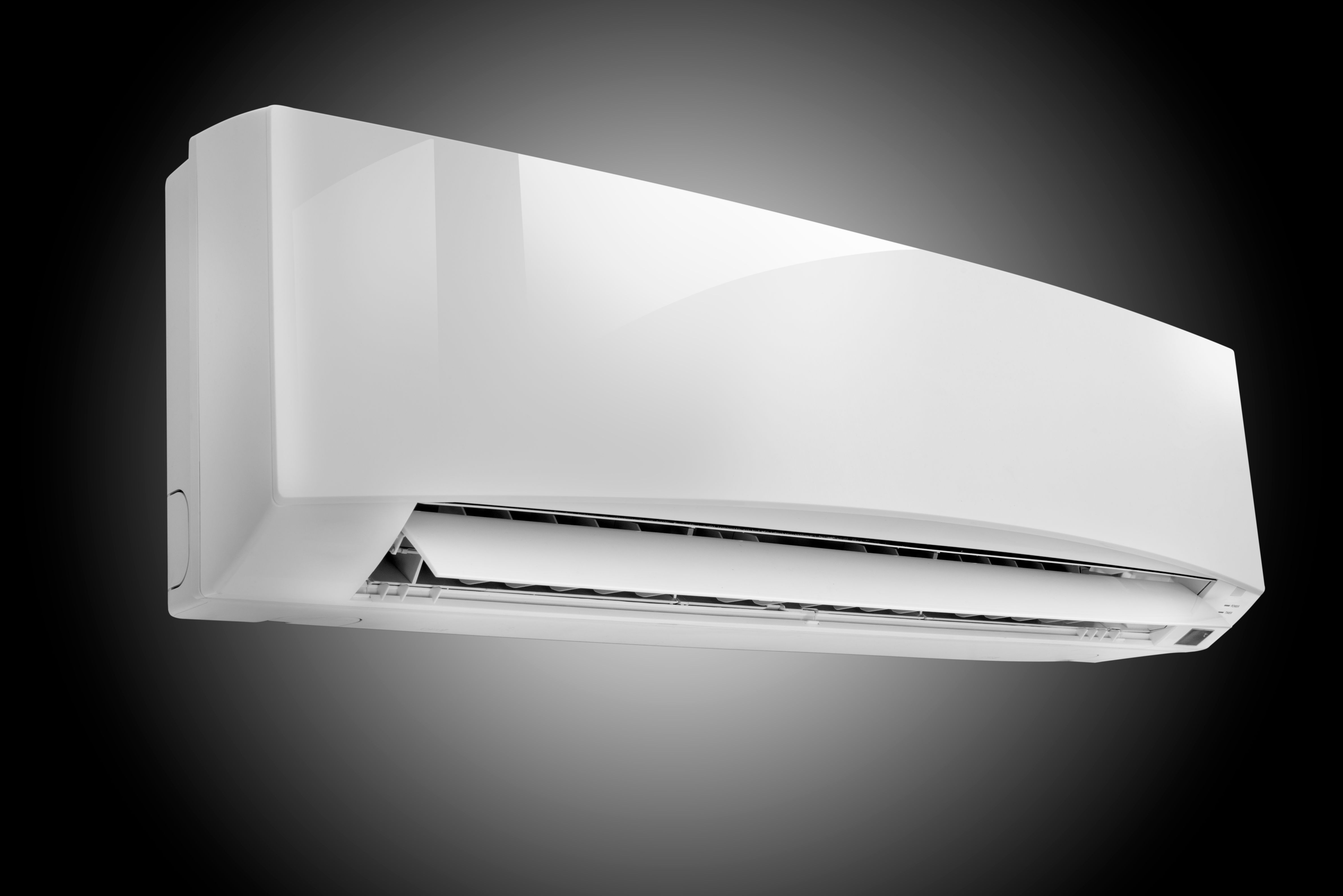
- Split-System (Ductless) Units: These systems consist of an outdoor compressor unit connected to one or more indoor air-handling units via refrigerant lines. Because they do not require ductwork, they are excellent for retrofitting older homes or adding cooling to specific zones without extensive renovations.
- Central Air Conditioning: This system uses a central unit to cool air, which is then distributed through a network of ducts and vents throughout the building. It is the most common solution for whole-house cooling, providing a uniform temperature but requiring professional installation and regular maintenance of the ductwork.
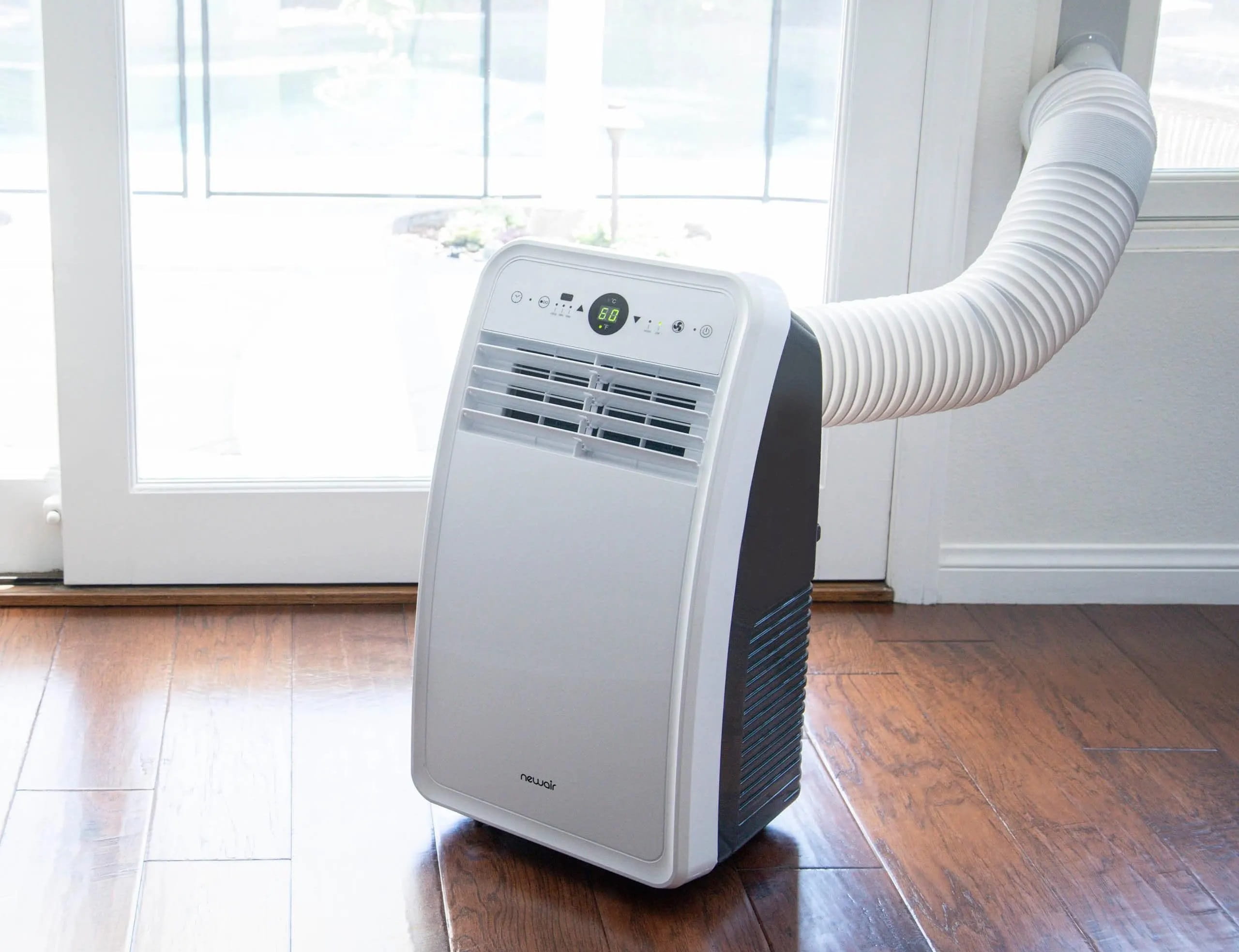
- Portable Units: These are mobile, floor-standing units that vent hot air through a flexible hose placed in a window. While convenient for temporary cooling, they are typically less efficient than window or split systems because they pull conditioned air from the room to cool their own internal components.
Evaluating Cooling Capacity and Efficiency
A common mistake in purchasing an air conditioner is selecting a unit based solely on price or brand recognition without considering its cooling capacity. Capacity is measured in British Thermal Units (BTUs) per hour. A unit that is too small will run constantly without ever reaching the desired temperature, driving up electricity costs and causing premature wear. Conversely, a unit that is too large will cycle on and off too frequently; this "short cycling" fails to remove humidity effectively, leaving the room feeling damp and clammy even if the air is technically cool.
Energy efficiency is measured by the Seasonal Energy Efficiency Ratio (SEER2) in North America, or similar regional metrics elsewhere. A higher SEER2 rating indicates a more efficient system that provides the same level of cooling while consuming less electricity. In 2026, many jurisdictions mandate minimum efficiency standards for new installations to reduce the strain on electrical grids and lower operating costs for consumers.
Comparison of Cooling System Characteristics
| Feature | Window Unit | Split-System (Ductless) | Central Air |
|---|---|---|---|
| Installation | DIY/Simple | Professional | Professional |
| Ductwork | None | None | Required |
| Efficiency | Moderate | High | Moderate to High |
| Zoning | Limited to one room | Individual room control | Whole-house |
| Noise Level | High | Low | Very Low (Indoors) |
Essential Maintenance and Troubleshooting
To ensure the longevity of your investment, a consistent maintenance schedule is non-negotiable. The most critical task is the regular cleaning or replacement of air filters. A clogged filter restricts airflow, which forces the blower motor to work harder, increases energy consumption, and can lead to the evaporator coil freezing over due to lack of heat exchange.
If you encounter performance issues, begin your diagnosis with the following steps:
- Check the thermostat settings: Ensure the device is set to "Cool" and the temperature is lower than the current room temperature.
- Inspect the air filter: A dirty filter is the most common cause of poor cooling performance.
- Clear the area around the outdoor unit: Ensure that leaves, grass clippings, and debris are not blocking the condenser coils, which require unobstructed airflow to release heat.
- Check for power supply issues: Verify that the circuit breaker has not tripped and that the unit is receiving power.
- Listen for unusual sounds: Humming, rattling, or grinding noises often indicate mechanical issues with the fan motor or compressor that require professional inspection.
If the unit continues to malfunction, the issue may involve a refrigerant leak, an electrical fault, or a failed compressor. Refrigerant work must be performed by a certified technician, as it involves pressurized gases that are strictly regulated for environmental safety.
Managing Environmental and Safety Factors
Air conditioners contain refrigerants that, if leaked, can have significant environmental impacts. Older systems may use R-22 (chlorodifluoromethane), which is being phased out globally due to its ozone-depletion potential. Modern systems typically utilize newer refrigerants with lower global warming potential. When disposing of an old air conditioner, it is legally required in many regions to have a licensed professional recover the refrigerant before the unit is scrapped.
Furthermore, electrical safety is paramount. High-capacity air conditioners, particularly central or large window units, may require a dedicated electrical circuit to prevent overloading. Always consult the manufacturer's manual or a licensed electrician before installing a unit that requires modifications to your existing electrical service.
Frequently Asked Questions
What is the ideal thermostat setting for an air conditioner?
The ideal setting is typically the highest temperature that maintains your personal comfort, often recommended at 78°F (26°C) when you are home. Setting the temperature lower than necessary forces the unit to work harder, significantly increasing energy costs without necessarily cooling the space faster.
How often should I have a professional tune-up?
It is recommended to have a professional inspection performed once per year, ideally before the start of the primary cooling season. This allows a technician to clean the coils, check refrigerant levels, inspect electrical connections, and lubricate moving parts to prevent mid-season failures.
Can I leave my air conditioner on all day?
Yes, it is generally more energy-efficient to allow the unit to maintain a steady temperature rather than letting the space heat up and then forcing the unit to work at maximum capacity to cool it down again. Using a programmable or smart thermostat can help optimize this cycle by adjusting temperatures based on your schedule.
Why is water leaking from my air conditioner?
Water leakage usually results from a clogged condensate drain line. Algae or dust buildup can block the path the water takes to exit the unit, causing it to back up and overflow. Periodic cleaning of the drain line with a shop vacuum or a manufacturer-approved chemical cleaner can resolve this issue.
Is a higher BTU rating always better?
No. An oversized air conditioner will cool the air too quickly without removing sufficient moisture. This results in a room that is cold but damp, creating an uncomfortable living environment and potentially leading to mold growth within the home due to the high humidity.
Next Steps for Home Cooling Optimization
If you are planning to purchase a new air conditioner in 2026, begin by calculating the square footage of the space you intend to cool and consulting a local HVAC professional. They can perform a "load calculation," which considers not just the square footage, but also the orientation of your windows, the quality of your home’s insulation, and the heat-generating appliances in the room. This ensures that you purchase a system sized perfectly for your needs, maximizing both your comfort and your long-term energy savings.