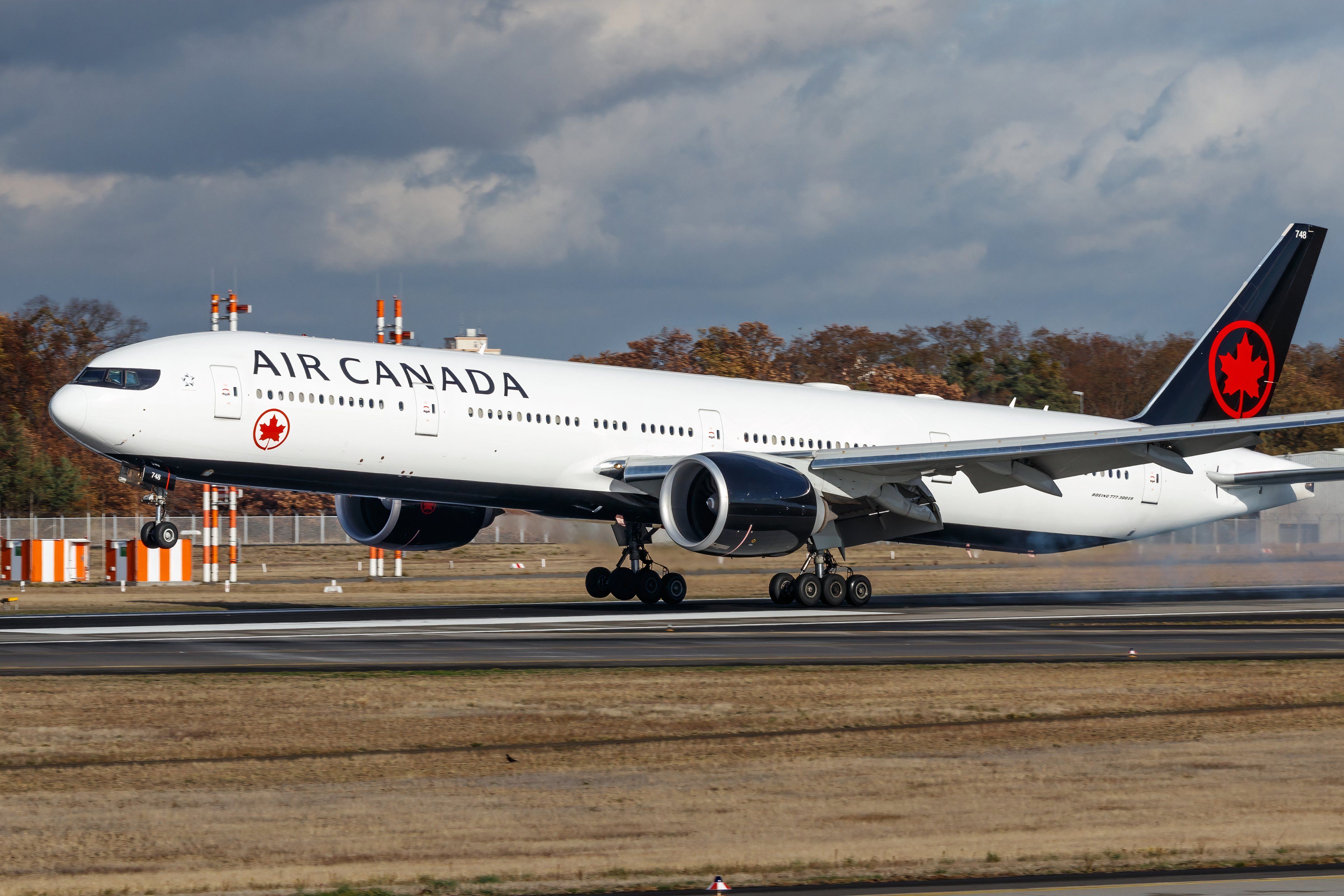
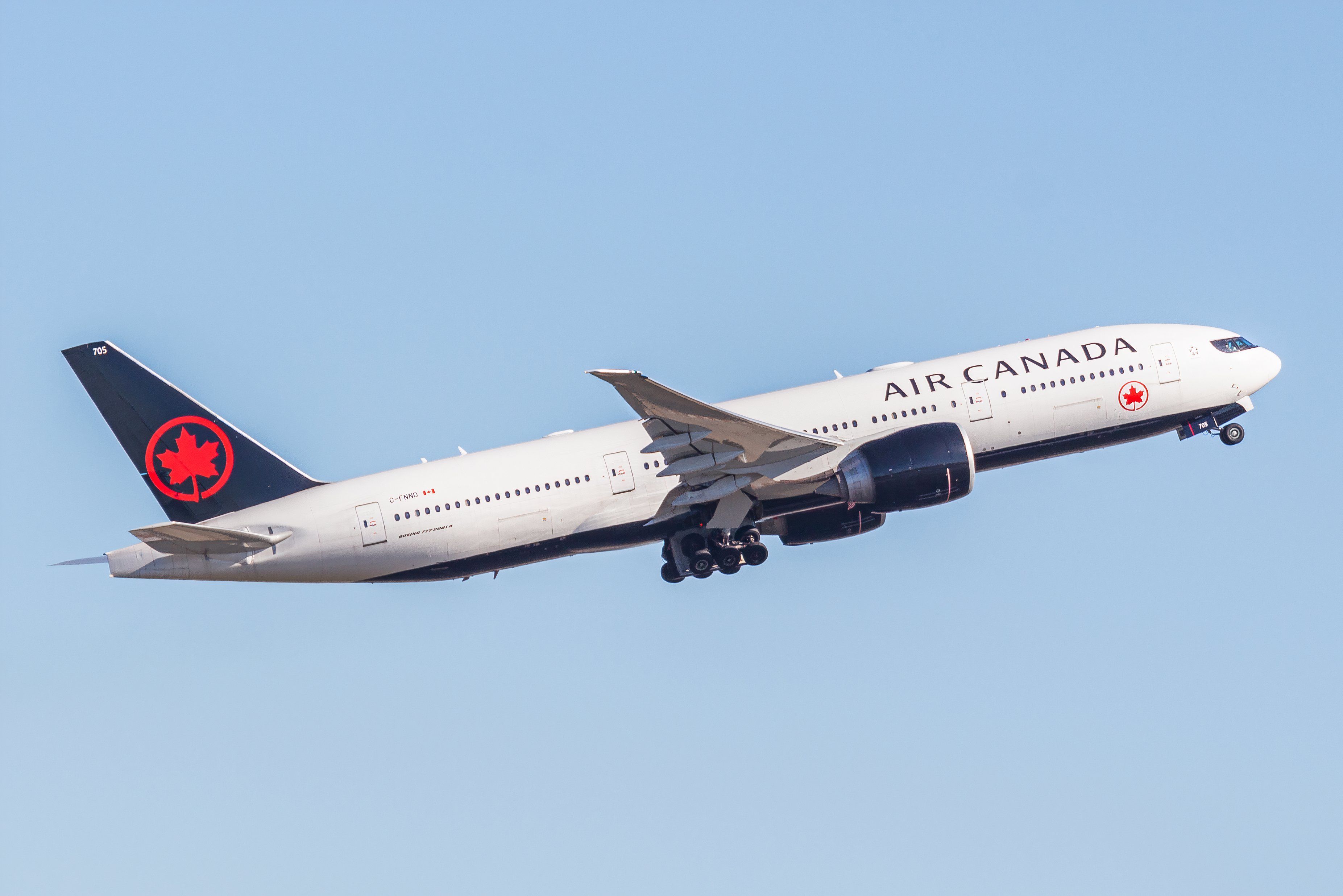
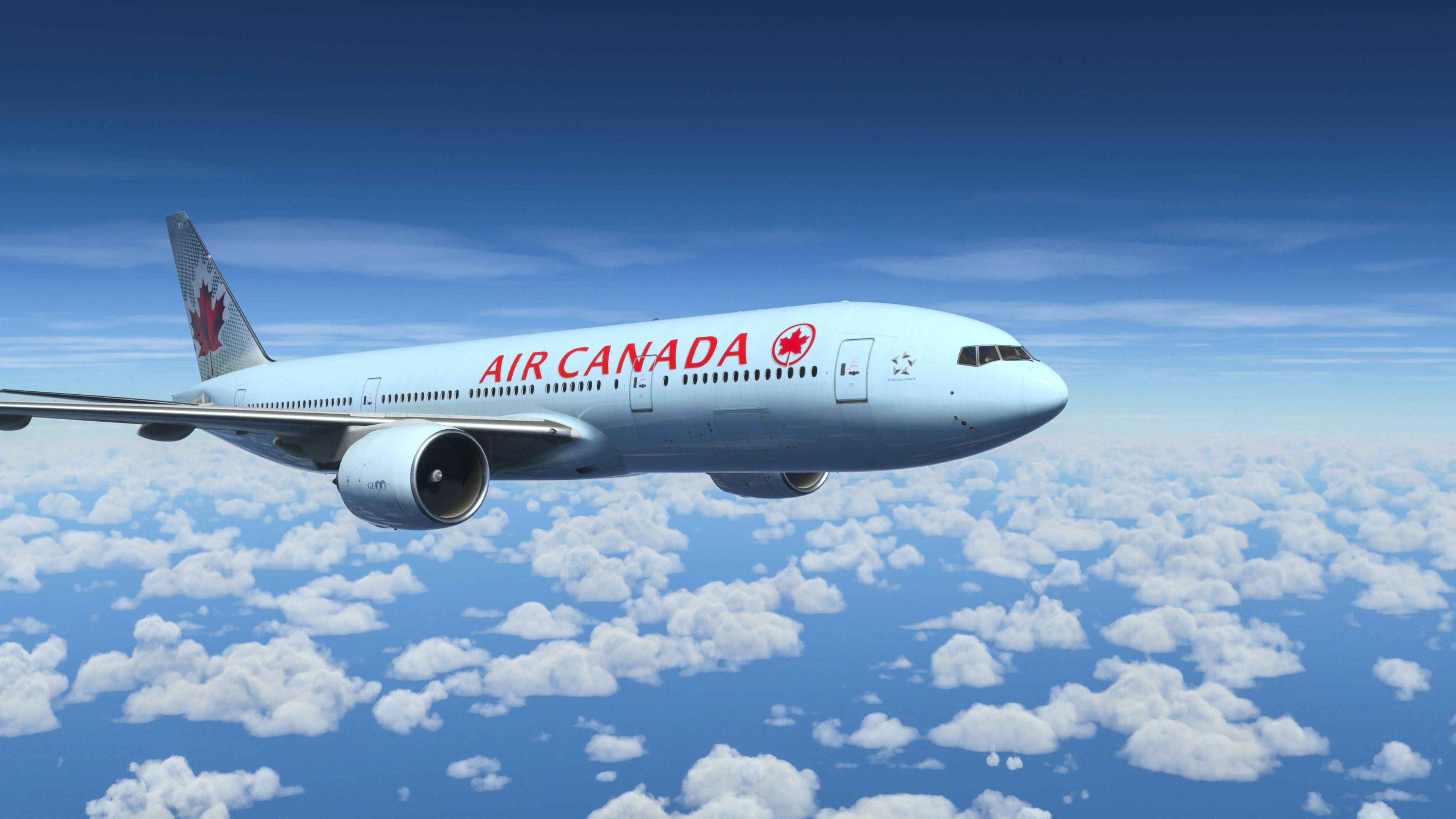
Air Canada serves as the flag carrier and largest airline of Canada, operating an extensive network of domestic, transborder, and international routes. Travelers engaging with the airline’s services must navigate a complex ecosystem of booking classes, loyalty programs, and regulatory requirements, which collectively dictate the efficiency and cost-effectiveness of the passenger experience in 2026.
Understanding the Air Canada Service Model
Air Canada operates as a full-service network carrier, distinct from low-cost alternatives by offering a multi-tiered cabin structure and comprehensive global connectivity. The airline is a founding member of Star Alliance, which enables seamless interline travel and reciprocal loyalty benefits with over two dozen international partners.
For the passenger, the service model is defined by three primary cabin categories: Economy, Premium Economy, and Signature Class. Economy is further subdivided into various fare buckets (Basic, Standard, Flex, Latitude, and Comfort), each carrying different conditions regarding seat selection, ticket flexibility, and baggage allowance. Understanding these fare structures is critical, as Basic fares often prohibit cancellations and may restrict carry-on baggage, whereas Latitude fares offer full flexibility and advanced seat selection.
Booking Requirements and Fare Management
Securing airfare with Air Canada requires attention to current documentation and payment policies. For international travel, passengers must ensure that their passports are valid for at least six months beyond their intended date of return, and that they possess the necessary electronic travel authorizations (eTA) or visas for their destination countries.
When booking through the airline's official channels, passengers have access to real-time seat availability and advanced fare calendars. The pricing model utilizes dynamic fluctuations based on demand, booking lead time, and route competition. To manage costs, travelers frequently utilize the "Fare Options" comparison tool during the booking flow, which contrasts the total price against the value of potential flight changes or cancellations. In 2026, the airline continues to emphasize direct booking through its website or mobile application to facilitate easier modifications should travel disruptions occur.
The Aeroplan Loyalty Framework
Aeroplan serves as the centralized loyalty program for Air Canada. Members earn points based on the distance flown, the fare class purchased, and their elite status level. The program is designed to integrate across the Air Canada ecosystem, allowing for the redemption of points for flight rewards, cabin upgrades, and retail goods through the Aeroplan eStore.
Status levels—ranging from Aeroplan 25K to Super Elite—are earned through a combination of Status Qualifying Miles (SQM), Status Qualifying Segments (SQS), and Status Qualifying Dollars (SQD). These tiers unlock benefits such as priority check-in, complimentary checked baggage, lounge access via Maple Leaf Lounges, and eUpgrades. Strategic travelers often maximize their value by leveraging co-branded credit cards to accelerate point accumulation, which can be applied toward offsetting the cost of future travel or securing premium cabin seats at a lower effective cost.
Navigating Airport Procedures and Lounge Access
Operational efficiency at airports is contingent upon understanding the distinction between standard and priority processing. Air Canada employs a digital check-in process that allows passengers to obtain boarding passes and pay for baggage fees up to 24 hours before departure.
Maple Leaf Lounges are a central component of the premium travel experience. Access is determined by ticket class (e.g., Signature Class), elite status, or specific credit card partnerships. These lounges offer amenities such as complimentary dining, business centers, and quiet zones. Passengers should verify the specific operating hours and access criteria for their departure airport, as amenities can vary significantly between major hubs like Toronto Pearson (YYZ) and secondary regional facilities.
Comparison of Air Canada Cabin Tiers
| Feature | Economy | Premium Economy | Signature Class |
|---|---|---|---|
| Seat Type | Standard | Wider, increased pitch | Lie-flat pod |
| Baggage | Varies by fare | 2 checked bags | 2-3 checked bags |
| Lounge | No (unless status) | No (unless status) | Yes |
| Priority | No | Boarding priority | Full (Check-in/Security) |
| Dining | Standard service | Enhanced meal service | Multi-course fine dining |
Managing Disruptions and Flight Changes
Air travel is subject to external variables, including meteorological conditions, air traffic control limitations, and mechanical requirements. When a flight is delayed or cancelled, the airline’s duty of care obligations are governed by the Air Passenger Protection Regulations (APPR).
If a flight is disrupted, passengers are generally notified via the contact information provided at the time of booking. It is recommended that travelers use the official mobile app to track flight status and manage rebooking options autonomously. In situations where a delay exceeds the thresholds defined by regulation, passengers may be entitled to food vouchers, hotel accommodations, or monetary compensation, provided the delay is within the airline’s control and not attributed to safety-related issues. Understanding these rights in advance allows passengers to advocate for appropriate support during operational irregularities.
Troubleshooting Common Passenger Issues
Many service-related frustrations can be mitigated through proactive management of digital profiles. A common issue involves the failure to link a booking to the correct Aeroplan account, which prevents the proper accrual of points. This should be addressed immediately upon booking to ensure the passenger record is accurate.
Similarly, baggage issues—such as loss or damage—must be reported to the baggage service office at the arrival airport before leaving the facility. Documentation, including the Property Irregularity Report (PIR), is essential for any subsequent claims. For technical difficulties with the mobile app or website, clearing the browser cache or updating the application version is the standard primary diagnostic step. If issues persist, the airline provides dedicated support lines, though wait times during peak travel seasons should be anticipated and planned for.
Strategic Recommendations for Future Travel
To optimize the Air Canada travel experience, passengers should adopt a multi-faceted approach. First, ensure that your Aeroplan profile is fully updated with accurate contact information to receive timely automated notifications regarding flight changes. Second, if travel frequency is high, prioritize reaching the 25K status tier; the benefits, including priority screening and complimentary baggage, provide a compounded return on investment over the course of a calendar year.
Finally, always carry digital and printed copies of your travel insurance and itinerary. While the airline provides infrastructure for passenger comfort, personal preparation remains the most effective safeguard against the unpredictability of international air travel. For specific questions regarding medical equipment, traveling with pets, or special assistance, consult the "Travel Readiness" section of the official website at least 72 hours before your scheduled departure to confirm requirements and request necessary accommodations.