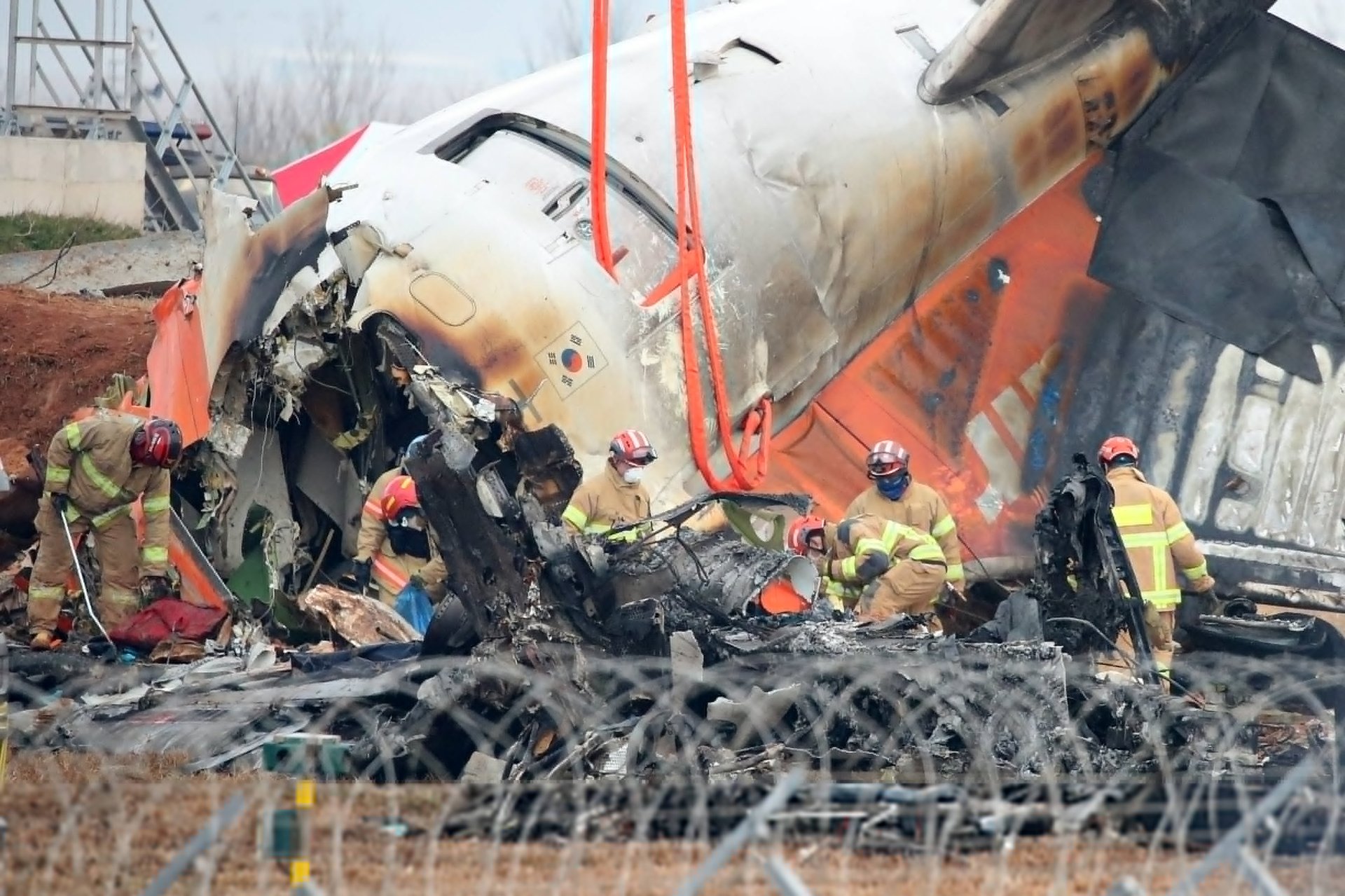
The March 29, 2015, crash of Air Canada Flight 624 at Halifax Stanfield International Airport remains a landmark case for aviation safety reform. The Airbus A320 struck the ground before the runway threshold, shearing off the main landing gear and causing significant structural damage. The official investigation by the Transportation Safety Board (TSB) of Canada identified critical deficiencies in low-visibility landing procedures, leading to widespread changes in Canadian runway safety protocols.
The Sequence of Events: Halifax Flight 624
On that night, Flight 624 was operating a scheduled passenger service from Toronto Pearson International Airport to Halifax Stanfield. As the aircraft approached Halifax during a snowstorm, the flight crew was executing a non-precision approach to Runway 05. The meteorological conditions included heavy snow, reduced visibility, and a ceiling that hovered near the minimum requirements for the approach.
As the aircraft descended, it entered a "black hole" effect—a visual phenomenon where ambient lights of the airport are obscured by precipitation, making it difficult for pilots to judge altitude. The flight crew failed to maintain the required minimum descent altitude, causing the aircraft to strike a power line and subsequently hit the ground approximately 335 meters short of the runway threshold. The momentum caused the aircraft to skid along the runway surface before coming to a stop. Remarkably, while there were injuries, no fatalities occurred among the 133 passengers and five crew members on board.
Transportation Safety Board Investigation Findings
The TSB investigation, officially designated as report A15H0002, scrutinized the decision-making process of the flight crew and the systemic limitations of the airport's infrastructure. The Board concluded that the pilots were unable to maintain visual contact with the runway environment due to the intense snowfall.
Key findings from the investigation included:
- Altimeter Management: The crew did not sufficiently account for the aircraft's altitude during the final segment of the approach, leading to a premature descent below the safe threshold.
- Visual Limitations: The "black hole" effect, exacerbated by the snow, resulted in a loss of situational awareness.
- Instrument Reliance: While the crew was using instrument navigation, the transition to visual flight rules (VFR) at the minimum descent altitude was premature given the deteriorating weather.
- Airport Infrastructure: The investigation highlighted that while the runway was compliant with existing standards, the lack of certain lighting systems meant to assist with vertical guidance in low visibility contributed to the difficulty of the approach.
Runway Safety and Regulatory Evolution
The aftermath of the crash forced a re-evaluation of aviation safety regulations across Canada. The TSB issued multiple safety recommendations, leading to a concerted effort by Transport Canada and airport operators to modernize landing infrastructure.
One of the most significant outcomes was the mandatory implementation of more robust visual and electronic landing aids. The investigation underscored that relying on pilot judgment alone during non-precision approaches in poor weather was a high-risk operational strategy. Consequently, Canadian aviation regulators shifted toward mandatory implementation of advanced Approach Lighting Systems with Sequence Flashing Lights (ALSF) and encouraged the wider use of Required Navigation Performance (RNP) approaches, which provide vertical guidance equivalent to instrument landing systems.
Comparison of Approach Safety Features
The incident highlighted the differences between standard non-precision approaches and those equipped with modern vertical guidance systems. The table below illustrates the distinctions that investigators examined when considering safety upgrades.
| Feature Type | Basic Non-Precision Approach | Precision/RNP Approach | Safety Impact |
|---|---|---|---|
| Vertical Guidance | Pilot estimated (Barometric) | Constant electronic path | Reduces "dive and drive" risk |
| Visual Cues | Minimal runway lighting | High-intensity approach lights | Combat "black hole" effects |
| Crew Workload | High; manual calculation | Low; system-monitored | Minimizes human error |
| Visibility Requirement | Higher minima | Lower minima | Improves operational reliability |
Implementing Modern Safety Standards
By 2026, the aviation industry in Canada has largely adopted the recommendations stemming from the Halifax incident. Airports handling commercial jet traffic have invested heavily in Runway End Safety Areas (RESAs) and standardized lighting configurations. RESAs are specifically designed to provide a cleared, graded area beyond the end of a runway to reduce the risk of damage to aircraft that overrun or undershoot the pavement.
Furthermore, flight crew training programs have evolved to emphasize "Stabilized Approach" criteria. Operators now utilize strict "gate" check procedures; if an aircraft is not perfectly configured and on the correct glide path by a specific altitude, the pilots are mandated to execute a go-around. This policy aims to eliminate the "get-home-itis" or operational pressure that contributed to the Flight 624 crew's decision to continue the descent.
Frequently Asked Questions
What caused the Air Canada Flight 624 crash in Halifax?
The investigation determined that the crash was primarily caused by a failure to maintain the safe descent altitude. The flight crew lost visual contact with the runway due to heavy snow and the "black hole" effect, leading the aircraft to strike the ground short of the runway threshold.
How did the Halifax incident change Canadian aviation law?
The incident triggered a regulatory shift requiring enhanced runway safety areas (RESAs) and stricter adherence to stabilized approach protocols. Transport Canada updated its directives to mandate more comprehensive visual guidance systems at major airports.
Is it now safer to fly into Halifax Stanfield?
Yes. Since the 2015 incident, the airport and national regulators have upgraded landing equipment and infrastructure, including advanced lighting and improved runway safety buffers, significantly reducing the risks associated with adverse weather landings.
What is a "non-precision approach" in aviation?
A non-precision approach provides horizontal guidance to a runway but lacks the electronic vertical guidance found in ILS (Instrument Landing System) approaches. Pilots must monitor their vertical profile manually, which carries a higher risk of error in low visibility.
Are current pilots better trained for these conditions?
Modern flight training programs now place a heavier emphasis on simulator-based scenarios that replicate low-visibility, high-workload environments. Pilots are trained to execute go-arounds immediately if visual references are not acquired exactly at the required altitude.
Next Actions for Aviation Safety Verification
For those seeking to understand the current safety status of a specific airport or carrier, the primary point of reference remains the Transport Canada Civil Aviation (TCCA) database. Travelers and aviation professionals should review the Aeronautical Information Manual (AIM) for current standards regarding approach procedures. If you are researching flight safety history, the official TSB aviation investigation archives provide the most granular detail on findings, human factors analysis, and safety-sensitive recommendations that continue to guide current aviation protocols in 2026.