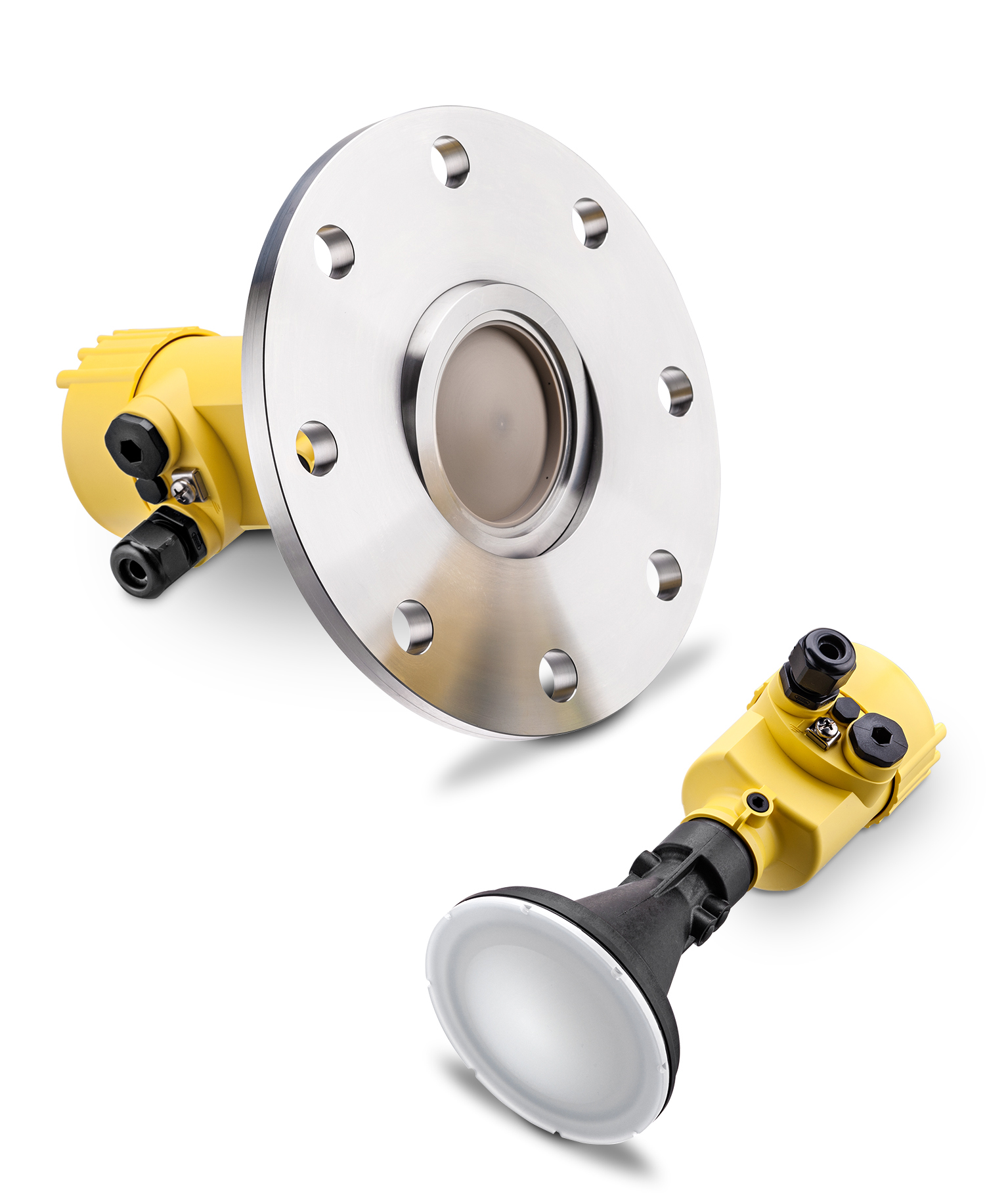
The VEGAPULS series, specifically models configured for air-based measurements like the AIR 42, represents a cornerstone in radar level sensing technology. Designed to provide non-contact, continuous level measurement, these sensors offer unmatched precision and operational efficiency in challenging industrial environments, ensuring reliable data acquisition where traditional mechanical or ultrasonic sensors often struggle with environmental variables.
Understanding Radar Level Measurement
At the core of the VEGAPULS system is the principle of radar-based time-of-flight measurement. Unlike ultrasonic sensors that rely on sound waves—which are sensitive to temperature, pressure, and gas composition fluctuations—radar sensors emit microwave pulses that are largely unaffected by the surrounding atmosphere. In the context of the VEGAPULS series, this means that even if the air inside a vessel is filled with dust, steam, or high turbulence, the sensor maintains its focus on the target medium.
The "AIR" classification or application-specific variant typically refers to sensors optimized for air-side measurements or ambient environmental sensing where the medium itself may not be the direct object of measurement, or where the sensor is mounted to face a target through an air gap. This technology is critical in sectors such as water management, chemical storage, and food processing, where the consistency of the signal determines the accuracy of automated supply chain and inventory systems.
Precision and Efficiency Through Design
Precision efficiency is not merely about the accuracy of the reading; it is about the reliability of that reading over thousands of cycles. VEGAPULS sensors are engineered to minimize signal attenuation and maximize echo reflection detection. By using high-frequency microwaves, the sensor creates a tightly focused beam, allowing it to ignore "noise" or false echoes caused by ladder rungs, agitators, or the curved walls of a tank.
The efficiency component arises from the reduction in maintenance. Because the sensor does not physically touch the product it is measuring, it avoids the wear and tear associated with contact-based probes. There is no need for frequent calibration cycles that plague mechanical float switches or vibrating forks. Once installed and properly configured, these sensors operate with a "fit and forget" profile that significantly lowers the total cost of ownership over the instrument's lifecycle.
Technical Prerequisites and Installation
Successful implementation of the VEGAPULS sensor requires adherence to specific installation standards to ensure the hardware reaches its potential performance. Precision is highly dependent on the mounting location. For optimal results, the sensor should be mounted away from inlet streams where product turbulence might create significant surface fluctuations.
- Clearance Requirements: Ensure the beam angle is not obstructed by structural components within the vessel. A 360-degree clear path for the microwave beam is ideal.
- Alignment: The sensor must be mounted vertically relative to the surface of the medium to ensure the echo return path is direct.
- Connectivity: Ensure the power supply matches the specific requirements of the sensor’s communication protocol (typically 4-20mA with HART or digital bus systems like PROFINET or Modbus).
- Environment: Verify that the housing material is compatible with the chemical vapors present in the headspace of the storage unit to prevent long-term degradation of the sensor face.
Comparison of Measurement Technologies
Choosing the right sensor often involves balancing cost against performance. The table below outlines how radar sensing compares to other common level measurement methods in industrial environments.
| Feature | Radar (VEGAPULS) | Ultrasonic | Differential Pressure | Mechanical Float |
|---|---|---|---|---|
| Contact | No | No | Yes | Yes |
| Accuracy | Extremely High | Moderate | Medium | Low |
| Atmosphere Sensitivity | Negligible | High | Low | Low |
| Maintenance Needs | Minimal | Low | High | High |
| Price Point | High | Low/Medium | Medium | Low |
Operational Troubleshooting and Maintenance
While the VEGAPULS is renowned for its durability, even the most precise sensors can report errors if environmental factors change drastically. A common issue is the buildup of residue on the sensor lens. While radar handles dust well, heavy condensation or thick, sticky coatings on the antenna can cause signal dampening.
If the sensor reports a "Signal Loss" or "Echo Lost" error:
- Check the Lens: Physically inspect the antenna face for buildup. Clean it with a soft, non-abrasive cloth.
- Verify Settings: Ensure the software configuration (the "False Echo Suppression" map) still matches the physical layout of the tank. If a new structural element, such as a heater or pipe, was added to the tank, the sensor must be "taught" to ignore this new obstruction.
- Inspect the Cable: Verify that the cable glands are tightened to the correct torque to prevent moisture ingress, which can corrode internal connections.
Integrating with Modern Automation Systems
In 2026, the shift toward Industry 4.0 necessitates that sensors do more than just measure level; they must provide diagnostic data. The VEGAPULS platform supports comprehensive diagnostic features, allowing facility managers to view internal status, signal quality, and ambient temperature remotely.
Integration is facilitated through standardized protocols. By connecting the sensor to a PLC (Programmable Logic Controller) or a cloud-based gateway, maintenance teams can receive alerts regarding potential failures before they occur. This proactive approach to asset management is where the true "precision efficiency" of the system manifests, moving from reactive repairs to predictive maintenance cycles.
Safety and Compliance Considerations
When operating sensors in hazardous environments, compliance with regional safety standards is paramount. Ensure that the specific version of the sensor installed is rated for the explosion-proof or intrinsic safety standards required by the site's classification (e.g., ATEX or IECEx). The sensor should always be installed according to the local electrical codes and the manufacturer’s installation manual.
Please note that while these sensors provide high-accuracy data, they should not be used as the sole safety device in applications where the consequence of overfilling poses a life-safety risk. In such instances, a dedicated, independent high-level limit switch is required by law in many jurisdictions to provide a redundant fail-safe mechanism. Consult your regional safety engineer regarding the legal requirements for secondary overflow protection in your specific facility.
Next Steps for Implementation
To begin leveraging the capabilities of your VEGAPULS sensor, start by conducting a site survey of your target vessels. Identify the mounting ports, verify the beam path clearance, and confirm the chemical compatibility of the sensor housing with the material stored within. Once installed, perform a baseline calibration using the provided software interface to map out existing structures within the tank. Finally, monitor the signal quality during the first week of operation to ensure the sensor's "False Echo Suppression" is effectively ignoring agitators or structural internal components. If you are experiencing persistent signal drift, consult the manufacturer’s technical manual for the specific model’s diagnostic sequence.