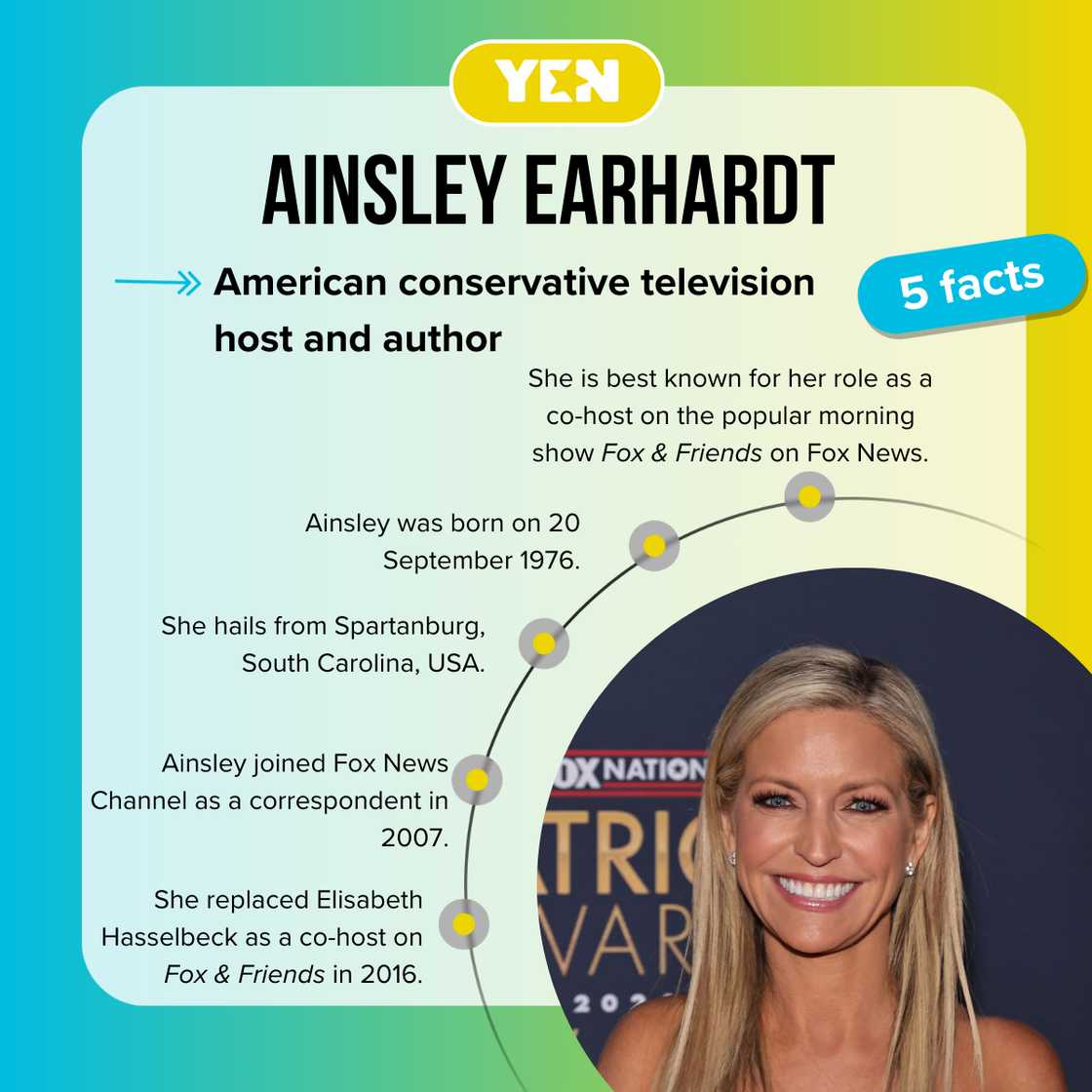
Ainsley Earhardt, a prominent television host at Fox News, receives a substantial annual salary as a key personality on Fox & Friends. While Fox News, a private entity, does not publicly disclose the specific employment contracts of its staff, industry reports and financial estimates place her annual compensation in the range of $6 million to $8 million.
The Dynamics of Television News Compensation
The salaries of high-profile broadcast journalists are rarely governed by public salary bands or open-market transparent pay scales. Instead, compensation packages for network stars like Ainsley Earhardt are shaped by a complex interplay of viewership ratings, longevity with the network, and the specific role an anchor plays within the broader brand ecosystem. Because Fox News is a subsidiary of Fox Corporation—a publicly traded company—it must report executive and high-level compensation in aggregate; however, individual talent contracts remain private unless they become the subject of litigation or are disclosed in financial filings.
For a host on a flagship morning program, compensation reflects the daily nature of the commitment. Morning shows are the bedrock of cable news revenue, as they command consistent viewership and high advertising rates. Ainsley Earhardt has held a central position on Fox & Friends since 2016, becoming one of the most recognizable faces in cable news. Her salary reflects not only her tenure but also her ability to maintain a loyal audience base throughout various political and social cycles, which is a critical metric for network executives when negotiating contract renewals.
Factors Influencing Network Talent Pay
Several variables contribute to the variation in what a network "star" earns compared to their peers. Understanding these factors provides context as to why figures like Earhardt earn at the levels reported in industry assessments.
- Ratings Stability: The primary driver of any cable news salary is the ability to deliver consistent viewership. Advertisers pay premiums to reach audiences in the early morning hours, and anchors who can keep those numbers stable or growing command higher leverage during contract negotiations.
- Dual-Platform Responsibilities: Talent often does more than just appear on one show. Many hosts provide additional commentary across network digital platforms, radio segments, or special event coverage. Each of these components adds value to the network, and the cumulative "load" of these responsibilities is baked into the annual compensation.
- Market Demand and Competitive Bidding: While a host might be loyal to a network, the threat of a rival network attempting to poach talent often forces incumbents to offer significant raises to retain key personnel. This competitive environment maintains upward pressure on salaries for established, high-performing anchors.
- Brand Alignment: Networks look for hosts who embody the specific voice and values of their editorial brand. An anchor who resonates strongly with the core demographic of the channel is considered an asset that mitigates the risk of audience churn.
Estimated Compensation Structure
It is important to distinguish between "salary" and "net worth." While industry analysts often cite an annual salary of approximately $6 million to $8 million for Earhardt, this figure represents the gross compensation paid by the network for her services. This is not the same as her total net worth, which would include investments, personal assets, and other income streams.
When analyzing media compensation, observers should differentiate between the base salary and performance bonuses. Most top-tier news talent contracts include a base pay supplemented by performance incentives tied to ratings benchmarks or contract extensions. Consequently, a "reported salary" is often an estimate of the total cash compensation package rather than a fixed base salary.
Table: Key Factors in Broadcast Media Compensation
| Factor | Impact on Compensation | Explanation |
|---|---|---|
| Viewer Reach | High | Direct correlation to advertising revenue generated by the show. |
| Contract Tenure | Medium | Multi-year renewals often include incremental increases based on performance. |
| Show Rank | High | Anchors of flagship or prime-time shows command higher rates than those in minor slots. |
| Industry Standing | Medium | Public profile and media recognition influence bargaining power. |
| Multi-Media Output | Medium | Contribution to podcasts, streaming services, and radio increases total package value. |
The Evolution of the Role
Ainsley Earhardt’s career progression provides insight into why her compensation has reached its current level. Before joining the Fox & Friends desk, she served as a national correspondent for the network, providing reporting from the field. This background in hard news and field reporting is often a prerequisite for the credibility required to host long-form morning broadcasts. By transitioning from a reporter to a host, Earhardt shifted her value proposition from "gathering news" to "curating and delivering news," which is generally compensated at a higher tier in the broadcast industry.
Furthermore, her involvement in special reporting, such as documentaries or thematic specials for the Fox Nation streaming platform, demonstrates the diversification of her role. As cable networks expand their footprint into subscription-based streaming, talent that can bridge the gap between linear cable TV and digital-only platforms becomes significantly more valuable to the parent corporation.
Common Misconceptions Regarding Celebrity Finances
One of the most frequent errors in assessing the salaries of television stars is the assumption that their compensation is static. Contracts are renegotiated periodically, and public estimates—often based on outdated industry leaks—may lag behind the reality of current deals. When reading reports about "how much a star earns," it is helpful to verify the source date. As of 2026, information regarding specific, current-year contract details remains proprietary information held by the network and the talent’s management.
Additionally, critics and viewers often conflate the financial health of the network with the personal salary of the host. While Fox Corporation's total revenue fluctuates based on the broader media landscape, individual anchor contracts are usually locked in for several years. A downturn in a single quarter’s advertising revenue rarely results in an immediate reduction in a star's salary, as these are contractually guaranteed obligations.
Frequently Asked Questions
H3: Are broadcast journalist salaries public records?
No, the salaries of broadcast journalists are not public records. Unlike some government positions, media talent at private corporations like Fox News are employed under confidential employment contracts. Any salary figures reported in the media are estimates derived from industry trade publications and insider leaks rather than verified tax or corporate filings.
H3: Does Ainsley Earhardt receive bonuses based on ratings?
While specific contract terms are private, it is standard industry practice for high-profile news anchors to have performance-based incentives included in their compensation packages. These bonuses are typically tied to meeting specific viewership goals, audience growth targets, or the successful negotiation of contract renewals.
H3: How does the shift to streaming affect anchor pay?
The shift toward streaming services like Fox Nation allows networks to utilize their existing talent to populate exclusive digital content. This creates a broader "workload" for the anchor, which usually results in a more comprehensive compensation package that covers their appearances on both traditional linear cable television and digital-only platforms.
H3: Why do different sources report different salary figures for the same host?
Discrepancies in reported salary figures often arise from the use of varying methodologies. Some sources estimate only the base salary, while others attempt to calculate a total gross compensation package that includes bonuses, appearance fees, and potential digital platform incentives. Furthermore, figures may be based on older contract data that has not been updated to reflect recent renewals.
H3: How is a news host's value to a network calculated?
A network calculates a host's value by examining the "cost-per-viewer" and the host's ability to maintain a consistent audience. If a host consistently draws a desirable demographic for advertisers, the network views the host’s salary as a marketing and operations cost necessary to secure that revenue stream.
Recommended Next Steps for Researching Media Compensation
If you are interested in deeper analysis of the media industry, prioritize data from verified trade publications that specialize in business-of-media reporting. Look for outlets that provide analysis on the broader economic health of media conglomerates, as this context is essential for understanding how talent budgets are allocated. Be cautious of "net worth" websites, which often use generic algorithms to estimate income rather than relying on verifiable professional data. For the most accurate perspective, focus on the business strategy of the network as a whole, as this reveals the true incentives behind individual talent compensation.