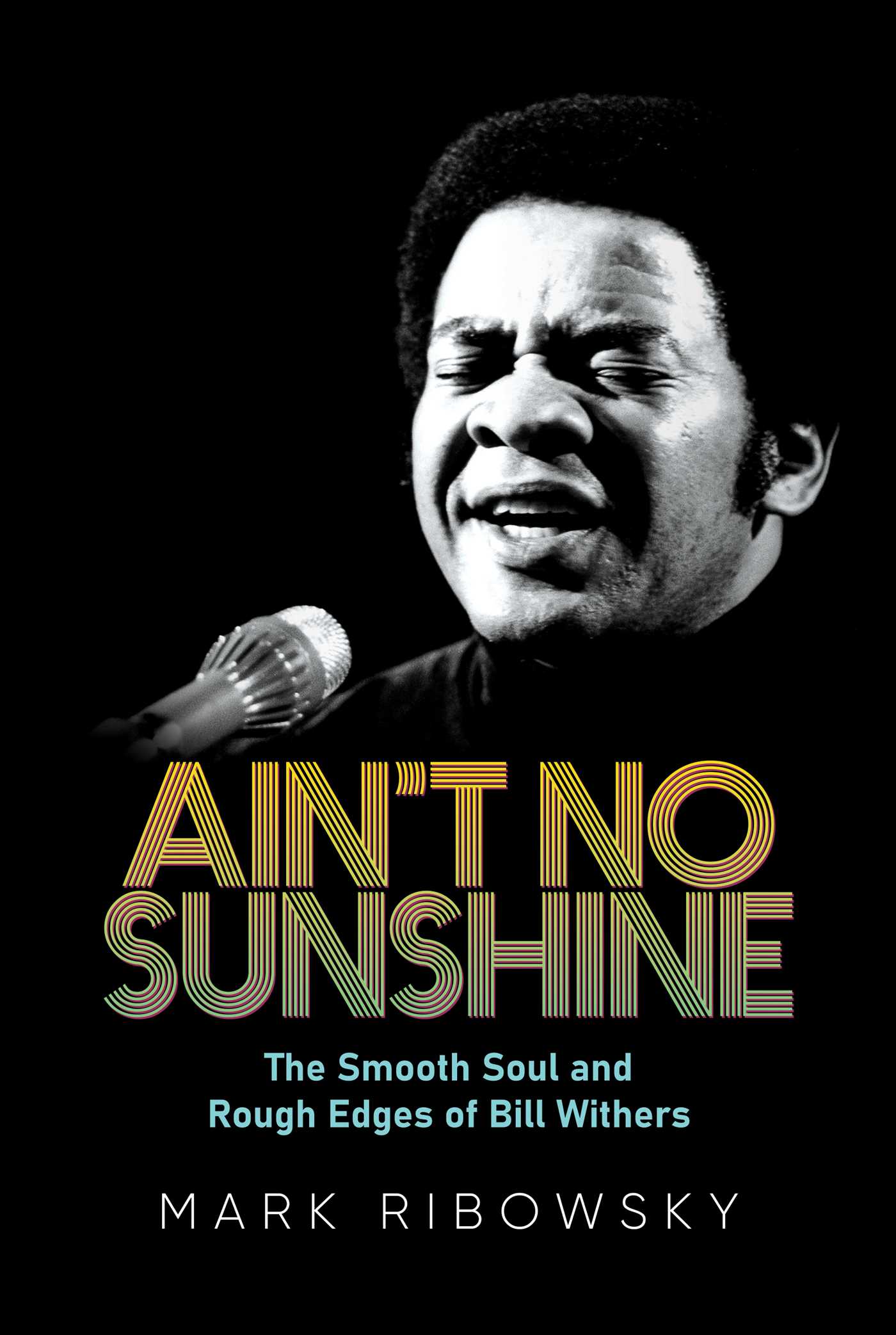
"Ain’t No Sunshine" is a timeless soul classic written and performed by Bill Withers, first released on his 1971 debut album, Just as I Am. The song, produced by Booker T. Jones, captured global attention for its raw emotional sincerity, minimal acoustic arrangement, and its evocative exploration of heartbreak and longing.
The Origins of a Soul Masterpiece
Bill Withers was not a career musician in the traditional sense when he wrote "Ain’t No Sunshine." At the time, he was working at a factory in Los Angeles making toilet seats for Boeing 747s. His transition from the assembly line to the recording studio is one of the most storied narratives in the history of rhythm and blues. The song was inspired by the 1962 film Days of Wine and Roses, specifically a scene where the characters grapple with their respective addictions and the absence of their partners.
The composition process was notably organic. Withers brought the song to Booker T. Jones, who assembled an elite group of session musicians, including bassist Donald "Duck" Dunn and drummer Al Jackson Jr. of Booker T. & the M.G.'s. Despite the professional pedigree of his collaborators, Withers maintained a humble approach, often fearing he might lose his day job if his music career did not take off immediately. The simplicity of the track—anchored by Withers' voice, acoustic guitar, and a string arrangement—allowed the lyrics to remain the focal point.
Musical Structure and Production
The genius of "Ain’t No Sunshine" lies in its economy. The song clocks in at just over two minutes, yet it achieves a level of emotional depth that many longer compositions fail to reach. Musically, it is built on a minor-key progression that emphasizes the melancholy inherent in the subject matter.
A defining characteristic of the track is the bridge, where Withers repeats the phrase "I know, I know, I know" twenty-six times. This repetitive vocal refrain has been the subject of much analysis; while initially intended by Withers as a placeholder while he waited for a horn section to be written into the arrangement, the musicians convinced him that the raw, insistent repetition was more powerful than any additional instrumentation could be. This decision preserved the vulnerability of the performance and became a signature element of the hit.
Cultural Impact and Chart Success
Upon its release, the song became a commercial success, reaching number six on the Billboard Hot 100 in 1971. Its impact extended far beyond the charts, solidifying Bill Withers' place as one of the most respected songwriters of his generation. The track effectively bridged the gap between folk-soul and mainstream pop, making it accessible to a wide audience while retaining the integrity of its blues-inspired roots.
The song has been honored repeatedly, winning a Grammy Award for Best R&B Song in 1972. Beyond the accolades, its cultural footprint is measured by the sheer volume of artists who have covered it. From Michael Jackson to Sting and Tom Jones, the song has been reinterpreted across genres, confirming its status as a standard in the American songbook.
Comparative Analysis of Versions
While the original remains the definitive version, its structural simplicity makes it a popular choice for interpretation. The following table highlights the essential elements that define the original 1971 recording compared to typical cover arrangements.
| Feature | Bill Withers Original (1971) | Standard Cover Approach |
|---|---|---|
| Vocal Style | Intimate, raw, conversational | Often stylized or over-produced |
| Instrumentation | Acoustic guitar, strings, rhythm section | Varies (often includes synths or brass) |
| Bridge Technique | Intentional repetition ("I know") | Often shortened or embellished |
| Tempo | Moderate, bluesy shuffle | Frequently slower or rhythm-heavy |
| Production | Minimalist; emphasizes acoustics | Layered; focus on studio effects |
Common Misconceptions
A recurring point of confusion for casual listeners is the attribution of the song to other artists. Because "Ain’t No Sunshine" has been covered by so many legendary performers, newer generations occasionally mistake later versions for the original. It is vital to distinguish between the original 1971 recording—which features the specific grit and timing of the Withers-Jones collaboration—and subsequent studio re-recordings.
Furthermore, some listeners mistakenly associate the song’s dark, minor-key tone with later soul sub-genres that did not exist in 1971. Bill Withers always maintained that his writing was rooted in his own life experiences and the simple, direct expression of human emotion. He avoided the complex production trends of his era, preferring a "less is more" philosophy that has kept his music relevant well into the 2020s.
The Legacy of Bill Withers
Bill Withers retired from the music industry in the mid-1980s, choosing to prioritize his private life over the demands of fame. However, the endurance of "Ain’t No Sunshine" ensured that his influence never waned. He was inducted into the Rock and Roll Hall of Fame in 2015, an honor that highlighted his unique ability to translate universal feelings of loss into accessible, poetic lyrics.
In the 2026 landscape, the song continues to be a staple in film soundtracks, advertisements, and streaming playlists. Its survival in a rapidly changing digital media environment is a testament to the fact that authentic, soul-baring songwriting does not rely on trends or technological novelty. It remains a masterclass in how to convey profound sadness with just a few chords and a honest voice.
Frequently Asked Questions
Did Bill Withers write "Ain’t No Sunshine" for someone specific?
Bill Withers wrote the song after being inspired by the 1962 film Days of Wine and Roses. While the lyrics reflect the universal experience of missing a loved one, they were not written about a specific person in his own life, but rather as a response to the emotions depicted in the film's narrative.
Why is the word "I know" repeated so many times in the song?
The repetition of "I know" was actually an accident. Withers intended to add a horn section during that part of the song, but his producer and session musicians convinced him that the repetitive, pained vocal performance was far more effective than any instrumental addition would have been.
Where can I find the official original version?
The original version is available on Bill Withers' debut album, Just as I Am, released in 1971. It is widely available on major music streaming platforms and through authorized digital music retailers. Ensure you are selecting the 1971 release to hear the authentic production by Booker T. Jones.
Is the song considered a blues or soul track?
"Ain’t No Sunshine" is primarily categorized as soul and R&B, though it features clear influences from the blues. The song’s structure, chord progression, and thematic focus on heartbreak are deeply rooted in the blues tradition, blended with the smooth production aesthetics of early 1970s soul.
How has the song’s popularity held up in 2026?
The song remains a staple of modern music culture. It maintains high streaming numbers and continues to be covered by contemporary artists, proving that the composition has moved beyond its original era to become a permanent fixture in global music history.
Recommendations for Listeners
To truly appreciate the artistry of Bill Withers, listen to the original 1971 recording through high-quality audio equipment or neutral headphones. This allows you to hear the subtle nuances in Withers' vocal delivery and the warm, analog texture of the acoustic guitar and string accompaniment. If you are interested in the production side, compare the original to the version featured on his Live at Carnegie Hall (1973) album; this provides a fascinating look at how the song evolved when performed before an audience, showcasing the immense power of Withers' voice without studio intervention.