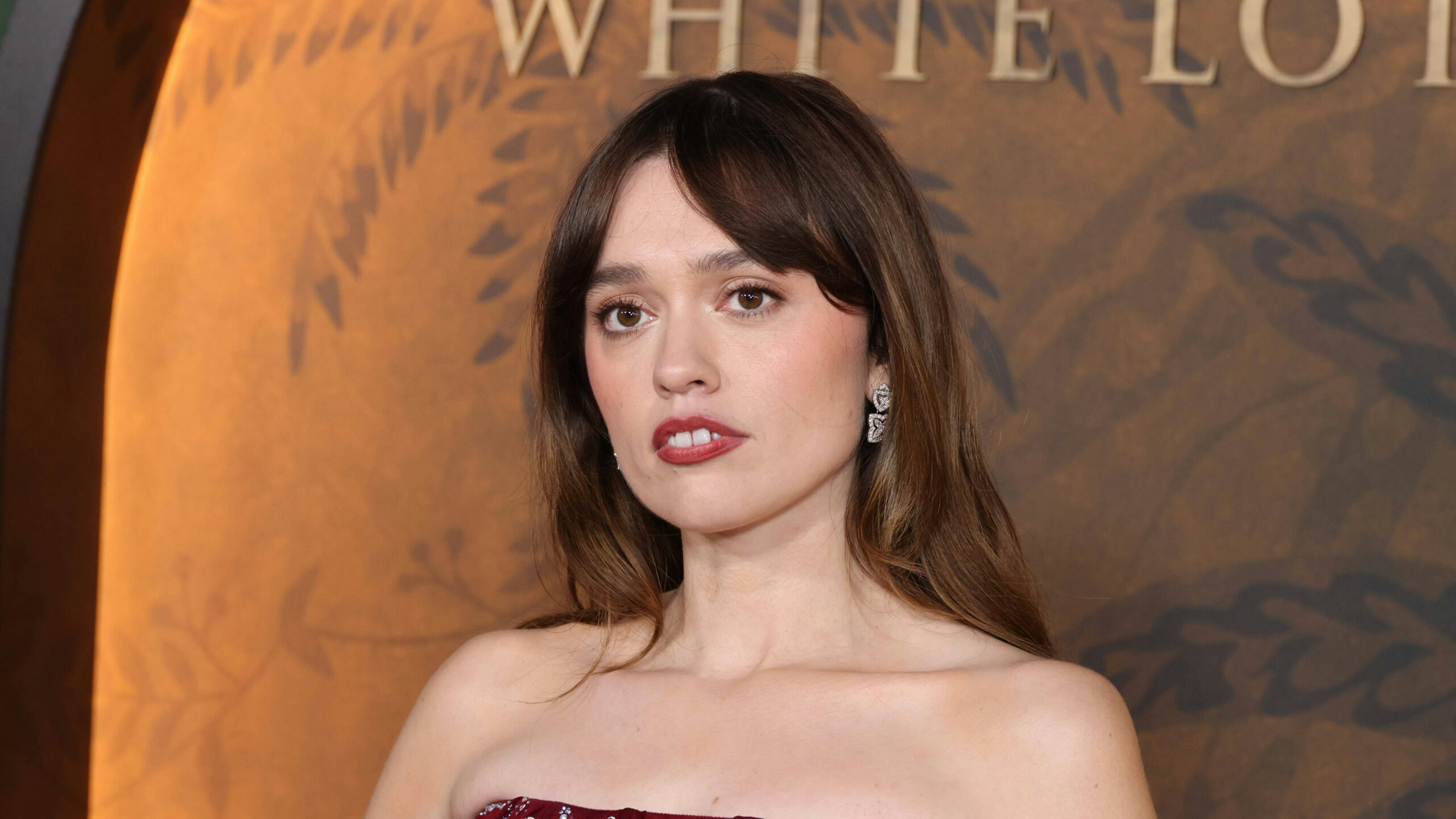
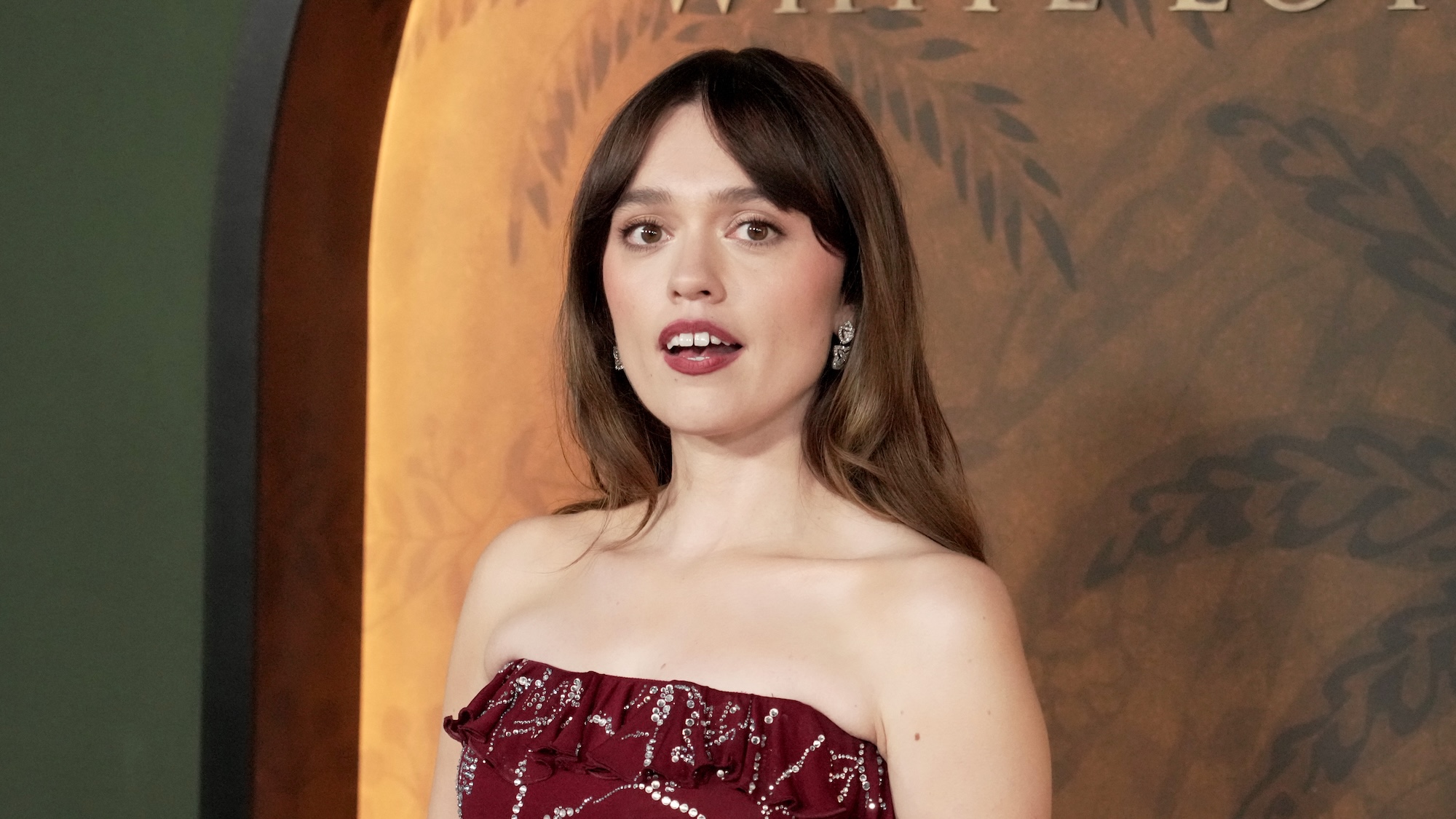
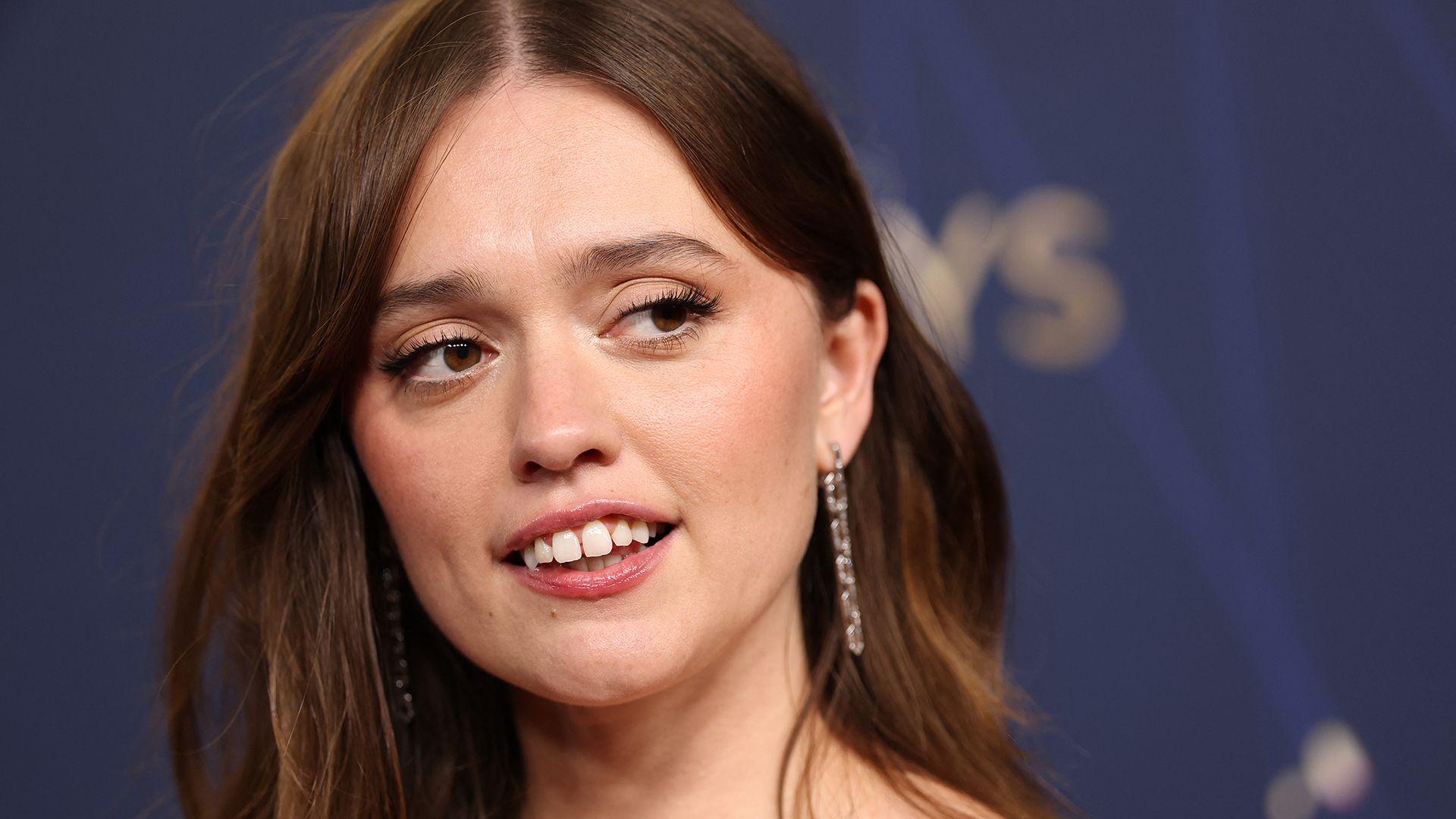
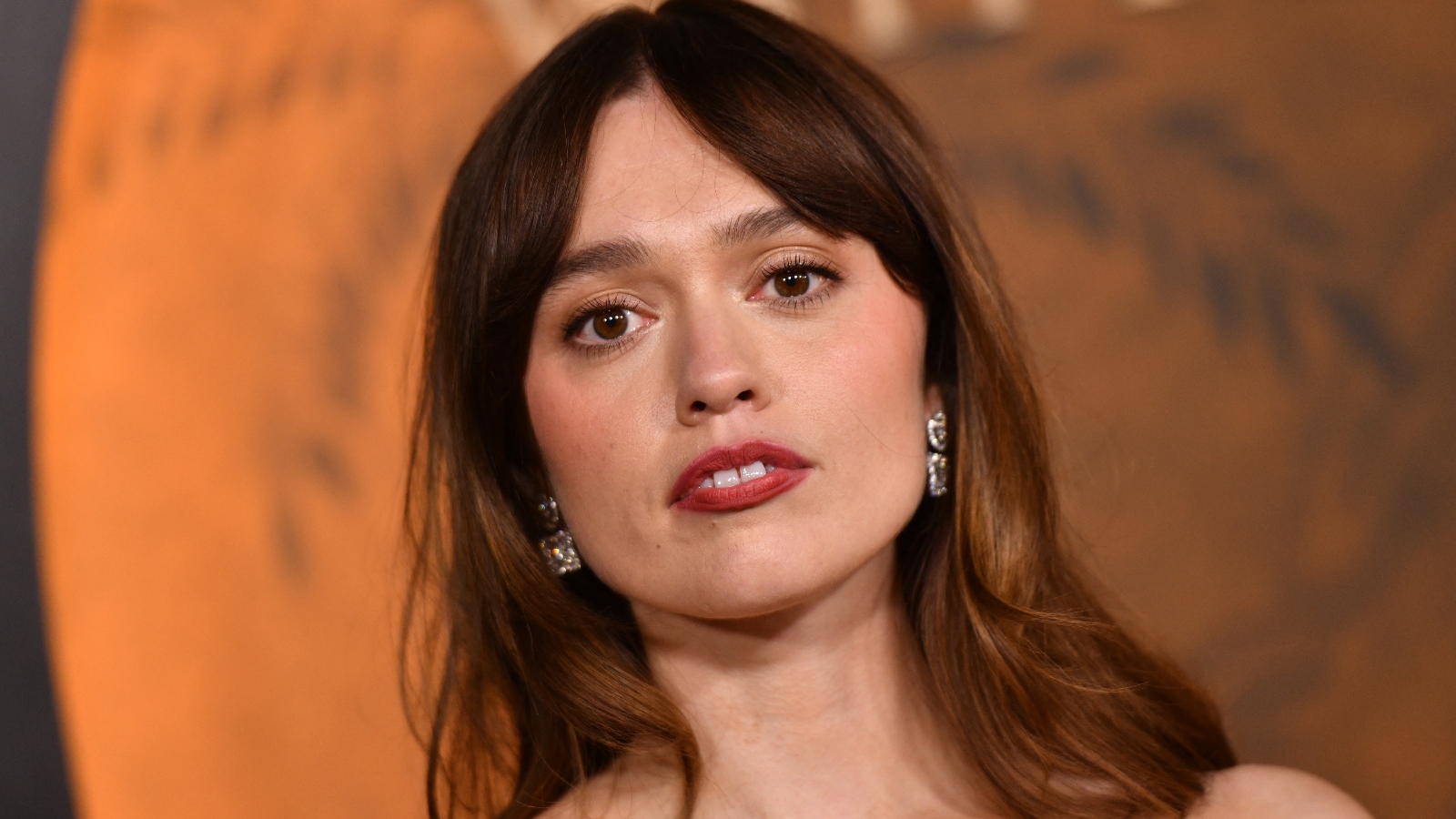
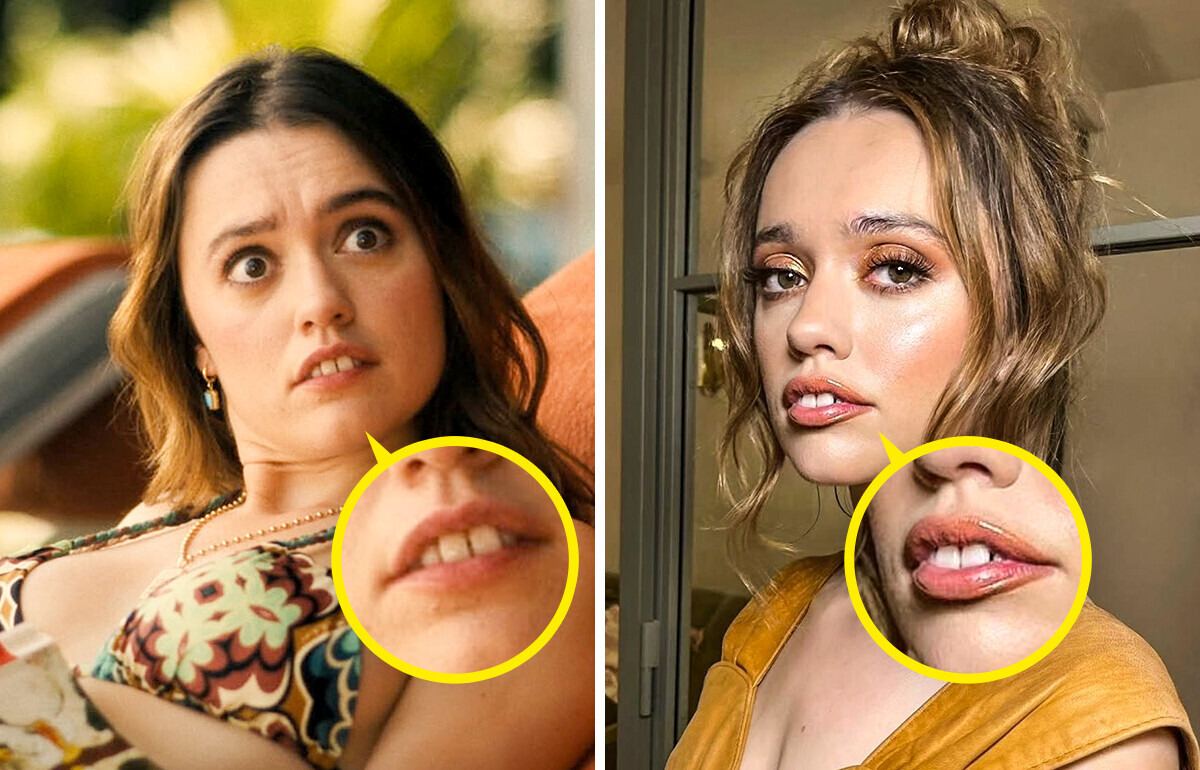
The fascination surrounding Aimee Lou Wood’s perfectly aligned, normal teeth story reflects a broader cultural shift in how audiences perceive beauty in the age of perfectionism. Often discussed by fans and media commentators, the discussion centers on Wood’s rejection of the "Hollywood veneer" aesthetic, favoring a natural, human appearance that defies the pressure for unnaturally uniform, stark-white dental transformations common among high-profile celebrities.
Understanding the Modern Obsession with Dental Perfection
In recent years, the standard for celebrity smiles has shifted dramatically toward the "perfect veneer" look. This involves a uniform, monochromatic, and aggressively aligned set of teeth, often achieved through significant dental restructuring. The public’s focus on Aimee Lou Wood’s teeth arises because her smile represents the antithesis of this trend. By maintaining a natural dental architecture—complete with individual tooth character, natural coloring, and authentic alignment—Wood has become a focal point for discussions about personal identity and the preservation of natural features in an industry that demands cosmetic standardization.
The "story" of her teeth is not one of a specific surgical or orthodontic event, but rather a commentary on her aesthetic choices. As an actress noted for her grounded and nuanced performances, her physical presentation, including her smile, serves as an extension of her commitment to realism. For fans, this authenticity is refreshing, as it counters the homogenization of features often seen on red carpets.
The Anatomy of a Natural Smile
To understand why the public perceives Aimee Lou Wood’s teeth as a benchmark for "normal," it is necessary to identify what distinguishes them from the artificial standards prevalent in media today. A natural smile possesses several key characteristics that are often lost during cosmetic over-correction:
- Varying Tooth Morphology: Naturally, human teeth are not perfectly identical in size or shape. Subtle variations in the curvature and width of the incisors are typical.
- Color Gradation: Real dental enamel is semi-translucent and varies in shade, particularly near the gum line. Stark white, opaque veneers often lack this complexity, leading to an unnatural appearance under stage or flash lighting.
- The "Imperfection" Factor: Minor overlaps or unique spacing (diastema) are often viewed as identifiers of character. Wood’s dental presentation is marked by these subtle individualities, which align with her professional brand of appearing relatable and authentic.
Comparing Cosmetic Trends in the Entertainment Industry
The following table contrasts the traditional "Hollywood Smile" often sought by public figures with the "Natural Aesthetic" favored by figures like Aimee Lou Wood.
| Feature | The Hollywood Veneer Standard | The Natural/Authentic Aesthetic |
|---|---|---|
| Color | Uniform, high-intensity white | Warm, translucent, varied tones |
| Alignment | Perfectly straight/geometrical | Natural, slight variations maintained |
| Material | Opaque porcelain or composites | Natural enamel or conservative bonding |
| Goal | Surgical standardization | Preservation of unique facial harmony |
| Cultural Impact | Often perceived as "manufactured" | Often perceived as "grounded/relatable" |
The Psychological Impact of Natural Aesthetics
The discourse surrounding Wood’s teeth serves a psychological function for the target audience. As viewers navigate a digital landscape filled with filtered images and surgical interventions, there is an increased desire for "grounding agents"—public figures who remain unchanged by pervasive beauty standards.
When a performer opts for a natural dental appearance, it sends a non-verbal message that their professional success is decoupled from extreme cosmetic modification. For younger audiences, this is particularly significant as it provides a counter-narrative to the idea that one must undergo expensive, invasive dental procedures to be considered "screen-ready." It validates the concept that character-driven acting thrives on an authentic presence rather than a manufactured aesthetic.
Orthodontics vs. Cosmetic Alterations
It is important to disambiguate "perfectly aligned" from "artificially perfect." While many celebrities utilize orthodontics (such as clear aligners) to ensure dental health and minor spacing adjustments, this is distinct from full-mouth veneer rehabilitation.
If Aimee Lou Wood has utilized orthodontic intervention, it remains consistent with standard dental health practices aimed at functional longevity rather than cosmetic overhaul. Maintaining "normal" teeth does not mean ignoring dental health; it means prioritizing the function and natural character of the teeth over the aesthetic desire to create a rigid, machine-like set of replacements.
Why the Public Narrativizes Physical Features
The tendency for fans to create a "story" or a narrative around a celebrity’s features is a function of celebrity culture. When a feature is perceived as "normal" or "real" in an artificial environment, the public tends to assign it a level of significance—effectively turning a personal choice into a statement. In Wood’s case, the "story" is a positive projection from a public that feels alienated by the extreme and uniform beauty standards of the 2020s.
This projection is a testament to the power of representation. When individuals in the public eye refuse to conform to the pressures of industry-mandated beauty standards, it creates a permission structure for others to feel comfortable with their own features. The discussion around her teeth is, at its core, a conversation about the value of the human condition over the perfection of the inanimate.
Practical Steps for Maintaining Natural Dental Health
If the goal is to maintain a healthy, natural-looking smile, one should focus on preventative care rather than elective cosmetic intervention. The following practices are recommended by dental professionals to ensure long-term, natural-looking oral health:
- Prioritize Periodontal Health: The health of the gums is the foundation of a natural-looking smile. Healthy, firm gums prevent the receding and inflammation that necessitate cosmetic intervention.
- Conservative Dentistry: If dental work is required, request minimally invasive options such as composite bonding or conservative orthodontic alignment, which preserve the natural enamel structure.
- Regular Professional Cleaning: Professional cleaning removes calcified plaque (tartar) that yellowing or staining cannot fix, allowing the natural brightness of the enamel to shine without the need for bleaching agents.
- Avoid Over-Whitening: Be wary of trends involving high-concentration whitening products, which can strip away the natural enamel and lead to a "chalky," flat appearance.
Frequently Asked Questions
Did Aimee Lou Wood undergo dental surgery to change her teeth?
There is no public record or evidence suggesting that Aimee Lou Wood has undergone invasive cosmetic dental surgery. The public discourse centers on her choice to maintain a natural smile that avoids the heavily manufactured look often seen in the entertainment industry.
Why is there such a strong focus on "normal" teeth in pop culture?
The focus on "normal" or natural teeth is largely a reaction against the ubiquity of "perfect" veneers. As audiences become more critical of filtered and surgically altered media imagery, they increasingly celebrate features that appear authentic and human-like.
Is it common for celebrities to keep their natural teeth?
While many celebrities choose extensive dental makeovers, a significant number of performers prioritize natural,, healthy teeth. This choice is often dictated by personal preference or the specific requirements of their roles, where a "too-perfect" smile might actually detract from the believability of a character.
How can I achieve a healthy smile without veneers?
Achieving a healthy, aesthetic smile involves maintaining excellent oral hygiene, such as daily flossing and brushing, alongside routine visits to a dentist for preventative care. Focus on the health and hygiene of the gums and enamel rather than superficial whitening or alignment modifications.
What is the difference between orthodontics and cosmetic veneers?
Orthodontics, such as clear aligners or traditional braces, works to move the teeth into a healthier alignment, preserving the original tooth structure. Veneers, by contrast, involve shaving down the natural tooth to place a porcelain or composite shell over the front, fundamentally altering the tooth's shape, color, and structure.
Next Steps for Dental Wellness
For those looking to evaluate their own dental path, the best next step is to schedule a comprehensive examination with a licensed, conservative-minded dentist. Discuss your aesthetic goals, but prioritize a long-term plan that emphasizes the preservation of natural enamel and periodontal health. If you are experiencing dissatisfaction with your smile, ask for a consultation regarding minimally invasive options—such as professional cleaning or minor orthodontic realignment—before considering irreversible cosmetic procedures.