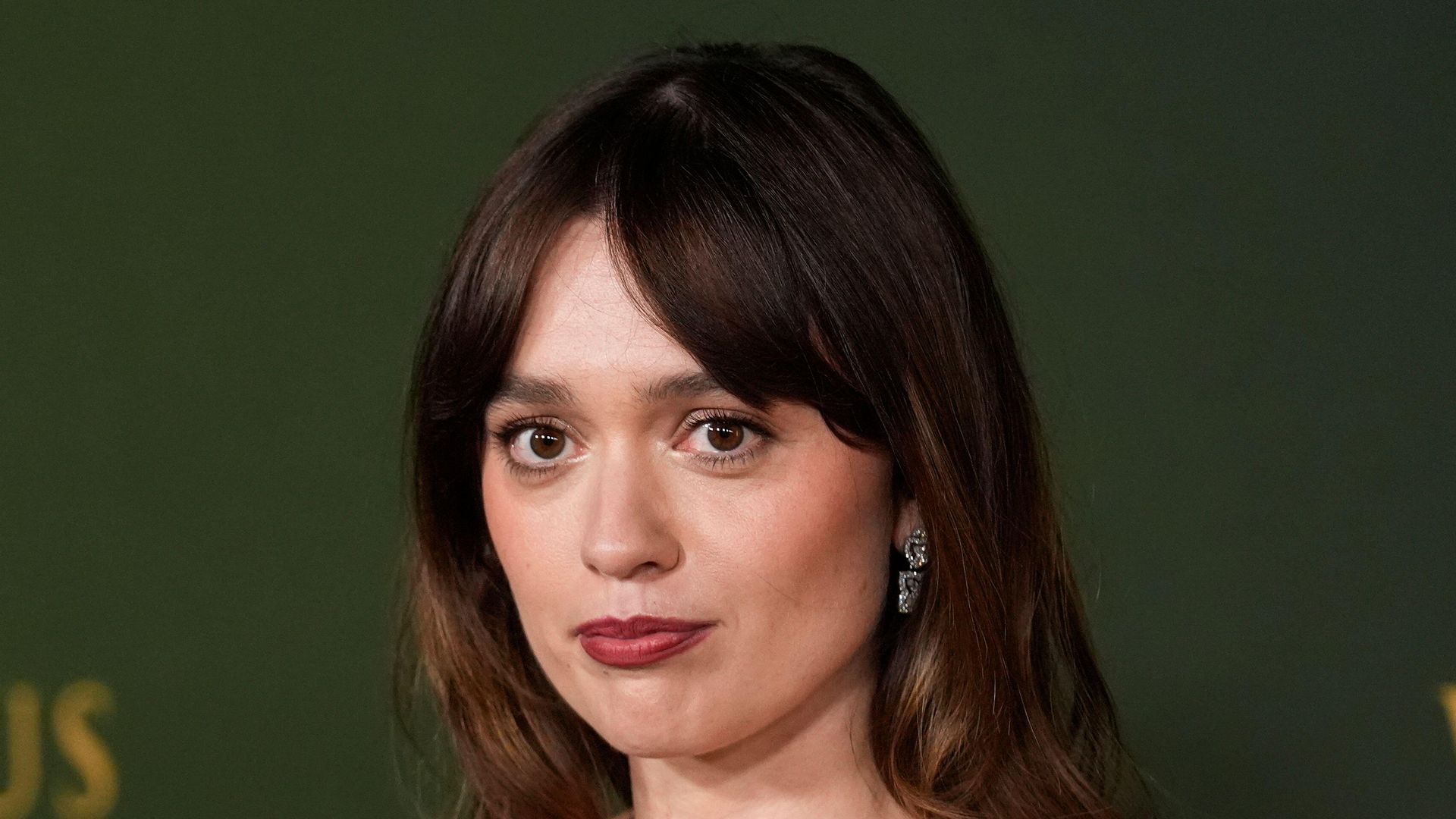
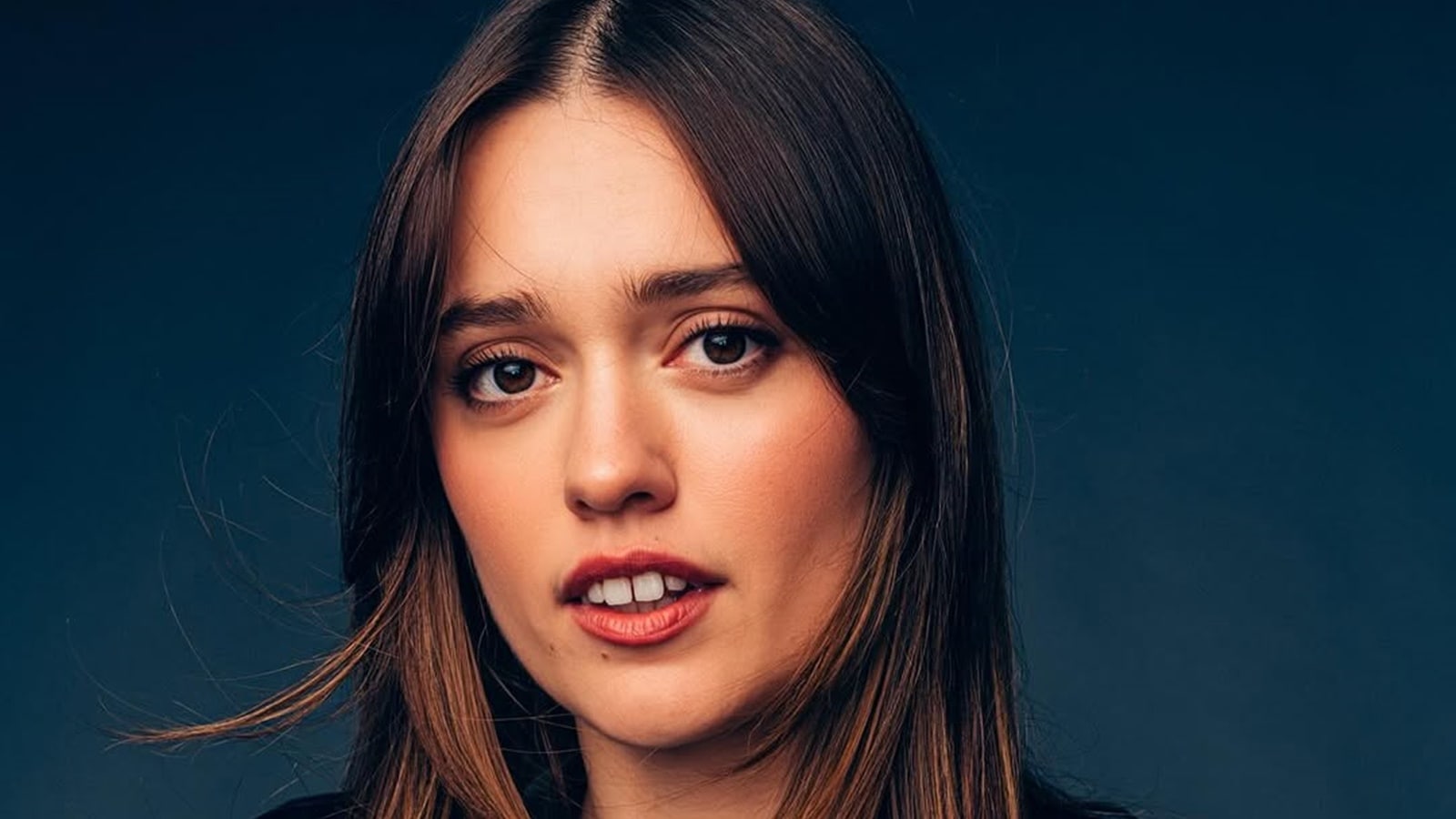
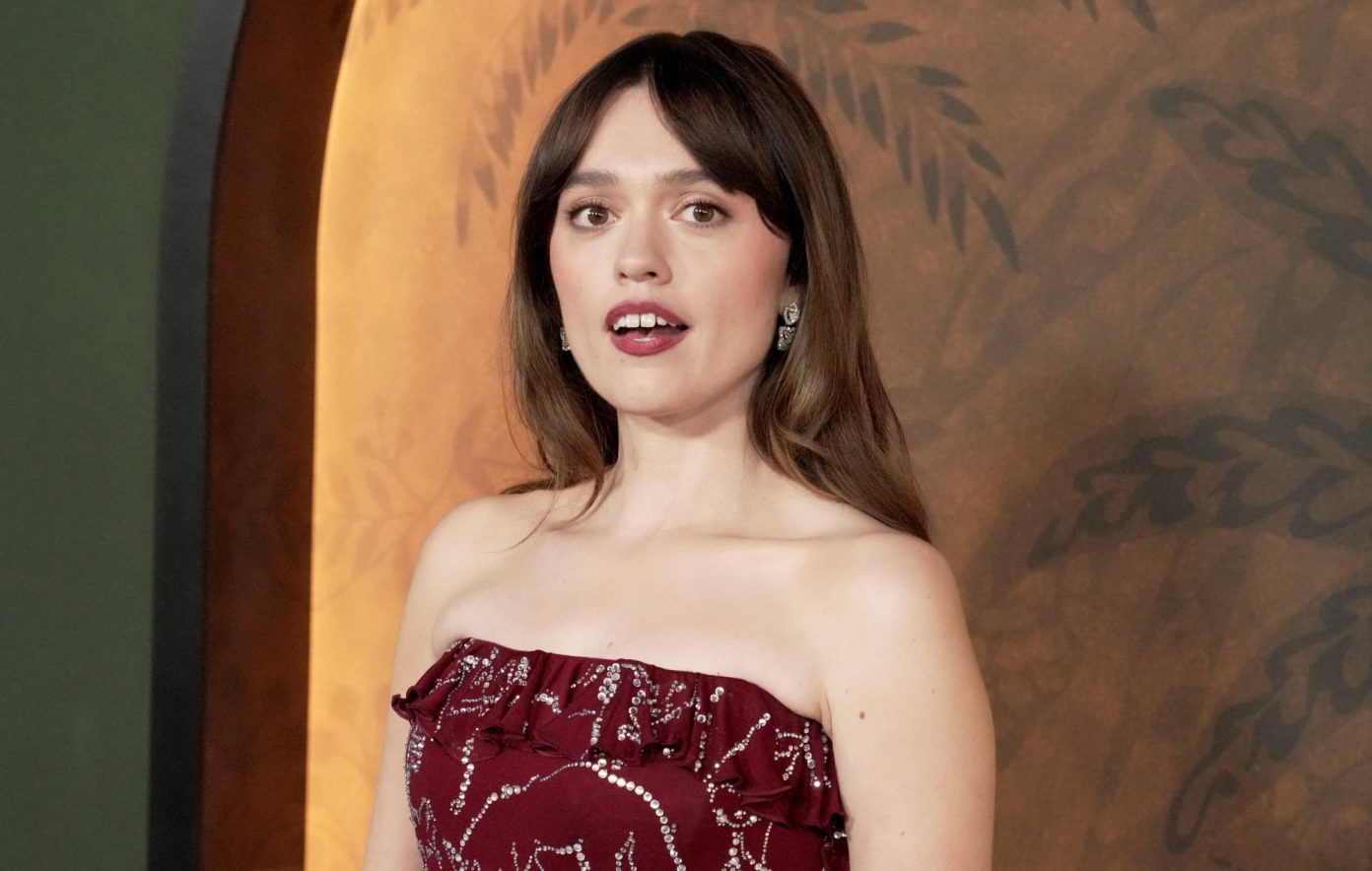
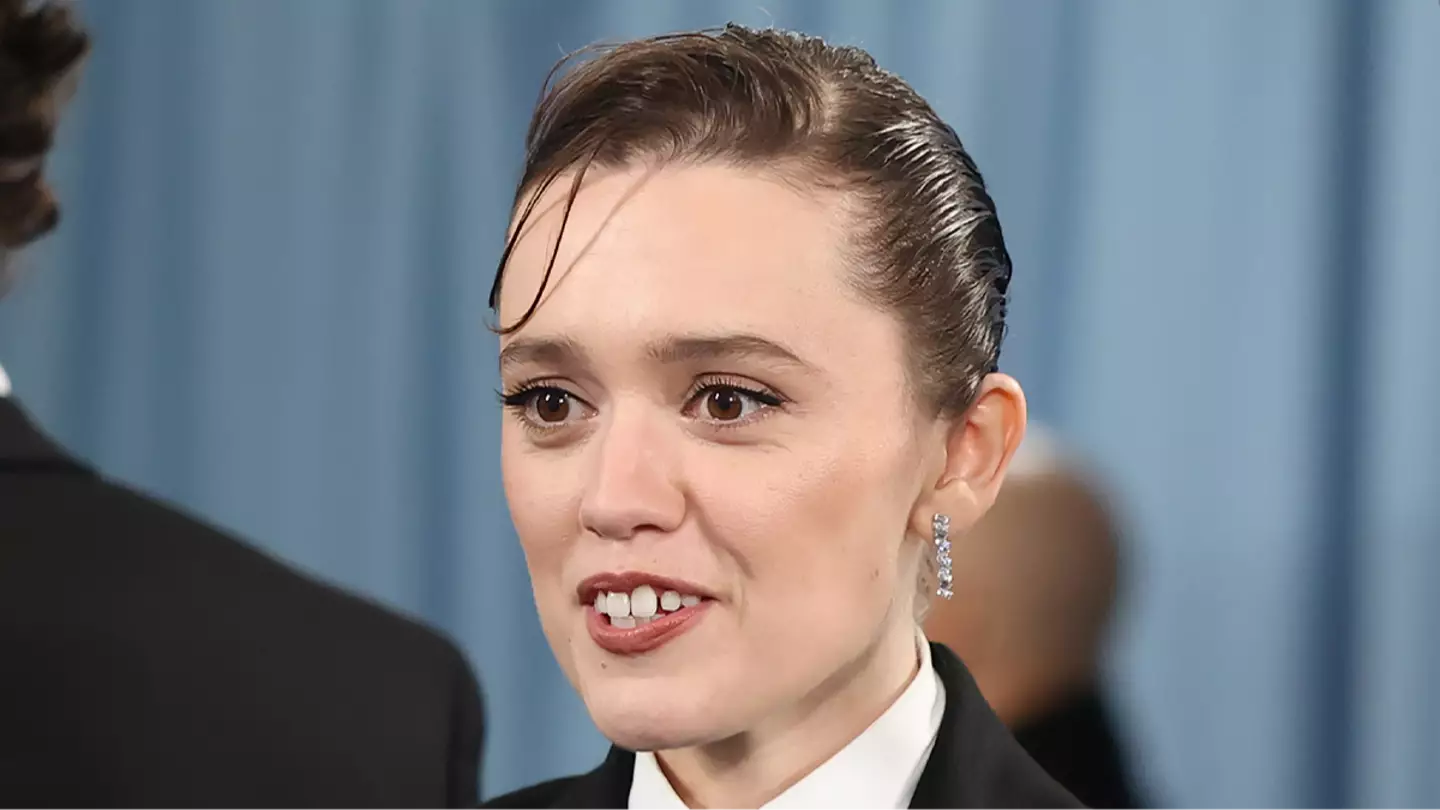
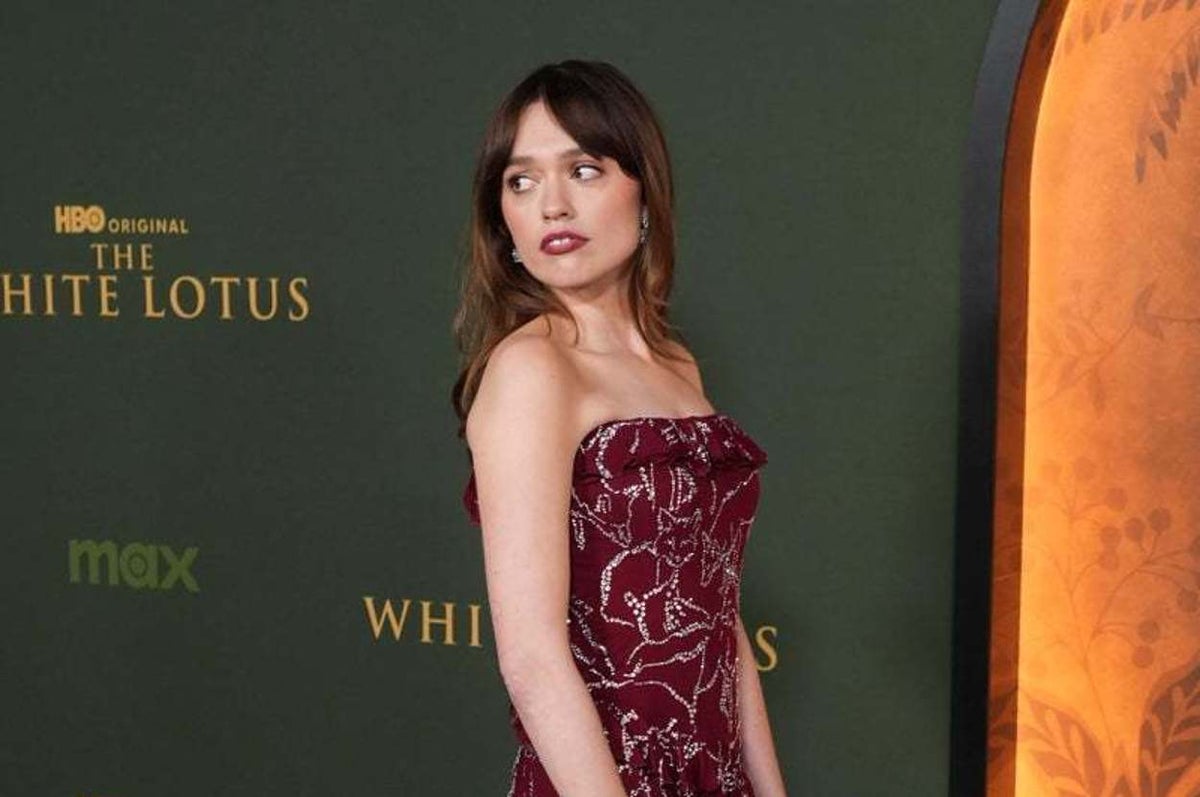
Aimee Lou Wood has translated her critical acclaim from television acting into a distinct digital presence, marked by high-engagement commercial work and organic viral reach on social media. Her ability to bridge the gap between traditional prestige drama and short-form digital content is defined by her natural comedic timing, authenticity, and a unique ability to connect with a Gen Z and Millennial audience through relatable, platform-native content.
The Intersection of Traditional Acting and Digital Influence
The modern media landscape has evolved to reward actors who can fluidly shift between long-form cinematic storytelling and the fast-paced, personality-driven nature of platforms like TikTok. Aimee Lou Wood, best known for her portrayal of Aimee Gibbs in the critically acclaimed series Sex Education, represents a successful pivot in this regard. Unlike many of her contemporaries, Wood does not rely on a curated, untouchable "celebrity" persona. Instead, she utilizes the camera as a tool for intimacy, often mirroring the vulnerability and humor of her on-screen characters in her commercial appearances.
When an actor of Wood’s stature appears in a commercial, it is rarely just a transactional placement. Brands today look for "cultural capital"—the ability of an individual to spark conversation that extends beyond the 30-second spot. Her viral commercial success is rooted in the "TikTok-friendly" aesthetic: raw, unpolished, and high-energy content that feels like a shared moment between friends rather than a corporate mandate.
Key Characteristics of Her Viral Appeal
What defines a "viral" commercial appearance for a star like Aimee Lou Wood? The success of her digital presence is largely attributed to several identifiable characteristics that differentiate her from traditional commercial spokespeople.
1. Authenticity and Accessibility
Wood’s public persona is characterized by a lack of pretension. In many of her commercial and social media collaborations, she remains recognizable—often keeping the same hair, makeup, and mannerisms that fans associate with her most beloved roles. This lowers the barrier to entry for the viewer; the audience feels they are engaging with a person rather than a brand billboard.
2. Comedic Timing and Physicality
Her background in theatre and television comedy allows her to inject personality into constrained commercial formats. In an era where many commercials are skipped, Wood utilizes physical comedy and expressive facial acting to grab attention within the first three seconds of a video. This specific skill set is essential for the TikTok algorithm, which prioritizes videos that keep users watching until the end.
3. Strategic Platform Integration
Wood’s "best ads" are rarely restricted to traditional television broadcast. They are typically conceptualized with social media dissemination in mind. This means the content is shot vertically, incorporates trending audio or editing styles, and is designed to be "remixed" or shared by followers.
Evolution of Commercial Appearances
The trajectory of Wood's commercial work shows a clear shift toward brand partnerships that allow for creative input. Unlike the traditional "actor-as-pitchman" model, where the creative is dictated by the brand, Wood frequently engages in campaigns that feel like an extension of her creative voice.
| Category | Traditional Commercials | Viral/TikTok-Native Content |
|---|---|---|
| Format | Horizontal (16:9), cinematic | Vertical (9:16), handheld feel |
| Pacing | Measured, storytelling-focused | Rapid, jump-cut heavy |
| Engagement | Passive viewership | Comments, stitches, and duets |
| Brand Voice | Scripted and professional | Conversational and spontaneous |
This table highlights the fundamental difference between legacy media and modern social-first advertising. For creators like Aimee Lou Wood, the "best" ads are those that do not feel like advertising at all, but rather organic content that highlights a product as a side note to a relatable experience.
The Role of TikTok in Sustaining Relevance
TikTok functions differently than any other social media platform. It is a discovery engine rather than a social network, meaning that an actor’s content can reach thousands of viewers who do not follow them. For a star of Aimee Lou Wood’s stature, this is a powerful marketing tool. By creating content that leans into the "viral" aesthetic—using trending sounds, participating in niche subcultures, or engaging in "get ready with me" (GRWM) style formats—she maintains a constant presence in the public consciousness, even during hiatus periods from television filming.
This strategy serves two purposes:
- Audience Retention: It keeps her existing fan base engaged between major project releases.
- Brand Alignment: It positions her as an "influencer-adjacent" figure, making her highly desirable to brands that are trying to reach a demographic that has largely abandoned linear television for mobile-first content.
Common Pitfalls in Celebrity-Led Advertising
Despite the success of figures like Aimee Lou Wood, many celebrity ad campaigns fail to achieve "viral" status. Understanding why this happens provides context for why Wood’s specific approach works.
A frequent error is the "Corporate Stiff" approach, where an actor is placed in an environment that conflicts with their established brand identity. When a viewer senses that an actor is reading a script they do not believe in, the engagement drops instantly. TikTok’s algorithm penalizes low-engagement content, meaning that even a high-budget, high-profile commercial will vanish from feeds if it feels "inauthentic."
Furthermore, failing to adapt to the technical requirements of the platform is a common oversight. Commercials that are merely "cropped" versions of television ads rarely perform well on TikTok. They lack the native "feel" that users on the platform prefer. Successful campaigns featuring Aimee Lou Wood typically involve her recording the content in a way that respects the platform’s unique constraints and expectations.
Future Outlook for Digital Celebrity Marketing
As we look toward the later months of 2026, the trend of celebrities becoming primary drivers of viral content will likely accelerate. The distinction between a traditional commercial and a brand-sponsored TikTok video is effectively disappearing. For Aimee Lou Wood, the key to sustaining this momentum will remain her ability to choose partners that align with her public image and to continue prioritizing authentic storytelling over polished product placement.
Future campaigns will likely incorporate more advanced interactive elements, such as augmented reality (AR) filters or collaborative content that invites the audience to participate in the ad’s narrative. For actors who can master this balance, the commercial landscape represents a new frontier for career growth and brand building that is just as significant as their work in feature films or streaming series.
Frequently Asked Questions
How does Aimee Lou Wood’s acting experience influence her commercial work?
Her background in professional acting allows her to utilize character-driven performance, which provides a layer of emotional resonance and humor often missing from standard commercials. This helps her content stand out by appearing as a narrative vignette rather than a sales pitch.
Why do brands prefer "viral-style" ads over traditional television spots?
TikTok-style advertisements are more cost-effective to produce and have higher organic reach among younger demographics. Because they feel native to the platform, viewers are less likely to use ad-blockers or skip the content, leading to higher conversion and brand affinity.
Can any celebrity succeed on TikTok, or is it specific to certain types of talent?
While any celebrity can join the platform, those who succeed generally possess a high degree of self-awareness and the ability to pivot away from a "perfect" image. The platform demands a degree of vulnerability that some traditional celebrities find difficult to navigate, which is why Wood’s ability to remain "real" is a significant competitive advantage.
Are Aimee Lou Wood’s ads scripted or improvised?
Most high-performing social media commercials are a hybrid. They follow a script or a bulleted list of talking points (the brand mandate) but allow the actor to improvise the delivery, rhythm, and specific phrasing. This "scripted spontaneity" is what makes the content feel natural and relatable to the audience.
How can a fan distinguish between a genuine endorsement and a paid partnership?
In 2026, transparency remains a priority. Legitimate collaborations involving public figures are almost always marked with specific disclosure tags—such as "Paid Partnership" or "#ad"—as required by regulatory standards and platform policies regarding consumer transparency.
Next Actions for Content Strategy
If you are analyzing the success of celebrity-led digital campaigns, focus on the "first-three-second rule." Watch the ads featuring Aimee Lou Wood and note how she utilizes a "hook"—whether it is a sharp movement, an unexpected line of dialogue, or a change in tone—to prevent the viewer from scrolling. For brands or creators looking to emulate this, the takeaway is simple: prioritize the personality over the product, and ensure that the advertisement serves as a piece of content that a user would voluntarily consume even if they were not in the market for the product itself.