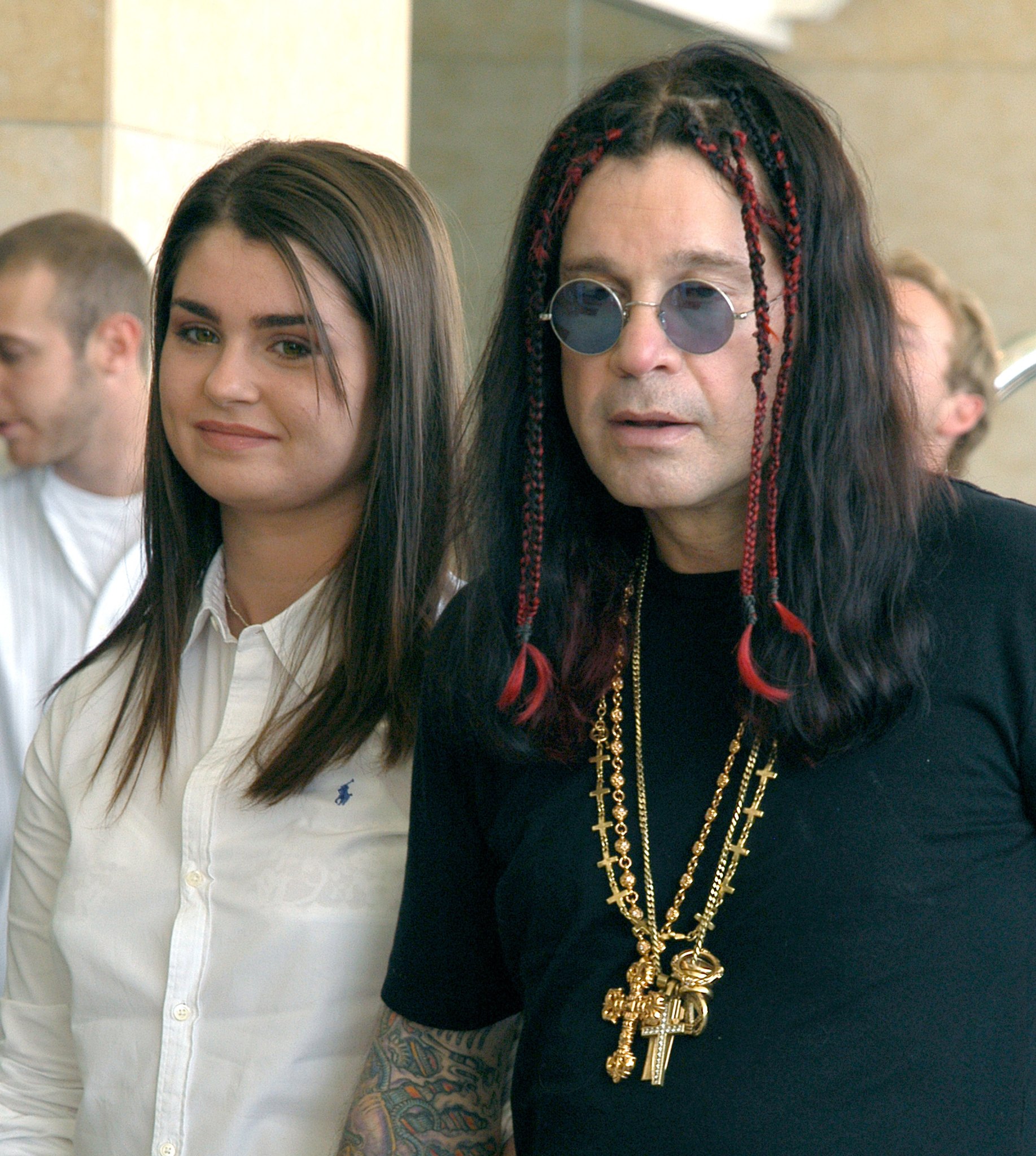
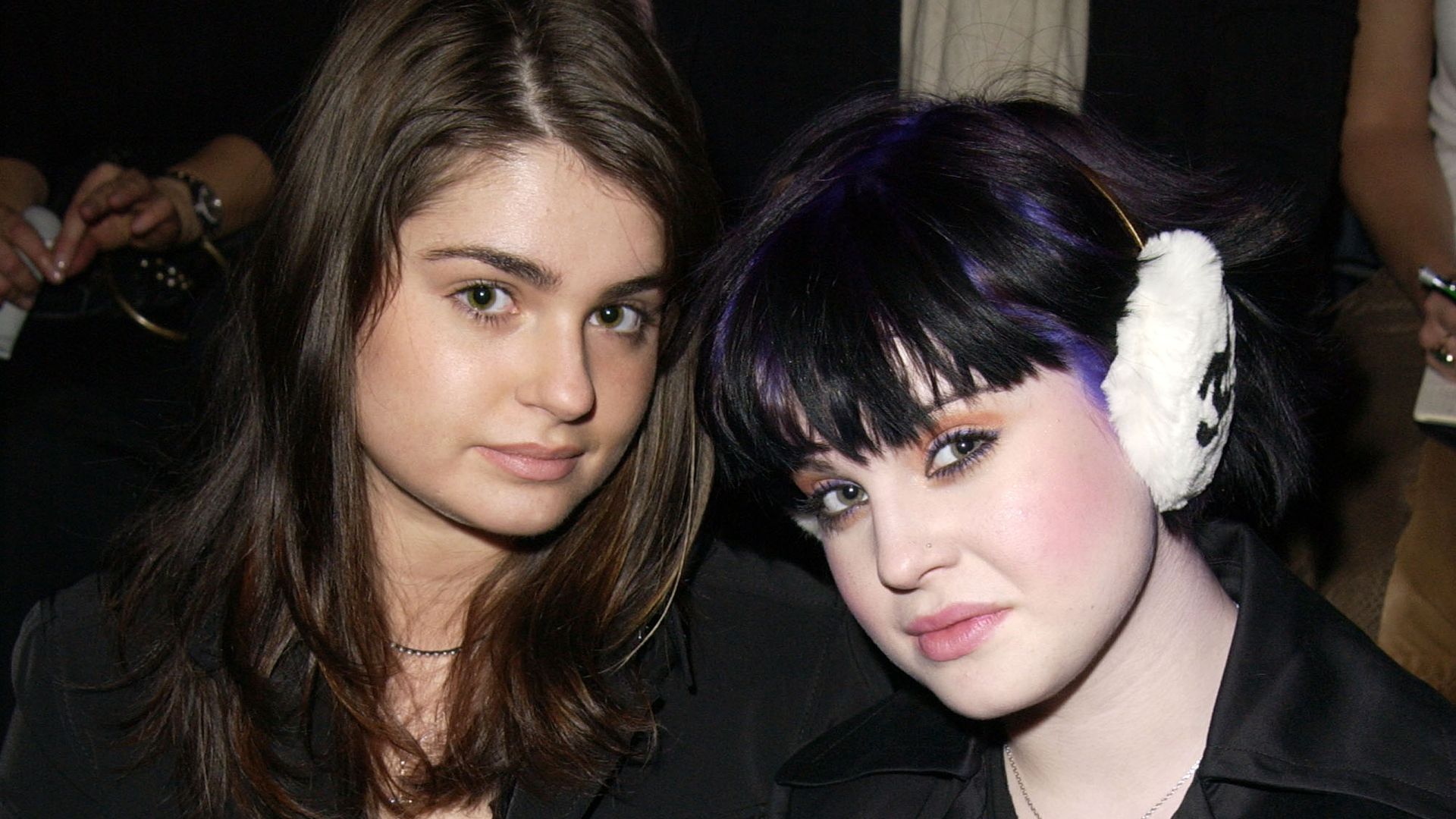
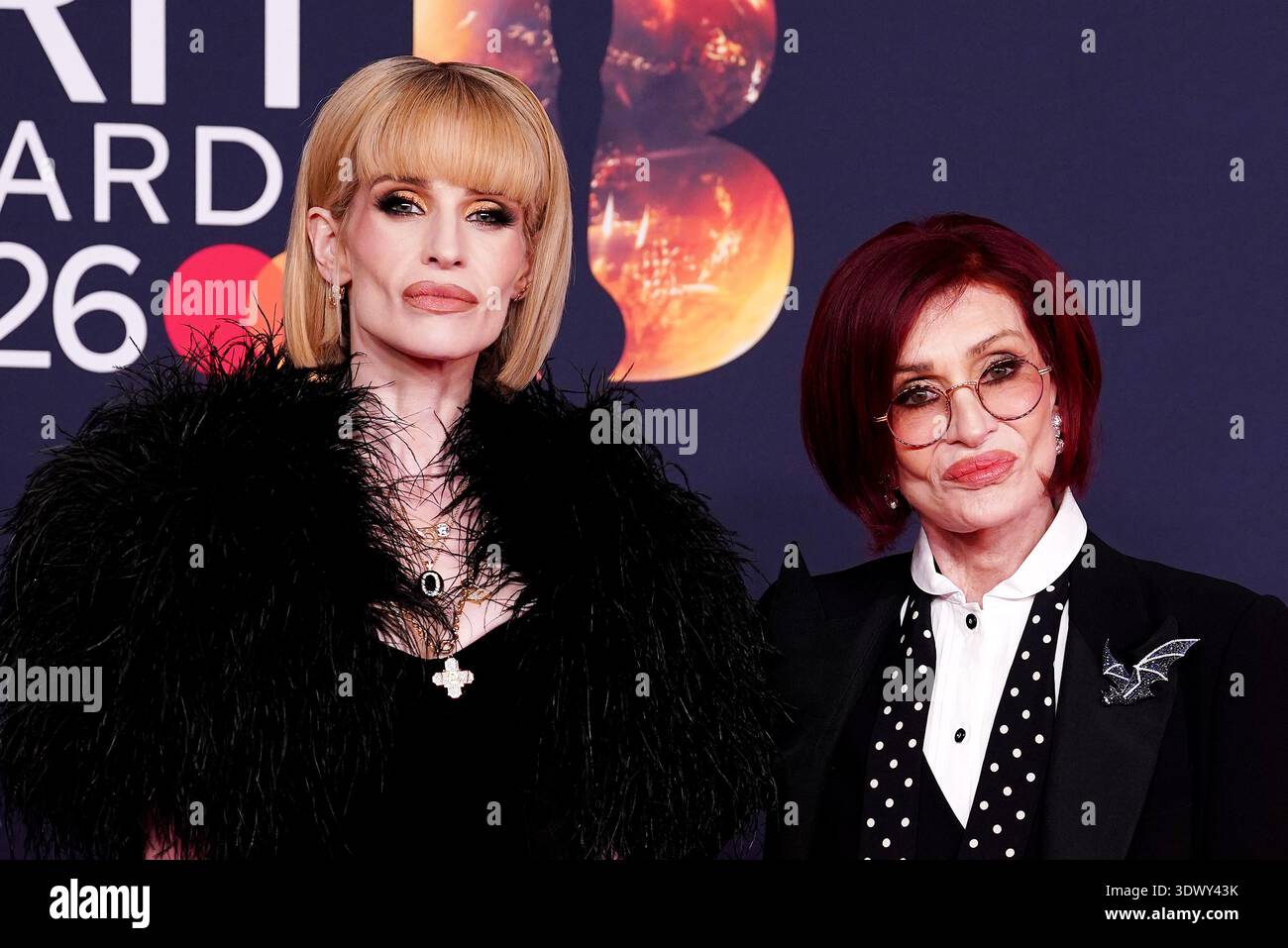
Aimee and Kelly Osbourne represent two distinct paths within the modern celebrity paradigm, demonstrating how individuals from high-profile families can curate personal autonomy while navigating the complexities of public visibility. By diverging from the traditional reality television trajectory, both sisters have established independent professional identities that contrast sharply with the legacy of their parents' fame.
The Divergent Paths of the Osbourne Sisters
The public perception of Aimee and Kelly Osbourne is often framed through the lens of their upbringing as the daughters of Ozzy and Sharon Osbourne. However, their approaches to fame have been fundamentally different since the early 2000s. While their brother, Jack, and younger sister, Kelly, became household names through the MTV reality series The Osbournes, Aimee intentionally stepped away from that platform.
Aimee’s decision to opt out of reality television was an early assertion of boundary-setting. In a media environment that thrived on the "fly-on-the-wall" aesthetic, her refusal to participate allowed her to develop her artistic identity—specifically in music under the moniker ARO—outside the shadow of the series. This choice redefined what it meant to be a child of fame, prioritizing creative privacy over immediate, show-driven celebrity.
Kelly, conversely, embraced the platform afforded by her family’s visibility. Using the momentum from The Osbournes, she transitioned into a multi-faceted career that includes music, fashion design, television hosting, and advocacy. By leaning into the public eye, Kelly navigated the transition from "reality star" to a recognizable industry personality, proving that one could sustain a career by engaging with, rather than retreating from, the public consciousness.
Analyzing the Mechanics of Modern Celebrity
The "sister act" of Aimee and Kelly is less about a collaborative project and more about the dual-approach study of image management. Their paths provide a roadmap for how individuals in the public eye manage their personal brands in the age of constant surveillance.
| Feature | Aimee Osbourne (ARO) | Kelly Osbourne |
|---|---|---|
| Primary Media Engagement | Low (Selective/Artistic) | High (Mainstream/Broadcast) |
| Career Foundation | Independent Music/Art | Reality TV/Broadcasting |
| Public Presence Strategy | Privacy-Centric | Engagement-Centric |
| Branding Focus | Artistic Autonomy | Personal Evolution |
This comparison highlights that "redefining fame" is not a monolithic task. For Aimee, the definition involved stripping away external narratives to maintain artistic integrity. For Kelly, it involved taking control of the narrative provided by the media and leveraging it to build a long-term professional platform.
Privacy as a Professional Asset
In 2026, the concept of privacy has become a rare commodity for high-profile figures. Aimee Osbourne’s trajectory serves as a primary case study in the efficacy of strategic withdrawal. By avoiding the pitfalls of the early 2000s reality television boom—a period characterized by the relentless commodification of personal family drama—she protected her ability to pivot into various creative industries without the public having a pre-determined opinion of her based on televised conflict.
For the audience, Aimee’s path provides a lesson in the importance of individual agency. Her career underscores that a surname does not mandate a specific career path. By choosing not to participate in the "Osbourne" media machine, she established a precedent for subsequent generations of celebrity children who seek to capitalize on their talents rather than their lineage.
Evolution of the Public Persona
Kelly Osbourne’s journey serves as a study in sustained visibility and the evolution of a brand. Emerging from a chaotic, highly public childhood, Kelly transformed her image through various high-profile roles, including her work on Fashion Police and her vocal advocacy for mental health and sobriety.
Redefining fame, in Kelly’s context, meant moving from a subject of public ridicule or fascination to an arbiter of style and a voice of experience. She leveraged the initial fame as an entry point, then systematically replaced that early caricature with her own professional achievements. This demonstrates a transition from being a product of one's environment to being the architect of one's own career.
Navigating the Expectations of Legacy
The pressure on the children of global music icons is immense. The public and industry often demand a replication of the parents' success or, conversely, a complete rejection of it. Aimee and Kelly have navigated these expectations by occupying opposite ends of the spectrum, yet both have achieved a form of independence that breaks the traditional cycle of "famous offspring."
The "ultimate sister act" is their combined legacy: the proof that there is no singular way to manage the weight of a famous last name. One sister showed that value can be found in the silence and the craft, while the other showed that value can be extracted from the noise and the spotlight. Both strategies require an acute awareness of brand identity and the risks associated with public perception.
Strategic Lessons in Personal Brand Management
The lesson for observers in 2026 is that personal branding requires intentionality. Whether one chooses total anonymity or total transparency, the success of the strategy depends on how well the individual aligns their choices with their core values.
- Defining Boundaries: Aimee’s path proves that saying "no" to a platform is a valid career choice that preserves one's future optionality.
- Platform Leveraging: Kelly’s path proves that existing in the spotlight requires the ability to evolve, change, and pivot consistently to stay relevant beyond the initial novelty.
- Control of Narrative: Both sisters recognize that when you are a public figure, your narrative will exist regardless. Taking charge of that narrative—whether by obscuring it or directing it—is the only way to retain autonomy.
Frequently Asked Questions
Did Aimee Osbourne ever participate in reality television?
Aimee Osbourne notably declined to participate in The Osbournes, the reality series that made her family household names. She prioritized her personal privacy and early music career over the exposure provided by the show.
How has Kelly Osbourne’s career evolved since her early reality TV days?
Kelly Osbourne transitioned from a reality personality to a successful television host, fashion critic, and entrepreneur. She has built a career focused on style, lifestyle commentary, and advocacy, moving well beyond the initial premise of her family's fame.
What is the musical style of Aimee Osbourne’s project, ARO?
Aimee’s musical project, ARO, is generally categorized as synth-pop with dark, atmospheric undertones. The project is focused on artistic expression rather than mainstream pop success, reflecting her desire to maintain an independent creative voice.
Why do some critics refer to Aimee and Kelly as "redefining fame"?
The phrase refers to their success in navigating life in the public eye after a chaotic, highly visible upbringing. By choosing different paths—one opting for artistic anonymity and the other for mainstream professional growth—they have both successfully built identities that are distinct from their parents.
Is the "sister act" of Aimee and Kelly a professional collaboration?
There is no formal "sister act" in terms of shared professional projects or business ventures. They are referred to as such by the media to contrast their divergent approaches to managing their shared history and the resulting public interest in their lives.
Recommendation for Further Engagement
To understand the broader impacts of legacy-based career trajectories, observe how individuals within high-profile families use digital media to assert control. While the Osbourne sisters rose to prominence during the era of cable television, their current strategies of selective engagement and brand evolution are highly relevant to the modern social media landscape. For those interested in the study of celebrity dynamics, focusing on the distinction between private life and public image as demonstrated by these two figures offers a clear framework for how to maintain professional autonomy regardless of one's origins.