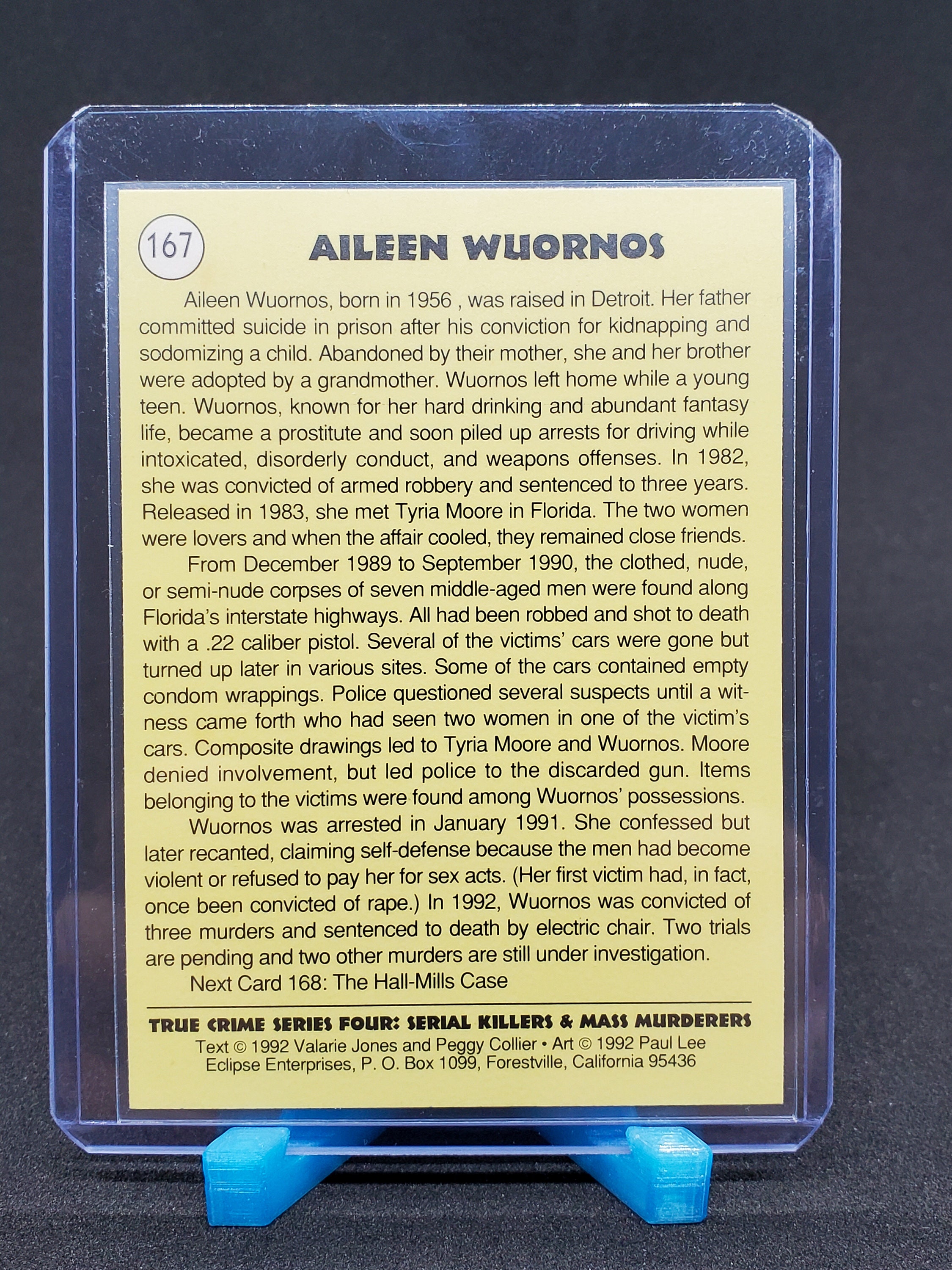
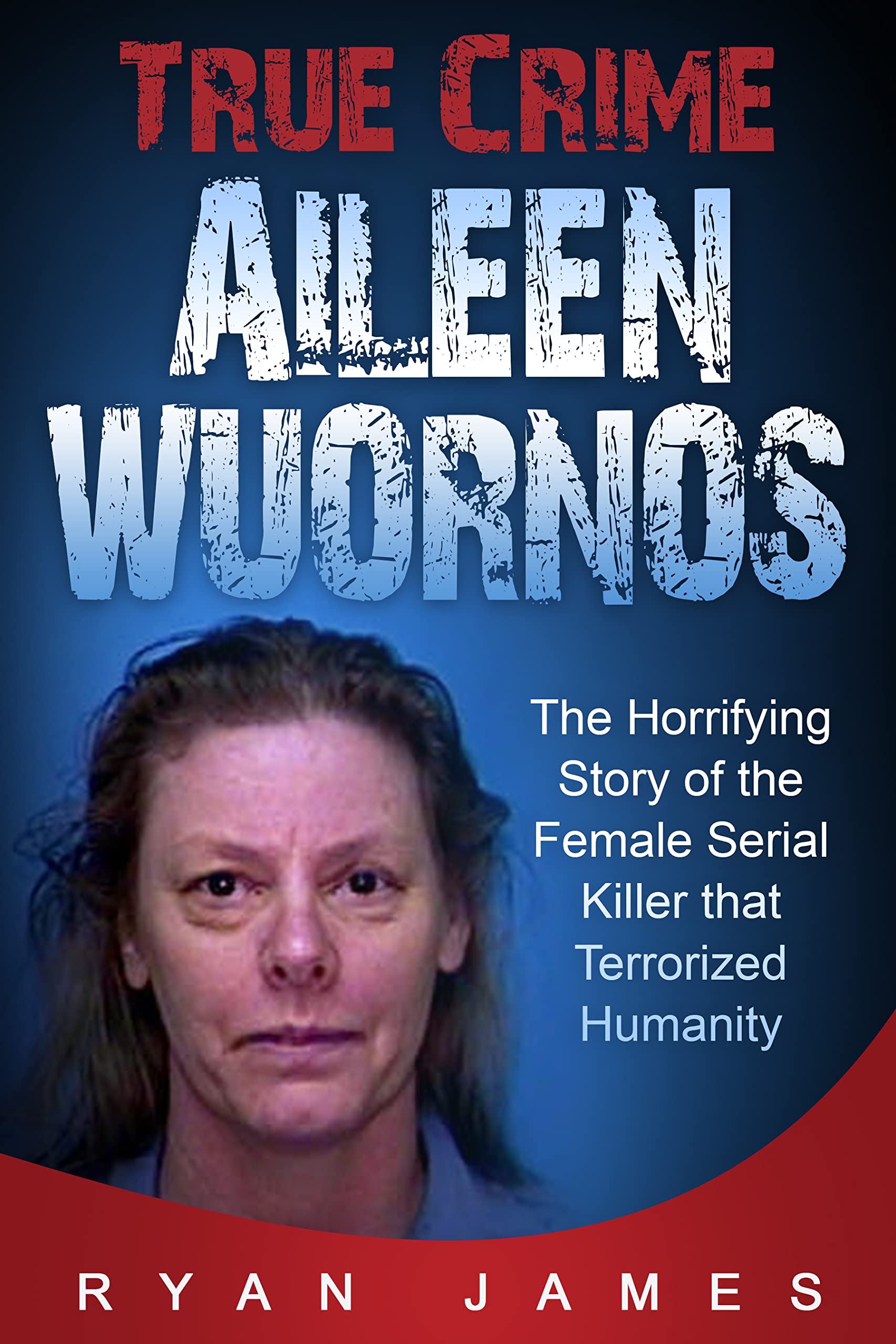
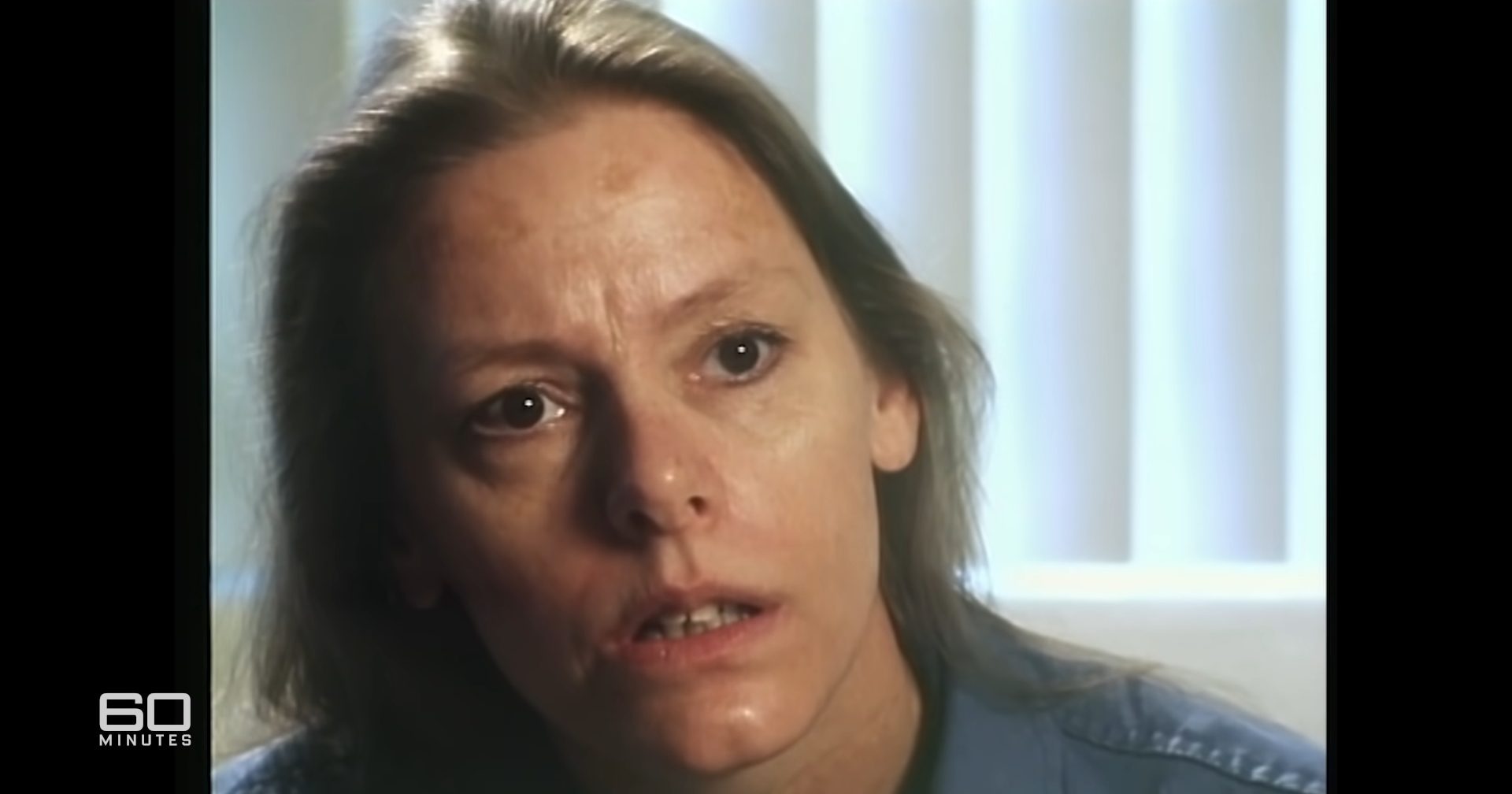
The Aileen Wuornos story represents one of the most complex and polarizing cases in modern American true crime history. Between 1989 and 1990, Wuornos confessed to killing seven men in Florida, claiming these acts were committed in self-defense while working as a sex worker. Her saga fundamentally shifted public discourse regarding the intersection of trauma, systemic failure, and the legal treatment of female offenders in the justice system.
The Early Life and Formative Trauma of Aileen Wuornos
Understanding the trajectory of Aileen Wuornos requires an objective examination of her early life, which was characterized by extreme instability and abuse. Born in Rochester, Michigan, in 1956, Wuornos experienced a childhood marked by abandonment, physical violence, and sexual abuse. These early environmental stressors are frequently cited by psychologists and biographers as foundational to the later behavioral patterns she exhibited as an adult.
By the time she reached her teenage years, Wuornos had become a transient, often relying on sex work for survival while navigating the fringes of society. Her life during the 1970s and 1980s involved constant movement, interactions with law enforcement, and a lack of permanent support systems. This period is crucial for legal researchers and sociologists, as it highlights the systemic gaps that failed to provide intervention for an individual dealing with severe developmental trauma and pervasive victimization.
The 1989-1990 Florida Murders
The core of the "Aileen Wuornos story" revolves around the series of killings that occurred along Florida’s highways. Between November 1989 and November 1990, the bodies of seven men were discovered in various locations throughout the state. All victims were white men, ranging in age from 40 to 65, who had been shot with a .22 caliber pistol.
Wuornos was arrested in January 1991, not for the murders initially, but due to a separate warrant and a pattern of evidence gathering that eventually linked her to the crime scenes. During subsequent interrogations, she admitted to the killings but remained adamant that her actions were a response to violent sexual assault attempts. The legal strategy relied heavily on this "self-defense" argument, which ultimately failed to convince juries in the face of forensic evidence and her changing testimonies.
Legal Proceedings and the Trial Strategy
The trial of Aileen Wuornos became a landmark case for the Florida judicial system. It presented significant challenges regarding the introduction of "battered woman syndrome" as a defense strategy. Defense attorneys argued that her background of systemic abuse had conditioned her to perceive lethal threats in encounters that others might not classify similarly.
However, the prosecution successfully highlighted the premeditated nature of the crimes, including the theft of victims' vehicles and personal property, which undermined the argument of immediate necessity. The legal process resulted in six death sentences. Throughout the appeals process, which lasted over a decade, Wuornos famously attempted to fire her legal counsel and sought to speed up her own execution, creating a bizarre and tragic final chapter to her courtroom saga.
Comparison of Legal and Public Narratives
The true crime narrative surrounding Wuornos often shifts between portraying her as a victim of circumstance and a calculated serial killer. The following table highlights the primary conflicting perspectives that continue to dominate discourse on the case.
| Perspective | Core Argument | Key Evidence Cited |
|---|---|---|
| Legal/Prosecutorial | Calculated premeditated murder | Theft of property, multiple crime scenes, forensic evidence |
| Defensive/Sociological | Survivalist self-defense | History of trauma, context of sex work dangers |
| Media/Cultural | A tragedy of systemic failure | Childhood institutionalization, lack of social support |
| Appellate/Psychiatric | Diminished capacity/Mental health | Multiple personality claims, erratic behavior, suicide attempts |
Media Influence and the "Monster" Archetype
The public perception of Aileen Wuornos was heavily shaped by media coverage in the early 1990s. She was one of the first high-profile female serial killers to receive sustained national attention, leading to the sensationalist media moniker "America’s first female serial killer." This label, while technically contested by historians of American crime, cemented her place in popular culture.
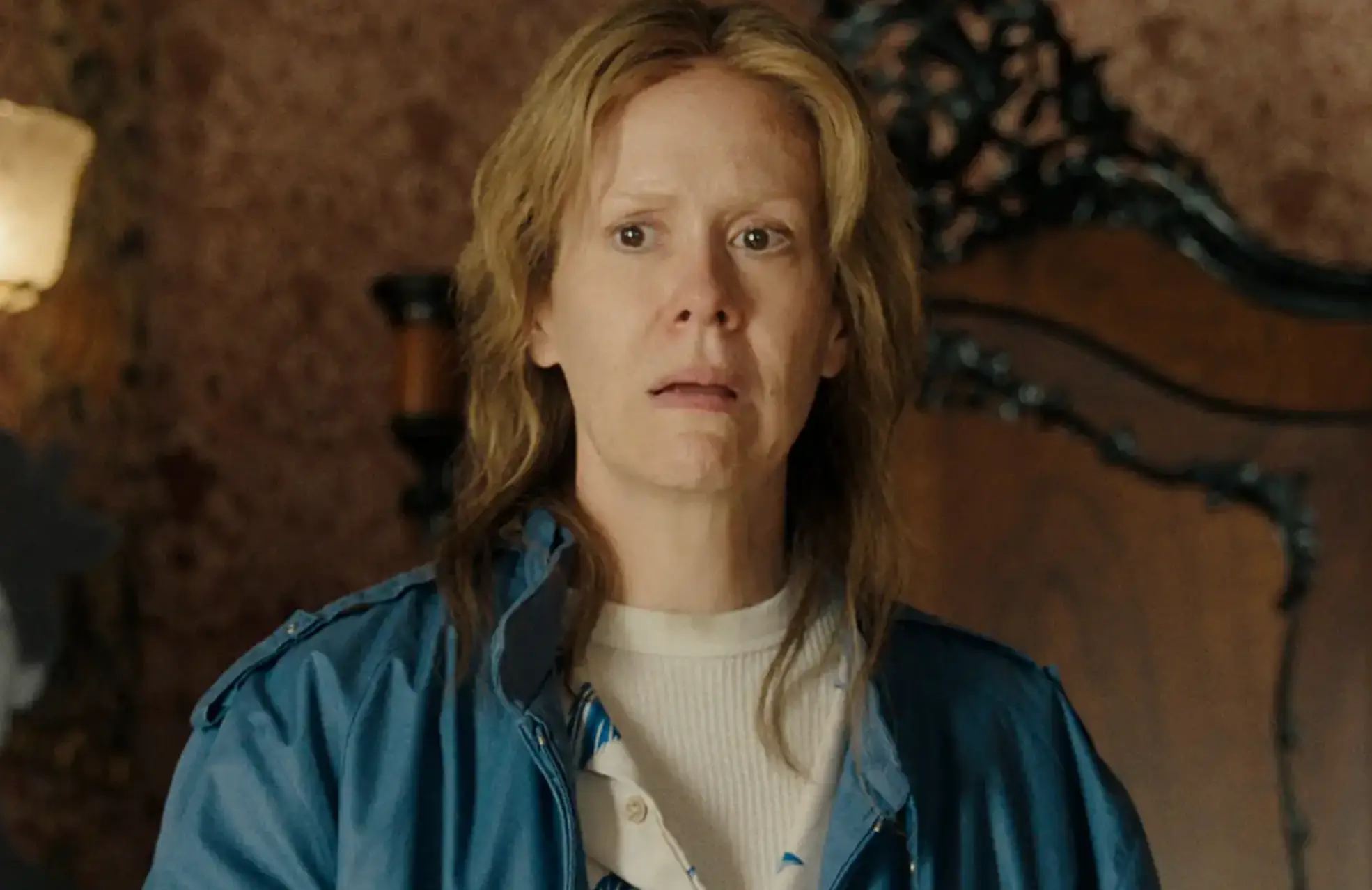
Later, documentaries such as Nick Broomfield’s Aileen Wuornos: The Selling of a Serial Killer (1993) and the 2003 biographical film Monster starring Charlize Theron, transformed the narrative again. These works moved the focus toward the exploitation of Wuornos by those around her, including her former partner, Tyria Moore, and documentary filmmakers who sought to profit from her notoriety. This shift in perspective underscores the ethical concerns inherent in true crime storytelling—specifically, how human tragedy is commodified for entertainment.
Executed Finality and Its Aftermath
Aileen Wuornos was executed via lethal injection at the Florida State Prison on October 9, 2002. Her final statements were cryptic, often oscillating between railing against the legal system and making erratic claims about her intent. The execution ended a chapter that remains a case study in the failures of the state to protect vulnerable individuals from cycles of violence.
In 2026, the case continues to be a staple in academic curricula regarding forensic psychology, gender in the criminal justice system, and the ethics of capital punishment. It serves as a reminder that the "true crime saga" is often less about the individual and more about the societal institutions that fail to prevent the formation of such stories in the first place.
Frequently Asked Questions
Did Aileen Wuornos really kill seven men?
Aileen Wuornos confessed to killing seven men, claiming self-defense in each instance. She was convicted for six of these murders, for which she received six separate death sentences, while the seventh case was handled through plea agreements.
Was the self-defense claim ever legally accepted?
No. In all of her trials, the jury rejected the self-defense plea. The prosecution effectively demonstrated that the presence of stolen items and the duration over which the crimes occurred contradicted the claim that the killings were immediate, necessary actions of survival.
What is the significance of the film 'Monster' in her story?
The 2003 film Monster brought significant international attention to her life story. While the film provided a sympathetic portrayal of her struggles and trauma, it also faced criticism for the creative liberties taken, which some argued further mythologized a very real and violent history.
How has the legal system changed since the Wuornos trial?
The case highlighted significant gaps in how the justice system treats individuals with complex histories of trauma. In the years since, there has been a greater, albeit imperfect, movement toward incorporating trauma-informed practices in legal defense and sentencing, specifically regarding gender-based violence.
Is the Aileen Wuornos case considered a mystery?
While the identity of the killer is not a mystery, the underlying motivations and the complete truth of her interactions with the victims remain a subject of debate. The lack of witnesses to the initial confrontations means the narrative is largely defined by the tension between her claims and the state's forensic findings.
What should viewers look for when researching this case?
When examining this saga, it is essential to prioritize primary sources, such as trial transcripts and official investigative reports, over dramatized media. Understanding the socioeconomic context of the late 1980s in Florida is also necessary to evaluate the systemic pressures Wuornos faced.
Recommendations for Further Study
For those interested in the complexities of this case, the most reliable path forward is to review the Florida Department of Corrections records regarding her incarceration and the specific transcripts from her 1992 trial. Engaging with these documents provides a grounding in the facts that are often obscured by cultural commentary. Avoid relying solely on film or television adaptations, as these are inherently edited to suit specific artistic or narrative goals. If you are conducting research for academic purposes, prioritize peer-reviewed journals on criminal justice and sociology, as they often provide a more balanced analysis of the systemic failures documented throughout the life and trials of Aileen Wuornos.