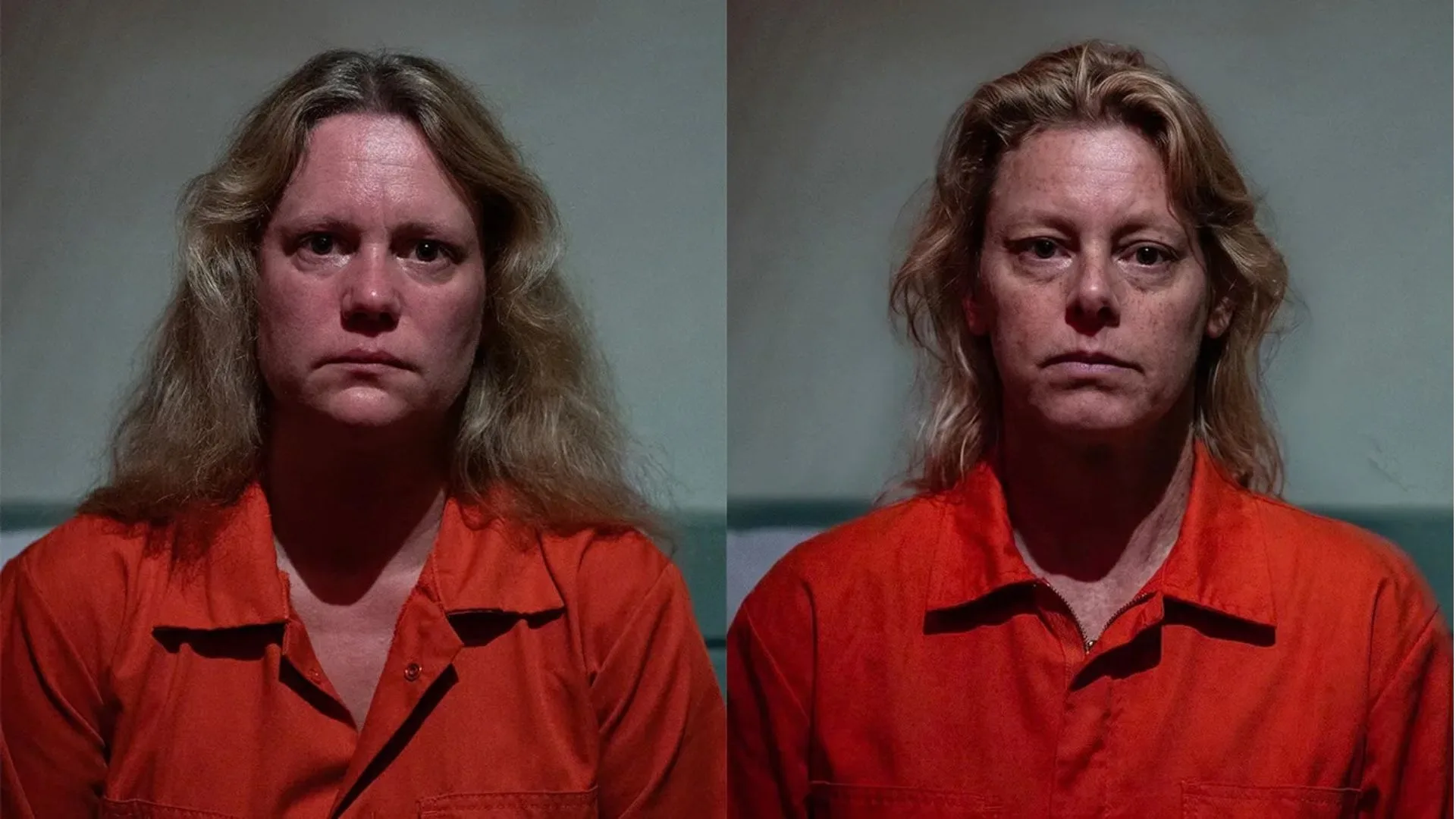
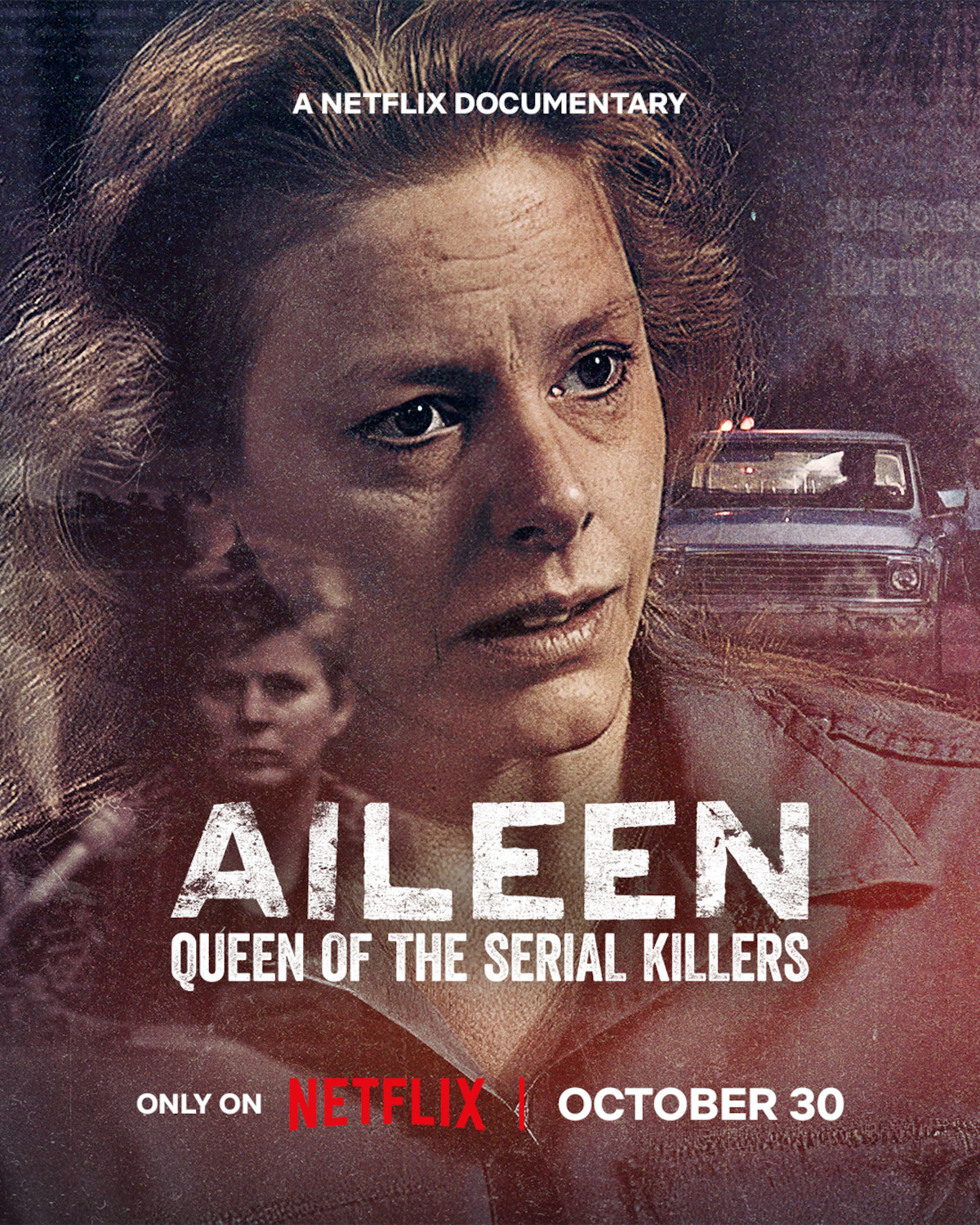
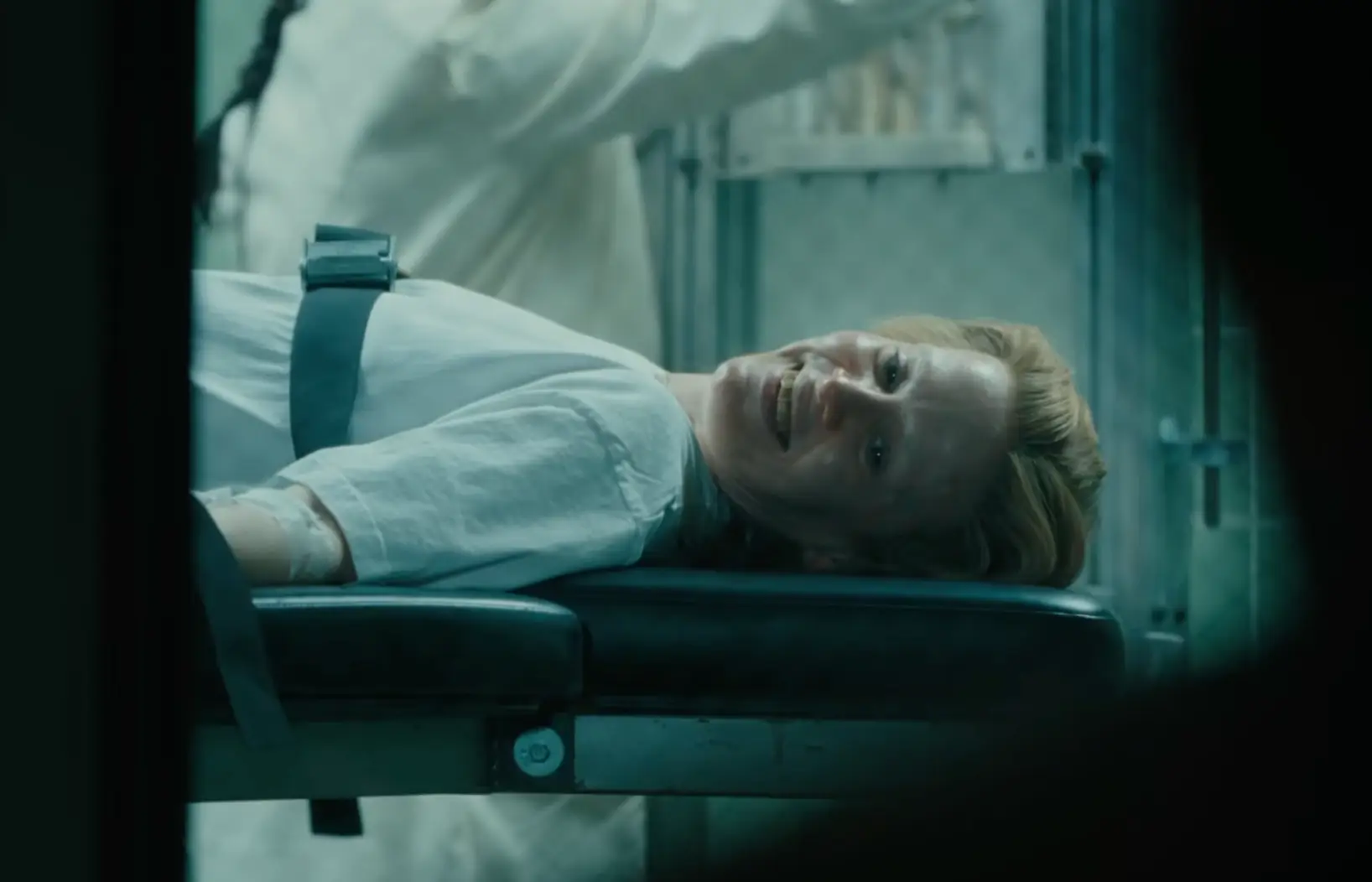
The Netflix series Monster: The Jeffrey Dahmer Story (2022) generated significant public interest in the broader Monster anthology, leading many viewers to seek out information regarding a series focused on Aileen Wuornos. While Netflix features documentaries and dramas about Wuornos, the term "Monster" often refers to the production style and thematic exploration of notorious serial killers within the Ryan Murphy-created anthology platform, rather than a single specific project dedicated solely to her under that exact title.
Understanding the Anthology Approach to True Crime
The confusion surrounding an "Aileen Wuornos Monster Netflix true crime drama" typically stems from the immense popularity of the Monster anthology series. When Netflix debuted the dramatized account of Jeffrey Dahmer, the global discourse shifted toward how streaming platforms handle the legacy of high-profile criminals. Aileen Wuornos, a former sex worker who was executed in Florida in 2002 for the murders of seven men, has been the subject of numerous portrayals, including the 2003 feature film Monster starring Charlize Theron.
Because the Ryan Murphy Monster series aims to dissect the lives of different serial killers in subsequent seasons, viewers often search for when or if a season focusing on Wuornos will be released under the Monster banner. As of 2026, the anthology has transitioned into Monsters: The Lyle and Erik Menéndez Story, continuing the pattern of exploring culturally significant crimes. The distinction is critical: while Wuornos remains a staple of the true-crime genre, she has not been the primary subject of the Monster anthology series to date.
The Real History: Aileen Wuornos vs. Dramatized Media
To understand why there is so much interest in a "drama" about Aileen Wuornos, one must acknowledge the complexity of her case. Wuornos consistently maintained that the killings she committed were acts of self-defense, claiming she was a victim of sexual assault who fought back against her attackers. The legal system, however, found her guilty of first-degree murder. This tension—between the legal narrative of a "cold-blooded killer" and the personal narrative of a "survivor of abuse"—provides the dramatic friction that filmmakers frequently explore.
The 2003 film Monster, written and directed by Patty Jenkins, remains the definitive dramatic portrayal of her life. Charlize Theron’s performance, which earned an Academy Award for Best Actress, shifted the public perception of Wuornos from a caricature of evil to a tragic, albeit violent, figure. When users search for a "Netflix drama" today, they are often conflating the high-production values of modern streaming limited series with the historical dramatic impact of the 2003 film.
Comparing Media Formats: Documentaries vs. Dramatized Dramas
Netflix currently houses several non-fiction projects regarding Aileen Wuornos that viewers often mistake for a "drama." Understanding the difference between these formats is essential for those researching her life.
| Feature Type | Focus | Key Differences |
|---|---|---|
| Dramatized Series | Narrative storytelling, character development, and reenactments. | Often incorporates fictionalized dialogue and interpretative scenes. |
| Documentary Series | Archival footage, interviews with investigators, family, and defense. | Fact-based, relies on primary sources and contemporary testimony. |
| Feature Film | Emotional arc and thematic exploration of a specific timeline. | Highly stylized, focused on cinematic performance and artistic vision. |
While a "drama" (like the Monster anthology) seeks to immerse the audience in the killer’s psychological state, the documentaries available on Netflix—such as Aileen: Life and Death of a Serial Killer—provide a grounded perspective on the judicial proceedings and the specific testimonies that led to her conviction.
Prerequisites for Understanding True Crime Dramas
Before diving into true crime dramas, it is important for audiences to understand the ethical considerations of the genre. Dramatized accounts often take "creative license" to move the plot forward. This can lead to:
- Normalization of Violence: The stylized nature of Netflix dramas can sometimes overshadow the trauma experienced by victims' families.
- Narrative Bias: Because the series focuses on the perpetrator, the victims' stories are frequently relegated to the background, creating a skewed representation of the events.
- Historical Compression: Complex legal battles spanning years are often condensed into single episodes for pacing, which may strip away the nuance of the actual police investigation.
For those interested in the objective reality of the Aileen Wuornos case, it is recommended to supplement any dramatized viewing with court transcripts or the 1992 documentary Aileen Wuornos: The Selling of a Serial Killer by Nick Broomfield. These sources offer a starkly different, often less "glamorized" view of the events.
Addressing the Legal and Psychological Context
The fascination with Aileen Wuornos is rooted in the "nature versus nurture" debate. During her trials, mental health experts testified regarding her history of severe trauma, homelessness, and substance abuse. In a dramatized series, these elements are often used to build empathy. However, it is vital to remember that the legal determination of her guilt was based on the specific circumstances of the seven murders.
When watching content labeled as "True Crime Drama," one should note that these productions are designed for entertainment. They are governed by the requirements of the television industry—high engagement, suspenseful pacing, and emotional catharsis—rather than the requirements of a courtroom or a historical textbook.
Frequently Asked Questions
Is there a season of the Netflix Monster series dedicated to Aileen Wuornos?
No. As of 2026, the Monster anthology series has focused on other infamous cases. There is no official Monster season featuring Aileen Wuornos, though she remains a popular subject for speculative fan discussions and documentary coverage on streaming platforms.
Where can I watch the original drama about Aileen Wuornos?
The 2003 film Monster is often available through various video-on-demand services or physical media, depending on regional licensing agreements. It is not currently produced by Netflix, and its availability on the platform fluctuates based on current content distribution deals.
Why do people search for a "Netflix drama" about her?
The confusion likely stems from the success of the Ryan Murphy Monster anthology, which became a cultural phenomenon. Audiences associate the high-quality, controversial, and dramatized style of that specific Netflix series with other famous true-crime subjects, leading to search queries for similar content.
Are the portrayals of Aileen Wuornos in dramas accurate?
Most dramatized portrayals are interpretations rather than factual reenactments. They are based on historical events but utilize scriptwriting to bridge gaps in the narrative, characterize the protagonist, and create thematic tension. They should not be considered primary sources of historical record.
How can I verify the facts of her case?
To verify facts, consult official government records from the state of Florida, news archives from the early 1990s, and established non-fiction books written by journalists who covered the trials. Relying on documentaries that feature actual courtroom footage is also a reliable way to separate fact from dramatization.
Moving Forward: Deepening Your Understanding
If your goal is to understand the life and crimes of Aileen Wuornos beyond the sensationalism of social media trends and streaming previews, prioritize primary source material. Start by reviewing the court records of her trial in Volusia County, Florida. Following this, examine the journalistic reports from 1989 through 1992, as these provide the most immediate, unfiltered account of the investigation.
By viewing dramatized content as a starting point for curiosity rather than an authoritative account, you can enjoy the media while maintaining a clear perspective on the historical realities of the case. Always check the production credits on Netflix to differentiate between "documentary" (non-fiction) and "limited series" (dramatization) to better manage your expectations of factual accuracy.