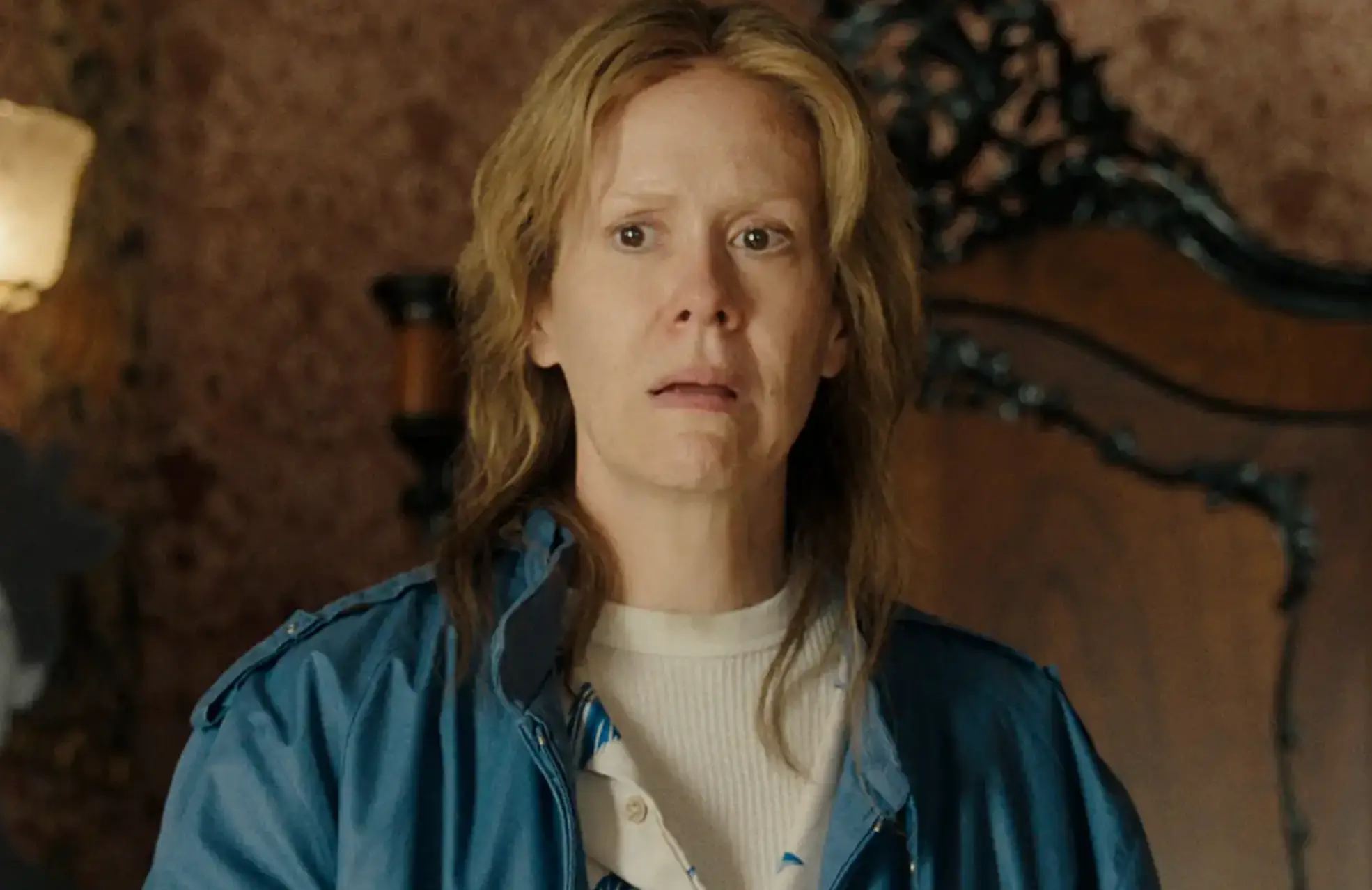
The childhood home of Aileen Wuornos, situated in Rochester, Michigan, serves as the primary backdrop for understanding the formative years of a figure who would later become one of America’s most notorious serial killers. The house is not merely a structural entity; it represents the convergence of systemic instability, familial trauma, and the early environmental factors that psychological researchers often examine when tracing the development of violent criminal behavior.
Origins and Early Domestic Environment
Aileen Carol Wuornos was born in 1956 in Rochester, Michigan. Her early life was marked by significant upheaval, characterized by the abandonment of her father, Leo Dale Pittman, who was institutionalized for mental health reasons and had a history of violent criminal behavior, and the eventual departure of her mother, Diane Wuornos. Raised largely by her maternal grandparents in a small, modest home, Aileen’s childhood was far from conventional.
The physical setting of her upbringing provided a backdrop of rural isolation mixed with intense domestic instability. The home environment was reportedly volatile, characterized by reports of physical and verbal abuse. From a technical perspective, the “haunting” nature of this story is not rooted in the paranormal, but in the observable patterns of neglect and psychological trauma that psychological forensic experts—such as those contributing to studies on the “Cycle of Violence”—identify as critical precursors to antisocial personality disorders in adulthood. The house stands as a silent witness to a childhood defined by instability, frequent displacement, and a lack of protective adult guidance.
The Developmental Context of Trauma
When analyzing the trajectory of Aileen Wuornos, criminologists often point to the "Adverse Childhood Experiences" (ACEs) framework. Her upbringing involved multiple risk factors: parental imprisonment, physical abuse, and the lack of a stable nuclear family structure. The home in Rochester represents the baseline for her transition from a troubled youth to a life on the fringes of society.
By the age of 14, Wuornos was effectively independent, living in the woods around the family property and surviving through survival sex work and petty crime. The transition from the domestic space of the childhood home to the vulnerability of the street is a critical phase in her narrative. This transition highlights the failure of social support systems that might have otherwise mitigated the trajectory of her life. The house itself, while physically unremarkable, remains a point of interest for those tracking the biographical arc of her life because it represents the only period of relative permanence she experienced before entering a decades-long cycle of transient homelessness and criminality.
Comparative Analysis: Domestic Settings and Criminal Development
In forensic psychology, the environment of a criminal's upbringing is often compared against normative developmental standards. The following table illustrates the disparity between a stable developmental environment and the conditions reported in the childhood home of Wuornos.
| Feature | Stable Environment | Reported Wuornos Childhood |
|---|---|---|
| Parental Presence | Consistent, nurturing | Absent, incarcerated, or neglectful |
| Physical Safety | Secure living conditions | High volatility, physical abuse |
| Social Support | Access to community resources | Extreme isolation and marginalization |
| Educational Path | Consistent schooling | Frequent absenteeism, early dropout |
| Long-term Impact | Development of coping skills | Development of survivalist, antisocial behaviors |
This comparison underscores that the "haunting" aspect of the childhood home is found in its role as a crucible for the systemic failures that shaped her identity. The lack of infrastructure—both physical and social—meant that the home was less a place of shelter and more a staging ground for the dysfunction that would follow her into her adult criminal career.
Media Representation and the "Haunting" Narrative
The fascination with Aileen Wuornos’s childhood home is often fueled by media depictions, such as the 2003 biographical film Monster and various documentaries produced in the early 2000s. These works often lean into a Gothic aesthetic, contrasting the mundanity of a Midwestern house with the horrific nature of her later crimes.
However, from an objective standpoint, the home is a standard piece of residential architecture of the mid-20th century. The "haunted" label applied to the property by pop culture is a psychological manifestation of the public’s desire to locate the "origin" of evil. By focusing on the house, viewers seek a tangible explanation for complex, multifaceted psychological issues. It is important to distinguish between the lived reality of the child, who was a victim of a broken system, and the symbolic representation of the home in the collective consciousness.
Current Status and Historical Significance
As of 2026, the property remains a private residence. There is no historical preservation status or official memorialization associated with the site, as the dwelling holds no positive cultural value, and its association with a convicted serial killer is a matter of private, rather than public, heritage.
For those researching her life, the home is viewed as an analytical focal point. It serves as a reminder of the need for effective intervention in cases of childhood trauma. The story is a cautionary tale regarding the long-term consequences of failing to protect vulnerable minors from toxic home environments. While the structure itself may have been updated, renovated, or demolished over the intervening decades, the historical record of her time there is well-documented in court records and psychological evaluations conducted during her trial and incarceration in Florida.
Addressing Common Questions Regarding the Site
Is the childhood home of Aileen Wuornos open for public tours?
No, the home is a private residence and is not open to the public. It does not function as a museum or a historical site, and property owners have no obligation to accommodate inquiries or visits from the public. Residents in the area prioritize privacy, and trespassing is subject to local law enforcement action.
What evidence links this specific home to her later criminal behavior?
The link is indirect and rooted in the psychological history recorded during her legal proceedings. Experts testified that the environment of her upbringing significantly contributed to her development of reactive, hostile, and antisocial behaviors. The house represents the physical manifestation of those early years of neglect, not a direct cause of her later actions.
Does the home still exist in its original state?
While specific current structural details are not public record, most residential structures from that era in Michigan have undergone significant renovations, modifications, or complete redevelopment over the last several decades. As of 2026, it is highly probable that the interior has been significantly altered from how it appeared during the 1950s and 1960s.
Why is there such a strong focus on her childhood home in true crime media?
The focus stems from the "origins of evil" trope common in true crime media. Creators often use the childhood home to visually ground the narrative, suggesting that a person's later actions are predetermined by their early environment. This narrative technique simplifies complex psychological and sociological factors for a general audience.
How can one verify the historical details of her life?
Historical accuracy should be sought in court documents, official biographical records, and reputable academic analyses of her life. Public records regarding the case are often held by the relevant jurisdictional authorities in both Michigan and Florida, where her trial occurred. Secondary sources should be cross-referenced with these primary documents to ensure factual consistency.
Next Steps for Serious Researchers
For those interested in studying the life of Aileen Wuornos from a sociological or criminological perspective, the most effective approach is to focus on institutional records rather than the physical location of her childhood home.
- Review Official Court Transcripts: Access the public records from the Florida state courts regarding her trials to understand the expert testimony regarding her developmental history.
- Consult Academic Databases: Search for peer-reviewed papers in journals of psychology and sociology that discuss the impact of childhood trauma on adult criminal behavior.
- Analyze Biographies with Caution: Evaluate media portrayals against factual, verified dates and events. Discard narratives that prioritize sensationalism over documented forensic evidence.
The "haunting" story of Aileen Wuornos is not found within the walls of a single house in Rochester, Michigan, but in the tragic and systemic breakdown of the support structures that were meant to ensure her safety. Understanding this requires looking beyond the architecture to the social and psychological factors that allowed her story to unfold in the way it did.