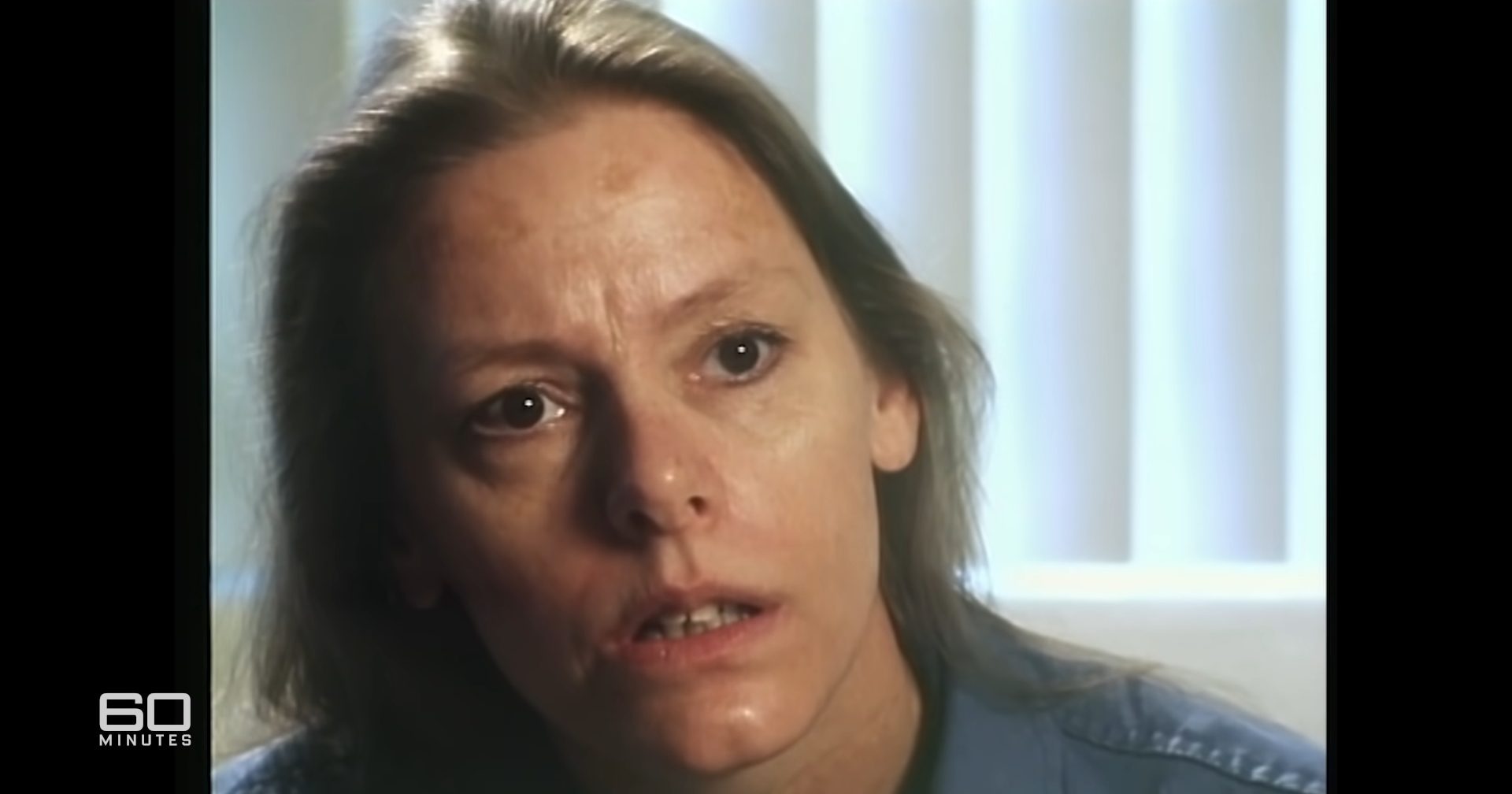
The portrayal of Aileen Wuornos in American Horror Story: Hotel presents a complex intersection of true crime history and television dramatization. Played by Lily Rabe, the character appears as an invited guest to the Devil's Night serial killer dinner, highlighting the series' tendency to blend historical figures with supernatural narrative elements, often prioritizing stylized shock value over biographical accuracy.
The Historical Foundation of Aileen Wuornos
Aileen Wuornos remains one of the most recognizable figures in American true crime history. Executed in Florida in 2002 after being convicted of murdering seven men between 1989 and 1990, her life was characterized by a traumatic upbringing and a decade of sex work before her crimes were uncovered. Following her arrest, she claimed that the killings were acts of self-defense, asserting that the men she murdered had attempted to rape or assault her. This defense, which she maintained throughout her legal proceedings, became a central point of contention for both the prosecution and those who viewed her story through the lens of gender-based survival.
The cultural obsession with Wuornos shifted from legal fascination to pop-culture iconography following her conviction. Her image was cemented in the public consciousness by the media coverage during her trials and the subsequent 2003 film Monster, which earned Charlize Theron an Academy Award. By the time the American Horror Story production team approached the character for the fifth season, Hotel, the public perception of Wuornos had already been heavily filtered through film and documentary tropes.
Performance Analysis: Lily Rabe’s Portrayal in Hotel
In American Horror Story: Hotel, the depiction of Aileen Wuornos is brief but serves a specific thematic purpose within the show’s mythology. Appearing in the episode "Devil's Night," the character is part of a grotesque fantasy where the hotel owner, James Patrick March, hosts an annual dinner for the world’s most prolific serial killers. Lily Rabe’s performance is built on a heightened, caricature-driven interpretation of the real-life figure.
Rabe opts for a physical performance that leans into the nervous energy and frantic posturing often associated with media portrayals of Wuornos. While the performance is technically proficient within the stylistic confines of the AHS aesthetic, it is important to distinguish this from a biopic or a docudrama. The show utilizes Wuornos not as a three-dimensional human being, but as a "murderer archetype." By grouping her with other infamous killers, the show strips away the nuances of her stated motives, placing her instead within a pantheon of fictionalized monsters.
The Context of Narrative Stylization
The creators of American Horror Story are known for their "maximalist" approach to horror, which favors atmosphere and campy dread over historical sensitivity. When historical figures are integrated into the AHS universe, they undergo a "genre translation." They are removed from their original socioeconomic context and re-inserted into the surreal, blood-soaked hallways of the Hotel Cortez.
This context is vital to understanding why the portrayal of Wuornos feels disjointed to some viewers. The reality of the murders involved poverty, substance abuse, and systemic failure, yet Hotel reimagines these elements as mere "credentials" for a seat at the dinner table. The character exists within the narrative to provide gravitas to the villainous James Patrick March rather than to explore the tragic trajectory of the woman herself. This is a common hallmark of the series: characters are treated as "assets" or "props" in a broader, overarching horror mythos.
Comparative Representations of Serial Killers
To understand how American Horror Story treats historical figures, it is helpful to compare the portrayal of Wuornos with other fictionalized or semi-fictionalized accounts of serial killers in media. The table below outlines how different formats prioritize aspects of the subject's life.
| Feature | American Horror Story (Portrayal) | Biopic/Drama Film | Investigative Documentary |
|---|---|---|---|
| Focus | Stylized Myth-making | Narrative Arc/Tragedy | Fact and Evidence |
| Tone | Surreal/Camp | Dramatic/Emotional | Analytical/Observational |
| Historical Goal | Entertainment/Homage | Humanization/Causality | Understanding/Exposure |
| Accuracy | Negligible | Moderate (Dramatized) | High (Verified Records) |
As shown in the table, American Horror Story occupies the bottom tier of historical fidelity, which is consistent with its goals as a creative horror property. While a documentary aims to resolve questions of guilt or environmental factors, Hotel uses the name "Aileen Wuornos" as a shorthand for "notorious female killer," assuming the audience brings their own preconceived notions to the screen.
Critical Implications of Horror-Centric Depictions
The decision to include real-world victims and perpetrators in high-octane horror television invites significant criticism regarding ethics. By reducing a person to a set of criminal actions, the show arguably contributes to the "true crime commodification" trend that has seen a surge in popularity since the early 2020s. For families of victims and those who studied the actual case, such representations can feel dismissive of the gravity of the events.
However, from a production standpoint, these inclusions are highly effective engagement tools. They tap into a pre-existing reservoir of public knowledge. Because the audience already knows "who" Aileen Wuornos is, the show does not need to spend time on exposition. It relies on the viewer’s recognition, which creates an immediate, albeit superficial, connection between the reality of the crimes and the fantasy of the television program.
Troubleshooting Potential Misunderstandings
Viewers often search for information on this portrayal because they are unsure if the show is presenting an accurate account of Wuornos's life. If you are examining this performance to learn more about the case, it is essential to remember that the series is not a historical record.
- Check the Source Material: If you find yourself interested in the true story, pivot to documentaries produced by reputable investigative journalists rather than relying on the narrative beats of a scripted horror show.
- Separation of Aesthetics: Learn to distinguish between the "March-universe" version of Wuornos and the legal record. One is a character created by writers to satisfy a plot need for a supernatural dinner party; the other is a documented legal and medical case history.
- Evaluate the Purpose: Recognize that the show’s intention is to shock and entertain. When the show presents the character as a "guest" alongside fictional or other historical killers, it is engaging in a meta-commentary on the genre itself, not an attempt to provide historical clarity.
Next Actions: Extending Your Research
If you wish to deepen your understanding of how media handles sensitive true crime subjects, the next logical step is to analyze the source documents from the original 1990s trials. Focus your inquiry on the court transcripts available through public legal databases. By comparing the self-defense arguments presented in court with the one-dimensional portrayal found in American Horror Story, you will gain a clearer view of the vast disparity between fictional characterization and historical reality. This critical exercise helps in deconstructing how television media manipulates historical narrative to suit its own internal, often sensational, goals.