The concept of the "Aiden Ross voice" refers to the specific vocal cadence, energetic delivery, and conversational style that has become synonymous with the rise of modern digital content creators and live-streamers. This unique auditory signature is characterized by rapid-fire pacing, authentic engagement, and a high-intensity rapport with audiences, serving as a primary tool for building community and establishing a recognizable brand identity in a competitive attention economy.
The Evolution of the Digital Persona
In the landscape of modern media, a personality’s voice serves as far more than a biological function; it is a critical instrument of brand architecture. When audiences analyze the captivating sound of success in figures like Aiden Ross, they are observing the result of deliberate and organic evolution in communication. This style of speaking prioritizes immediacy and relatability over the polished, scripted delivery of traditional broadcast media.
The "voice" in this context is a composite of tonal frequency, vocabulary choice, and emotional resonance. It is engineered to keep viewers engaged across long-form live streams, where maintaining attention for hours requires a dynamic shifts in energy. This involves a mastery of pacing—knowing exactly when to accelerate delivery to match high-action gameplay or significant reveals, and when to slow down for intimate, personal storytelling that fosters deep connection.
Key Technical Components of High-Engagement Delivery
Captivating an audience relies on a blend of technical mastery and innate social intelligence. For content creators, the "voice" is supported by hardware, acoustic environment, and refined delivery techniques that ensure clarity even during high-energy moments.
1. Acoustic Clarity and Professional Processing
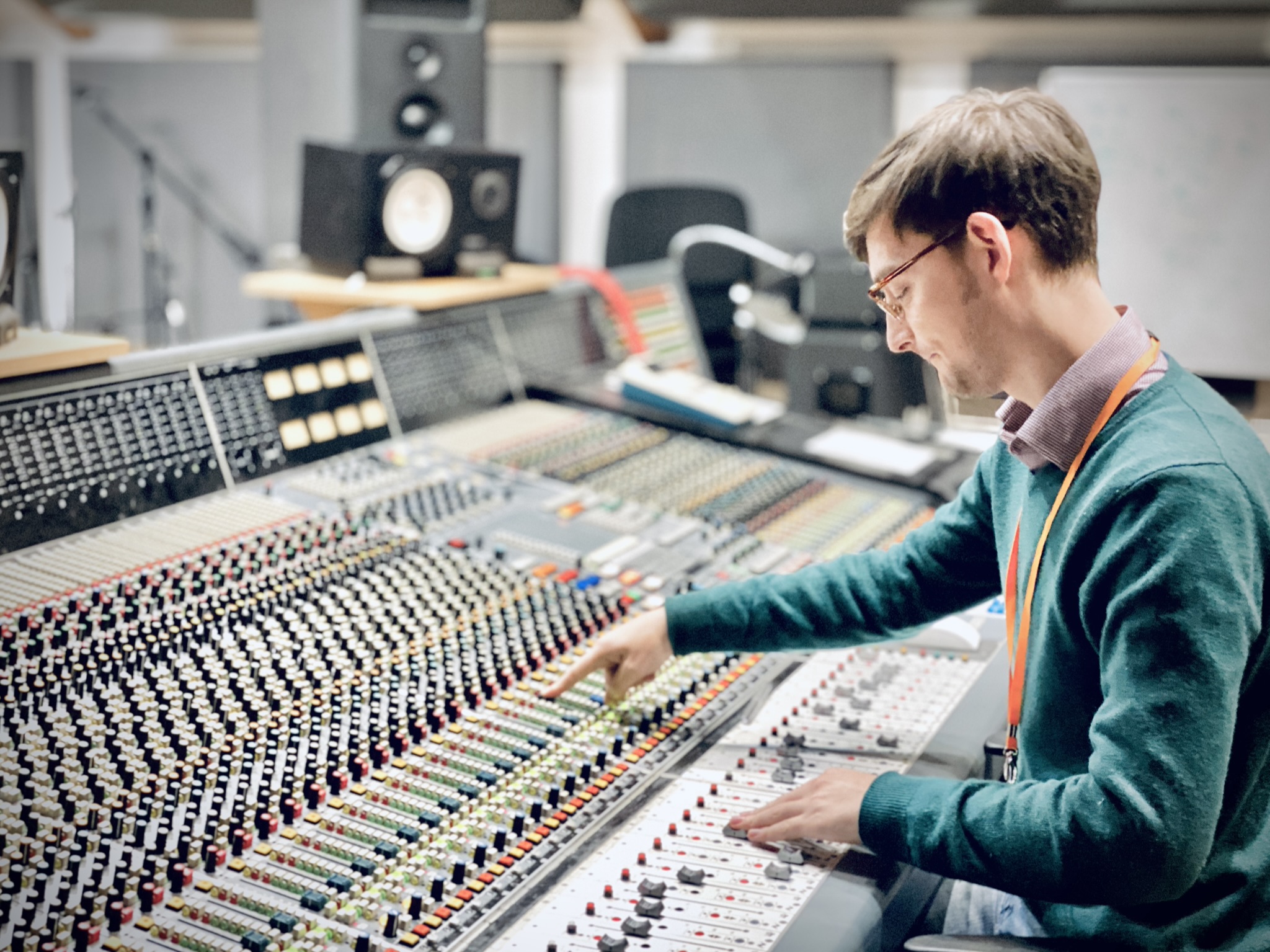
Success in the digital audio space requires a high signal-to-noise ratio. Using high-fidelity condenser or dynamic microphones is standard, but the "sound" is often finalized through digital signal processing (DSP). This includes:
- Compression: Balancing the dynamic range so that whispers and shouts remain audible without clipping.
- Equalization (EQ): Tailoring the frequency response to highlight the natural timbre of the speaker’s voice, often boosting mid-range frequencies for presence.
- Gating: Removing background noise to ensure that the voice remains the absolute focus of the stream.
2. The Psychology of Pacing and Intonation
The cadence associated with successful streaming often mirrors natural conversation while incorporating the dramatic arc of theater. By varying the speed and pitch, creators can signal to their audience when something is "important," "funny," or "tense," without needing explicit verbal cues. This non-verbal signaling is vital for maintaining retention in an environment where viewers are often multitasking.
Comparative Framework: Traditional Media vs. Streaming Voices
Understanding the "captivating sound" requires a comparison between traditional broadcast standards and the modern streaming aesthetic. The following table highlights the shifting priorities in audio delivery.
| Feature | Traditional Broadcast | Digital Creator Style |
|---|---|---|
| Pacing | Controlled, uniform, steady | Dynamic, reactive, variable |
| Tone | Formal, authoritative, neutral | Casual, intimate, emotive |
| Audience Engagement | One-way transmission | Real-time, interactive loop |
| Production Value | High polish, scripted | High fidelity, improvisational |
| Primary Goal | Broad appeal | Deep niche community building |
The Role of Authenticity in Vocal Performance
The most captivating aspect of this specific vocal style is the perception of authenticity. In the era of social media, audiences are hyper-attuned to artificiality. The sound of success is often defined by a creator’s ability to maintain a consistent persona—a "voice"—that sounds like a real person, not a corporate entity.
This requires the speaker to embrace their natural vocal quirks rather than suppressing them. By incorporating colloquialisms, regional inflections, and spontaneous reactions, creators like Aiden Ross have turned what would be considered "flaws" in traditional radio into markers of honesty. This authenticity lowers the barrier between the creator and the fan, turning the act of listening into a social experience rather than a passive consumption of media.
Prerequisites for Developing a Compelling Brand Voice
For those looking to understand or emulate the dynamics of successful digital delivery, there are several foundational requirements. It is not merely about "having a good voice," but about how that voice is deployed within an ecosystem of content creation.
- Contextual Awareness: Understanding the platform’s culture is essential. A voice that works on a platform defined by high-octane gaming may need adjustment for a platform centered on lifestyle vlogging.
- Technical Proficiency: Mastery of audio levels, microphone placement, and software integration (such as OBS or audio plug-ins) is a baseline requirement.
- Audience Feedback Loops: Successful creators constantly calibrate their delivery based on live audience sentiment. If engagement dips during certain vocal patterns, they adapt, creating a continuous feedback loop that sharpens their performance over time.
- Consistency: The voice must be recognizable. Whether through catchphrases, specific tonal shifts, or a predictable cadence, the consistency of the delivery acts as a brand anchor that viewers return to daily.
Troubleshooting Common Vocal Delivery Issues
Even successful streamers encounter challenges in maintaining a high-quality "sound" during intense sessions. Addressing these issues quickly is a hallmark of professional operation.
- Vocal Fatigue: Long-form streaming can strain the vocal cords. Professionals incorporate frequent breaks, proper hydration, and breathing exercises to maintain tonal quality over sessions lasting six hours or more.
- Inconsistent Levels: If the voice becomes lost behind game audio or music, the connection is severed. Utilizing side-chain compression—where the background audio automatically ducks when the creator speaks—is the standard technical fix for this issue.
- Lack of Variation: Monotone delivery leads to listener drift. Creators often keep a "cheat sheet" of cues or follow a mental outline to ensure that they cycle through different energy levels throughout their broadcast.
Frequently Asked Questions
What makes a voice sound "captivating" in a live-streaming environment?
A captivating voice in this context is defined by high energy, emotional authenticity, and the ability to modulate pacing to match the narrative content. It is less about the quality of the speaker's vocal cords and more about their command over rhythm, inflection, and the ability to make the listener feel like a part of the conversation.
Is professional audio equipment necessary to achieve this sound?
While professional hardware is a significant factor in delivering high-fidelity audio, the "captivating" nature of the voice comes from the delivery style. However, high-quality microphones and basic audio processing (like compression and EQ) are essential to ensure the voice is not hindered by poor audio quality or distracting background noise.
How does a creator maintain vocal energy for hours at a time?
Maintaining energy requires a combination of physical preparation and psychological focus. Successful creators often use structured session planning to ensure they have high-engagement moments interspersed with more relaxed, conversational segments, preventing vocal fatigue and keeping the audience engaged.
Does the "Aiden Ross" style of speaking rely on scripted content?
The style is typically characterized by high levels of improvisation. While the general themes of a stream may be planned, the actual vocal delivery is reactive, responding to real-time chat messages, gameplay events, or guest interactions. This spontaneity is exactly what gives the delivery its perceived authenticity.
How can a creator find their own "sound of success"?
Finding your own voice involves recording your sessions, listening back critically to your pacing and tone, and observing which segments trigger the most audience engagement. It is a process of iterating and refining, identifying which vocal tendencies resonate most effectively with your target demographic.
Next Steps for Aspiring Media Personalities
If you are looking to refine your vocal delivery to capture the attention of a modern audience, focus on the marriage of technical quality and emotional performance. Start by auditing your current content—listen to your recorded segments with the intent of a critic. Identify where your energy drops and where your tone becomes monotonous. Invest in a high-quality microphone if you have not already, and familiarize yourself with the basics of audio compression to ensure your voice remains crisp and prominent throughout your recordings. Ultimately, the sound of success is built by showing up consistently, engaging authentically, and treating your voice as the most valuable asset in your production toolkit.