Artificial intelligence tools encompass a wide array of software applications and platforms powered by machine learning algorithms designed to automate, optimize, and enhance human capabilities across diverse digital workflows. Deploying these systems effectively requires understanding their underlying data requirements, operational boundaries, and integration capabilities within existing technical environments.
Understanding the Taxonomy and Core Capabilities of AI Tools
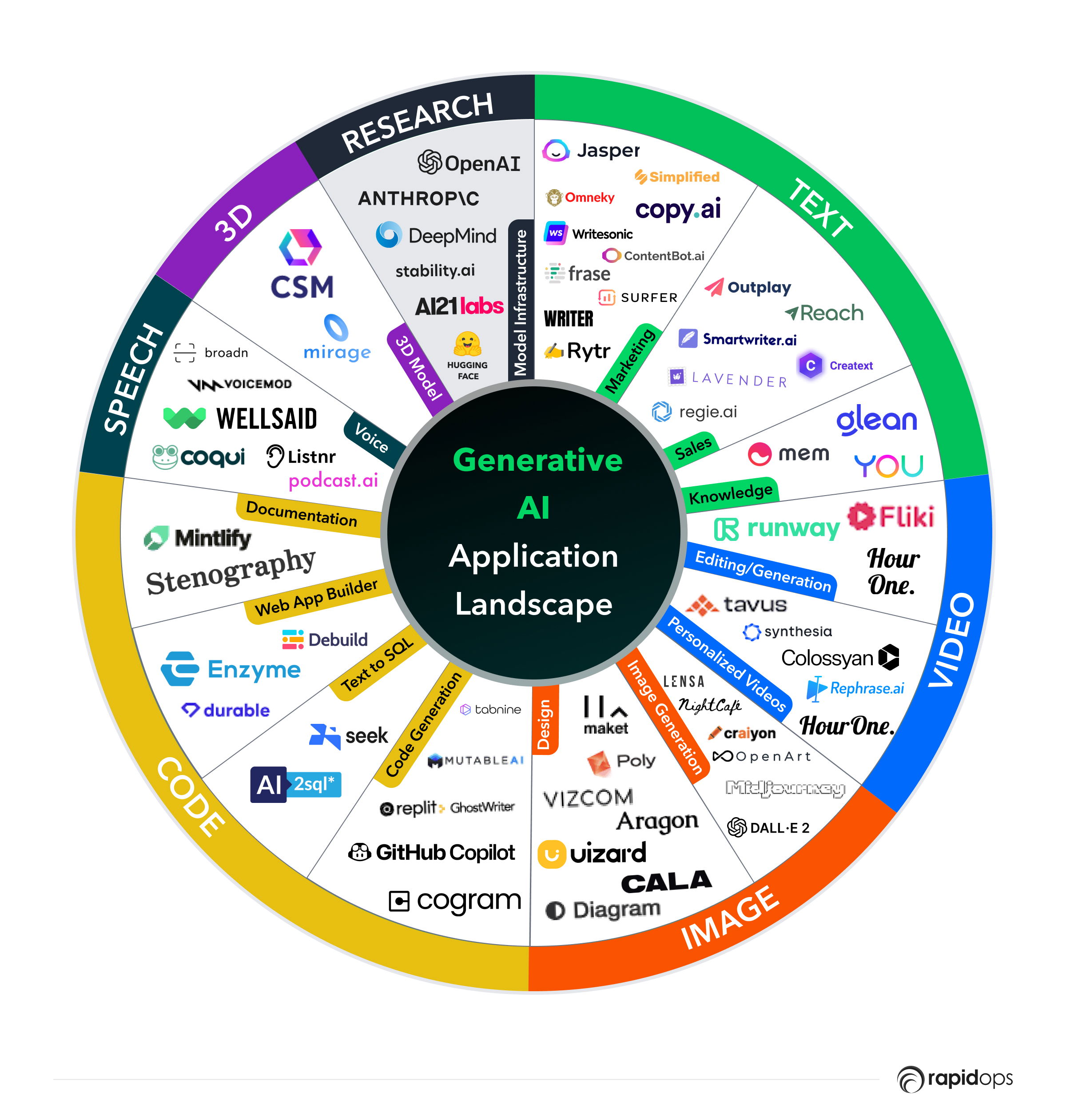
The ecosystem of artificial intelligence software can be categorized by its primary functional domains, ranging from natural language processing and computer vision to predictive analytics and code generation. Understanding these classifications helps organizations and individual practitioners select appropriate applications for specific workloads. Unlike traditional software that operates strictly on pre-defined rule sets, machine learning applications adapt through pattern recognition, drawing inferences from training datasets to generate content, classify information, or forecast trends.
Natural language processing solutions process unstructured text to summarize documents, translate languages, and generate conversational responses. Generative models utilize transformer architectures to synthesize novel text, code, or visual assets based on user prompts. Meanwhile, analytical applications parse structured datasets to detect anomalies, optimize supply chains, or automate financial forecasting. Recognizing these distinctions ensures that technical teams do not misapply a generative model to a task requiring deterministic calculations, or vice versa.
Evaluation Criteria for Selecting Enterprise and Personal AI Solutions
Choosing the correct application demands a structured evaluation framework that goes beyond feature lists and marketing claims. Technical decision-makers must weigh factors such as API availability, deployment architecture, data privacy compliance, and latency thresholds. Security considerations remain paramount, particularly regarding whether vendor models train on user-submitted data or maintain strict data isolation policies under enterprise agreements.
Another critical consideration involves total cost of ownership, which extends beyond subscription licensing fees to encompass token usage costs, infrastructure integration overhead, and staff training requirements. Open-source models hosted locally offer high data control but demand significant computational resources, whereas cloud-based proprietary platforms provide immediate scalability at the expense of external data transmission.
| Feature Category | Cloud-Based Proprietary Solutions | Self-Hosted Open-Source Models |
|---|---|---|
| Data Privacy | Dependent on vendor terms; data often traverses third-party servers. | Complete control; data remains within local infrastructure. |
| Computational Overhead | Minimal local hardware requirements; handled via remote API. | High requirements; necessitates dedicated GPUs (e.g., NVIDIA enterprise hardware). |
| Customization Depth | Limited to prompt engineering, retrieval-augmented generation, and fine-tuning where supported. | Full control over model weights, fine-tuning protocols, and architecture adjustments. |
| Maintenance & Updates | Handled automatically by the provider with zero downtime for patches. | Requires internal engineering resources for updates, security patches, and scaling. |
Integration Strategies and Deployment Methodologies
Implementing machine learning software into production environments requires deliberate architecture planning to ensure system stability, security, and low latency. Direct application programming interface integration allows custom software to query foundational models dynamically, whereas browser-based user interfaces suit manual, human-in-the-loop tasks such as content drafting and data exploration.
Middleware layers often serve as a bridge between legacy databases and modern language models. Retrieval-augmented generation frameworks, for instance, combine vector databases with generation engines to ground model outputs in verified enterprise documentation, thereby mitigating hallucinations and ensuring factual accuracy. Organizations must also establish strict monitoring pipelines to track token consumption, error rates, and response drift over time.
Operational Limitations, Risks, and Compliance Considerations
Despite their utility, these digital assistants and automation systems introduce distinct operational risks that require active governance. Hallucinations—instances where a model generates false information with high syntactic confidence—pose significant challenges in legal, medical, and financial domains where factual precision is mandatory.
Intellectual property concerns also complicate deployment. Users must verify whether output generated by third-party systems infringes on existing copyrights or whether uploaded code exposes proprietary logic to external training pools. Furthermore, regulatory frameworks such as the European Union Artificial Intelligence Act classify applications by risk tiers, imposing strict transparency, auditing, and human-oversight mandates on high-risk implementations.
How to Establish a Sustainable Usage Policy for Teams
- Conduct an Inventory: Audit all software currently utilized across departments to identify shadow usage, security gaps, and overlapping subscriptions.
- Define Data Classification Rules: Establish clear guidelines regarding what types of data—such as personally identifiable information, source code, or unreleased financials—may or may not be processed through external interfaces.
- Implement Human Review Gates: Mandate human verification for all externally facing content, automated code commits, and critical analytical reports generated by software.
- Monitor Performance and Costs: Track token utilization and system error logs weekly to prevent budget overruns and identify workflow bottlenecks.
- Provide Continuous Training: Educate team members on advanced prompt engineering, security hygiene, and verification techniques to maximize productivity safely.
Frequently Asked Questions About Artificial Intelligence Applications
What distinguishes generative models from traditional automation software?
Generative models create novel content, text, or code based on probabilistic pattern recognition derived from extensive training data. Traditional automation software executes rigid, deterministic rule sets and predefined workflows without adapting its logic based on contextual nuances.
Are cloud-based systems safe for proprietary corporate data?
Safety depends entirely on the specific vendor's enterprise agreement. Standard consumer tiers often use user inputs for model retraining, whereas enterprise tiers typically guarantee data isolation, encryption at rest and in transit, and compliance with frameworks like SOC 2 and GDPR.
How can organizations prevent model hallucinations in technical outputs?
Organizations can minimize hallucinations by implementing retrieval-augmented generation architectures, providing precise domain-specific context within prompts, enforcing strict source citation requirements, and maintaining mandatory human-in-the-loop review processes.
Do local open-source models perform as well as proprietary cloud options?
Performance varies significantly by model size and domain. While top-tier proprietary models generally lead in general reasoning and broad knowledge retrieval, optimized open-source models often match or exceed proprietary alternatives on specific, narrow tasks when fine-tuned on proprietary data.
What are the primary cost factors when scaling these implementations?
Scaling costs include subscription licensing fees, API token consumption charges, cloud infrastructure expenses, internal engineering overhead for maintenance and integration, and staff training time required to establish efficient usage habits.
Streamlining Your Next Implementation Project
Begin your implementation journey by identifying a single, well-defined workflow bottleneck where manual repetition slows productivity. Test a controlled pilot project within that specific domain using clear baseline metrics to measure accuracy, speed, and cost efficiency before expanding broader enterprise deployment. Avoid broad, unfocused rollouts that lack measurable objectives and defined governance frameworks.