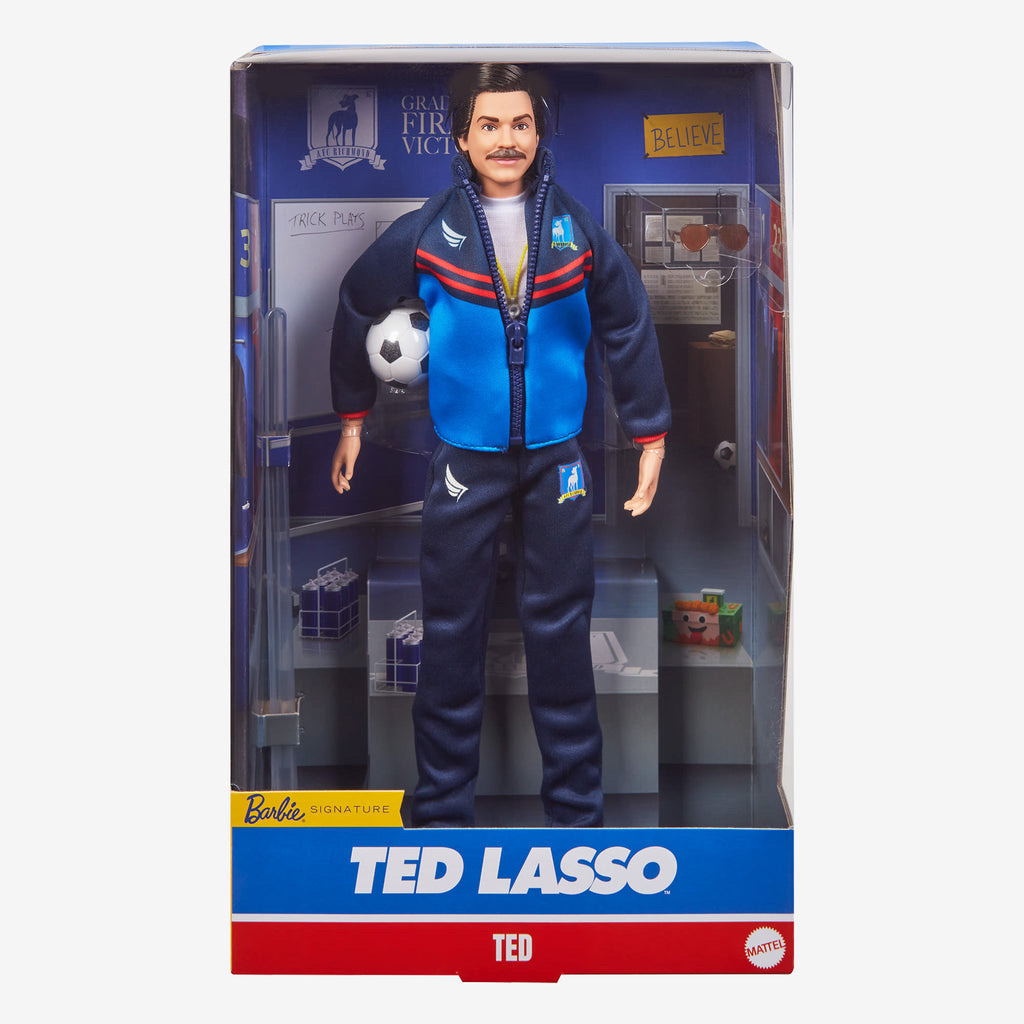
Mattel is integrating artificial intelligence into its toy ecosystem by developing conversational dolls, smart dolls equipped with natural language processing, and companion algorithms designed to adapt to individual child interactions. This strategy blends traditional doll play with generative AI models, smart hardware, and companion applications to create dynamic, responsive play experiences across classic brands like Barbie and Hot Wheels.
The intersection of classic toy manufacturing and modern artificial intelligence represents a paradigm shift in the play industry. For decades, Mattel relied on mechanical movements, pre-recorded audio chips, and static electronics to give dolls rudimentary interactive capabilities. Today, the integration of conversational AI, cloud-connected dialogue systems, and machine learning models allows dolls to process open-ended speech, maintain conversational context, and tailor play patterns dynamically. Understanding this evolution requires examining the underlying technology, data privacy frameworks, consumer market response, and manufacturing logistics that drive Mattel's modern product strategy.
The Evolution of Connected Play: From Hello Barbie to Generative AI
The journey toward an AI Mattel doll began years before modern generative language models dominated consumer technology. Early iterations, such as ToyTalk-powered interactive dolls, utilized Wi-Fi connectivity and cloud speech recognition to let children converse with toys in real time. These legacy systems relied on scripted conversational branches and curated databases of responses to maintain safe, predictable interactions. While groundbreaking for their time, these early smart toys were limited by the rigid nature of their programming and the latency of early cloud processing infrastructures.
As natural language processing (NLP) and large language models (LLM) matured, toy manufacturers gained the ability to move away from static response trees. Modern integration strategies focus on context-aware dialogue generation, allowing a doll to remember previous statements within a play session and formulate novel replies. Mattel's digital initiatives leverage partnerships with major technology platforms to embed voice recognition and synthetic speech generation directly into physical form factors. This shift transforms the doll from a passive listener into an active conversational partner, capable of storytelling, language learning, and personalized roleplay.
Technological Architecture: How Smart Dolls Process Information
Integrating artificial intelligence into a physical consumer product requires a complex hardware and software stack optimized for safety, battery life, and processing speed. A typical AI-enabled toy architecture involves several interconnected components:
- Audio Capture and Noise Cancellation: Specialized microphones capture the user's voice while hardware-level signal processors filter out background ambient noise common in home environments.
- Local vs. Cloud Processing: Due to the high computational power required for modern AI models, voice data is typically encrypted and transmitted via Wi-Fi or Bluetooth to secure cloud servers, though edge computing is increasingly used for basic wake-word detection and privacy filters.
- Conversational Engine: Natural language understanding (NLU) models parse the child's intent, while safety filters screen the input against strict content boundaries before the generative model formats a response.
- Speech Synthesis: Text-to-speech (TTS) engines convert the generated response into a natural, character-appropriate voice output played through the doll’s internal speaker.
- Companion Application: Parents manage permissions, review chat logs, and monitor usage through a dedicated smartphone application paired with the toy.
| Technology Layer | Function in AI Mattel Toys | Primary Consideration |
|---|---|---|
| Input Hardware | Captures voice via onboard microphones | Power consumption and clarity |
| Connectivity | Links toy to cloud-based AI models | Wi-Fi stability and latency |
| Safety Filters | Prevents inappropriate or harmful output | Content moderation and age-appropriateness |
| Companion App | Provides parental controls and activity logs | User interface and data transparency |
Balancing Innovation with Data Privacy and Child Safety
The introduction of cloud-connected artificial intelligence into children's toys brings complex regulatory and ethical responsibilities. Consumer advocacy groups and regulatory bodies closely scrutinize how children's voice data and behavioral inputs are collected, stored, and utilized. Mattel navigates these challenges by implementing stringent compliance frameworks aligned with legislation such as the Children's Online Privacy Protection Act (COPPA) in the United States and equivalent global standards.
Data minimization is a core principle in smart toy design. Voice recordings are typically anonymized, processed to generate the conversational response, and purged rather than stored indefinitely for advertising profiles. Furthermore, robust parental consent mechanisms—often requiring multi-step verification through a companion app—ensure that guardians maintain absolute authority over whether a toy has network access. Encryption protocols secure data in transit between the physical doll and the cloud infrastructure, mitigating the risk of unauthorized interception.
Market Reception, Pricing, and Consumer Demographics
Bringing AI-integrated toys to market involves addressing distinct consumer segments, balancing the enthusiasm of tech-forward parents with the cautious skepticism of those concerned about excessive screen time and digital dependency. Unlike traditional dolls that retail at low price points, AI-equipped toys require ongoing server maintenance, cloud API costs, and advanced hardware components, shifting their market positioning toward premium price tiers.
Key Factors Influencing Consumer Adoption
- Value Perception: Parents evaluate whether the AI functionality offers genuine educational and creative benefits or simply serves as a novelty gimmick.
- Durability and Maintenance: Electronic toys must withstand rough physical play while maintaining delicate internal sensors and wireless connectivity.
- Subscription Models: Some advanced AI toy ecosystems explore recurring fees for premium software features, creating new considerations for household budgeting.
- Screen-Free Engagement: Many parents welcome AI voice companions because they offer interactive play without requiring children to stare at a smartphone or tablet screen.
Practical Guidance for Parents Navigating Smart Toys
For households considering the purchase of an AI-integrated doll or smart toy, establishing clear boundaries and understanding device management is essential. Modern smart toys require active setup, network configuration, and ongoing oversight to ensure a secure, balanced play environment.
- Verify secure Wi-Fi connection and encryption
- Download and configure the official companion app
- Review and adjust parental safety filter settings
- Establish clear daily time limits for AI chat
- Regularly audit saved data logs and clear history
Guardians should regularly review privacy policies associated with connected toys to stay informed about how software updates alter data collection practices. Setting explicit time boundaries for connected play ensures that technological interaction complements, rather than replaces, physical creativity and unstructured imaginative play.
Future Outlook: The Next Generation of Connected Play
As generative artificial intelligence and edge computing continue to advance, the capabilities of smart toys will expand beyond simple conversational Q&A. Future iterations may feature multi-modal AI systems capable of recognizing physical objects, reacting to environmental contexts, and tailoring educational curricula to a child's individual developmental milestones. Mattel’s ongoing research and development investments indicate that artificial intelligence will remain a foundational pillar of its toy design philosophy, bridging the gap between physical nostalgia and digital innovation.