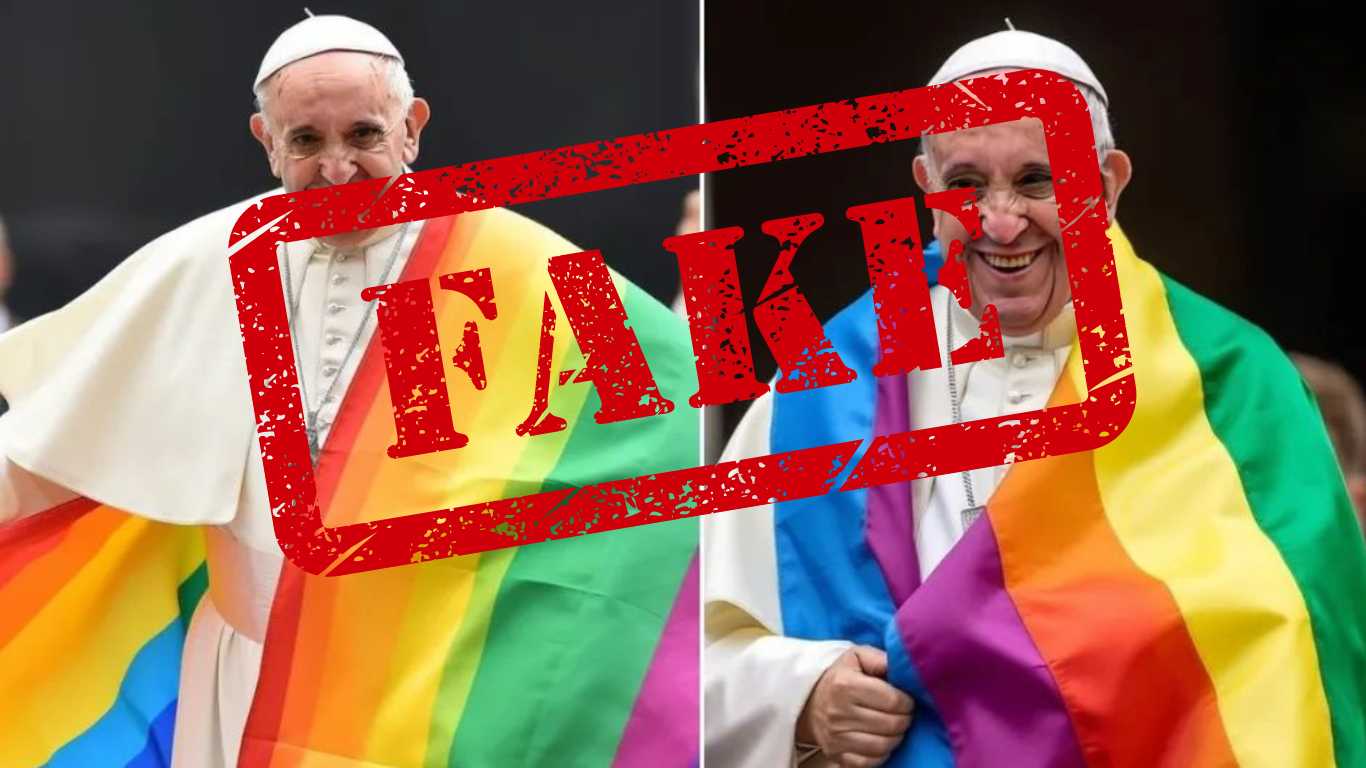
When viral photographs depict Pope Francis wearing a dramatic, designer-style white puffer jacket or strolling through a modern piazza in high-fashion streetwear, the boundary between genuine photojournalism and artificial intelligence fabrication instantly blurs. Distinguishing real images of the pontiff from faked or satirical creations requires an understanding of modern generative adversarial networks, visual artifact analysis, and the context of official Vatican media distribution channels.
Understanding the Rise of Synthetic Papal Imagery
The widespread distribution of synthetic media featuring high-profile religious figures marks a significant evolution in digital culture. Generative artificial intelligence tools, including Midjourney, DALL-E, and Stable Diffusion, have evolved to a level of sophistication where text-to-image prompts can yield photorealistic compositions within seconds. When users prompt these models to render the head of the Catholic Church in improbable scenarios, the resulting outputs often exploit cognitive biases, leading viewers to accept extraordinary visual claims at face value.
Media literacy in the current technological landscape requires moving past traditional assumptions that photographs serve as objective records of reality. Bad actors, casual pranksters, and political commentators utilize these tools to generate deepfakes—synthetic media where a person's likeness is manipulated or fabricated entirely. The visual culture surrounding the Vatican has become a primary target for these experiments due to the stark contrast between the traditional, solemn vestments of the Papacy and contemporary consumer fashion or absurd situations.
Furthermore, the rapid velocity of social media algorithms frequently prioritizes engagement over accuracy. Sensationalized, out-of-character depictions of global leaders generate high volumes of shares, likes, and comments before fact-checking organizations can intervene. Understanding how to evaluate these digital artifacts protects consumers from misinformation and preserves the integrity of authentic news reporting.
Identifying Authentic Vatican Photography and Official Channels
Authentic photographs of the Pope originate from a limited number of verified, highly regulated sources. The primary provider of official visual documentation for the Holy See is Vatican Media, formerly known as the Vatican Television Center and the Photographic Service of L'Osservatore Romano. Accredited photojournalists from major international wire services, such as Reuters, Associated Press, and Agence France-Presse, also maintain physical access to papal events, audiences, and liturgies.
When evaluating whether an image is genuine, checking the source attribution serves as a primary line of defense. Official photographs are accompanied by standardized metadata, precise date stamps, specific location details, and accredited photographer names. For instance, an image of Pope Francis presiding over a Sunday Angelus from the window of the Apostolic Palace will feature corresponding wide-angle perspectives captured by multiple independent journalists stationed in St. Peter's Square simultaneously.
| Feature / Attribute | Authentic Vatican Photographs | AI-Generated / Faked Images |
|---|---|---|
| Primary Source | Vatican Media, Reuters, AP | Social Media Users, Prompt Prompts |
| Metadata Integrity | Retained camera data, captions | Missing, stripped, or fabricated |
| Visual Consistency | Anatomically accurate, logical | Artifacts, morphing, texture flaws |
| Corroboration | Multiple independent angles | Isolated single-source appearance |
Relying on a single image posted by an unverified social media account without institutional backing introduces substantial risk. If a major historical or cultural event involving the pontiff occurs, it will be comprehensively covered by global news organizations. The absence of corroborating coverage from reputable wire services often signals that an image requires rigorous skepticism.
Spotting Common Visual Artifacts in AI-Generated Media
Even as text-to-image generators improve, underlying technical limitations frequently leave distinct digital fingerprints in synthetic outputs. Analyzing fine details within an image helps expose artificial generation. Common anomalies appear in anatomical structures, text rendering, and environmental consistency.
- Anatomical Inconsistencies: Human hands, fingers, teeth, and ears remain notoriously difficult for neural networks to render correctly. Look for extra digits, fused fingers, distorted fingernails, or asymmetrical facial features.
- Text and Insignia Blurring: Text on banners, signs, or papal vestments in AI-generated images often appears as unreadable gibberish or warped lettering. Papal insignia, such as the keys of heaven or the papal ferula, may feature geometric errors.
- Lighting and Shadow Discrepancies: Artificial intelligence frequently struggles with consistent physics engines. Check whether shadows align logically with light sources or if certain objects appear illuminated from multiple contradictory angles.
- Texture Blending and Background Warping: Background crowds in synthetic images often display distorted faces, melting body parts, or repetitive pattern structures that dissolve into a soft blur upon close inspection.
The Role of Satire and Context in Digital Misinformation
Not all manipulated or synthetic images of the Pope are designed with malicious intent to deceive the public. A substantial portion of synthetic media falls squarely into the category of digital satire or artistic expression. Creators often design these pieces to comment on contemporary culture, high fashion, or political discourse using humor or hyperbole.
The challenge arises when satirical or artistic creations cross platform boundaries without clear labeling. A digital creation posted to a dedicated art or humor forum with explicit disclaimers can easily be cropped, stripped of context, and reshared on mainstream networks as breaking news. Social media platforms possess varying standards for content moderation and labeling, making user-end verification essential.
Discerning satire from deliberate deception involves examining the platform of origin, the framing provided by the uploader, and the inherent plausibility of the scene. When an image depicts an implausible scenario—such as the pontiff DJing at a massive music festival—it generally indicates satirical intent rather than a coordinated disinformation campaign, though the potential for public confusion remains high.
Practical Steps to Verify Questionable Papal Images
When encountering a striking or controversial image of the Pope online, executing a systematic verification process prevents the spread of unverified media. Establishing a personal verification checklist ensures that visual claims are tested against available evidence before being accepted or shared.
- Perform a Reverse Image Search: Utilize tools such as Google Lens, TinEye, or Bing Visual Search to track the earliest online appearance of the image and identify credible fact-checking reports.
- Examine the Publisher: Check if the image is hosted on official Vatican portals (
vatican.va) or distributed by recognized wire services with strict editorial standards. - Inspect Fine Details: Zoom in on hands, glasses frames, background elements, and text elements to check for generative AI artifacts or digital manipulation brush strokes.
- Consult Fact-Checking Organizations: Review dedicated assessments from established verification bodies like Snopes, Reuters Fact Check, or Associated Press.
Frequently Asked Questions About AI-Generated Papal Images
How can I tell immediately if a viral photo of the Pope is fake?
Look closely at the hands, background details, and lighting consistency. AI generators frequently struggle with fine anatomical details like fingers and ears, as well as uniform lighting. If the image lacks wire service attribution and depicts an extraordinary scenario, treat it with high skepticism.
Did Pope Francis actually wear a white puffer jacket in real life?
No, the viral image of Pope Francis wearing a heavy white puffer jacket was entirely generated using the Midjourney AI tool by a construction worker in Chicago. The photograph was never real, though it circulated widely before its synthetic nature was broadly understood.
Are there legal penalties for creating deepfakes of religious leaders?
Legal frameworks regarding deepfakes vary significantly by jurisdiction. While some regions have enacted strict legislation targeting non-consensual sexual deepfakes or targeted political interference, satirical or artistic AI-generated images often occupy a complex legal gray area protected under free speech or parody exemptions.
Do major social media platforms label AI-generated Pope images?
Major platforms utilize automated labeling systems and community notes to flag synthetic media, but implementation is inconsistent. Many AI-generated images bypass initial detection filters, requiring users to rely on manual verification and independent fact-checkers.
What should I do if I accidentally shared a faked image of the Pope?
If you discover that an image you shared is artificial or misleading, promptly delete the post or add a corrective update with verified context. Preventing the further propagation of digital misinformation relies on individual accountability among social media users.
Verifying Digital Media Responsibly
Maintaining digital hygiene in an era of advanced generative models requires continuous vigilance and a commitment to media literacy. By prioritizing verified institutional sources, examining structural visual artifacts, and resisting the urge to share sensationalist content without confirmation, users can navigate modern visual culture accurately. When in doubt, withhold judgment and rely on established journalistic standards to separate genuine historical documentation from artificial creation.