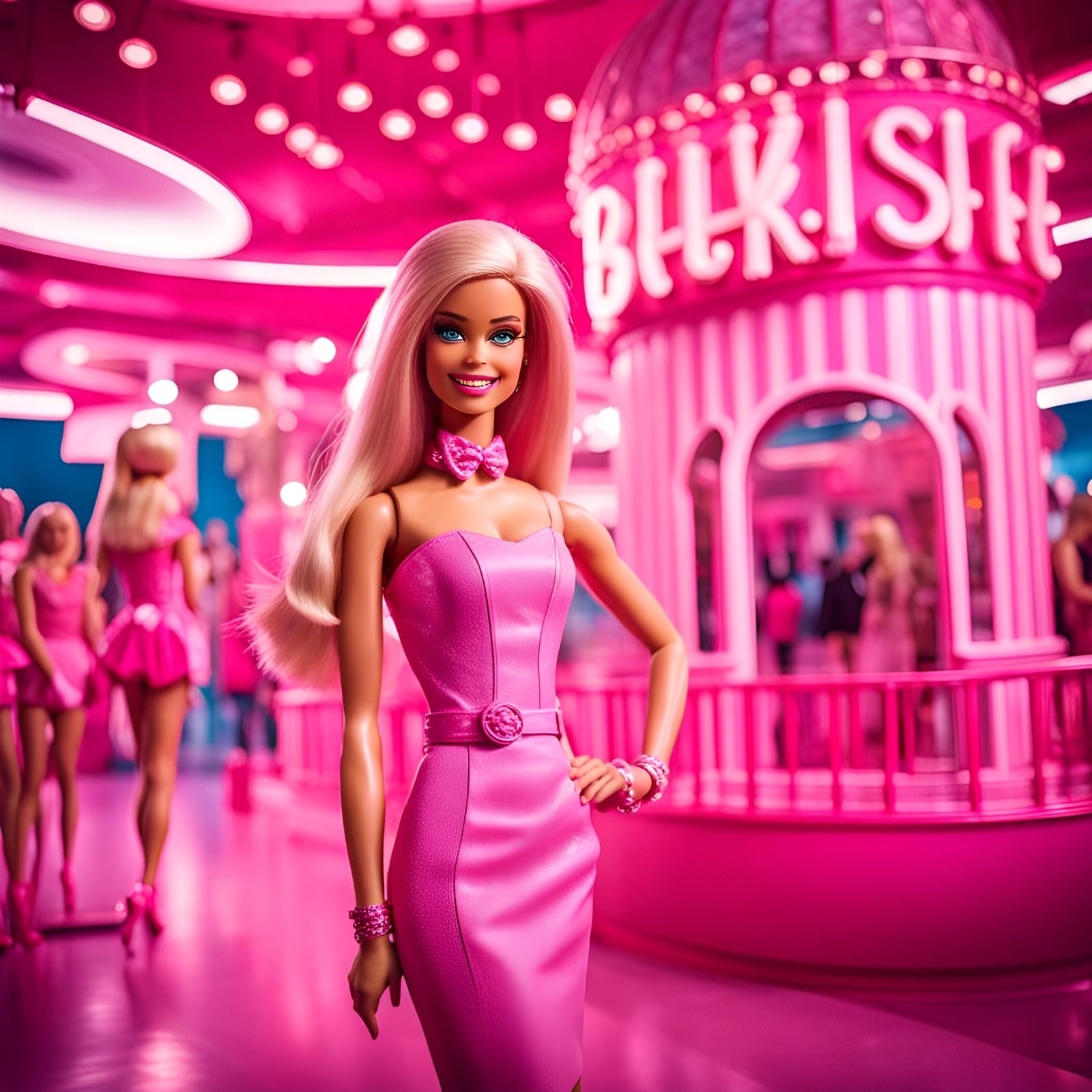
AI generated Barbie dolls represent a transformative intersection between traditional toy manufacturing and advanced generative artificial intelligence, reshaping how custom collectibles, digital avatars, and interactive play experiences are conceptualized, designed, and manufactured in 2026.
The integration of artificial intelligence into the lifecycle of fashion dolls and collectibles changes every stage from initial prompt engineering to physical production. Rather than relying solely on centralized corporate design pipelines, modern toy enthusiasts, collectors, and digital creators utilize generative models to design unique outfits, facial expressions, hairstyles, and narrative backstories for their dolls. This shift moves Barbie from a mass-market retail product into a personalized canvas where physical craftsmanship meets digital customization, redefining the boundaries between traditional toy collecting and digital asset creation.
The Evolution of Custom Toy Design and Collectibles
The modern landscape of collectible dolls has evolved significantly from the static, mass-produced plastic figures of the late 20th century. For decades, Mattel maintained strict control over the design, wardrobe, and narrative context of every Barbie doll released to the market. Collectors could customize dolls through hand-painting, re-rooting hair, and sewing custom miniature clothing, but these modifications required specialized artisan skills and considerable time.
As digital fabrication, 3D printing, and computer vision matured, the barrier to entry for custom toy creation lowered. Creators began using digital rendering software to prototype miniature accessories and custom head sculpts. The introduction of machine learning algorithms capable of rendering high-resolution photorealistic imagery and 3D meshes accelerated this trend. Today, generative models allow users to input precise stylistic prompts—ranging from historical fashion eras to futuristic cyberpunk aesthetics—and instantly visualize complex doll designs that can be translated into physical objects through specialized 3D printing and textile printing services.
How Generative AI Shapes Physical and Digital Barbie Collections
Generative AI influences collectible toys through a dual approach encompassing both physical manufacturing pipelines and digital companion ecosystems. On the physical side, generative algorithms assist designers in creating intricate lace patterns, asymmetrical footwear, and structural garments that are mathematically optimized for small-scale production. Using diffusion models trained on vast archives of fashion history and toy design, creators can generate entirely new product lines that maintain the iconic proportions and brand aesthetics of Barbie while pushing stylistic boundaries.
Concurrently, digital collections exist alongside physical dolls as virtual assets, augmented reality avatars, and interactive characters. In these digital environments, AI-generated personalities and voice models give individual dolls distinct conversational traits, memories, and narrative arcs. This dual-format collecting strategy appeals to tech-native consumers who value both tangible display pieces and dynamic, software-driven interactions.
| Customization Aspect | Traditional Manufacturing | AI-Generated & Custom Workflow |
|---|---|---|
| Design Phase | Centralized studio sketching and physical prototyping | Prompt-based generative visualization and iterative rendering |
| Wardrobe & Accessories | Mass-produced standard clothing packs | Algorithmically patterned, on-demand 3D printed apparel |
| Narrative & Lore | Pre-scripted booklets and media tie-ins | Dynamic, user-defined or AI-assisted interactive backstories |
| Production Scale | High-volume factory production runs | Small-batch, bespoke, or single-edition custom fabrication |
Technical Requirements and Creation Workflows
Creating an AI-generated Barbie doll concept requires a structured workflow combining specialized hardware, prompt engineering frameworks, and downstream fabrication tools. Creators typically begin by selecting a foundational image-generation model fine-tuned on toy photography, fashion lookbooks, and 3D render styles.
The primary technical steps in this workflow include:
- Prompt Engineering: Crafting detailed textual descriptions that specify lighting, material textures (such as high-gloss vinyl, matte plastic, or woven textiles), scale, and historical or futuristic fashion motifs.
- Image Refinement and Inpainting: Utilizing AI editing tools to correct anatomical anomalies, adjust facial symmetry, or modify specific accessories like sunglasses or handbags.
- 3D Mesh Generation: Converting 2D AI concept art into volumetric 3D models using neural radiance fields (NeRFs) or image-to-3D algorithms suitable for additive manufacturing.
- Physical Fabrication: Exporting verified 3D files to stereolithography (SLA) 3D printers for high-detail resin face sculpts and limbs, paired with computer-controlled laser cutting for miniature textiles.
This technical pipeline enables hobbyists and professional customizers alike to achieve a level of precision and stylistic consistency that previously required industrial-grade manufacturing infrastructure.
Market Impact, Authenticity, and Collector Value
The introduction of AI-assisted design into the collectibles market introduces complex questions regarding authenticity, intellectual property, and valuation. Traditional collecting relies heavily on manufacturer provenance—knowing that a specific vintage doll was produced by Mattel in a designated year with documented factory variations. AI-generated custom dolls, by contrast, derive their value from the uniqueness of the generative prompt, the skill of the human curator, and the quality of the physical execution.
Major toy manufacturers navigate this space by balancing proprietary digital platforms with community-driven customization. While official brand protection prevents unauthorized commercial sale of counterfeit items bearing trademarked logos, manufacturers increasingly explore official AI co-creation tools. These tools allow consumers to design custom packaging and digital certificates of authenticity backed by secure digital ledgers, ensuring that one-of-a-kind AI-conceived collectibles maintain verifiable provenance within collector communities.
Balancing Personalization with Quality Control in Custom Play
While algorithmic design unlocks unprecedented creative freedom, it also presents distinct challenges related to material durability, aesthetic coherence, and safety standards. AI image generators frequently produce fantastical designs featuring gravity-defying hair structures, impossible footwear, or microscopic embellishments that cannot be translated safely into physical toys intended for younger audiences.
For adult collectors, these physical limitations are less restrictive, but structural integrity remains paramount. Resin-printed accessories and delicate multi-material garments created via automated workflows require careful post-processing, UV curing, and protective sealing to prevent degradation over time. Ensuring that AI-designed concepts adhere to standard toy safety guidelines—such as non-toxic material certifications and the absence of hazardous sharp edges—remains a critical responsibility for any creator transitioning a digital concept into a physical display piece.
Frequently Asked Questions
What are AI-generated Barbie dolls?
AI-generated Barbie dolls are custom conceptual designs, digital avatars, or physically fabricated collectibles created by combining artificial intelligence image generators, 3D modeling tools, and traditional doll-customization techniques.
Can I print a physical doll directly from an AI image?
An AI-generated image cannot be printed directly as a physical doll. The 2D image must first be converted into a 3D volumetric model using specialized conversion software, refined for structural stability, and then fabricated using 3D printing and specialized miniature textile techniques.
Do major toy brands support AI-generated designs?
Major manufacturers protect their intellectual property rights and trademarks while occasionally experimenting with official digital customization platforms that allow consumers to participate in supervised design workflows.
How do collectors verify the authenticity of custom AI collectibles?
Authenticity in custom AI collectibles is typically established through creator provenance, digital certificates of authenticity, documentation of the creation workflow, and the craftsmanship of the physical execution rather than factory seals.
What tools are used to create AI doll concepts?
Creators use text-to-image diffusion models for initial visual concepts, image-editing software for refinement, and AI-powered 3D asset generators to prepare files for digital rendering or physical fabrication.
Curating Your Future Collectible Strategy
To successfully navigate the emerging landscape of AI-enhanced collectibles, creators and collectors should prioritize mastering foundational prompt engineering alongside basic 3D modeling literacy. Begin by experimenting with digital-only conceptual archives to refine your preferred aesthetic style before investing in high-resolution resin printing or specialized miniature sewing equipment. Maintain a clear distinction between purely digital virtual assets and physical display pieces, ensuring that any tangible items you commission or build adhere to rigorous material quality standards. By combining creative vision with technical precision, you can build a distinctive collection that bridges traditional toy nostalgia with the cutting-edge capabilities of generative technology.