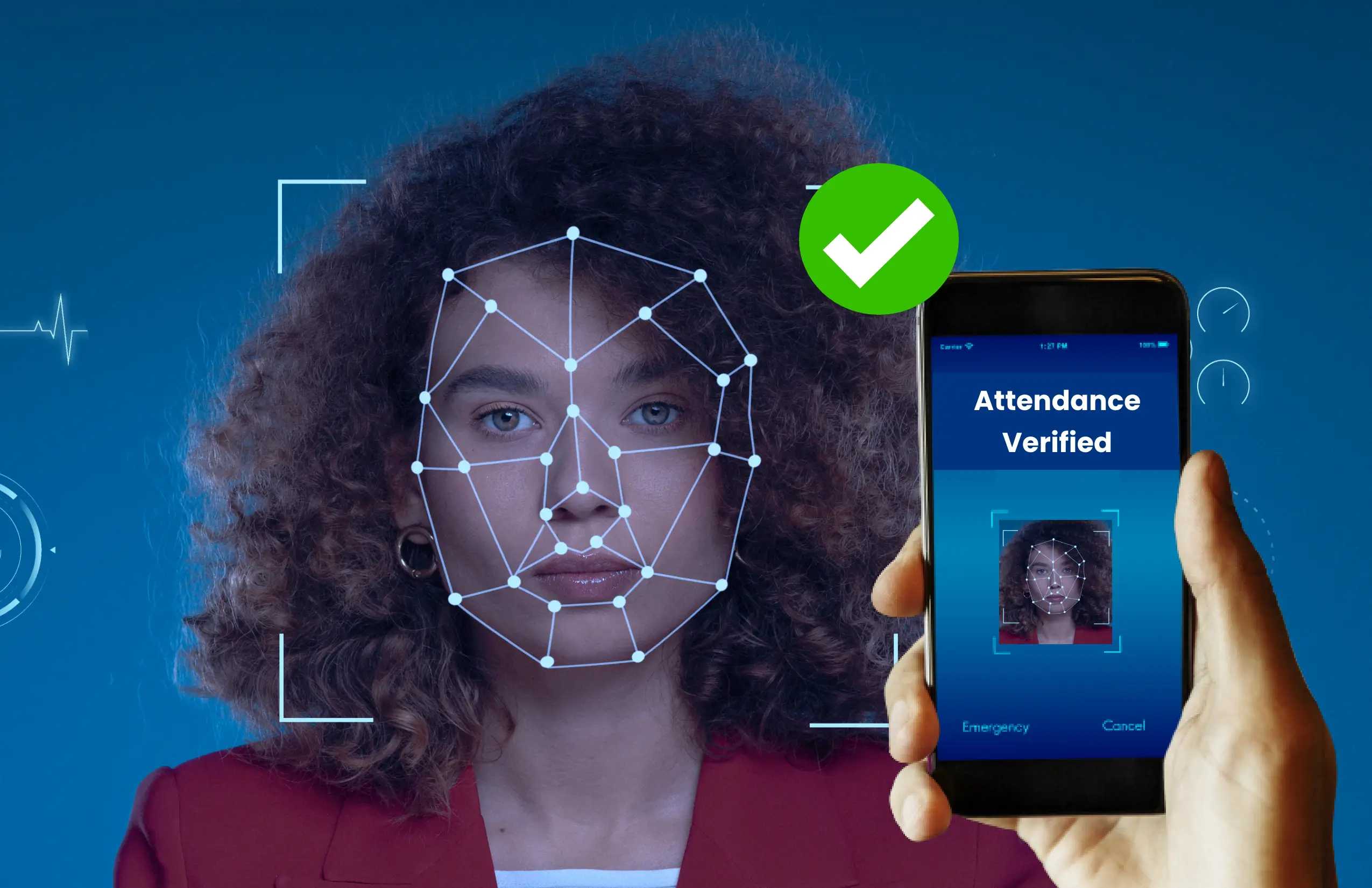
AI face matching uses advanced computer vision and deep learning algorithms to analyze facial geometry, extract biometric markers, and compare features against an image database to determine identity or similarity. This technology powers applications ranging from secure access control and device authentication to digital forensics, media indexing, and modern identity verification workflows.
Understanding the Fundamentals of Facial Biometrics
At the core of any AI face matching system is the conversion of raw image data into mathematical representations that a computer can process, evaluate, and index. Traditional facial recognition methods relied heavily on geometric measurements, such as the distance between the eyes, the width of the nose, and the contour of the jawline. While these legacy approaches worked under strictly controlled, well-lit environments, they failed significantly when subjected to changes in head pose, facial expression, illumination, or aging.
Modern AI face matching supersedes these limitations by leveraging deep neural networks—specifically, convolutional neural networks (CNNs) and transformer-based vision models. These networks are trained on millions of diverse facial images, enabling them to automatically learn the most discriminative features of a human face. When a target image is processed, the system detects the face, aligns it spatially to normalize tilt and scale, and passes it through feature extraction layers.
The output of this extraction process is typically a high-dimensional numerical array known as a face embedding or feature vector. Two face embeddings can then be compared using mathematical distance metrics, such as Euclidean distance or cosine similarity, to yield a similarity score. If this score exceeds a predetermined mathematical threshold, the system registers a match. This transformation from pixels to vectors allows algorithms to run efficiently at scale, searching through databases containing millions of records in milliseconds.
Core Architectural Components and Workflows
Implementing an AI face matching pipeline involves several distinct sequential stages, each handling a specific computational task to ensure accurate output. Skipping or improperly executing any of these stages degrades overall system performance, leading to false acceptances or false rejections.
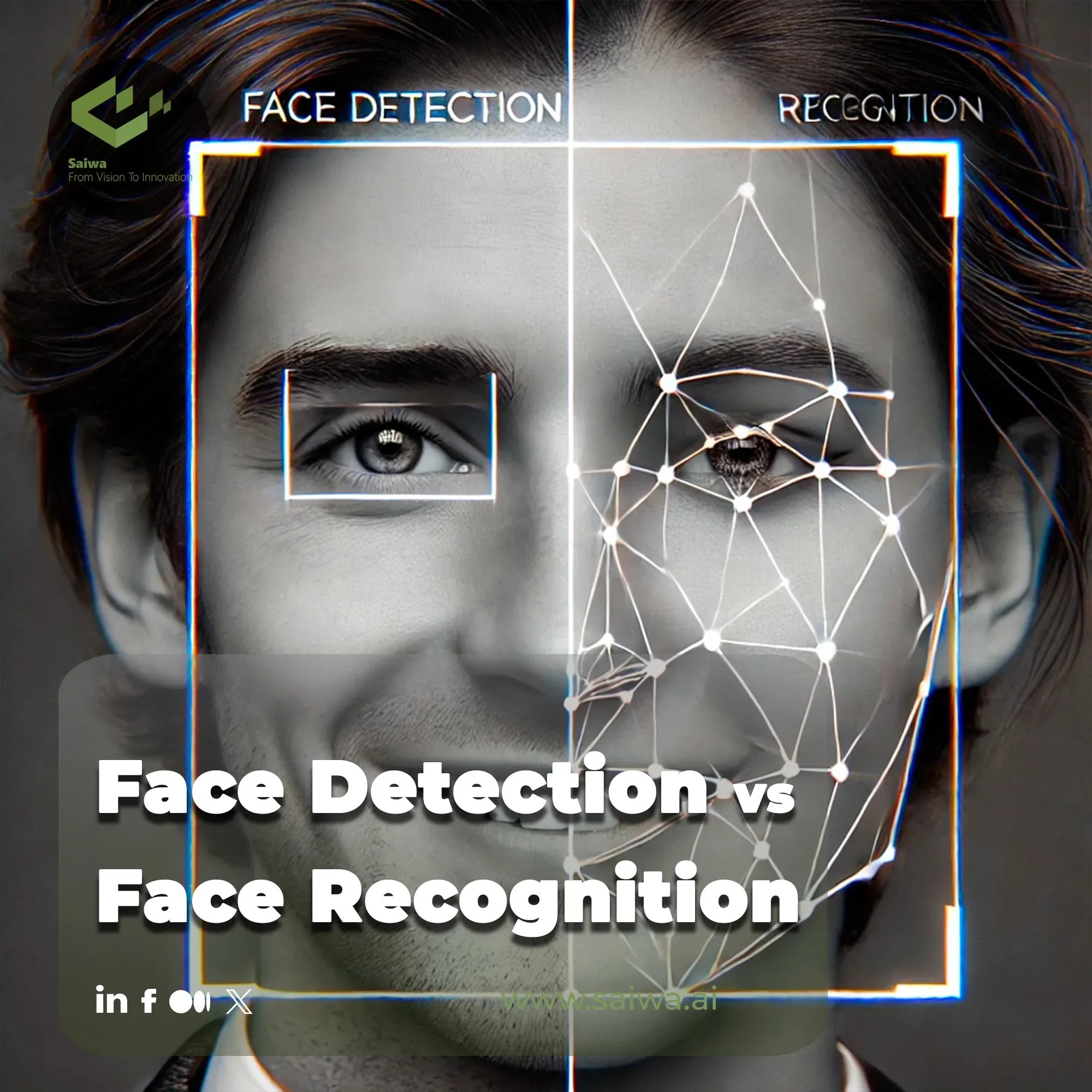
- Face Detection: The system scans the input image or video frame to locate human faces, returning bounding boxes that isolate each subject from the background environment.
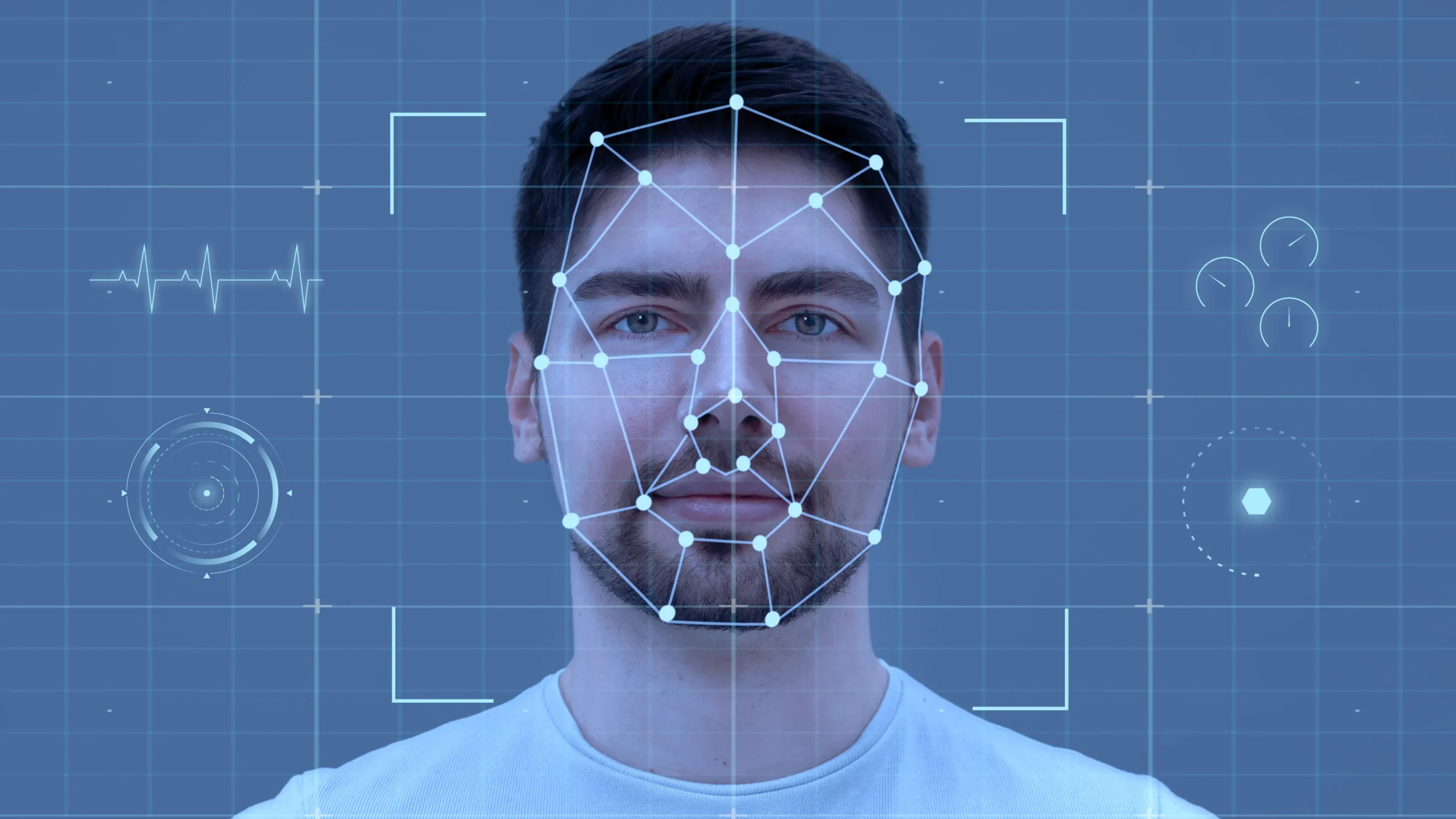
- Landmark Localization: Once a face is detected, the algorithm pinpoints specific anchor points, such as the pupils, tip of the nose, and corners of the mouth, to understand orientation and pose.
- Alignment and Normalization: Using the localized landmarks, the system rotates, scales, and crops the facial region to produce a standardized frontal orientation required by the feature extraction model.
- Feature Extraction: The normalized face crop is processed through deep learning layers to generate the unique feature vector representing the subject's biometric profile.
- Database Comparison and Scoring: The generated vector is compared against indexed vectors in a secure database, yielding ranked similarity scores used for verification or identification.
| Stage | Primary Function | Computational Challenge | Output Format |
|---|---|---|---|
| Face Detection | Locating faces in complex or cluttered scenes | Occlusions, extreme angles, and low resolution | Bounding box coordinates |
| Landmark Localization | Identifying precise facial feature coordinates | Variable lighting and expressions | 2D or 3D coordinate points |
| Normalization | Standardizing head pose, scale, and lighting | Distortion artifacts from aggressive warping | Cropped, aligned image tensor |
| Feature Extraction | Converting visual traits into mathematical vectors | High dimensionality and computational load | Numerical embedding array |
| Matching & Scoring | Evaluating distance between embeddings | Scalability and search latency across large datasets | Similarity percentage or score |
Key Use Cases and Real-World Applications
AI face matching has transitioned from a specialized academic discipline into a ubiquitous utility deployed across multiple commercial, industrial, and public sectors. In consumer technology, mobile devices utilize structured light or infrared dot projectors combined with neural processors to instantly match user faces for secure screen unlocking and application authorization.
In the enterprise and security sectors, organizations deploy automated face matching for physical access control at secure facilities, replacing legacy badge and keycard systems that are vulnerable to theft or sharing. Aviation and border control agencies utilize matching algorithms to streamline passenger processing through automated e-gates, comparing live traveler captures against passport and visa databases with high throughput.
Furthermore, digital onboarding systems—commonly known in financial services as electronic Know Your Customer (e-KYC)—rely heavily on face matching. When a customer opens a bank account online, the system captures a live selfie and compares it against the facial image extracted from an official government-issued identity document, such as a passport or driver's license. This process verifies that the person attempting to open the account physically possesses the credential being presented.
Technical Limitations, Biases, and Operational Challenges
Despite significant advancements in deep learning architecture, AI face matching systems face several notable technical and operational hurdles that demand careful governance and architectural mitigation.
One prominent challenge is demographic bias. If a training dataset lacks balanced representation across different racial, ethnic, age, and gender groups, the resulting neural network may exhibit disparate error rates, yielding higher false-positive or false-negative rates for underrepresented demographics. Developers and system integrators must rigorously audit models using diverse evaluation benchmarks to minimize these disparities before deployment.
Environmental variables also impact matching accuracy. Poor illumination, heavy shadows, motion blur, and low-resolution sensor capture can distort feature extraction, causing valid matching attempts to fail. Additionally, physical occlusions such as medical masks, heavy frames, or hats obscure critical biometric markers. While modern algorithms are trained to compensate for partial occlusions by focusing on upper facial regions, severe obstructions still degrade system reliability.
Privacy and data security represent another critical domain of concern. Because face embeddings constitute sensitive biometric data, breaches or unauthorized collection pose severe risks to individual privacy. Consequently, deployments must adhere to stringent regulatory frameworks, such as the European Union's Artificial Intelligence Act and regional privacy laws, which govern biometric processing, consent requirements, and data retention limits.
Evaluating and Selecting Face Matching Solutions
Organizations looking to integrate AI face matching capabilities must evaluate vendors and software libraries against objective performance criteria rather than marketing claims. Standardized benchmarks, such as those administered by the National Institute of Standards and Technology (NIST) via the Face Recognition Vendor Test (FRVT), provide independent, empirical evaluations of matching accuracy across millions of real-world images.
When assessing a solution, engineers examine metrics including False Match Rate (FMR), False Non-Match Rate (FNMR), and throughput latency. A lower FMR indicates higher security by reducing unauthorized access, while a lower FNMR ensures better user convenience by minimizing unnecessary rejections.
Integration flexibility is another vital consideration. Modern solutions are typically deployed via software development kits (SDKs) for edge computing on local hardware or through secure cloud-based application programming interfaces (APIs). Edge deployment ensures lower latency and greater data privacy since biometric vectors do not leave the local device, whereas cloud deployments offer elastic scalability for massive enterprise databases.
Frequently Asked Questions
What is the difference between face verification and face identification?
Face verification is a one-to-one matching process that confirms whether a user is who they claim to be, typically comparing a live capture against a single reference image (such as matching a selfie to an ID card). Face identification is a one-to-many search process that scans an entire database to determine the identity of an unknown face, answering the question "Who is this person?"
Can AI face matching be spoofed using photographs or videos?
Basic systems can sometimes be bypassed using printed photos or digital video playbacks on a screen, a vulnerability known as presentation attack. To counter this, modern AI face matching implementations incorporate passive or active liveness detection. Liveness detection algorithms analyze micro-expressions, skin texture, depth cues, and infrared reflections to ensure the capture originates from a living, physically present human being.
How much data is required to train an accurate face matching model?
Training high-accuracy facial recognition models requires millions of diverse, curated images representing wide variations in lighting, pose, ethnicity, age, and expression. However, most commercial integrators do not train models from scratch; instead, they fine-tune pre-trained foundational models using smaller, domain-specific datasets or utilize pre-computed feature extraction APIs.
Are face embeddings reversible back into original photographs?
Standard face embeddings are unidirectional mathematical representations composed of high-dimensional numerical vectors. It is computationally infeasible to reconstruct an exact, high-resolution original photograph of a person's face solely from their stored feature vector, which provides a layer of data minimization and privacy protection if databases are compromised.
What factors most heavily influence the accuracy of a face matching system?
Key factors include the quality and resolution of the input image, the angle of the face relative to the camera, environmental illumination, and the diversity of the training data used to build the underlying neural network. High-end sensors paired with robust normalization pipelines yield the highest reliability in production environments.
Implementing Secure Verification Workflows
To maximize the efficacy and security of AI face matching deployments, organizations should adopt a defense-in-depth implementation strategy. Begin by establishing clear policy guidelines regarding data governance, user consent, and regulatory compliance. Integrate certified liveness detection modules to prevent presentation attacks, and ensure all feature vectors are encrypted both in transit and at rest. Finally, conduct continuous accuracy monitoring across all user demographics to maintain equitable, reliable performance over time.