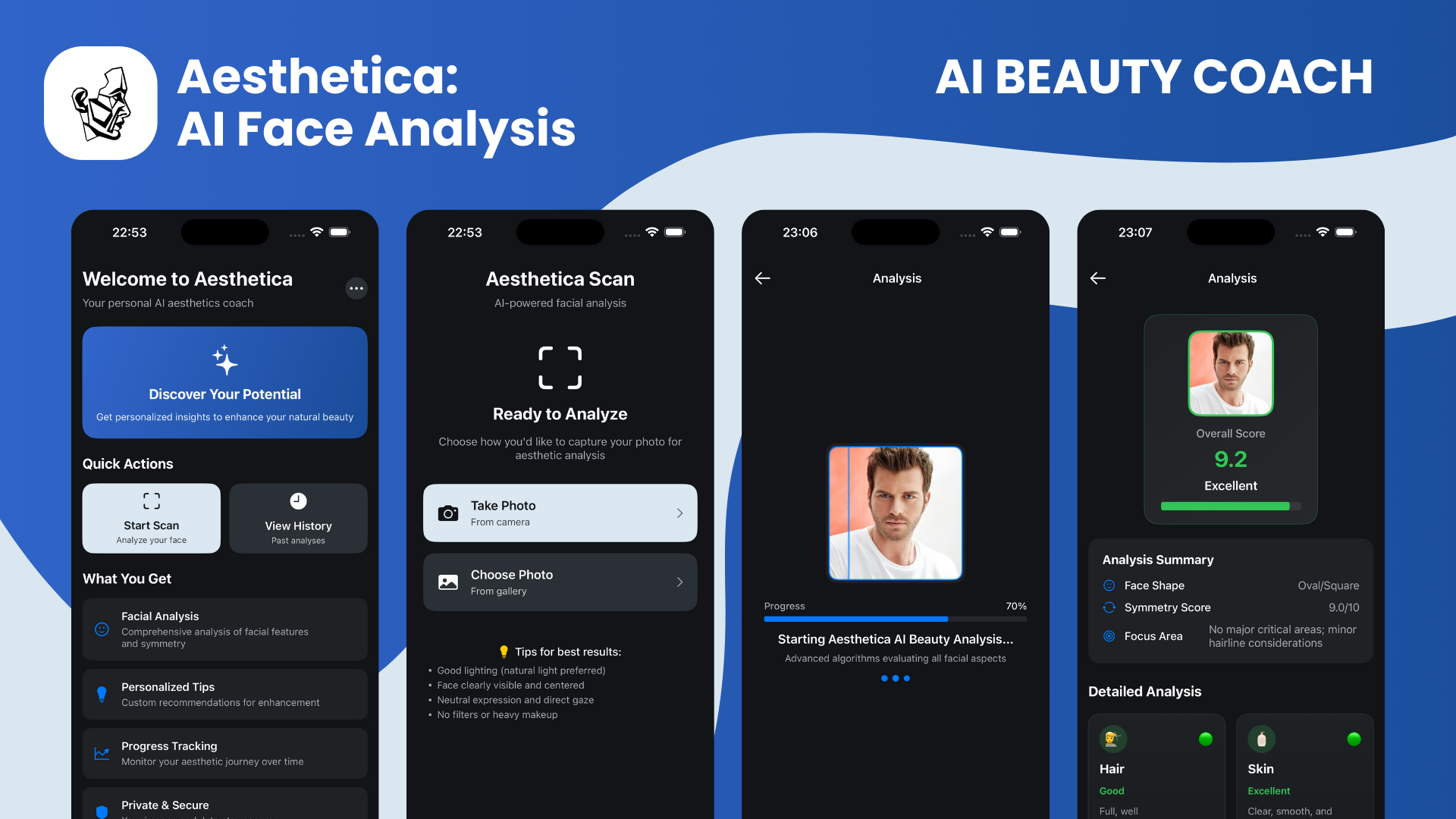
AI face analysis combines computer vision, machine learning, and deep neural networks to detect, decode, and interpret human facial features from digital images and video streams. By mapping landmark coordinates, extracting geometric patterns, and evaluating pixel intensities, these systems can identify individuals, classify demographic attributes, measure emotional expressions, and track physiological indicators in real time across various commercial, security, and healthcare environments.
Understanding the Core Architecture of Facial Recognition and Analysis
The foundation of modern AI face analysis rests on deep learning models, specifically Convolutional Neural Networks (CNNs) and transformer-based architectures designed for computer vision. When an image enters the pipeline, the system typically executes a sequential series of computational stages to transform raw pixel data into actionable, structured metadata.
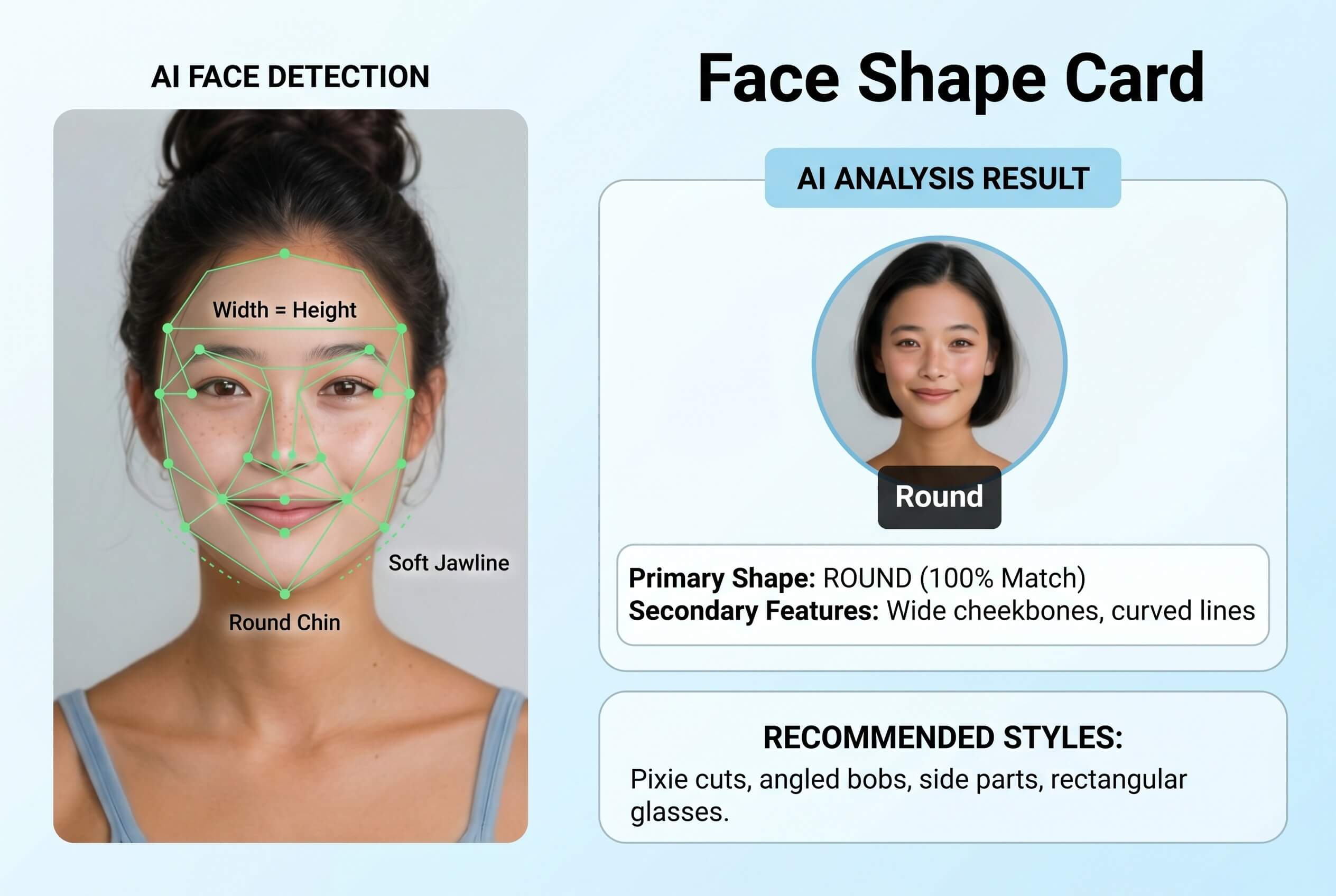
The first stage involves face detection, where algorithms scan the visual field to locate bounding boxes around any human faces present, regardless of scale, pose, or lighting conditions. Popular detection frameworks, such as Multi-Task Cascaded Convolutional Networks (MTCNN) or Single Shot Detector (SSD) variants, isolate the region of interest while discarding background noise. Once isolated, alignment algorithms normalize the face by rotating, scaling, and cropping it based on canonical reference points—such as the centers of the eyes and the tip of the nose.
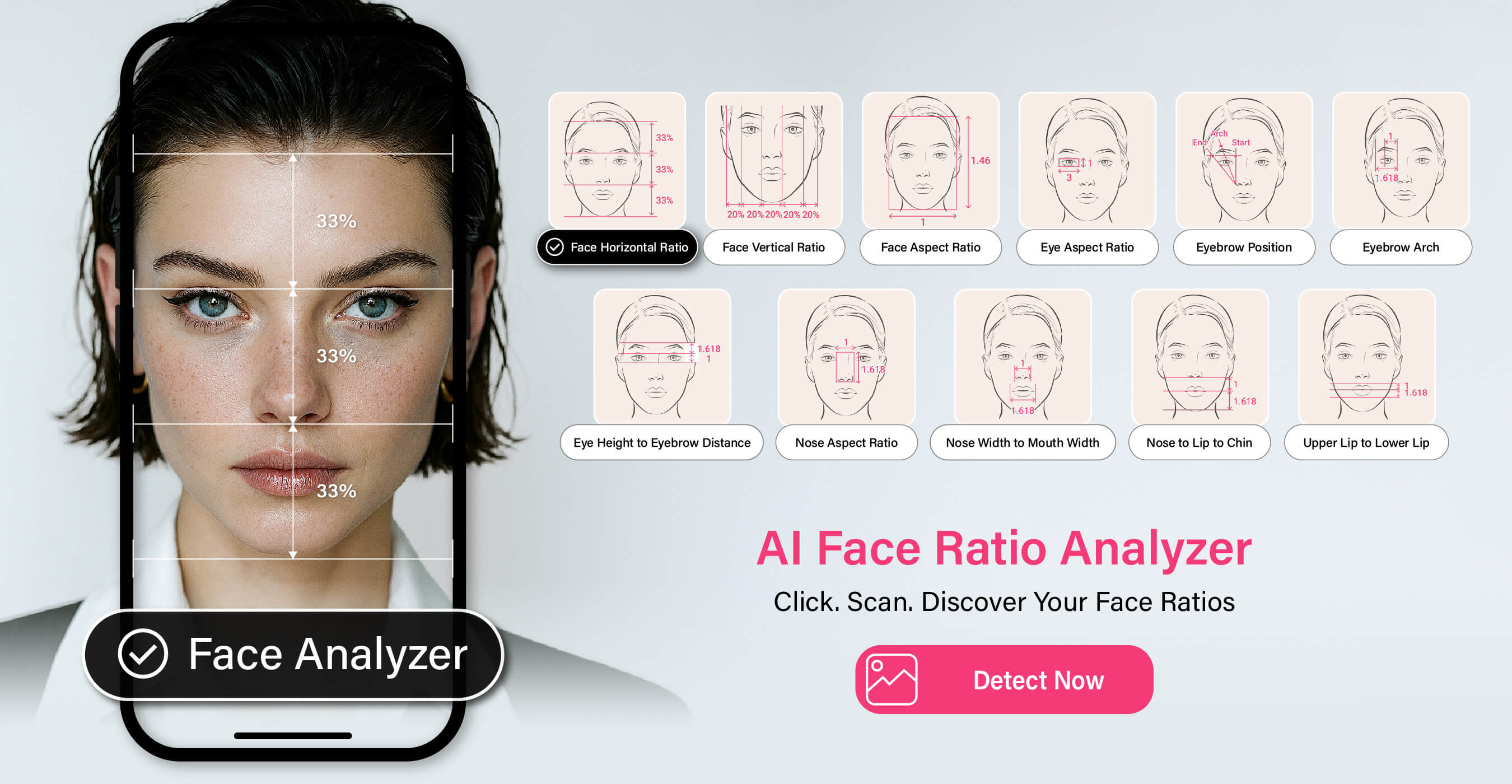
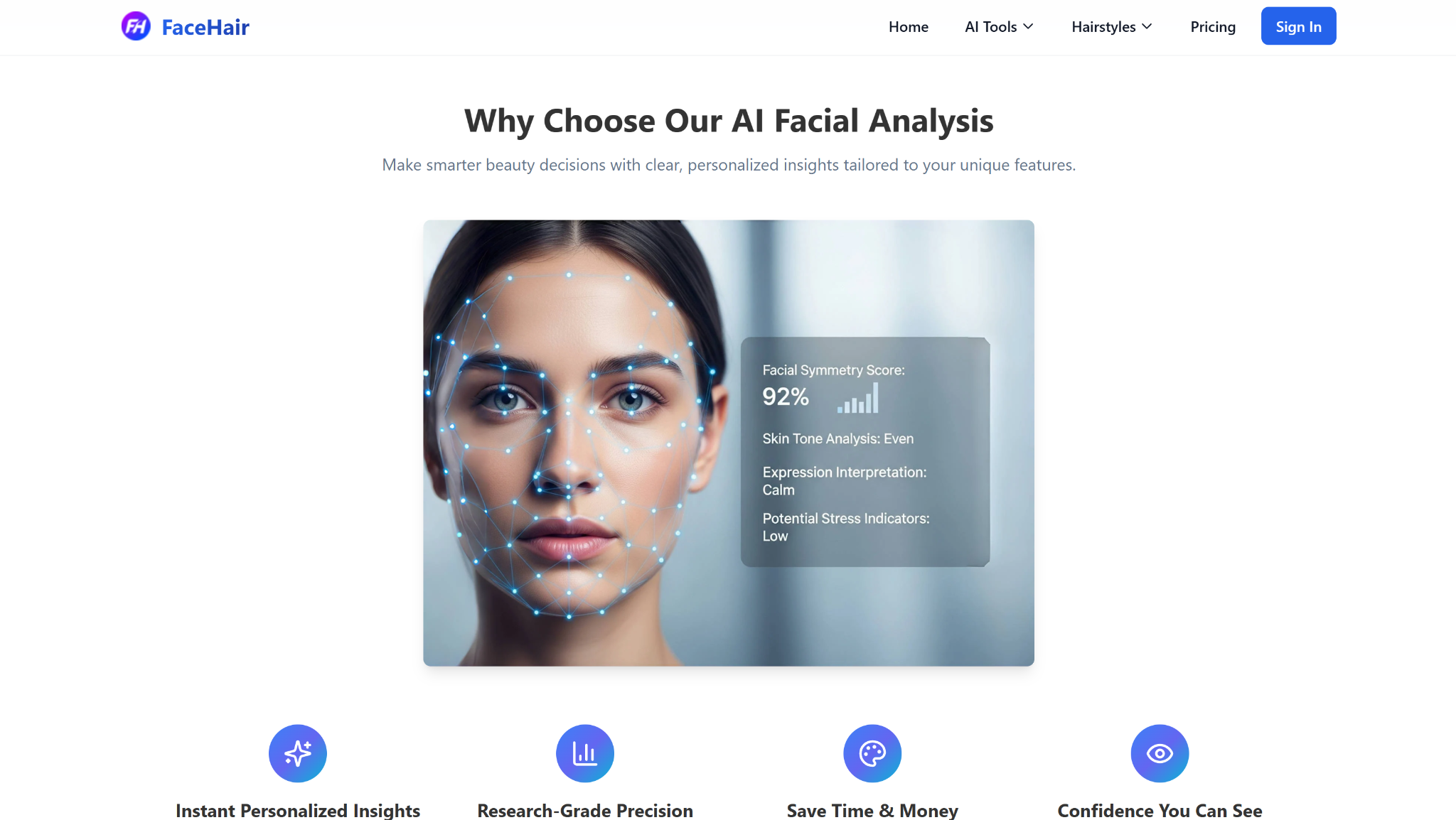
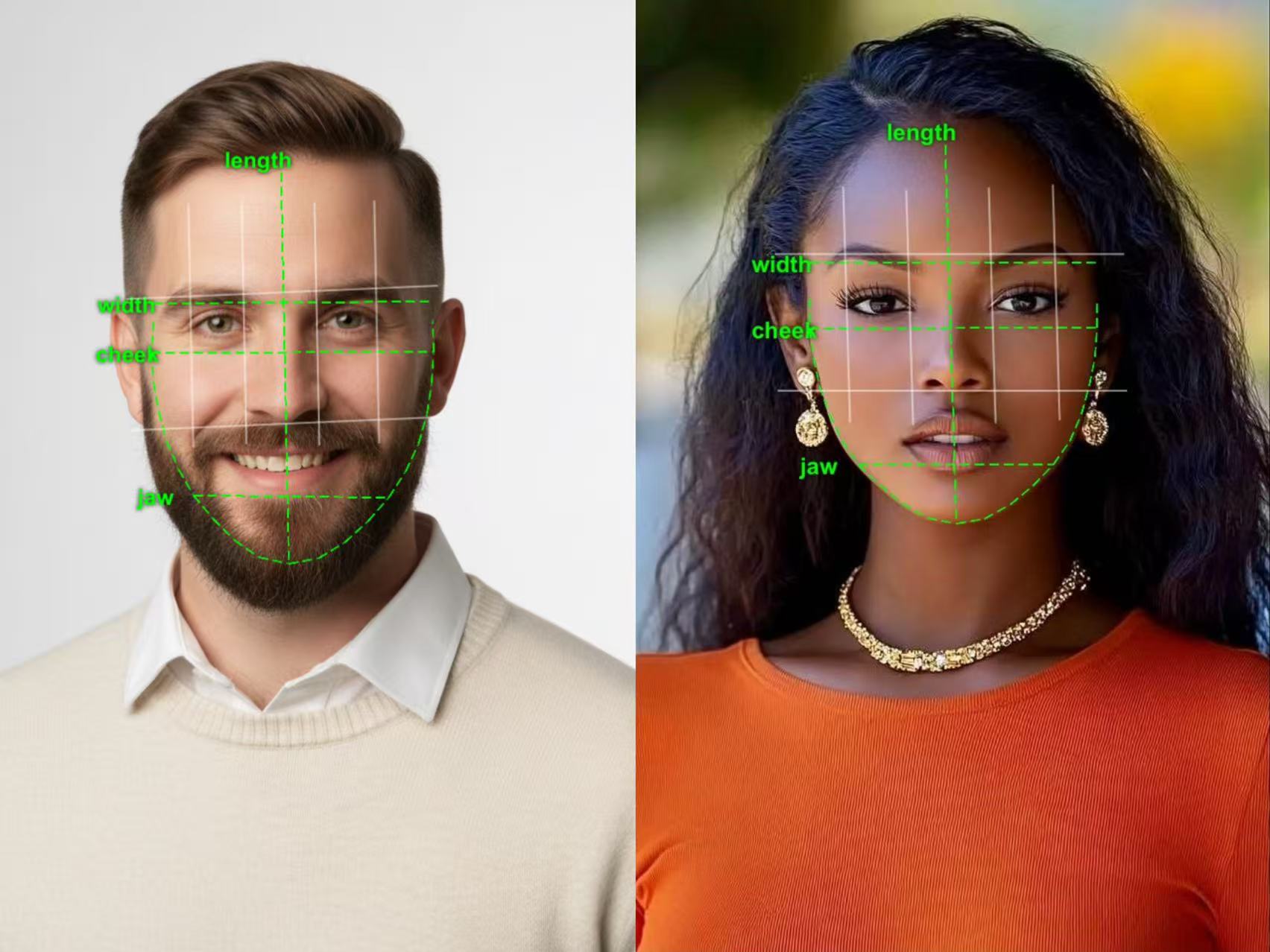
Following alignment, landmark localization maps dozens or hundreds of specific geometric coordinate points across facial contours. This creates a dense mesh that captures the precise spatial relationships between the eyes, eyebrows, jawline, mouth, and nose. Advanced systems then feed this aligned face into feature extraction layers. These layers compute high-dimensional mathematical representations, often referred to as face embeddings or feature vectors.
These vectors plot the unique characteristics of a face into a multi-dimensional latent space. Distance metrics, such as Euclidean distance or cosine similarity, are then applied to compare these vectors against database records for verification or identification tasks, or passed to specialized classification heads for attribute estimation.
Major Applications Across Industries
AI face analysis has transitioned from academic research laboratories into practical, high-impact deployments across multiple industry verticals. Understanding these use cases highlights both the versatility of the technology and the specific operational requirements demanded by different environments.
Security, Surveillance, and Access Control
Law enforcement agencies, border control authorities, and enterprise security teams deploy facial analysis for identity verification and watchlist screening. Automated Border Control (ABC) e-gates at international airports compare live traveler captures against biometric passports to streamline immigration processes. Similarly, high-security facilities utilize facial authentication for physical access control, replacing traditional keycards or PIN codes with frictionless biometric scans.
Digital Health and Telemedicine
In healthcare, computer vision models assist clinicians by analyzing facial symmetry, micro-expressions, and skin conditions. Specialized algorithms can detect signs of neurological distress, monitor postoperative recovery, or track cardiovascular metrics—such as heart rate variability—by measuring subtle, imperceptible changes in facial skin color through a process known as remote photoplethysmography (rPPG).
Marketing, Retail, and Human-Computer Interaction
Retail analytics platforms utilize anonymized demographic estimation to measure foot traffic, dwell time, and audience composition in physical stores. By analyzing aggregated age, gender, and emotional engagement trends, merchants optimize product placement and display effectiveness. In consumer electronics, facial analysis powers biometric device unlocking, animated avatar tracking in communication software, and driver-monitoring systems designed to detect operator fatigue in automotive applications.
Comparing AI Face Analysis Capabilities and Methodologies
Different tasks within facial analysis require distinct technical approaches, varying processing power, and specific accuracy thresholds. The table below outlines the primary modalities of AI face analysis, their core functions, and typical performance trade-offs.
| Analysis Modality | Core Function | Technical Approach | Primary Operational Challenge |
|---|---|---|---|
| Face Verification (1:1) | Confirms if two images belong to the same person. | Distance metric comparison of feature embeddings. | False rejections caused by significant aging, lighting shifts, or heavy makeup. |
| Face Identification (1:N) | Searches a database to match an unknown face. | Large-scale nearest-neighbor vector database search. | Scalability latency and false positives in massive population databases. |
| Attribute Estimation | Classifies age, gender, ethnicity, and accessories. | Multi-label classification neural network heads. | Inherent demographic bias and dataset representation imbalances. |
| Emotion & Affect Analysis | Categorizes facial expressions into emotional states. | Spatiotemporal video analysis of action units (FACS). | Subjectivity of human emotion and cultural display differences. |
| Liveness Detection | Determines if a capture is a live human or spoof. | Texture analysis, depth mapping, and challenge-response. | Sophisticated presentation attacks like silicone masks or deepfakes. |
Technical Challenges and Algorithmic Limitations
Despite rapid advancements, AI face analysis systems face significant technical hurdles that impact reliability in real-world deployments. Environmental variables, dataset biases, and adversarial vulnerabilities remain prominent concerns for developers and system architects.
Lighting variations, extreme head poses, occlusions (such as face masks, sunglasses, or facial hair), and low-resolution video feeds severely degrade feature extraction accuracy. When a neural network is trained predominantly on uniform datasets, its generalization capability drops when deployed in diverse, unconstrained environments. This phenomenon often results in higher error rates for minority demographics, prompting rigorous academic and regulatory scrutiny regarding algorithmic fairness.
Furthermore, security vulnerabilities present ongoing challenges. Presentation attacks—where malicious actors use printed photos, replay videos, 3D masks, or digital deepfakes to impersonate an authorized user—require robust liveness detection subsystems. Passive liveness checks evaluate micro-textures, corneal reflections, and pulse signals to distinguish genuine physical captures from digital or physical counterfeits, adding computational overhead to the analysis pipeline.
Privacy Regulations and Ethical Compliance
The deployment of AI face analysis intersects directly with stringent data protection laws and fundamental civil liberties. Because facial templates constitute biometric data—often classified as a special category of sensitive personal information under major legal frameworks—organizations must navigate complex compliance landscapes.
In the European Union, the General Data Protection Regulation (GDPR) strictly limits the processing of biometric data for the purpose of uniquely identifying a natural person, requiring explicit consent or compelling public interest grounds. The European Artificial Intelligence Act further classifies real-time remote biometric identification systems in public spaces as high-risk or prohibited, depending on the specific operational context and law enforcement deployment criteria.
Similarly, regional laws in various jurisdictions regulate commercial biometric collection, mandating transparent notice-and-consent mechanisms, strict data retention limits, and robust cybersecurity safeguards against unauthorized database exfiltration. Organizations implementing these tools must conduct comprehensive Data Protection Impact Assessments (DPIAs) and ensure that data minimization principles are hardcoded into their system architecture.
Frequently Asked Questions About AI Face Analysis
How accurate are modern AI face analysis systems?
State-of-the-art face verification algorithms achieve accuracy rates exceeding 99.8% under controlled conditions. However, real-world accuracy fluctuates based on image resolution, illumination, angle, and the demographic diversity of the training data. Unconstrained environments with poor lighting or rapid movement experience higher rates of false positives and false negatives.
What is the difference between facial recognition and facial analysis?
Facial recognition focuses specifically on identity verification (1:1) or identification (1:N) by matching a face against known database records. Facial analysis is a broader term that encompasses recognition alongside the estimation of attributes such as age, gender, emotional state, head pose, and physiological indicators without necessarily identifying the individual.
Can AI face analysis be fooled by deepfakes or photos?
Basic systems can be manipulated using printed photographs, high-resolution screens, or video replays. Modern enterprise-grade systems integrate presentation attack detection (PAD) or liveness detection technologies—such as active challenge-response protocols or passive infrared analysis—to prevent spoofing attempts.
How do systems protect sensitive biometric data?
Secure implementations rely on cryptographic hashing and secure enclaves to store and process facial data. Rather than storing raw images, systems typically retain only non-reversible mathematical feature vectors. If a vector database is compromised, the original facial image cannot be reconstructed from the stored numerical template.
Is AI face analysis legal for commercial use?
Legality depends heavily on the jurisdiction, industry sector, and intended application. Many regions require explicit user consent, strict data retention policies, and compliance with privacy statutes like the GDPR or state-level biometric information privacy acts. Unregulated mass surveillance deployments face widespread legal restrictions and bans.
Implementing Compliant and Secure AI Face Analysis Solutions
Organizations evaluating or deploying AI face analysis must prioritize transparency, technical robustness, and strict adherence to privacy regulations. Begin by conducting a thorough audit of the intended use case to determine whether biometric processing is strictly necessary or if non-biometric alternatives suffice. When proceeding with deployment, select vendor models certified by independent testing authorities, such as the National Institute of Standards and Technology (NIST) Face Recognition Vendor Test (FRVT), to verify baseline accuracy and bias metrics. Finally, establish clear data governance policies that mandate rapid purging of temporary processing caches, enforce end-to-end encryption for all biometric templates in transit and at rest, and provide clear, accessible notice to all individuals within the captured environment.