AI ethics is a multidisciplinary framework of moral principles, guidelines, and governance mechanisms designed to ensure artificial intelligence systems are developed, deployed, and used safely, fairly, and transparently. It addresses societal risks such as algorithmic bias, data privacy violations, accountability gaps, and labor displacement.
Understanding the Foundation of AI Ethics
The rapid acceleration of artificial intelligence across commercial, governmental, and personal domains has transformed society, presenting profound philosophical and practical challenges. At its core, AI ethics seeks to bridge the gap between technological capability and human values. Machine learning models and large language systems do not possess moral agency; they reflect the data, objectives, and architectural biases embedded by their human creators. Consequently, establishing robust ethical guardrails is no longer an abstract academic exercise. It is a critical operational requirement for engineers, legal professionals, and organizational leaders alike.
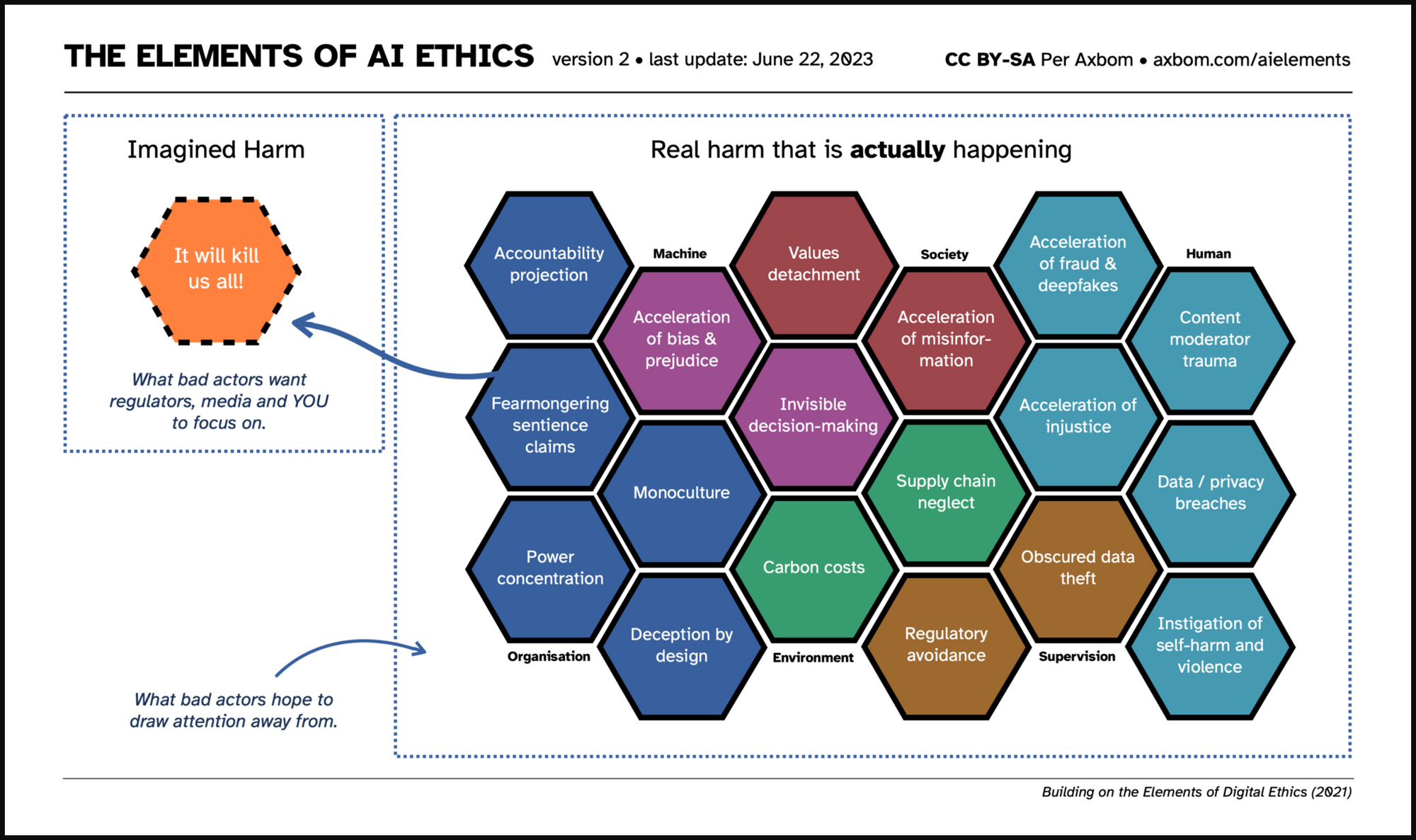
To understand how AI ethics functions in practice, one must examine the socio-technical ecosystems in which these systems operate. Technology is never neutral. Every dataset curated for training, every optimization function chosen, and every deployment threshold established carries implicit value judgments. For instance, prioritizing system efficiency over demographic parity can lead to automated decision-making tools that systematically disadvantage marginalized communities. AI ethics provides the vocabulary, analytical tools, and regulatory scaffolding necessary to interrogate these choices before they manifest as real-world harms.
Core Principles Guiding Responsible Artificial Intelligence
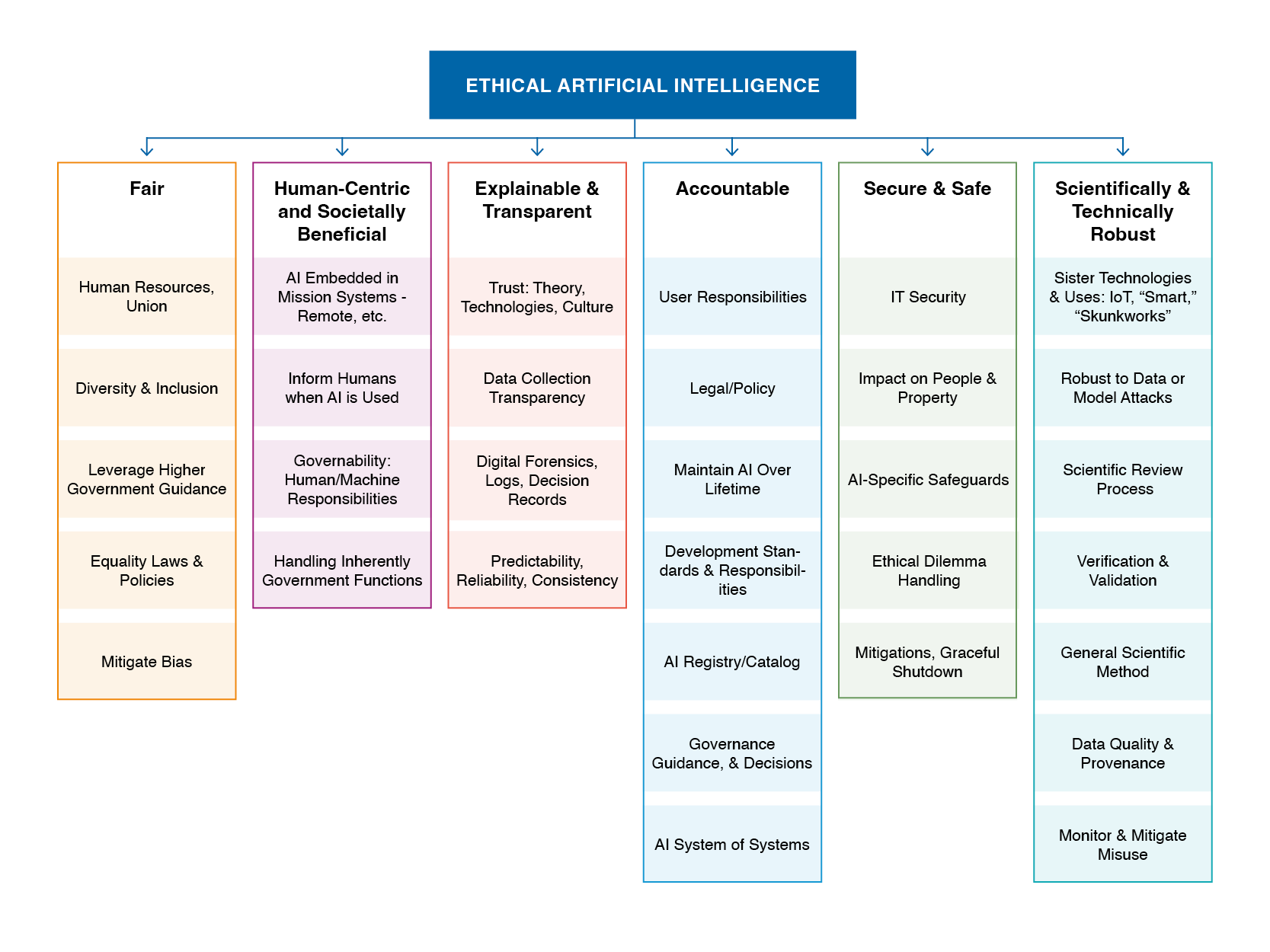
While numerous frameworks have been proposed by international bodies, academic institutions, and technology conglomerates, most converge on a core set of foundational principles. These principles serve as the moral compass for system design and evaluation.
- Fairness and Non-Discrimination: Systems must be designed to avoid perpetuating or amplifying historical biases. Developers must actively monitor training data and output distributions to ensure equitable treatment across race, gender, socioeconomic status, and other protected characteristics.
- Transparency and Explainability: Users and affected parties have a right to understand how and why an automated decision was made. Black-box models that defy interpretation are unacceptable in high-stakes environments like healthcare, criminal justice, and finance.
- Accountability and Governance: Clear lines of responsibility must be established. When an autonomous system fails or causes harm, human operators, developers, and deploying organizations must be held accountable for remediation.
- Privacy and Data Protection: AI systems demand vast quantities of information. Ethical frameworks mandate strict adherence to data minimization, consent, and security protocols to protect individual autonomy and confidentiality.
- Safety and Robustness: Models must operate reliably under normal and adversarial conditions, minimizing unintended consequences, catastrophic failures, and malicious exploitation.
| Ethical Principle | Primary Objective | Key Implementation Challenge |
|---|---|---|
| Fairness | Prevent systemic bias and ensure equitable outcomes. | Defining objective fairness metrics across diverse demographic groups. |
| Transparency | Provide understandable rationales for automated decisions. | Balancing proprietary model secrecy with interpretability requirements. |
| Accountability | Establish clear lines of legal and moral responsibility. | Navigating the diffusion of liability among developers, users, and corporations. |
| Privacy | Safeguard individual data rights and prevent unauthorized surveillance. | Reconciling data-hungry deep learning models with stringent privacy laws. |
Addressing Algorithmic Bias and Discrimination
Algorithmic bias represents one of the most immediate and pervasive threats in contemporary machine learning deployment. Because models learn statistical patterns from historical data, they frequently absorb and codify human prejudices. If hiring records from the past decade reflect systemic discrimination against specific demographics, an unmonitored recruitment algorithm will learn to penalize resumes containing those same indicators.
Mitigating this risk requires intervention at multiple stages of the data pipeline. During data collection, engineers must audit datasets for representation gaps and historical skews. During preprocessing, techniques such as re-weighting, resampling, and adversarial debiasing can neutralize skewed correlations. Furthermore, post-processing calibration ensures that output decision thresholds do not disproportionately impact specific sub-populations. Achieving true fairness requires continuous auditing, as real-world environments evolve dynamically and drift from initial training conditions.
Transparency, Explainability, and the Black-Box Problem
Modern deep learning architectures, particularly deep neural networks with millions or billions of parameters, are notoriously opaque. Even their creators often struggle to trace the exact computational pathway that led to a specific output. This lack of transparency poses severe risks in sectors where decisions carry life-altering consequences.
Explainable AI (XAI) has emerged as a vital subfield dedicated to making complex model outputs understandable to human operators. Techniques such as Local Interpretable Model-agnostic Explanations (LIME) and Shapley Additive exPlanations (SHAP) allow auditors to identify which features influenced a particular prediction most significantly. Regulatory frameworks, such as the European Union Artificial Intelligence Act, increasingly mandate that high-risk AI deployments provide accessible justifications for their decisions, transforming explainability from a technical preference into a strict compliance mandate.
Regulatory Landscape and Global Governance
As the societal impact of automated systems grows, legislative bodies worldwide are transitioning from voluntary ethical guidelines to binding legal obligations. Governments recognize that self-regulation by technology corporations is insufficient to protect public interest, consumer safety, and democratic integrity.
The European Union Artificial Intelligence Act categorizes AI applications by risk tier, imposing stringent prohibitions on unacceptable uses—such as biometric categorization systems that infer sensitive characteristics and social scoring by governments. High-risk systems face rigorous conformity assessments, mandatory logging, and human oversight requirements. Concurrently, jurisdictions like the United States, through executive orders and agency guidance from entities like the National Institute of Standards and Technology (NIST), are establishing risk management frameworks that encourage responsible innovation without stifling economic competitiveness.
Implementing Ethical Audits and Governance Frameworks
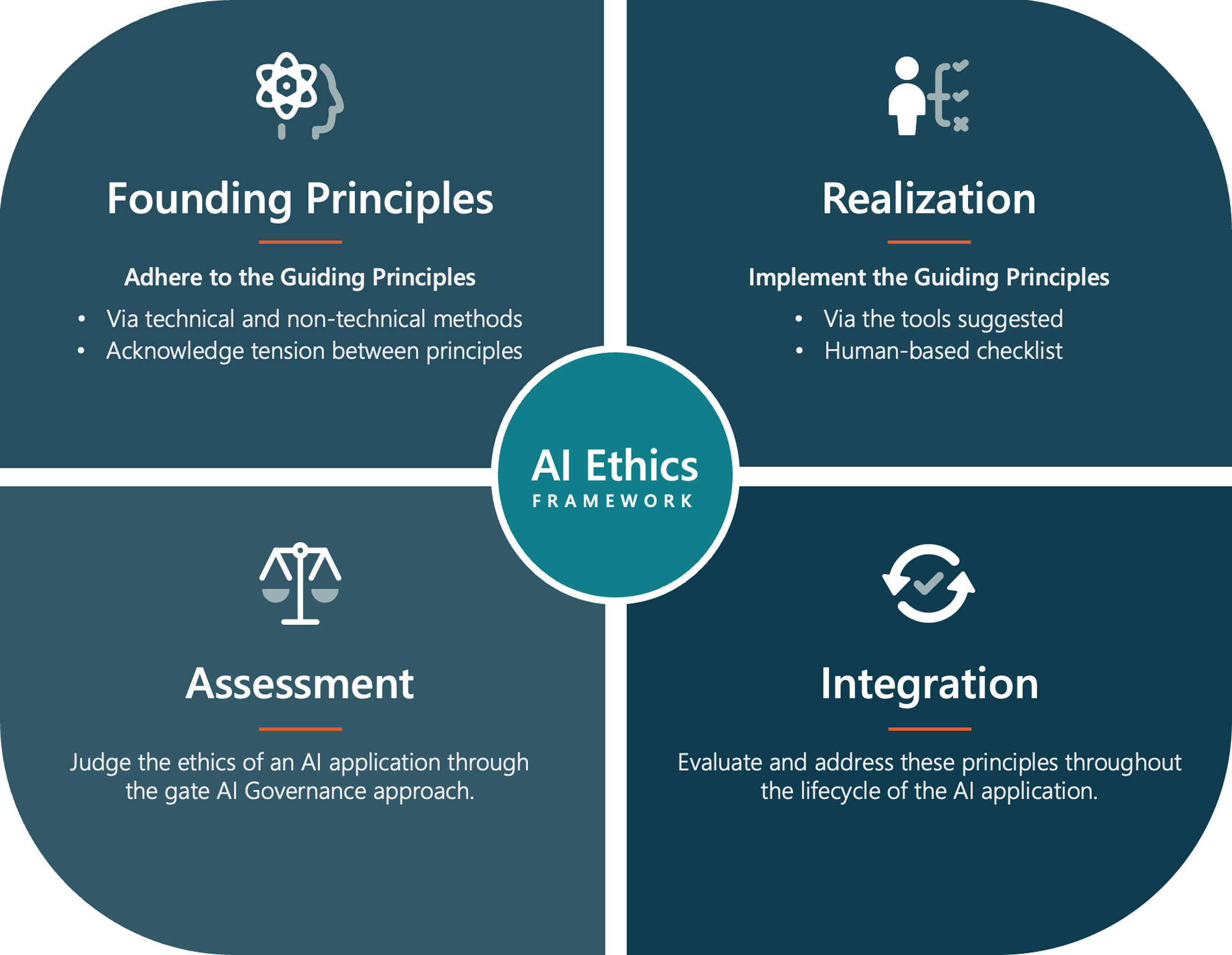
Translating high-level ethical principles into daily engineering and management practices requires structured operational procedures. Organizations must embed ethical considerations into the entire software development lifecycle, moving past superficial compliance checklists toward active risk assessment and mitigation.
- Define Stakeholder Impact: Conduct thorough impact assessments before project initiation to identify potential harms, vulnerable populations, and legal liabilities.
- Audit Training Pipelines: Continuously scrutinize data provenance, collection methodologies, labeling integrity, and demographic representation.
- Establish Red Teaming: Deploy specialized internal or independent teams to probe models for security vulnerabilities, edge-case failures, and biased outputs.
- Implement Human-in-the-Loop Oversight: Ensure critical decisions—particularly in healthcare, law enforcement, and finance—retain a meaningful human review layer capable of overriding automated recommendations.
- Maintain Audit Trails: Document architectural decisions, dataset versions, model weights, and performance metrics to facilitate accountability and regulatory compliance.
Frequently Asked Questions
What is the difference between AI ethics and AI safety?
AI ethics focuses on moral values, fairness, transparency, and the societal impact of automated systems. AI safety primarily concerns technical robustness, alignment, and preventing catastrophic physical or digital harm resulting from system malfunction or loss of control. While distinct, both disciplines overlap significantly in practice.
Can artificial intelligence ever be truly unbiased?
No AI system can be completely unbiased, because data and algorithms are products of human design and historical contexts. The objective of AI ethics is not to achieve absolute perfection, but to identify, measure, and minimize harmful biases to ensure equitable and fair treatment.
Who is legally responsible when an AI system makes a mistake?
Liability depends on jurisdiction and context. Responsibility can be distributed among the software developers, the corporation deploying the system, or the human operator supervising it. As regulatory standards evolve, courts are increasingly examining negligence and strict liability frameworks for autonomous technologies.
Why is transparency difficult to achieve in deep learning?
Deep learning models rely on complex, multi-layered neural networks that identify non-linear statistical relationships across vast feature spaces. The sheer scale and complexity of these mathematical operations make it difficult to isolate a simple, human-readable cause-and-effect rationale for any single prediction.
How do international regulations affect local AI development?
Global regulations, such as the European Union Artificial Intelligence Act, often apply extraterritorially to any company serving users within that jurisdiction. Consequently, organizations worldwide must adopt rigorous compliance standards to operate internationally, standardizing ethical practices across global markets.
Prioritizing Actionable Governance in Your Organization
To ensure responsible deployment, organizations must move beyond theoretical discussions and integrate structured governance frameworks into their operational workflow. Begin by appointing cross-functional ethics committees comprising engineers, legal experts, ethicists, and affected community representatives. Establish clear grievance mechanisms for individuals impacted by automated decisions, and commit to transparent reporting on algorithmic audits. By prioritizing human dignity, transparency, and accountability at every stage of development, technological leaders can harness the power of artificial intelligence while safeguarding the public interest.