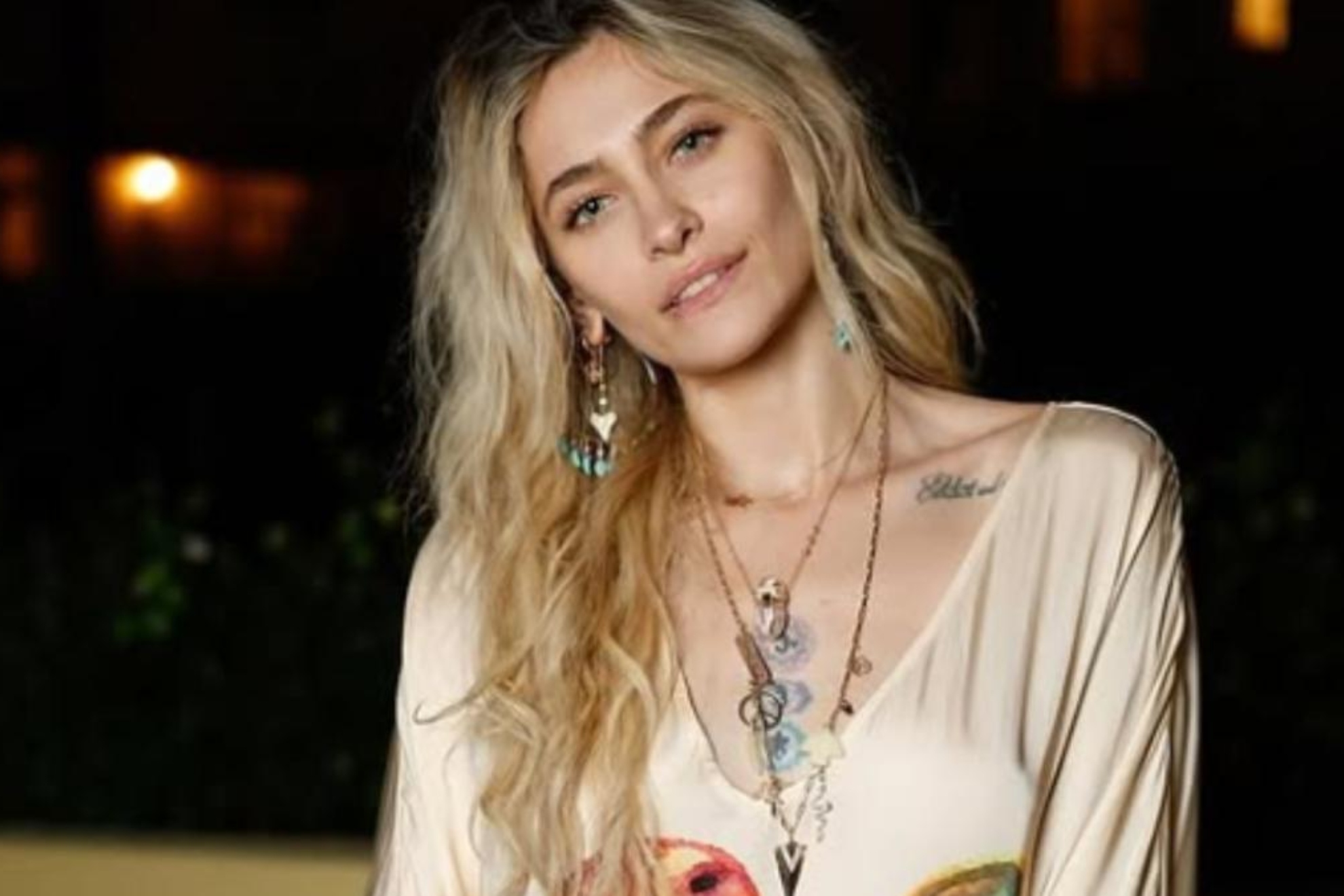
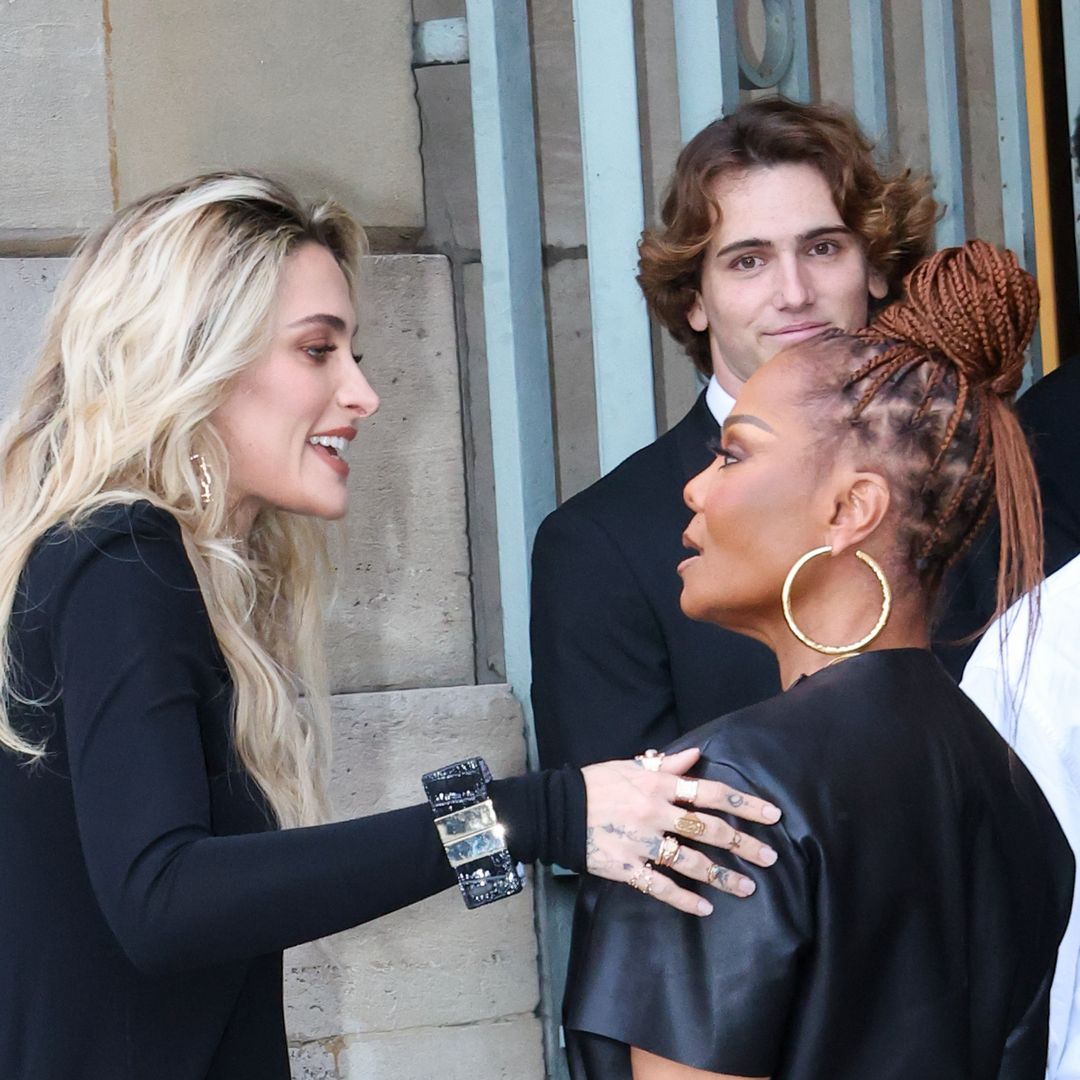
Paris Jackson’s entry into the American Horror Story (AHS) universe generated immense digital interest, merging her evolving acting career with her high-profile public persona. Her involvement sparked widespread media attention, with stills, behind-the-scenes photographs, and specific character moments rapidly circulating across social media platforms. This phenomenon highlights how modern television casting choices intersect with viral celebrity culture, shaping audience engagement, digital discourse, and entertainment journalism.
The Intersection of Franchise Prestige and Celebrity Culture
The American Horror Story franchise, created by Ryan Murphy and Brad Falchuk, has a long-standing tradition of casting high-profile public figures, musicians, and models alongside seasoned ensemble actors. When Paris Jackson joined the cast of the spin-off anthology series American Horror Stories, the announcement immediately bridged two distinct pop-culture worlds: the prestige horror television landscape and the intense digital scrutiny surrounding celebrity offspring.
This casting choice was not merely a creative decision for a single anthology episode; it was a strategic convergence point for marketing. Television networks frequently leverage recognizable cultural figures to capture demographic segments that might not otherwise tune into traditional cable or streaming horror anthologies. Consequently, the initial casting announcements functioned as catalysts for digital engagement, setting off a chain reaction across entertainment news outlets, fan forums, and microblogging platforms.
Understanding this dynamic requires examining how television casting has evolved in the streaming era. Producers no longer rely solely on traditional casting networks and conventional auditions. Instead, they weigh a performer's existing digital footprint and organic search volume. Paris Jackson brought an established global audience of millions, transforming every promotional image into high-value digital currency.
Unpacking the Visual Impact of AHS Paris Jackson Latest News Photos
Visual assets play a decisive role in shaping the modern reception of television projects. Long before an episode airs, production stills, paparazzi photographs from on-location shoots, and promotional headshots dictate the narrative arc of public expectation. In the case of Paris Jackson's tenure in the AHS ecosystem, the release of specific set photographs acted as primary drivers for online speculation.
When new photographs emerge from a high-profile television set, they undergo immediate dissection by fan communities and media analysts. Costume design, makeup styling, and set placement are scrutinized for hidden plot details, character alignments, and thematic hints. For Jackson's roles, the visual contrast between her established bohemian public image and the dark, stylized aesthetic of American Horror Stories provided stark imagery that translated exceptionally well to visual-first social platforms like Instagram, TikTok, and Pinterest.
| Media Asset Type | Primary Distribution Channel | Audience Engagement Metric | Narrative Function |
|---|---|---|---|
| Official Promotional Stills | Network Press Releases & Entertainment Sites | High syndication and article embedding | Establishes official character look and tone |
| On-Set Paparazzi Photos | Tabloids and Social Media Feeds | Rapid initial sharing and speculation threads | Generates early anticipation before official trailers |
| Behind-the-Scenes Selfies | Cast Social Media Profiles | High comment volume and cross-platform reposts | Humanizes production and builds personal connection |
| Video Snippets & Teasers | TikTok and X (formerly Twitter) | Exponential viral loops and remix culture | Captures micro-moments of performance style |
This structured distribution of visual media creates a multi-layered marketing funnel. Official stills provide high-resolution legitimacy, while candid on-set captures feed the speculative appetites of digital fandoms. Together, they construct a continuous news cycle that keeps the production relevant in public consciousness months before and after the actual broadcast date.
Mechanics of Viral Moments in Contemporary Television Marketing
The term "viral moment" is frequently overused, but in the context of serialized anthology television, it refers to specific, highly shareable occurrences that capture the collective attention of internet users. These moments can stem from a striking visual frame, an unexpected line delivery, a surprising plot twist, or off-screen promotional interactions.
For Paris Jackson, viral traction within the AHS sphere relied heavily on the micro-formatting of content. Short video clips extracted from episodes or promotional interviews are routinely reformatted into vertical video formats, making them ripe for algorithmic recommendation engines. This distribution model alters how viewers consume television. Rather than experiencing a narrative strictly in chronological sequence, audiences frequently encounter decentralized fragments of a performance on their social feeds, which subsequently prompts them to seek out the full source material.
Furthermore, the participatory nature of digital platforms means that a viral moment rarely remains a passive viewing experience. Fans engage in reaction videos, digital cosplay, fan art creation, and meme generation. This participatory loop transforms individual viewers into active distributors of the production's marketing collateral. The ability of a performer like Jackson to organically inspire this level of user-generated content demonstrates a shift in how television value is measured, moving beyond traditional overnight Nielsen ratings to encompass digital footprint expansion and engagement velocity.
Evolution of Critical Reception and Public Perception
Entering an established, critically polarized franchise like American Horror Story presents unique challenges for any performer, particularly those transitioning from modeling and music into scripted acting. Early critical reception to celebrity casting in horror anthologies often oscillates between skepticism regarding stunt casting and genuine curiosity about unexpected performances.
As episodes featuring Jackson aired, critical discourse evolved from initial novelty-driven commentary to more focused evaluations of her on-screen presence, emotional range, and genre suitability. Reviewers analyzed how well she integrated into the specific stylistic excesses characteristic of Ryan Murphy's productions. This transition from tabloid subject to evaluated actor marks a critical juncture in career trajectory management.
| Evaluation Phase | Primary Focus of Media Coverage | Dominant Public Sentiment | Outcome for Performer |
|---|---|---|---|
| Casting Announcement | Background, lineage, and genre fit | Cautious curiosity and high search volume | Initial baseline awareness established |
| Set Photography Leak | Wardrobe, physical transformation, and settings | Speculative excitement and aesthetic praise | Sustained interest during production lag |
| Episode Premiere | Performance quality, screen time, and narrative role | Mixed to positive critical reviews and fan engagement | Validation or challenge of acting credibility |
| Post-Broadcast Legacy | Clip circulation, meme integration, and future roles | Cultural persistence via digital archiving | Integration into the broader genre fandom |
This systematic progression illustrates that sustained public interest depends on more than a single viral flashpoint. It requires a structured alignment between the performer's output, the project's quality, and the audience's willingness to embrace the casting choice within the broader mythology of the franchise.
Navigating Digital Scrutiny and Media Cycles
The intersection of high-profile lineage, major television projects, and modern social media algorithms creates a complex environment for public figures. Every piece of news, every photographic release, and every viral moment is subjected to immediate amplification and hyper-analysis. For followers of the entertainment industry, understanding this ecosystem requires looking past the surface-level sensationalism to recognize the underlying mechanics of modern celebrity branding and television publicity.
The continuous cycle of news and image generation serves multiple masters: networks seeking viewership, platforms striving for user retention, and public figures managing their professional portfolios. By examining how specific instances—such as Paris Jackson's involvement in the AHS universe—ripple across digital spaces, observers gain insight into the broader operational realities of 21st-century entertainment media.
Frequently Asked Questions
What role did Paris Jackson play in the American Horror Story universe?
Paris Jackson appeared in the anthology spin-off American Horror Stories, specifically starring in episodes of the series where she portrayed characters embedded within the franchise's signature dark, suspenseful, and supernatural narratives. Her casting was highlighted across multiple episodes to draw both franchise loyalists and new viewers.
Why did production photos of Paris Jackson generate so much online attention?
On-location set photographs and promotional stills provide early visual cues about character styling, costume design, and thematic tone. Because the AHS franchise relies heavily on distinct visual aesthetics, these images acted as primary catalysts for fan speculation and digital media coverage before episodes officially aired.
How do viral moments impact modern television ratings and viewership?
Viral moments captured in short video clips or striking images drive algorithmic engagement on social platforms. This decentralized distribution exposes the content to demographics outside traditional cable or streaming subscribers, frequently converting digital curiosity into actual platform viewership and sustained online discourse.
Is Paris Jackson a permanent cast member of the main American Horror Story series?
Paris Jackson's involvement has primarily been centered on the American Horror Stories episodic anthology format rather than serving as a permanent, series-regular lead across the flagship parent show's continuous multi-episode seasonal arcs, though anthology structures allow for potential future returns.
Where can official news and verified photographs from television productions be found?
Official news, press releases, and authorized promotional stills are typically published directly through network press portals, verified trade publications such as The Hollywood Reporter or Variety, and the official social media channels of the production studios.
What distinguishes stunt casting from traditional casting in anthology series?
Stunt casting involves hiring recognizable public figures, musicians, or internet personalities primarily to draw immediate attention and demographic interest. In contrast, traditional casting focuses exclusively on theatrical training and established dramatic resume credits, though anthology formats frequently blend both approaches.
Strategic Next Steps for Following Entertainment Media Trends
For industry analysts, entertainment researchers, and media students tracking the evolution of television marketing and celebrity branding, observing these campaigns offers valuable lessons. To deepen your understanding of how modern entertainment ecosystems operate, examine cross-platform analytics reports from major trade publications, analyze the shift from traditional press releases to algorithmic-first visual drops, and monitor how fan communities organically construct narrative anticipation around high-profile casting decisions.