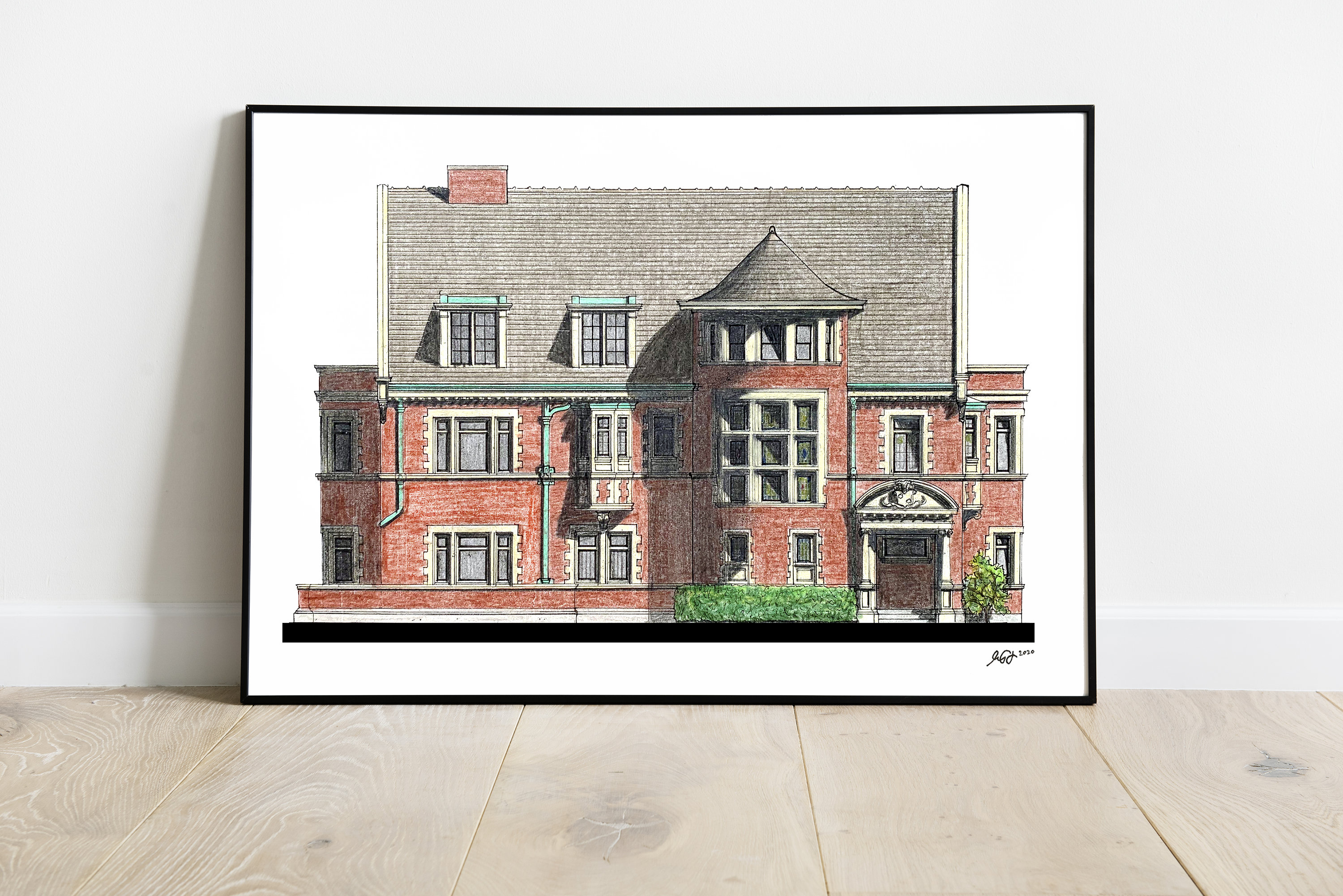
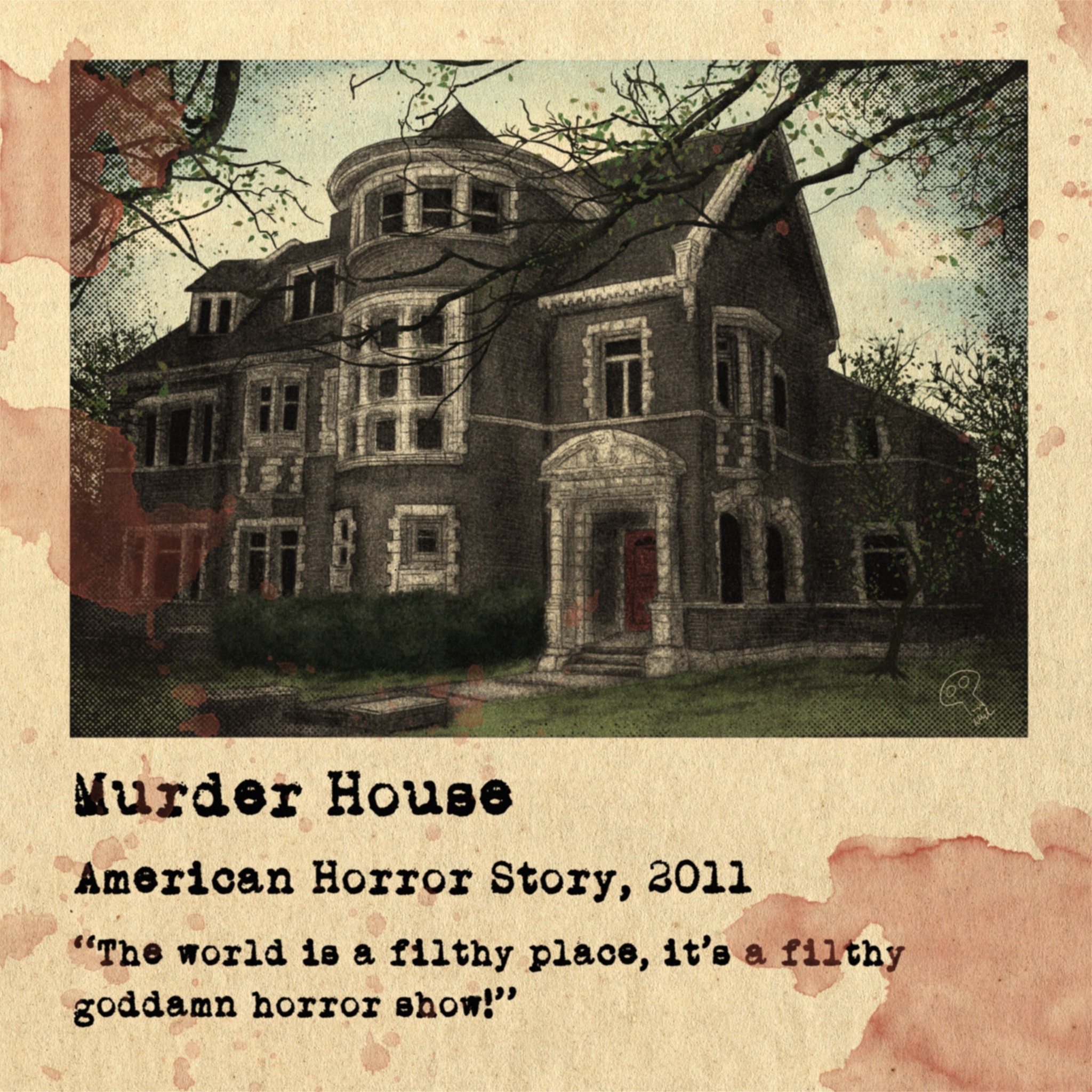
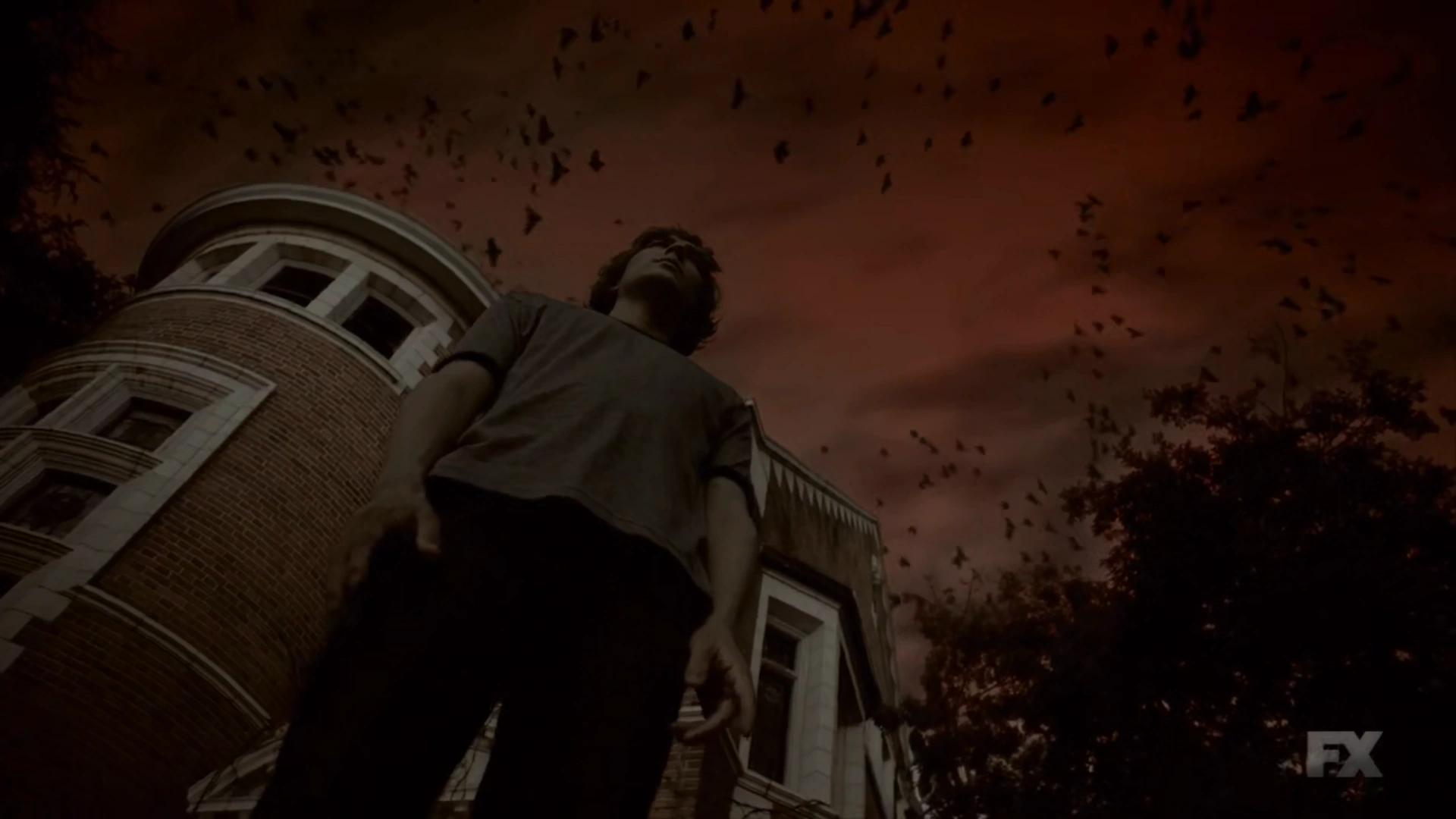
The American Horror Story Murder House is a fictionalized moniker for the Alfred Rosenheim Mansion located in Los Angeles, California. Serving as the primary setting for the first season of Ryan Murphy’s anthology series, the historic Gothic-Craftsman residence became an iconic piece of modern television horror, celebrated for its distinct architectural styling and dark fictional legacy.
Architectural Heritage and Historical Origins of the Rosenheim Mansion
The structure that viewers know worldwide as the Murder House was designed by architect Alfred Rosenheim and constructed in 1908. Located in the Country Club Park district of Los Angeles, the three-story brick mansion was originally built as a private residence for Rosenheim, who served as the president of the Los Angeles Architectural Club. The architectural style blends Gothic, Tudor, and Craftsman influences, creating an imposing visual aesthetic characterized by dark wood paneling, Tiffany glass windows, intricate brickwork, and a sprawling floor plan that naturally evokes a sense of gothic romance and isolation.
Throughout the decades preceding its television fame, the mansion changed ownership multiple times and underwent several transformations. It operated as a convent for the Sisters of Social Service for many years, during which a chapel was added to the property. This religious history added an authentic layer of solemn gravity to the building's atmosphere. By the late 20th and early 21st centuries, the house had been meticulously restored to highlight its original turn-of-the-century craftsmanship, making it a coveted location for architectural preservationists and film production crews alike.
Production Role in American Horror Story: Murder House
In 2011, the mansion was selected as the central filming location for the pilot episode and subsequent episodes of the first season of American Horror Story, retroactively titled Murder House. In the narrative framework of the series, the house acts as a supernatural anchor where every person who dies on the premises remains trapped as a ghost, bound to walk the halls for eternity. This premise allowed the showrunners to weave historical tragedies, psychological trauma, and supernatural horror into a tight narrative container.
While exterior shots and extensive interior sequences utilized the actual Rosenheim Mansion during the production of the pilot, subsequent episodes recreated much of the interior layout on a detailed soundstage to accommodate complex camera angles, lighting rigs, and special effects. The juxtaposition of the real-world mansion's opulent, handcrafted wooden interiors with the terrifying supernatural occurrences depicted on screen cemented the location as a character in its own right, influencing the tone and visual language of the entire franchise.
Real-World Controversy and Public Fascination
The intersection of fiction and reality has frequently generated friction between the property's owners, local residents, and the fervent fan base of American Horror Story. Because of the show's massive global popularity, the mansion quickly became a destination for dark tourism, drawing crowds of curious onlookers, fans, and paranormal investigators to the quiet Los Angeles neighborhood. This influx of visitors led to privacy concerns, trespassing incidents, and local zoning disputes, prompting owners over the years to take legal action against unauthorized trespassers and commercial filming requests.
| Feature / Detail | Real-World Rosenheim Mansion | Fictional AHS Murder House |
|---|---|---|
| Primary Location | Country Club Park, Los Angeles, CA | Los Angeles, California (In-universe) |
| Construction Year | 1908 | Built circa 1922 (Within show lore) |
| Architectural Style | Gothic, Tudor, and Craftsman | Gothic Revival and Craftsman |
| Historical Use | Private residence and former convent | Fictional site of multiple murders and paranormal activity |
| Primary Function | Private property and occasional filming site | Central narrative purgatory for trapped spirits |
Beyond unauthorized visitors, the property has also been the subject of high-profile legal battles between buyers and former owners regarding alleged paranormal phenomena and structural disclosures. These real-world controversies have only served to amplify the mystique surrounding the location, blurring the lines between the scripted horrors broadcast on television and the genuine urban legends that have accumulated around the physical building.
Cultural Legacy Within the Horror Genre
The Murder House occupies a unique space in contemporary pop culture, helping to revitalize the haunted house subgenre for a new generation of television viewers. By subverting traditional haunted house tropes—such as having the ghosts interact dynamically with the living occupants, fall in love, and participate in domestic routines—the series redefined how supernatural spaces are portrayed in serialized drama. The aesthetic markers of the house, from its grand staircase to its eerie basement, became instantly recognizable motifs in modern horror fandom.
The location also set a precedent for the anthology format of American Horror Story, proving that a single setting could anchor a deeply complex narrative before the series transitioned into entirely new themes and locations in subsequent seasons. Characters introduced within these walls, such as Tate Langdon and Constance Langdon, remain among the most discussed figures in the show's extensive history, ensuring that the physical architecture of the Rosenheim Mansion remains permanently linked to the legacy of prestige horror television.
How Fans and Visitors Engage With the Property Today
For those interested in exploring the legacy of the American Horror Story Murder House, direct physical access is strictly prohibited as the property is a privately owned residence. Fans visiting the neighborhood are advised to respect the privacy and property rights of the residents by viewing the exterior from public sidewalks only. Law enforcement and neighborhood watch programs actively monitor the vicinity for trespassing, and unauthorized attempts to enter the gates can result in immediate legal penalties.
Alternatively, enthusiasts can experience the property through virtual tours, architectural documentaries, and, most importantly, by streaming the first season of American Horror Story. For researchers and architecture enthusiasts, historical registries and Los Angeles conservancy archives offer detailed blueprints, photographs, and historical summaries of Alfred Rosenheim’s original design work, providing a comprehensive look at the mansion beyond its macabre television reputation.