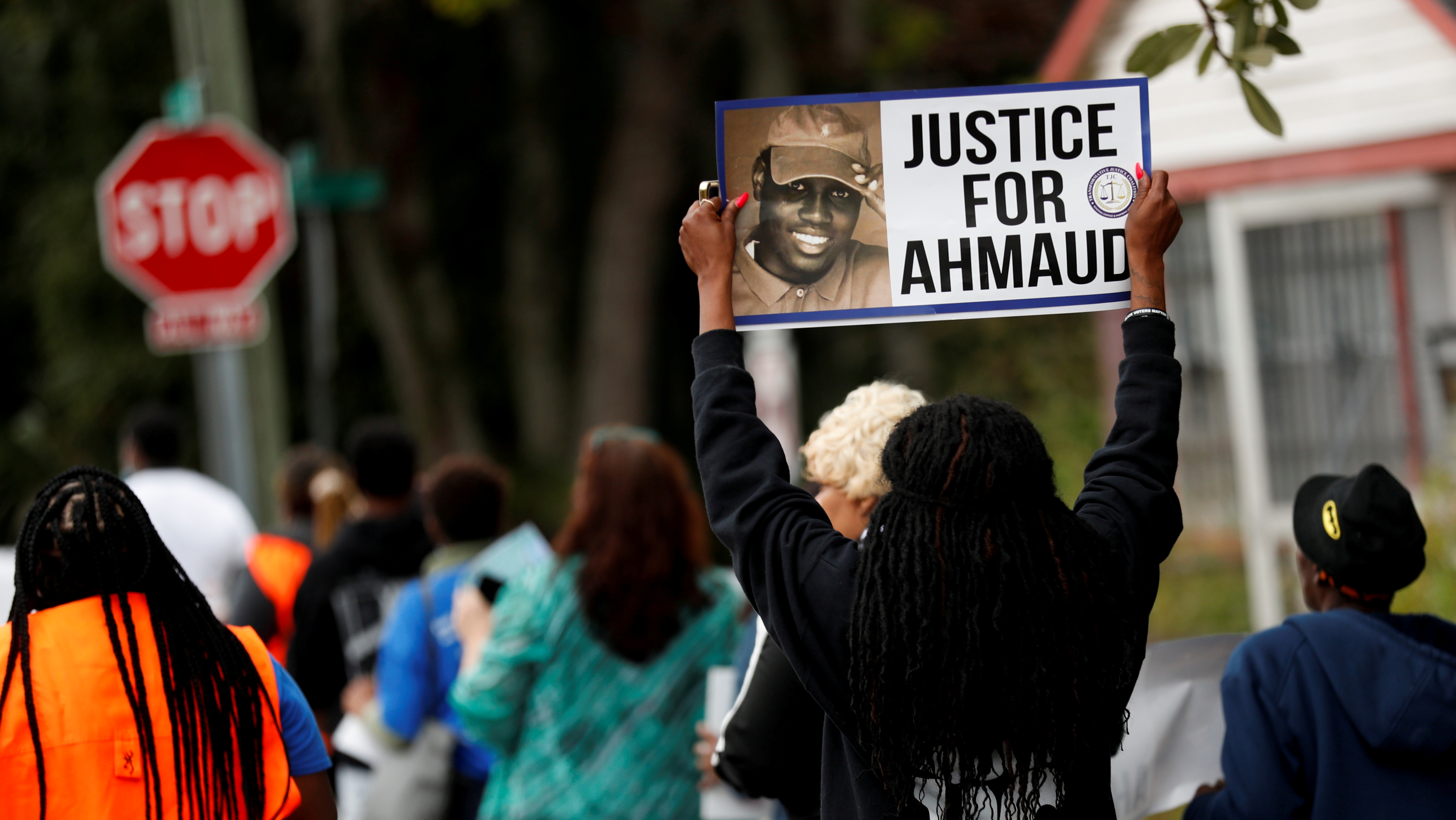
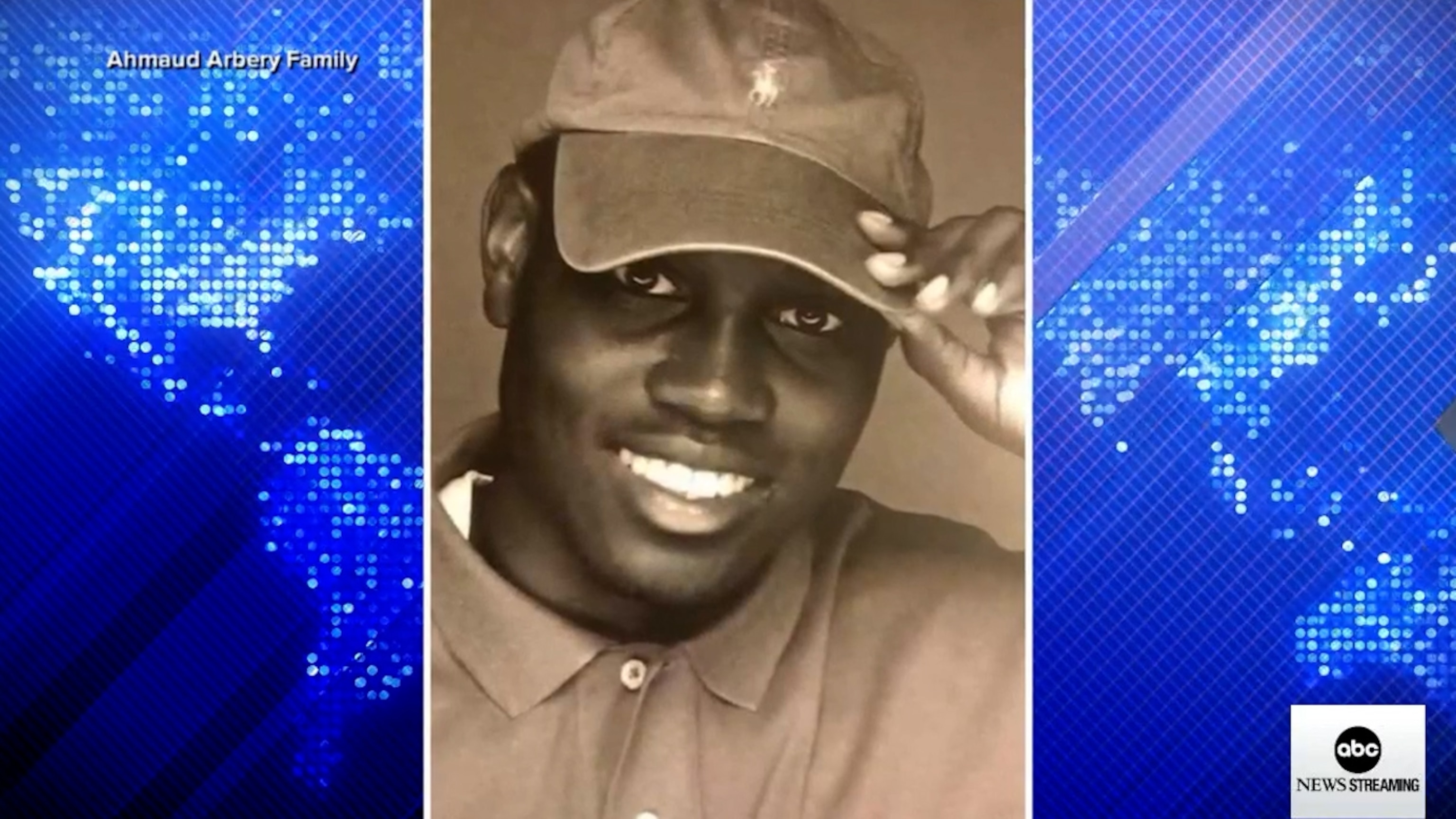
The killing of Ahmaud Arbery on February 23, 2020, in Satilla Shores, Georgia, catalyzed a nationwide reckoning with racial bias, modern vigilantism, and the legal limits of citizen's arrest statutes. Arbery, an unarmed 25-year-old Black man, was pursued and fatally shot while jogging through a residential neighborhood by three white residents. The case exposed systemic delays in local prosecutorial accountability and resulted in landmark state and federal convictions that reshaped hate crime legislation and self-defense jurisprudence across the United States.
The Events of February 23, 2020: Chronology and Context
On the afternoon of February 23, 2020, Ahmaud Arbery went for a run through the Satilla Shores neighborhood near Brunswick, Georgia. During his run, Arbery entered an under-construction home that belonged to a neighbor, where security cameras had previously captured him and other individuals looking around the open-structure property without taking anything.
Upon noticing Arbery on the property, a neighbor called the non-emergency police line to report a trespasser. Shortly thereafter, Gregory McMichael, a 64-year-old retired investigator for the local district attorney's office, and his 34-year-old son, Travis McMichael, armed themselves and pursued Arbery in a pickup truck. A neighbor, William "Roddie" Bryan, joined the pursuit in his own vehicle, recording cell phone footage of the chase and assisting in cutting off Arbery's route.
During the pursuit, the McMichaels used their truck to attempt to block Arbery's path multiple times. Eventually, Travis McMichael exited the vehicle holding a 12-gauge shotgun. Arbery attempted to run around the truck, leading to a physical confrontation between Arbery and Travis McMichael over the firearm. During the struggle, Travis McMichael fired three point-blank shots, killing Arbery in the street.
The Initial Cover-Up and the Release of Video Evidence
In the immediate aftermath of the shooting, responding officers from the Glynn County Police Department accepted the account of the McMichaels, who claimed they were attempting to execute a citizen's arrest under the belief that Arbery was a burglar. No arrests were made at the scene, nor in the subsequent weeks. The local district attorney, Jackie Johnson, recused herself due to Gregory McMichael's prior employment in her office, and the case was initially passed to Waycross Judicial Circuit District Attorney George Barnhill.
Barnhill advised the police that the shooting was justified under Georgia’s citizen's arrest law and self-defense statutes, writing in an official memo that the McMichaels were legally authorized to pursue and detain Arbery. The case stalled for over two months until May 5, 2020, when William Bryan's cell phone video of the shooting was leaked online. The footage sparked national outrage, demonstrating that Arbery had been hunted down and cornered rather than engaged in an active crime.
Following public outcry and the intervention of the Georgia Bureau of Investigation (GBI), the case was reassigned to the Cobb County District Attorney’s office. Within 48 hours of taking over the investigation, the GBI arrested Gregory and Travis McMichael on charges of felony murder and aggravated assault. William Bryan was arrested weeks later on similar charges.
Legal Proceedings and State Convictions
The state trial against Gregory McMichael, Travis McMichael, and William Bryan began in October 2021 in Glynn County Superior Court, presided over by Judge Timothy Walmsley. The prosecution presented extensive physical, digital, and testimonial evidence, establishing that Arbery had committed no crimes, that the defendants had no legal justification to pursue him, and that racial animus motivated their actions.
A significant point of contention during jury selection was the exclusion of prospective Black jurors. Out of a pool of hundreds, only one Black juror was seated, despite the county's population being roughly 27 percent Black. Judge Walmsley noted that the defense exhibited "intentional discrimination" in striking Black jurors, though he allowed the trial to proceed under state legal thresholds at the time.
The defense argued that the defendants genuinely believed Arbery was responsible for property crimes in the neighborhood and that Travis McMichael acted in self-defense when Arbery fought back for control of the shotgun. However, cross-examination and witness testimony revealed a history of racial slurs and hostile attitudes toward Black residents by the defendants. On November 24, 2021, the jury returned guilty verdicts on multiple counts of murder, aggravated assault, false imprisonment, and criminal attempt to commit false imprisonment for all three defendants. In January 2022, Judge Walmsley sentenced Gregory and Travis McMichael to life imprisonment without the possibility of parole, plus additional decades for related felonies. William Bryan was sentenced to life with the possibility of parole.
| Defendant | State Convictions | Federal Convictions | Sentencing Outcome |
|---|---|---|---|
| Travis McMichael | Malice Murder, Felony Murder (4 counts), Aggravated Assault (2 counts), False Imprisonment, Criminal Attempt to Commit False Imprisonment | Interference with Rights (Hate Crime), Attempted Kidnapping, Firearms Offenses | Life without parole (State); Life plus 10 years (Federal) |
| Gregory McMichael | Felony Murder (4 counts), Aggravated Assault (2 counts), False Imprisonment, Criminal Attempt to Commit False Imprisonment | Interference with Rights (Hate Crime), Attempted Kidnapping, Firearms Offenses | Life without parole (State); Life plus 10 years (Federal) |
| William "Roddie" Bryan | Felony Murder (3 counts), Aggravated Assault, False Imprisonment, Criminal Attempt to Commit False Imprisonment | Interference with Rights (Hate Crime), Attempted Kidnapping, Firearms Offenses | Life with parole eligibility (State); 35 years (Federal) |
Federal Hate Crimes Trial and Civil Rights Implications
Aside from the state murder prosecutions, the United States Department of Justice indicted the three men on federal hate crime charges, alleging that they targeted Arbery because of his race and violated his federally protected right to use a public street. In early 2022, facing overwhelming evidence of racial hostility—including numerous text messages and social media posts containing racial slurs—Gregory and Travis McMichael attempted to enter plea agreements that would have placed them in federal custody rather than state prison.
U.S. District Judge Lisa Godbey Wood rejected the proposed plea deals after listening to passionate objections from Ahmaud Arbery’s family, who argued that the agreements undermined accountability. Following the rejection of the pleas, the federal trial proceeded. On February 22, 2022, a federal jury found all three defendants guilty of federal hate crimes, attempted kidnapping, and weapon-related charges. In August 2022, federal judges handed down additional prison sentences: life imprisonment plus 10 years for the McMichaels, and 35 years for William Bryan, to run concurrently with or consecutively to their state sentences.
Legislative and Systemic Aftermath
The killing of Ahmaud Arbery and the subsequent legal battles exposed profound vulnerabilities in Georgia's legal framework, particularly regarding citizen's arrest doctrines and prosecutorial oversight.
- Repeal of Citizen's Arrest Statute: Enacted in 1863 during the Civil War era, Georgia's original citizen's arrest law allowed private citizens to arrest anyone suspected of a crime if it was committed in their presence or within their immediate knowledge. In May 2021, the Georgia General Assembly overwhelmingly passed House Bill 479, effectively repealing the century-old law. The updated legislation strictly limits citizen detention powers to merchants, private security personnel, and specific law enforcement support roles.
- Prosecutorial Reform: The case highlighted the dangers of informal reciprocal relationships among local district attorneys and law enforcement officers. In response, Georgia lawmakers passed legislation strengthening recusal rules and establishing independent oversight mechanisms to investigate prosecutorial misconduct and conflicts of interest.
- Hate Crime Legislation: While Georgia was one of only four states without a hate crime statute at the time of Arbery's death, the public outcry directly accelerated the passage of House Bill 426 in June 2020. This law established enhanced penalties for crimes motivated by a victim's race, religion, sexual orientation, sex, national origin, or physical/mental disability.
Frequently Asked Questions
Why wasn't Ahmaud Arbery's killers arrested immediately?
Local police officers accepted the explanation provided by the McMichaels at the scene, who claimed they were attempting a citizen's arrest. Furthermore, local district attorneys initially shielded the suspects by advising law enforcement that the shooting was legally justified under self-defense and citizen's arrest doctrines, preventing arrests until national media coverage forced a state-level investigation.
What role did William "Roddie" Bryan play in the incident?
William Bryan lived in the same neighborhood and joined the pursuit after seeing the McMichaels chasing Arbery. He used his vehicle to block Arbery's escape routes and recorded the cell phone video that later proved instrumental in exposing the narrative presented by the killers. Despite not firing a weapon, Bryan was convicted of felony murder and hate crimes for participating in the armed pursuit.
How did the Ahmaud Arbery case change Georgia law?
The case directly prompted the Georgia legislature to repeal its 1863 citizen's arrest statute, which had been used by the defense to justify the pursuit. It also accelerated the enactment of comprehensive state hate crime legislation and reformed procedures regarding prosecutorial recusals to prevent conflicts of interest.
What federal charges were brought against the defendants?
In addition to state murder convictions, the U.S. Department of Justice prosecuted the defendants under federal civil rights laws. They were convicted of hate crimes for interfering with Arbery's right to use a public street because of his race, as well as attempted kidnapping and firearms violations.
What is the current status of the convicted men?
All three defendants—Travis McMichael, Gregory McMichael, and William Bryan—are currently serving lengthy prison sentences. The McMichaels are serving life sentences without the possibility of parole in state facilities, alongside federal sentences ranging from 35 years to life, ensuring they will remain incarcerated for the remainder of their lives.
Securing Accountability and Upholding Civil Protections
The resolution of the Ahmaud Arbery case demonstrates the critical importance of transparent investigations, independent prosecutorial oversight, and rigorous judicial review in civil rights violations. For legal professionals, policymakers, and civil rights advocates, the case serves as a foundational reference point for examining the boundaries of self-defense, reforming outdated statutory loopholes, and ensuring that equal protection under the law is aggressively enforced regardless of jurisdictional inertia or racial bias.