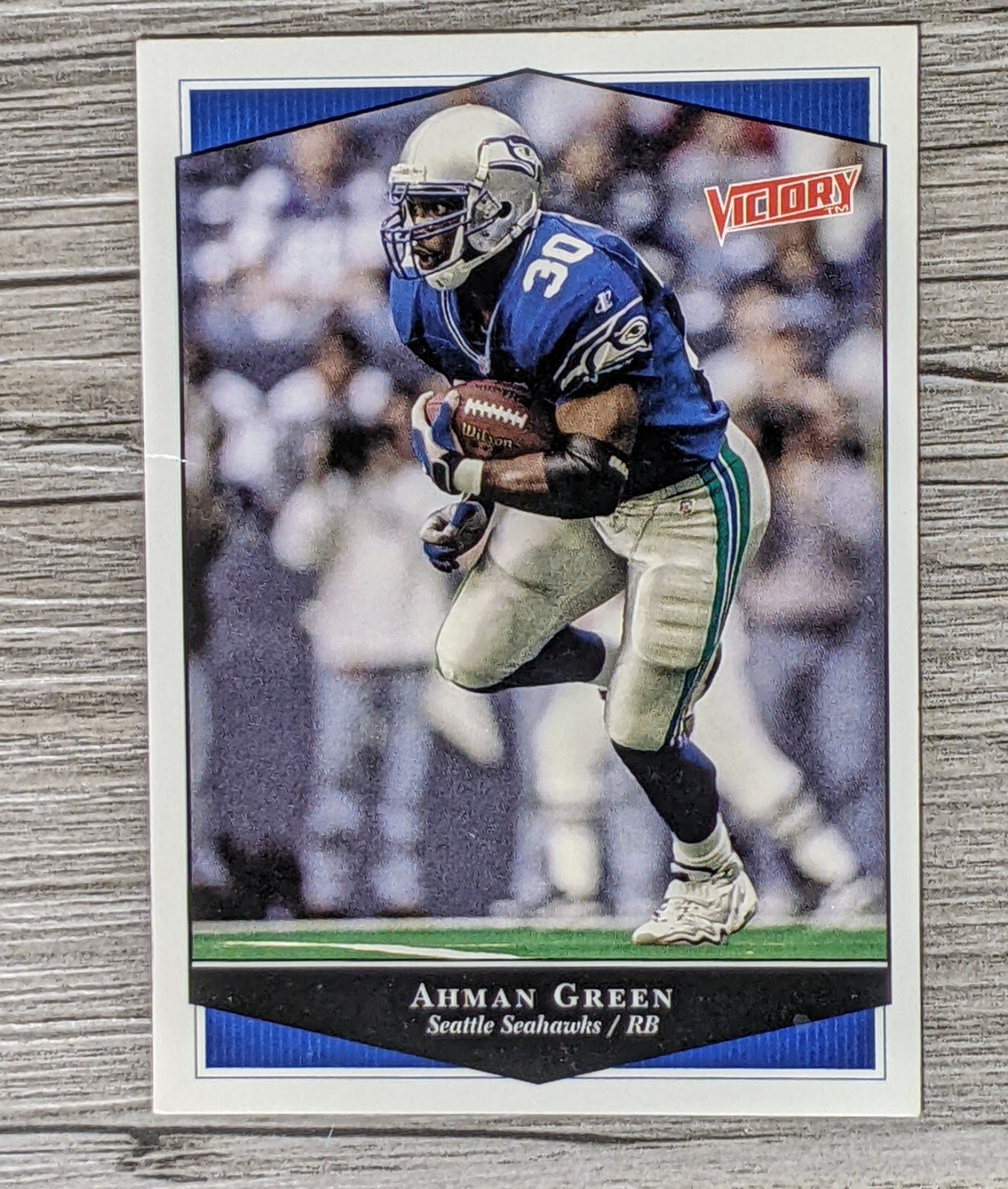
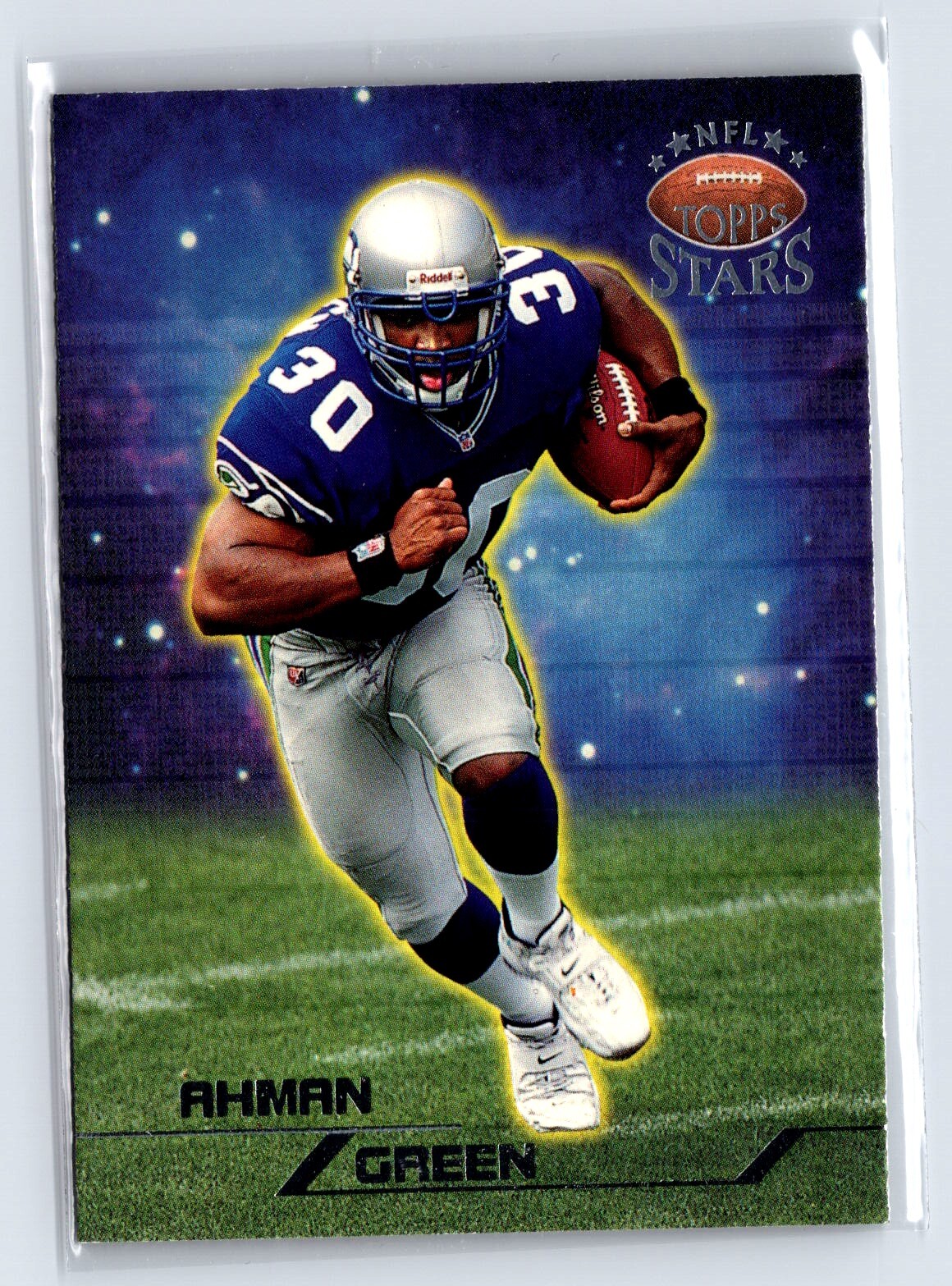
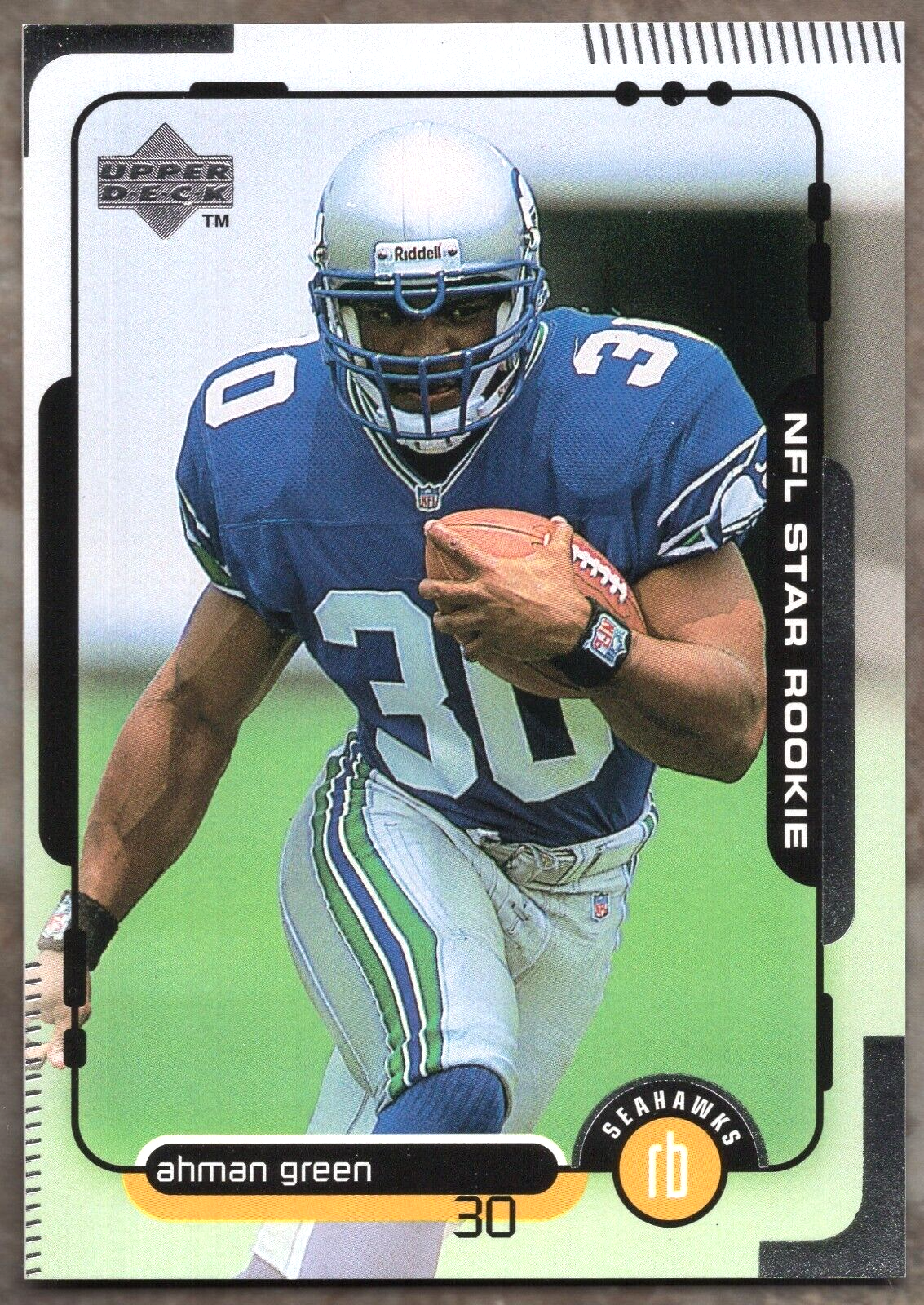
Ahman Green’s journey through professional football is widely celebrated for his explosive production with the Green Bay Packers, yet his foundational years with the Seattle Seahawks established the raw athletic profile that ultimately propelled him toward stardom. Drafted by Seattle in the third round of the 1998 NFL Draft out of the University of Nebraska, Green arrived in the Pacific Northwest as a high-upside prospect equipped with blazing speed and rare open-field acceleration.
The Collegiate Foundation and the 1998 NFL Draft
Before emerging as a prominent figure in the National Football League, Ahman Green carved his reputation in the college ranks as an integral component of the Nebraska Cornhuskers' powerhouse option offense. Operating behind a dominant offensive line under head coach Tom Osborne, Green showcased elite rushing capabilities that translated directly to professional scouting evaluations. His collegiate workload demanded durability, vision, and the capacity to exploit single arm-tackles in tight defensive fronts.
Recognizing this potential, the Seattle Seahawks selected Green with the 74th overall pick in the 1998 NFL Draft. At the time, the franchise was navigating a transitional phase under head coach Dennis Erickson and later moving into the architectural rebuild led by Jim Mora and subsequent front-office changes. Seattle required an infusion of explosive offensive talent to complement their passing game, and Green’s combination of size, power, and track-star speed made him an intriguing project for the team's offensive coaching staff.
Early Career Development and Adaptation in Seattle
Transitioning from a heavily run-centric, collegiate option scheme to a pro-style offensive playbook presented distinct developmental hurdles for any young running back. During his rookie season in 1998, Green primarily served as a situational backup and explosive change-of-pace option behind veteran runner Ricky Watters. Watters, a proven workhorse and multi-time Pro Bowler, provided Green with a direct professional model regarding pass protection, route running, and professional preparation.
During this formative period, Green's utilization centered on maximizing his open-field acceleration through outside zone runs and designated passing screens. While his snap counts were initially limited behind an entrenched starter, every limited opportunity highlighted his capacity to break tackles and gain substantial yards after contact. The structural demands of learning complex blocking schemes, however, required meticulous film study and extensive reps on the practice field.
Key Statistical Breakdown of Green's Seattle Tenure
Evaluating Ahman Green’s tenure with the Seattle Seahawks requires examining his incremental statistical progression from 1998 through the 1999 NFL season, which immediately preceded his high-profile trade to the Green Bay Packers. The following table outlines his performance metrics during his time in Seattle.
| Season | Team | Games Played | Rushing Attempts | Rushing Yards | Yards Per Carry | Rushing Touchdowns | Receptions | Receiving Yards |
|---|---|---|---|---|---|---|---|---|
| 1998 | Seattle Seahawks | 16 | 61 | 231 | 3.8 | 2 | 14 | 145 |
| 1999 | Seattle Seahawks | 16 | 119 | 487 | 4.1 | 2 | 29 | 240 |
The statistical growth between his rookie campaign and his second professional season demonstrates a clear upward trajectory in volume and efficiency. By increasing his yards per carry and nearly doubling his total touches, Green proved capable of assuming a larger share of the offensive burden within Seattle's game plans.
The Catalyst for Transition: The Packers Trade
Despite showing flashes of brilliance and steady improvement throughout his first two seasons in Seattle, Green’s career trajectory shifted dramatically during the 2000 offseason. The Seahawks, under newly appointed head coach and general manager Mike Holmgren, orchestrated a trade that sent Green and a sixth-round draft pick to the Green Bay Packers in exchange for cornerback Fred Vinson and a fifth-round selection.
For Holmgren, who had previously coached Green Bay's potent offense before arriving in Seattle, the move offered an opportunity to acquire a familiar athletic profile while addressing secondary depth. For Green, the trade represented an unexpected career catalyst. In Green Bay, working within a West Coast offensive system that maximized his receiving abilities and utilized his elite burst through the A and B gaps, Green transformed from a promising rotational back into a four-time Pro Bowl performer and franchise rushing record holder.
Legacy and Impact on the Seattle Franchise
Although Ahman Green achieved his most celebrated individual milestones and Pro Bowl selections wearing Green Bay colors, his formative years in Seattle established the baseline toughness and professional discipline required for sustained success at the highest level of professional football. Operating behind and learning from established veterans like Ricky Watters provided Green with the operational understanding needed to handle a heavy starter's workload.
For the Seattle Seahawks, the early developmental years of Green represent a classic case of identifying elite athletic traits before structural roster circumstances necessitated a move. The trade remains a notable footnote in franchise history, illustrating how coaching philosophies, scheme fits, and strategic timing can alter a player's professional destination. Green's subsequent success validates the initial scouting evaluation executed by Seattle's front office in 1998, confirming that the raw tools for stardom were present from the moment he stepped onto the field in the Pacific Northwest.