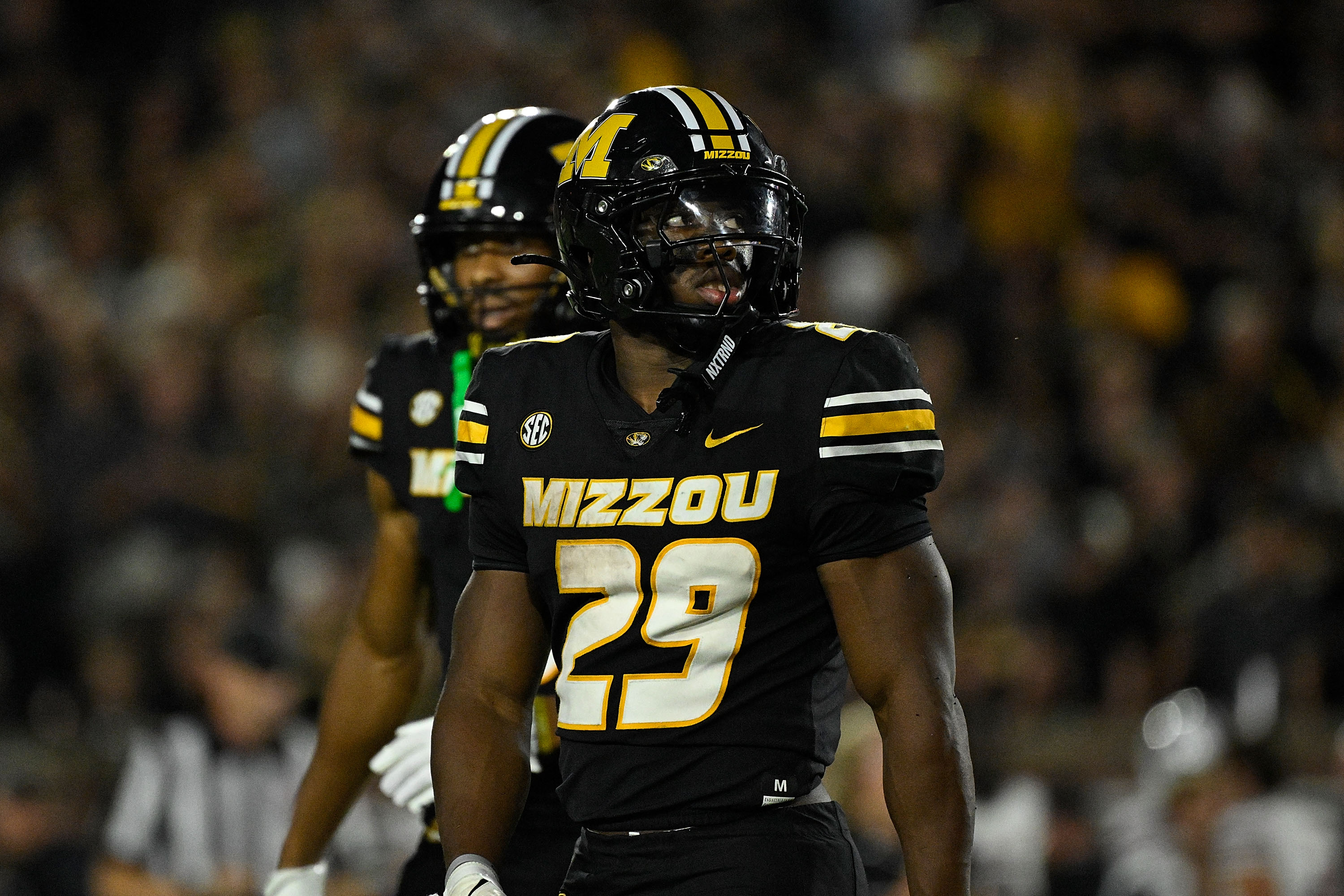
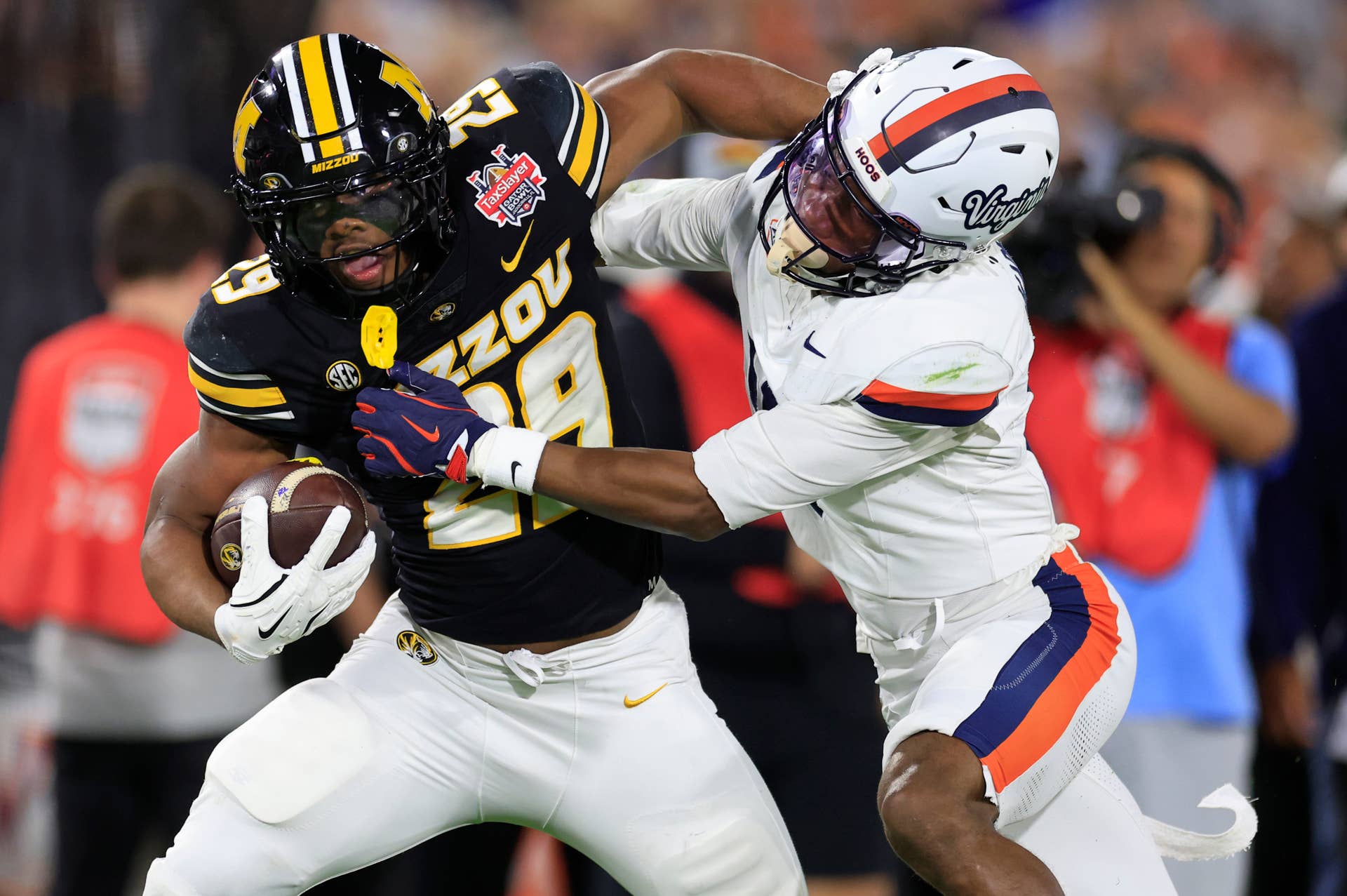
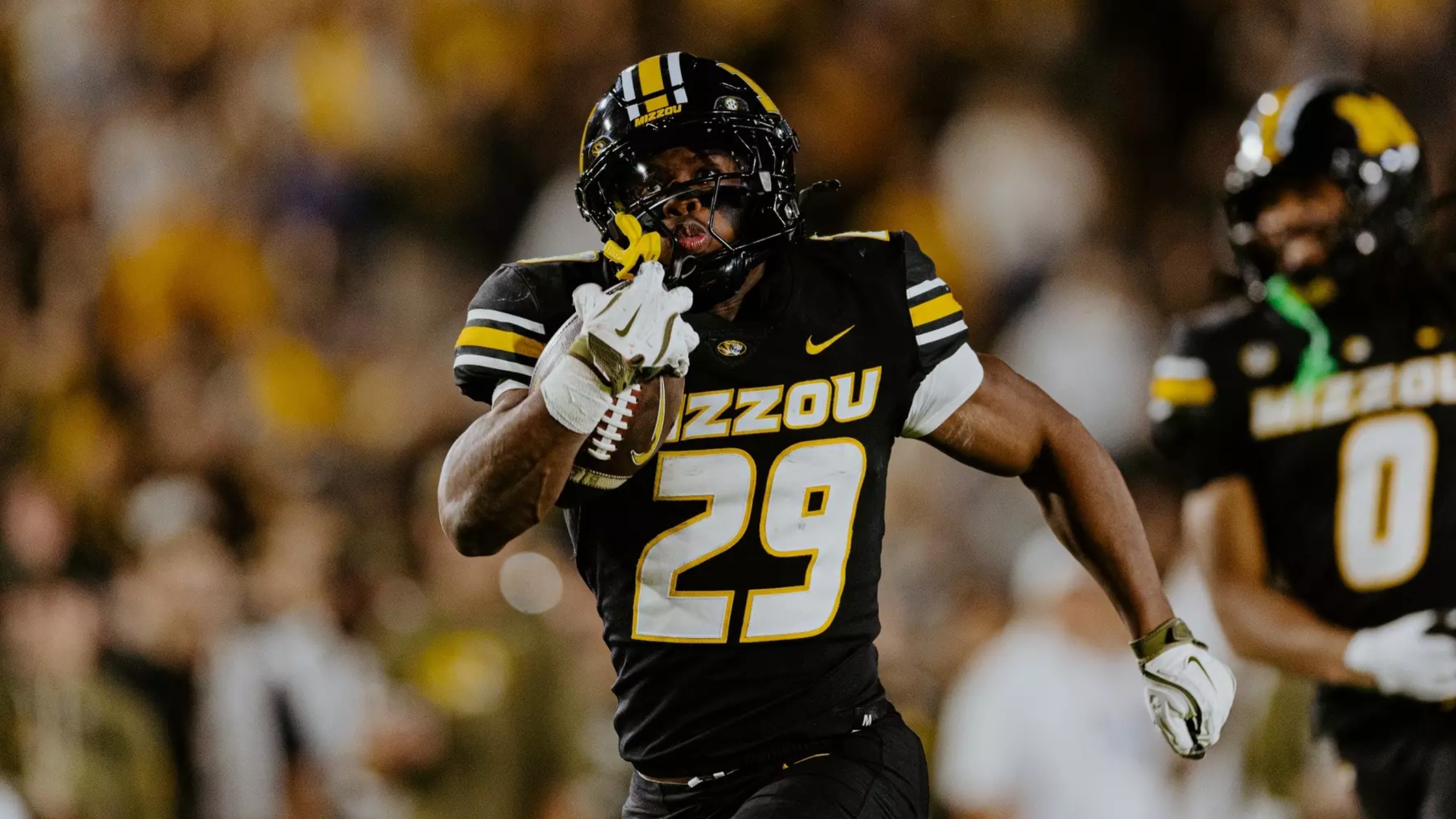
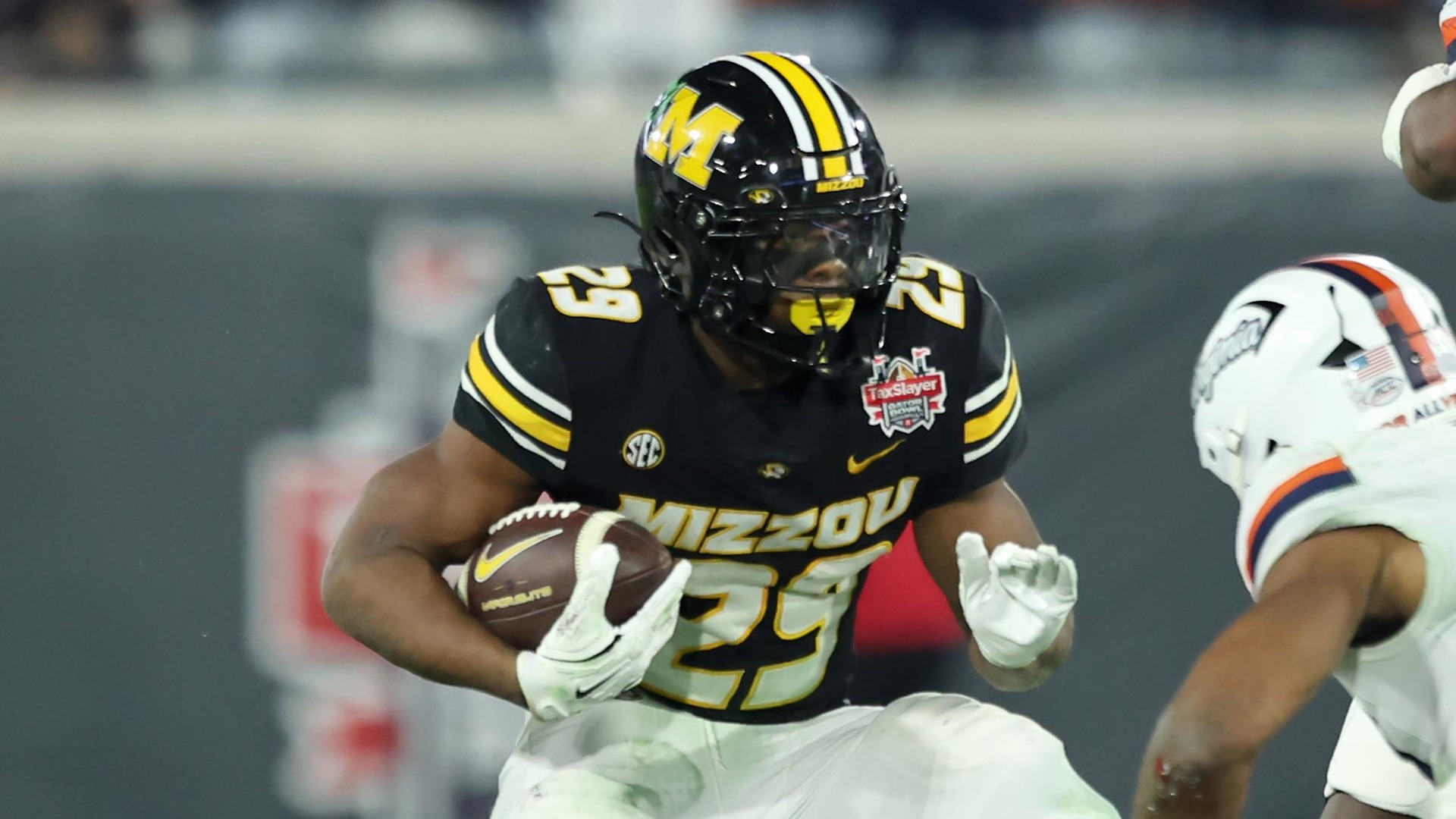
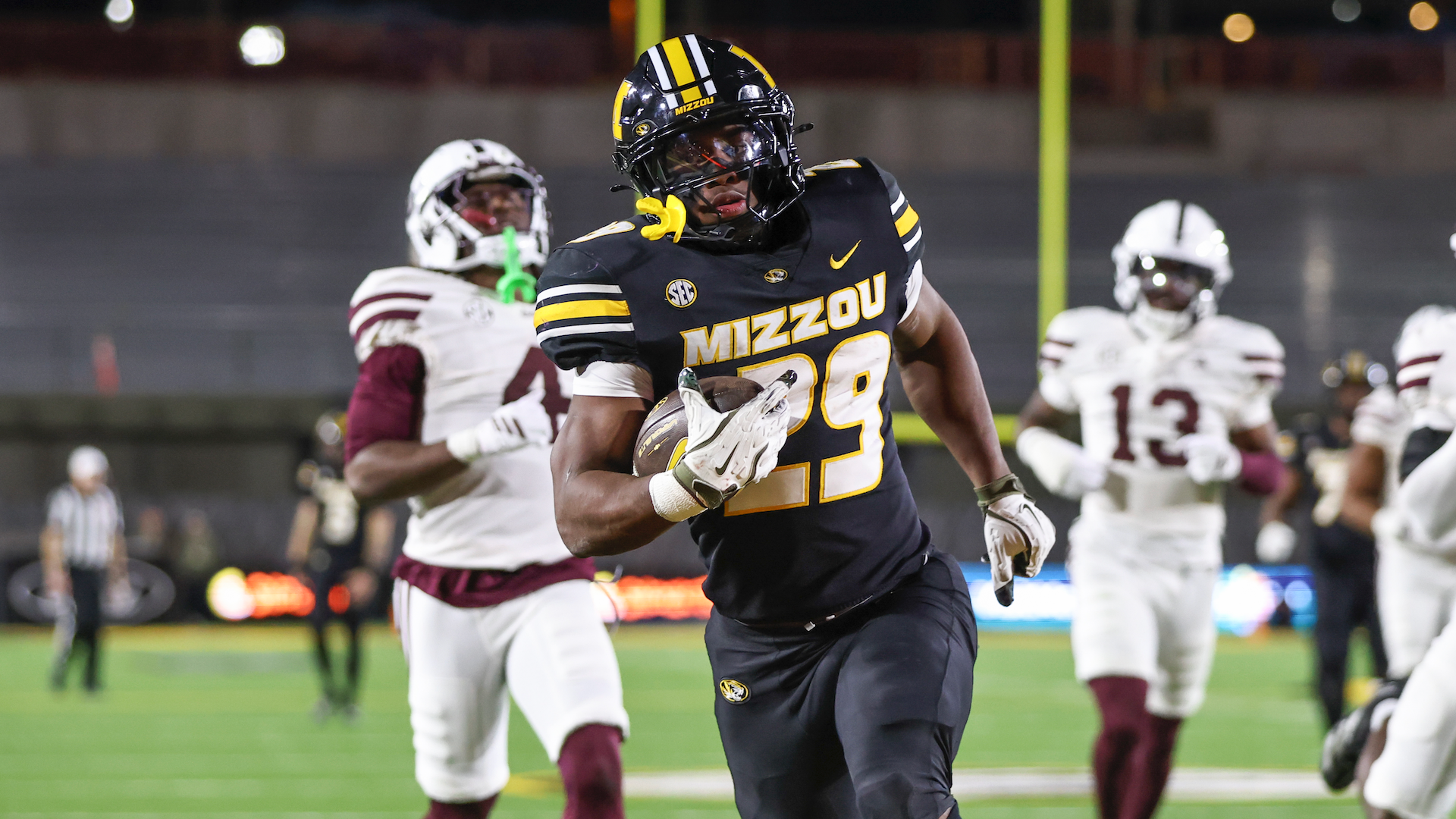
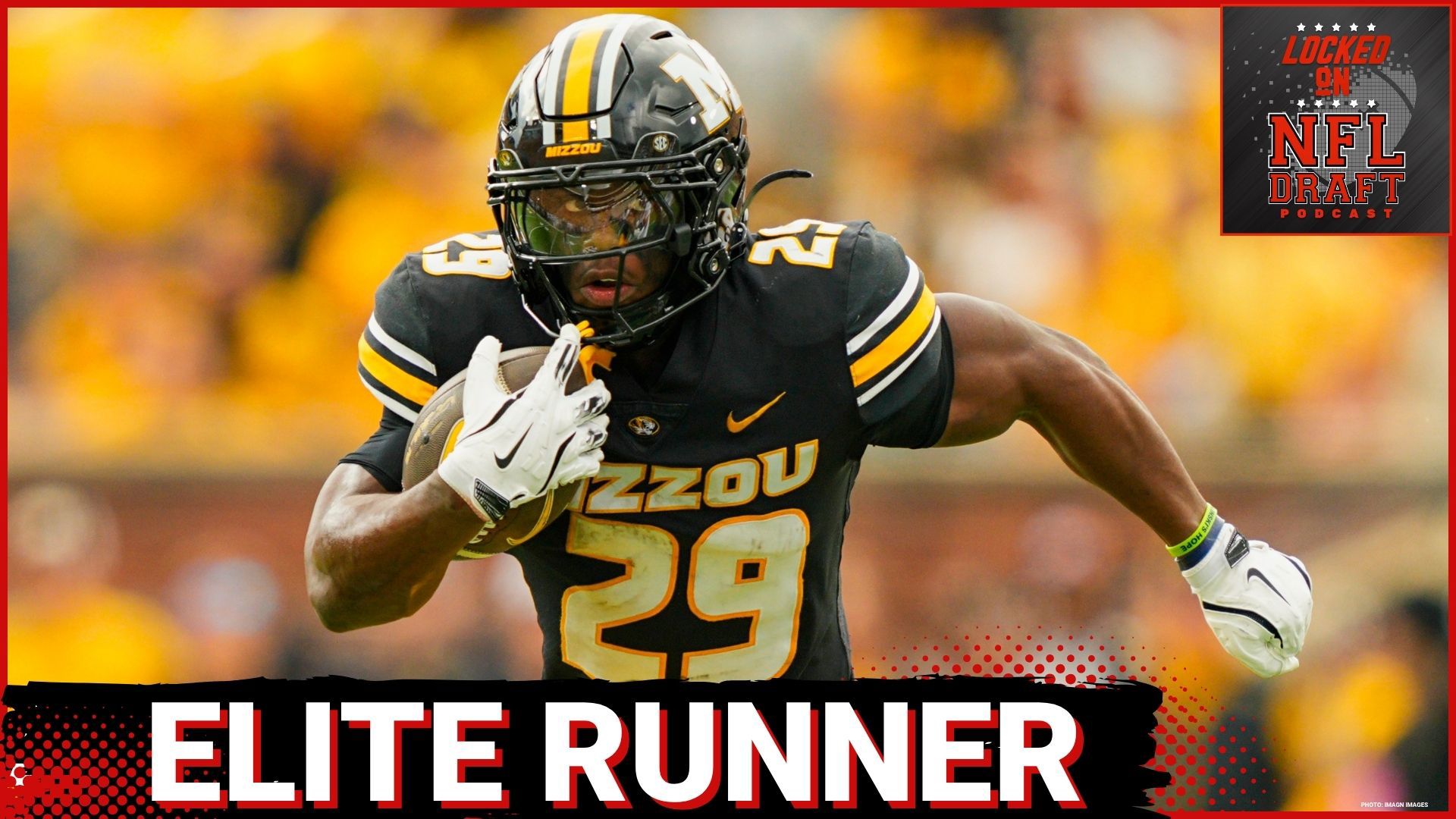
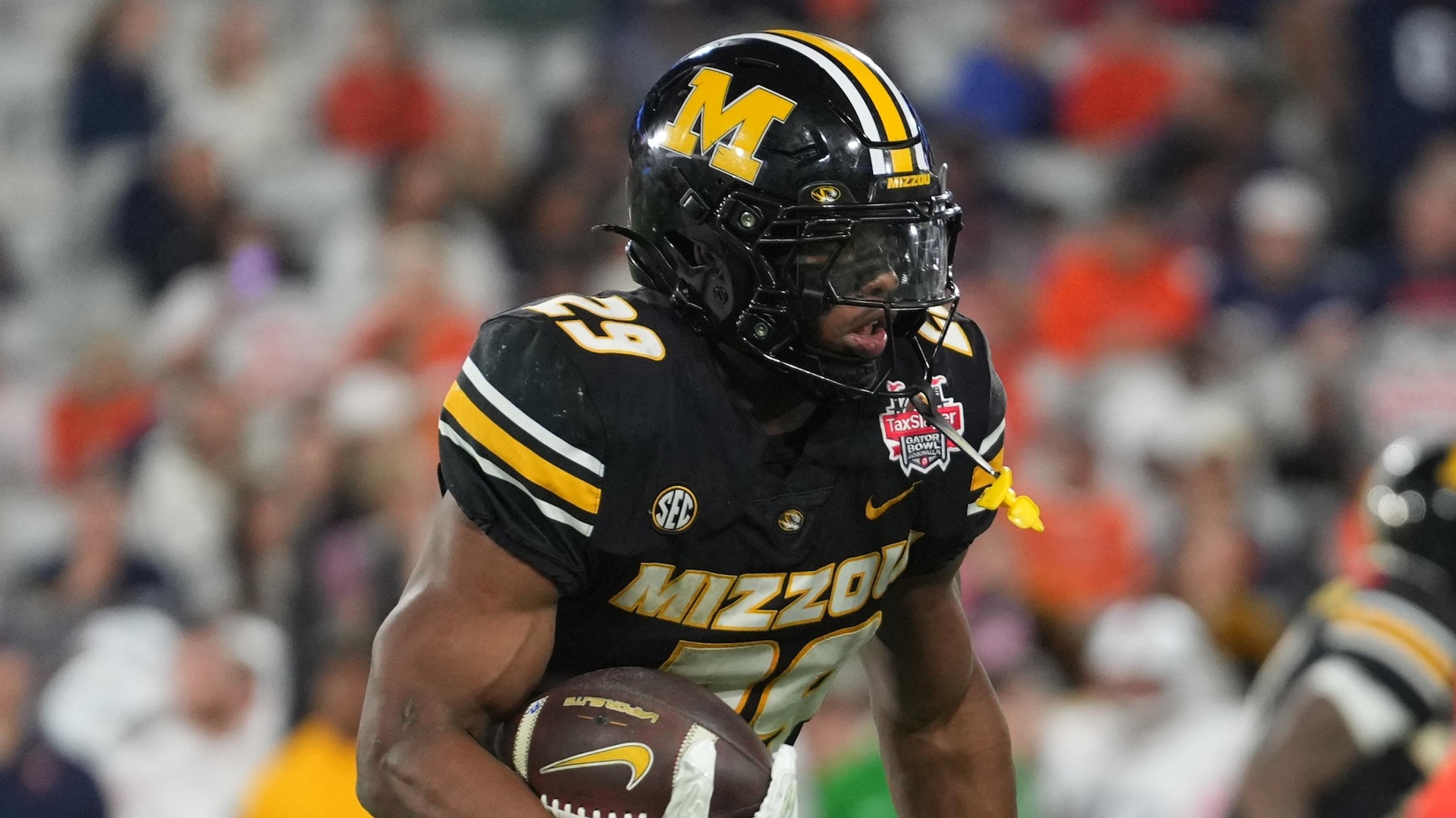
Ahmad Hardy is an American college football running back known for his explosive rushing capability, dynamic playmaking skills, and productive collegiate career within the NCAA football landscape. Understanding his athletic trajectory, physical profile, and performance metrics provides clear insight into his role and impact on the gridiron.
Understanding Ahmad Hardy's Athletic Profile and Position
Ahmad Hardy plays the running back position, a role that demands exceptional acceleration, vision, balance, and durability. Running backs must navigate tight spaces along the line of scrimmage, read blocking schemes in real-time, and exploit open-field opportunities through speed and agility. In modern collegiate football, athletes at this position are also evaluated on their pass-protection mechanics and their ability to catch passes out of the backfield.
Evaluating a running back requires looking beyond raw rushing totals to examine yards after contact, broken tackles, and snap efficiency. Hardy's physical stature allows him to absorb contact from linebackers and defensive linemen while maintaining forward momentum. Coaches and scouts analyze these physical attributes alongside game film to determine how an athlete's running style fits specific offensive systems, whether a downhill gap scheme or an outside zone running attack.
Collegiate Career Path and Team Integration
The journey of a collegiate football player involves transitioning from high school standout to contributing member of a college program. For Ahmad Hardy, this path required rigorous adherence to strength and conditioning regimens, playbook mastery, and competitive execution during practice sessions. College programs utilize spring practices and fall camps to refine player roles, test endurance, and establish depth charts.
Integrating into a college football roster involves working closely with offensive coordinators, running backs coaches, and offensive linemen. Success at the collegiate level depends heavily on chemistry with the offensive line, as running backs rely on blocking schemes to create initial running lanes. Hardy's involvement in team practices and game-day rotations highlights the structured development required to compete at a high level in collegiate athletics.
Performance Metrics and Statistical Evaluation
Statistical analysis in college football involves tracking a wide array of performance indicators to measure player efficiency. For running backs, core statistics include total rushing yards, yards per carry, rushing touchdowns, and explosive plays of twenty yards or more.
| Metric Category | Standard Measurement | Significance in Evaluation |
|---|---|---|
| Efficiency | Yards Per Carry (YPC) | Measures how effectively a player gains yardage relative to opportunities. |
| Durability | Rushing Attempts & Snaps | Indicates physical resilience across a full season. |
| Explosiveness | Plays of 20+ Yards | Highlights top-end speed and open-field elusiveness. |
| Ball Security | Fumbles / Fumbles Lost | Demonstrates reliability and protection of the football. |
Coaches also examine advanced metrics, such as success rate on third-and-short situations and red-zone conversion efficiency, to determine a player's reliability in high-leverage moments.
Physical Conditioning and Training Regimens
The physical demands of playing running back at the collegiate level necessitate rigorous year-round training. Athletes like Ahmad Hardy participate in structured off-season programs that focus on maximizing lower-body strength, core stability, and linear speed. Weight room sessions typically include heavy compound movements such as squat variations, power cleans, and deadlifts to build the force generation required to break arm tackles.
In addition to strength training, conditioning regimens emphasize high-intensity interval training (HIIT) to mimic the anaerobic demands of football plays, which typically last between four and seven seconds followed by brief recovery periods. Agility drills, ladder work, and change-of-direction exercises help running backs sharpen their footwork, enabling them to make sharp cuts without losing momentum. Nutritionists and athletic trainers also monitor caloric intake, hydration, and recovery protocols to prevent soft-tissue injuries and maintain optimal playing weight.
Frequently Asked Questions About Ahmad Hardy
What position does Ahmad Hardy play?
Ahmad Hardy plays the running back position. This role requires him to carry the ball on rushing plays, block for the quarterback during passing downs, and occasionally catch passes out of the backfield.
What physical traits are essential for success as a running back?
Key physical traits include explosive acceleration, balance through contact, lower-body strength, and functional vision. These attributes allow a running back to identify defensive gaps and break tackles in the open field.
How do college football programs evaluate running back performance?
Programs evaluate running backs using traditional statistics like rushing yards and touchdowns alongside advanced metrics such as yards after contact, success rate on third downs, and ball security. Game film study is also critical for assessing decision-making and blocking execution.
What role does the offensive line play in a running back's success?
The offensive line creates the initial blocking framework and running lanes at the line of scrimmage. A running back's success is deeply intertwined with the offensive line's ability to execute run-blocking schemes and win battles at the point of attack.
How do running backs prepare during the off-season?
Off-season preparation involves rigorous weight training to build lower-body power, speed and agility drills to improve elusiveness, and conditioning work to enhance cardiovascular endurance. Players also study playbooks extensively to sharpen their mental processing.
Navigating Collegiate Athletic Development and Next Steps
For athletes pursuing excellence in college football, maintaining a balance between athletic development, academic responsibilities, and physical recovery is paramount. Student-athletes work within multidisciplinary support systems comprising strength coaches, athletic trainers, and academic advisors to sustain high performance throughout the academic and competitive calendar. Tracking personal progress through film review and performance metrics ensures continuous improvement as players prepare for upcoming competitive challenges and future athletic opportunities.