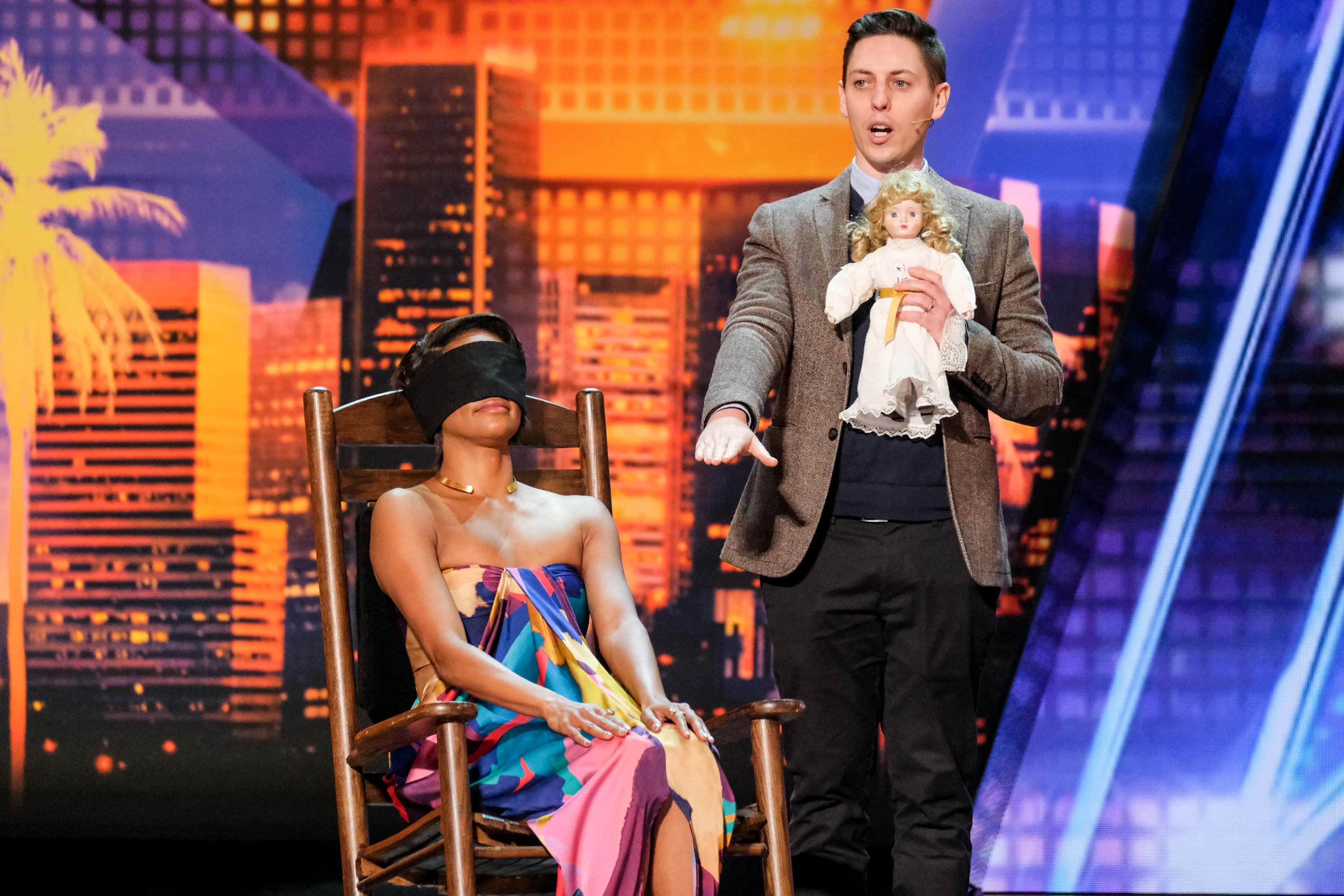
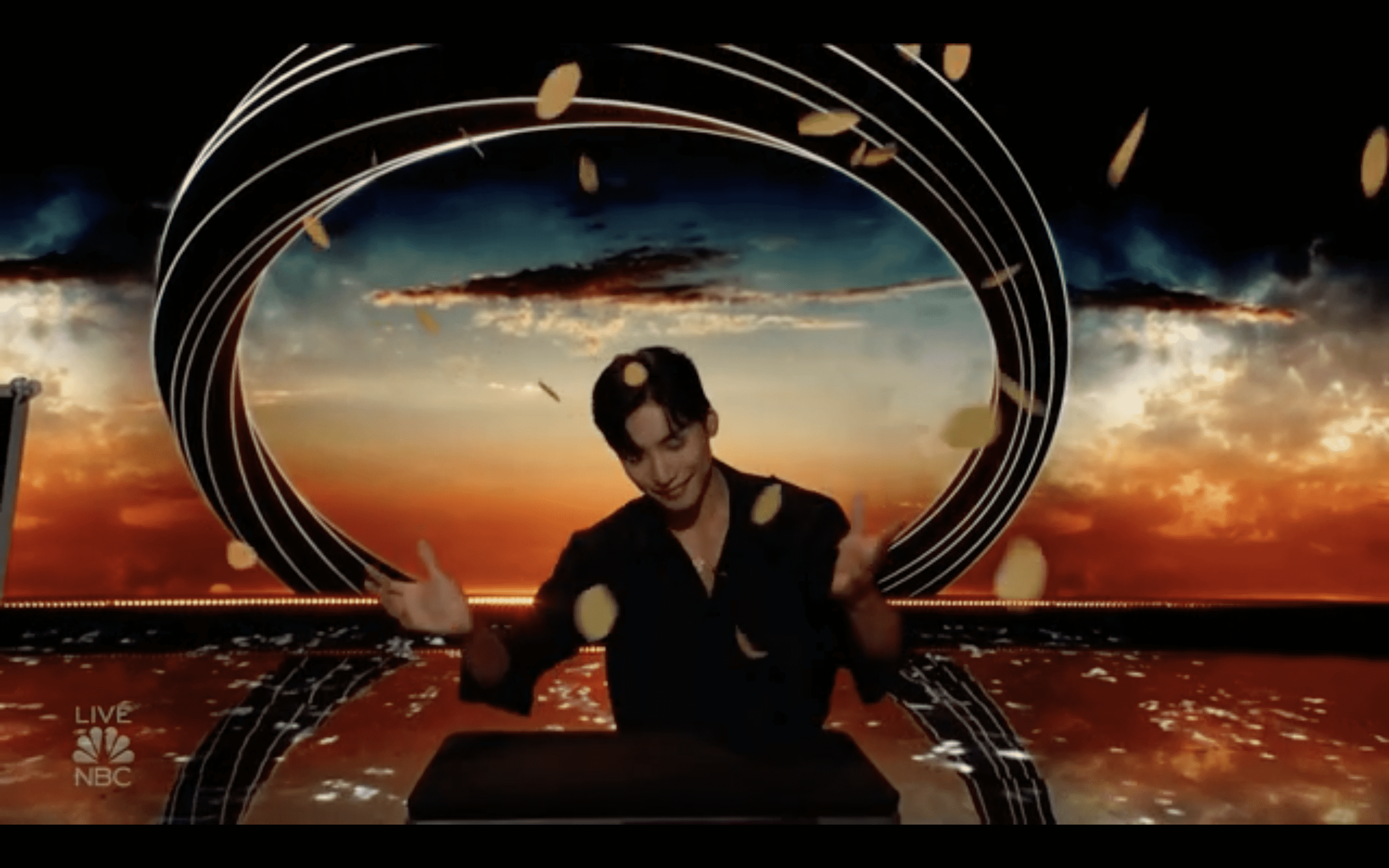
Magicians on America’s Got Talent (AGT) have transformed the genre from variety-act fillers into the show's most dominant winners. By blending storytelling, technical precision, and modern technology, performers like Mat Franco, Shin Lim, and Dustin Tavella have secured Las Vegas residencies and global fame, redefining magic for the digital age.
The Rise of Magic as a Dominant Force on America's Got Talent
In the early seasons of America's Got Talent, magic was often viewed as a niche novelty. Performers frequently relied on tired tropes—top hats, rabbits, and assistant-in-a-box illusions—which rarely resonated with a broad voting public. However, the landscape shifted dramatically during the show’s middle years. As production values increased and the judges’ table became more sophisticated, the "AGT magician" evolved into a sophisticated storyteller who uses the medium of television to enhance, rather than hinder, the mystery.
By 2026, the history of the show reflects a clear trend: magic is no longer just an "act" but a headline-worthy spectacle. The transition began in earnest with Mat Franco in Season 9, who became the first magician to win the entire competition. His victory proved that a charismatic personality combined with clever, close-up sleight of hand could outperform singers and dancers. This success paved the way for a "Golden Age" of magic on the show, where technical proficiency became the baseline, and the real competition shifted toward narrative and emotional connection.
The dominance of magic is also fueled by the viral nature of the performances. A well-executed illusion is uniquely suited for social media distribution. In the minutes following a broadcast, clips of mind-bending tricks often rack up millions of views, creating a feedback loop of popularity that helps sustain a magician's journey through the live rounds and into the finals.
Categories of Magic Featured on the AGT Stage
The diversity of magic on AGT is vast, with the show acting as a showcase for various sub-genres. Understanding these categories is essential for appreciating the technical difficulty and the different ways these performers capture the audience's imagination.
Close-Up Magic and the Cinematic Approach
Close-up magic involves small objects like cards, coins, and everyday items. On a stage as large as the Pasadena Civic Auditorium, this presents a logistical challenge. The AGT production team uses high-definition cameras and overhead rigs to project the action onto large screens. This "cinematic magic" allows the audience to see every finger flick and card change. This style was perfected by Shin Lim, whose silent, choreographed routines felt more like a ballet of deception than a traditional magic show.
Mentalism and Psychological Artistry
Mentalists focus on the "powers of the mind," including telepathy, precognition, and memory feats. Performers like The Clairvoyants or Colin Cloud use the judges as human proxies, involving them in complex "experiments" that appear to predict their choices or reveal hidden thoughts. The success of mentalism on AGT relies heavily on the perceived lack of collusion between the performer and the judges, making the "reveal" feel genuinely impossible to the home viewer.
Grand Illusions and Stage Presence
While close-up magic has seen a surge in popularity, grand illusions remain a staple of the show. These acts involve large-scale props, levitations, and disappearances. The challenge for the modern grand illusionist is to modernize the presentation. Successful AGT illusionists often move away from the "sparkles and spandex" of the 1980s, opting instead for gritty, high-stakes, or highly theatrical presentations that feel contemporary and dangerous.
Profiles of Success: Notable AGT Magicians and Winners
Several magicians have used AGT as a springboard to international stardom. Their career trajectories illustrate the massive "AGT effect" on the magic industry.
- Mat Franco (Season 9 Winner): Franco’s win was a watershed moment. His "reinvention of magic" focused on personality and interactive storytelling. Following his win, he secured a long-term residency at the LINQ Hotel + Experience in Las Vegas, which remains one of the most successful magic shows on the Strip in 2026.
- Shin Lim (Season 13 and The Champions Season 1 Winner): Arguably the most successful magician in the franchise’s history, Lim is a two-time winner. His reliance on atmosphere and technical mastery of card magic earned him a headlining spot at the Mirage (and later other MGM properties). He is often cited by newer contestants as the primary inspiration for their audition.
- Dustin Tavella (Season 16 Winner): Tavella represented a shift toward "narrative magic." His performances often centered on his family, his faith, and his personal journey, using magic as a vehicle for a message rather than the sole focus. While controversial among magic purists for the simplicity of his tricks, his ability to connect emotionally with the voting audience was undeniable.
- Piff the Magic Dragon: Although he did not win his season, Piff is a prime example of the "successful loser." His unique blend of deadpan comedy and legitimate magic led to a massive career, including his own resident show at the Flamingo Las Vegas.
Comparing Leading AGT Magicians and Their Achievements
The following table highlights the diversity of styles and the high level of success achieved by magicians who reached the final stages of the competition.
| Magician | Season | Placement | Primary Style | Post-Show Success |
|---|---|---|---|---|
| Mat Franco | 9 | Winner | Close-up / Interactive | Las Vegas Residency (The LINQ) |
| Piff the Magic Dragon | 10 | Finalist | Comedy Magic | Las Vegas Residency (Flamingo) |
| Jon Dorenbos | 11 | 3rd Place | Card Magic / Motivational | Professional Speaking / TV Personality |
| Shin Lim | 13 | Winner | Cinematic Card Magic | Las Vegas Residency (MGM/Mirage) |
| The Clairvoyants | 11 | Runner-up | Mentalism | World Tours / Broadway |
| Dustin Tavella | 16 | Winner | Narrative / Storytelling | Las Vegas Residency (Luxor) |
| Anna DeGuzman | 18 | Runner-up | Cardistry / Close-up | Social Media / Global Touring |
The Challenges of Performing Magic for a TV Audience
Performing magic on America's Got Talent is fundamentally different from performing in a theater. The presence of multiple camera angles means a magician must be "angle-proof" from 360 degrees, or they must work closely with the show's director to ensure the secret behind the trick is not accidentally revealed on air.
In the era of high-definition 4K broadcasting and DVR, viewers at home can pause and rewind performances to look for hidden wires, "palmed" cards, or suspicious movements. This has forced AGT magicians to become more technically proficient than ever before. Furthermore, the "live" nature of the later rounds adds immense pressure; a single "flash" (accidentally showing how a trick is done) can end a career in seconds.
Another challenge is the time constraint. A standard magic act in a club might last 10 to 15 minutes, allowing for a slow build-up. On AGT, performers usually have only 90 seconds to three minutes to deliver a complete narrative and a "wow" moment. This requires a rapid-fire pace or a very tight script that hits specific emotional beats quickly.
Life After the Buzzer: The Commercial Success of AGT Magicians
The ultimate goal for many magicians appearing on AGT is not just the $1 million prize, but the exposure that leads to long-term financial security. The "AGT brand" is a powerful marketing tool in the entertainment world, particularly in Las Vegas.
By 2026, the AGT Superstars Live show at the Luxor Las Vegas has become a hub for former contestants, often featuring a rotating cast of magicians. Beyond Vegas, the show provides a platform for magicians to increase their booking fees for corporate events and private parties. Before AGT, a successful magician might have struggled to sell out a small theater; after a successful run on the show, many find themselves headlining multi-city national tours.
Social media also plays a vital role in post-show success. Magicians who perform well on AGT often see their follower counts explode. This allows them to monetize through digital content, selling their own branded magic kits, or teaching "masterclasses" to aspiring illusionists. The transition from "contestant" to "brand" is the hallmark of the most successful AGT magicians.
Frequently Asked Questions about AGT Magicians
How much of the magic on AGT is real sleight of hand versus camera tricks?
The show generally prohibits "camera magic" or editing tricks to make an illusion work. The magicians must perform the trick live in front of the judges and a studio audience. While the camera director may choose specific angles to enhance the presentation, the core of the act must be a legitimate feat of magic or mentalism that could be performed in a live setting.
Do magicians on the show get to use their own props?
Yes, magicians bring their own custom-built props and equipment. However, they must work with the show's safety and legal teams to ensure that any pyrotechnics, large machinery, or "dangerous" elements meet broadcast standards. Many top-tier performers also hire specialized consultants to help them adapt their stage props for the specific dimensions of the AGT stage.
Why do so many magicians tell emotional stories during their acts?
Success on AGT is determined by public voting, and audiences are more likely to vote for someone they feel a connection with. Pure technical skill is impressive, but it can sometimes feel "cold." By adding a narrative about their family, struggles, or inspirations, magicians like Dustin Tavella or Jon Dorenbos create an emotional anchor that makes their magic feel more meaningful and memorable to the average viewer.
What happens if a magician's trick fails during the live show?
If a trick fails on live television, the performer must improvise or move on to the next segment of the act. Because the show is live, there are no "do-overs." Several magicians over the years have had minor "flashes" or technical glitches; while this usually results in negative feedback from the judges and a lower vote count, some have managed to recover through quick thinking and charm.
Who is the most successful AGT magician of all time?
Financially and in terms of name recognition, Shin Lim is widely considered the most successful. His back-to-back wins on the main show and the "Champions" spin-off, combined with his long-standing Las Vegas residency and high-profile television appearances worldwide, have set a new standard for what a magician can achieve through the platform.
Exploring the World of Magic Beyond the Screen
If you are inspired by the magicians seen on America’s Got Talent, the next step is to experience the art form in a live environment. Television provides a curated view, but the true impact of magic is felt when it happens just a few feet away from you.
For those visiting Las Vegas, attending resident shows by Mat Franco or the AGT Superstars Live show provides a direct look at the high production value of professional illusion. For those interested in learning the craft, many AGT alumni offer instructional videos or participate in magic conventions such as MAGIC Live! in Las Vegas. Supporting local magic circles or visiting dedicated magic theaters, such as the Magic Castle in Hollywood, is the best way to see the next generation of performers before they ever step onto the AGT stage.