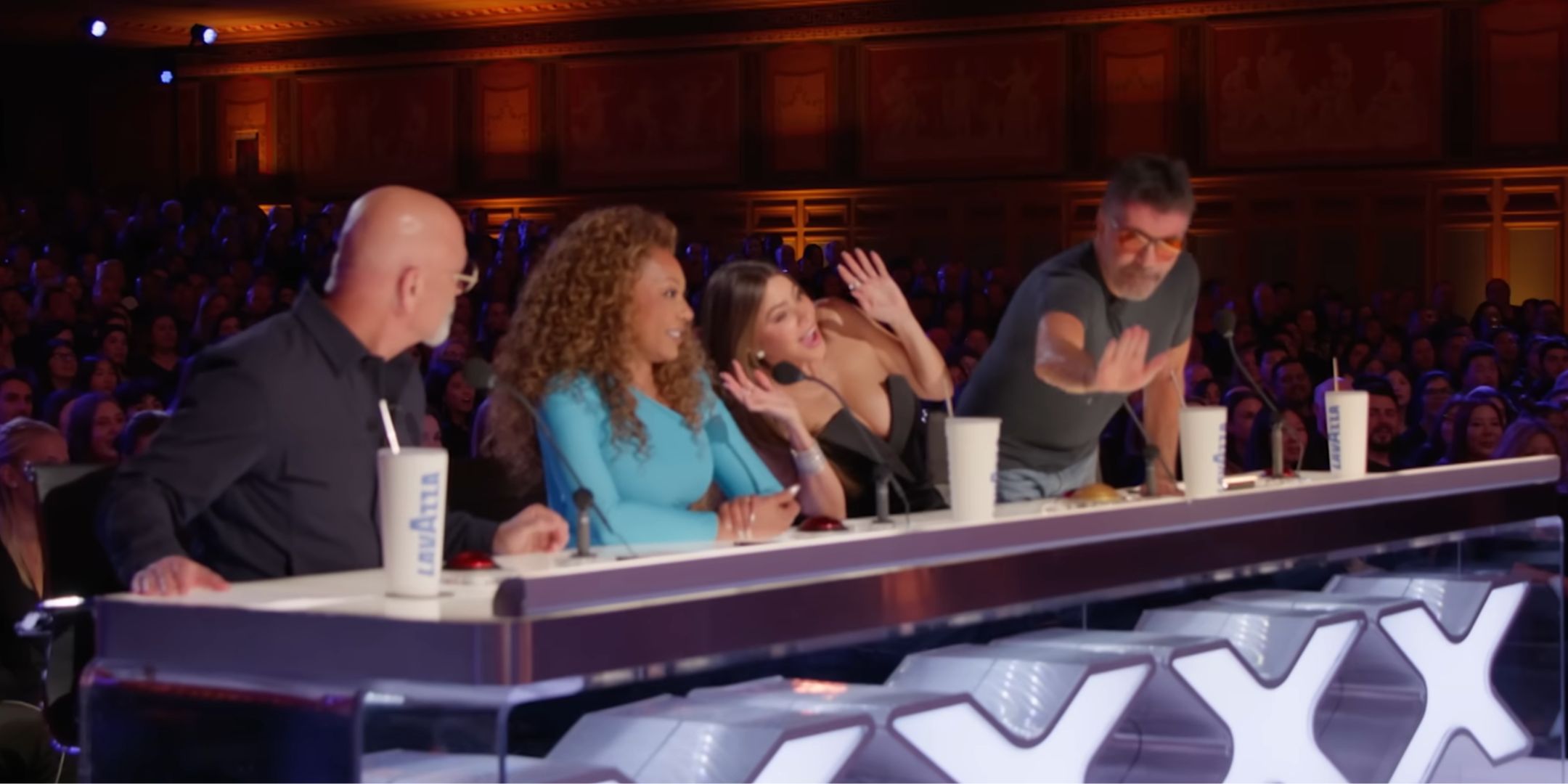
The Golden Buzzer in America’s Got Talent (AGT) is a specialized mechanism that allows a judge or the host to send an auditioning act directly to the live performance rounds, bypassing the lower-level elimination stages. As of 2026, the current rules permit each of the four judges to press the Golden Buzzer twice during the audition phase, while the host retains a single use, alongside a collective "Group Golden Buzzer" reserved for extraordinary circumstances.
The Golden Buzzer is the most coveted signal in the AGT franchise, transforming a hopeful contestant into an overnight sensation. Originally introduced as a simple tool to save acts from disagreement among the panel, it has evolved into a high-stakes production element that dictates the trajectory of the competition. Understanding the specific rules, the evolution of the buzzer's power, and the logistical advantages it provides is essential for both fans and prospective contestants.
The Evolution of the Golden Buzzer
When America’s Got Talent first premiered, the concept of a "Golden Buzzer" did not exist. It was introduced in Season 9 (2014) as a way to break a deadlock between judges. If one judge was particularly passionate about an act that the others did not favor, the buzzer served as a "save," allowing the act to move to the next round regardless of the other judges' opinions. At that time, it did not send acts directly to the live shows; it merely moved them to the Judge Cuts.
In Season 10 (2015), the rules were fundamentally altered to the format we recognize today. The buzzer was upgraded to its "power" status, granting acts a direct ticket to the live performance rounds—typically the Quarterfinals or Semifinals, depending on the season's specific structure. This change turned the Golden Buzzer into a viral marketing tool and a symbol of elite talent.
By the 2024 and 2025 seasons, the "Two-Buzzer" rule was established, doubling the number of direct-to-live passes available to the individual judges. This change was implemented to accommodate the increasing density of high-tier global talent appearing on the AGT stage, ensuring that "once-in-a-lifetime" acts weren't lost in the shuffle of a crowded audition field.
Current 2026 Golden Buzzer Rules and Allocation
The distribution of Golden Buzzers is strictly regulated to maintain the competitive balance of the show. While the rules can be adjusted by the executive producers (including Simon Cowell) to suit the narrative needs of a season, the standard framework for 2026 follows a specific allocation.
Individual Judge Allocations
Each of the four primary judges—currently Simon Cowell, Heidi Klum, Howie Mandel, and Sofia Vergara—is granted two Golden Buzzers during the audition rounds. This allows for a total of eight acts to be fast-tracked by individual panel members. A judge typically cannot "stack" these or use them on the same act; they are intended to identify two distinct performances that represent the pinnacle of the season’s talent.
The Host’s Golden Buzzer
Terry Crews, serving as the host, possesses one Golden Buzzer. The host's buzzer is often seen as the "voice of the people," as the host spends more time backstage with the contestants and their families. The host’s buzzer carries the same weight as a judge’s buzzer, sending the act directly to the live shows.
The Group Golden Buzzer
Introduced in Season 16, the Group Golden Buzzer is a collaborative moment where all four judges and the host press the button simultaneously. This is reserved for acts that are so universally impressive that a single judge’s endorsement feels insufficient. The Group Golden Buzzer is typically limited to one per season.
The "Victory" and "All-Stars" Variations
In spin-off series like AGT: All-Stars or AGT: Fantasy League, the Golden Buzzer rules often change. In these formats, the buzzer might grant a judge the ability to "steal" an act for their own team or send an act directly to the Grand Finale rather than just a preliminary live round.
| Buzzer Type | Quantity (Auditions) | Impact on Competition |
|---|---|---|
| Individual Judge | 2 per Judge (8 total) | Direct entry to Live Shows |
| Host Buzzer | 1 total | Direct entry to Live Shows |
| Group Buzzer | 1 total | Direct entry to Live Shows |
| Guest Judge (Special) | 1 (If applicable) | Varies by round/season |
Technical Requirements and the "Moment"
The Golden Buzzer is not just a rule change; it is a technical production event. When the buzzer is pressed, a series of automated cues are triggered within the theater's production booth.
- The Sound Cue: A high-frequency, resonant chime signifies the activation.
- The Visual Cue: The LED rings around the buzzer station glow gold, and the large "X" markers above the stage transition from their standard red/white to a shimmering gold.
- The Confetti Cannon: Pyrotechnic or compressed-air cannons at the top of the proscenium release thousands of metallic gold confetti pieces (often referred to as "gold rain").
- The Stage Lighting: The entire theater's intelligent lighting system shifts to a warm 3200K–5000K gold palette to ensure high-definition cameras capture the "halo effect" on the performers.
For an act to receive the Golden Buzzer, they must be in the middle of their audition or have just finished. A judge cannot technically award a Golden Buzzer to an act that has already left the stage and been formally dismissed, although producers have occasionally allowed for "dramatic returns" if a judge has a change of heart immediately following a performance.
Advantages and Disadvantages for Contestants
While receiving the Golden Buzzer is a dream for most contestants, it carries a unique set of pressures and logistical shifts that can impact their success in the later rounds of the competition.
Benefits of the Golden Buzzer
- Safety: The act avoids the "Judge Cuts" or the deliberation rounds where many high-quality acts are sent home simply due to a lack of space in the live shows.
- Exposure: Golden Buzzer clips are the most shared content on social media platforms like YouTube, TikTok, and Instagram. This massive influx of followers provides a "safety net" of voters once the live shows begin.
- Production Budget: Acts that receive the Golden Buzzer often receive higher production priority for their live show performances, including more complex stage designs and backup dancers.
Potential Drawbacks
- The "Gap" Period: Because Golden Buzzer acts skip intermediate rounds, they often go several weeks or even months without performing for the public. This can lead to a loss of momentum compared to acts that the audience sees more frequently.
- Higher Expectations: The "Golden" label sets a high bar. If a Golden Buzzer act delivers a live performance that is only "good" rather than "spectacular," the audience and judges are often more critical than they would be of a standard act.
Eligibility and Restrictions
The rules for who can receive a Golden Buzzer are identical to the general eligibility rules for America’s Got Talent. There are no age restrictions, and the act can be a solo performer or a large group.
- Originality: While not a hard rule, judges rarely use a Golden Buzzer on an act that is a direct imitation of a previous winner or a famous viral video, unless the execution is significantly superior.
- Status: Professional acts are eligible, provided they meet the contract requirements of the production. Being a professional does not disqualify an act from receiving the Golden Buzzer.
- The "One-and-Done" Rule: An act can only receive one Golden Buzzer per season. If a judge attempts to press it for an act that has already received one in a previous audition round (unlikely but theoretically possible in edited shows), the second buzzer would be ceremonial rather than functional.
The Role of the Executive Producer
It is important to note that AGT is a produced television show. While the judges have the autonomy to press the buzzer, the overarching "Golden Buzzer Rules" are subject to the discretion of the executive producers. This includes the timing of when buzzers are used and the total count available in a given season. In 2026, the move to multiple buzzers per judge reflects a strategy to keep the "audition fatigue" at bay, ensuring that every episode has a potential "peak" moment that keeps viewers engaged.
Frequently Asked Questions
Can a judge change their mind after pressing the Golden Buzzer?
No, once the Golden Buzzer is pressed and the confetti is released, the decision is final. The act is legally and contractually advanced to the live rounds. There has never been a recorded instance in AGT history where a Golden Buzzer was "revoked" due to a judge's change of heart.
Does the Golden Buzzer guarantee a spot in the Finale?
No. The Golden Buzzer only guarantees a spot in the first round of the Live Shows (usually the Quarterfinals or Semifinals). Once the act reaches the live shows, they are subject to the public vote just like every other contestant. Many Golden Buzzer acts have been eliminated in their first live appearance.
Why do some judges have two Golden Buzzers now?
Starting in Season 19 (2024), the rules were expanded to allow judges two Golden Buzzers each. This was done to increase the number of "viral moments" and to ensure that judges didn't feel they had to "save" their buzzer for the very last day of auditions, potentially missing out on great talent early in the process.
Is the confetti cleaned up between every act?
Yes. The technical crew has a highly efficient "sweep team" that clears the stage of metallic confetti immediately after a Golden Buzzer moment. This process usually takes 10 to 15 minutes, during which the judges often take a break or conduct interviews.
Can an act request a Golden Buzzer?
While contestants can express their desire for one, there is no formal mechanism to "apply" for a Golden Buzzer. It is entirely at the discretion of the panel and the host based on the live performance they witness in the room.
Preparing for the Live Shows After a Golden Buzzer
For acts that receive this honor in 2026, the next step is a rigorous period of preparation. Because they bypass the intermediary cuts, they must work closely with the show's creative directors to scale their act for a much larger stage. This often involves increasing the technical complexity of their performance to justify the "Golden" status they were awarded. For singers, this might mean a full orchestral arrangement; for dance troupes, it might involve complex projection mapping or pyrotechnics. The transition from the audition room to the Dolby Theatre (or the current live venue) is the ultimate test of whether the Golden Buzzer was truly deserved.