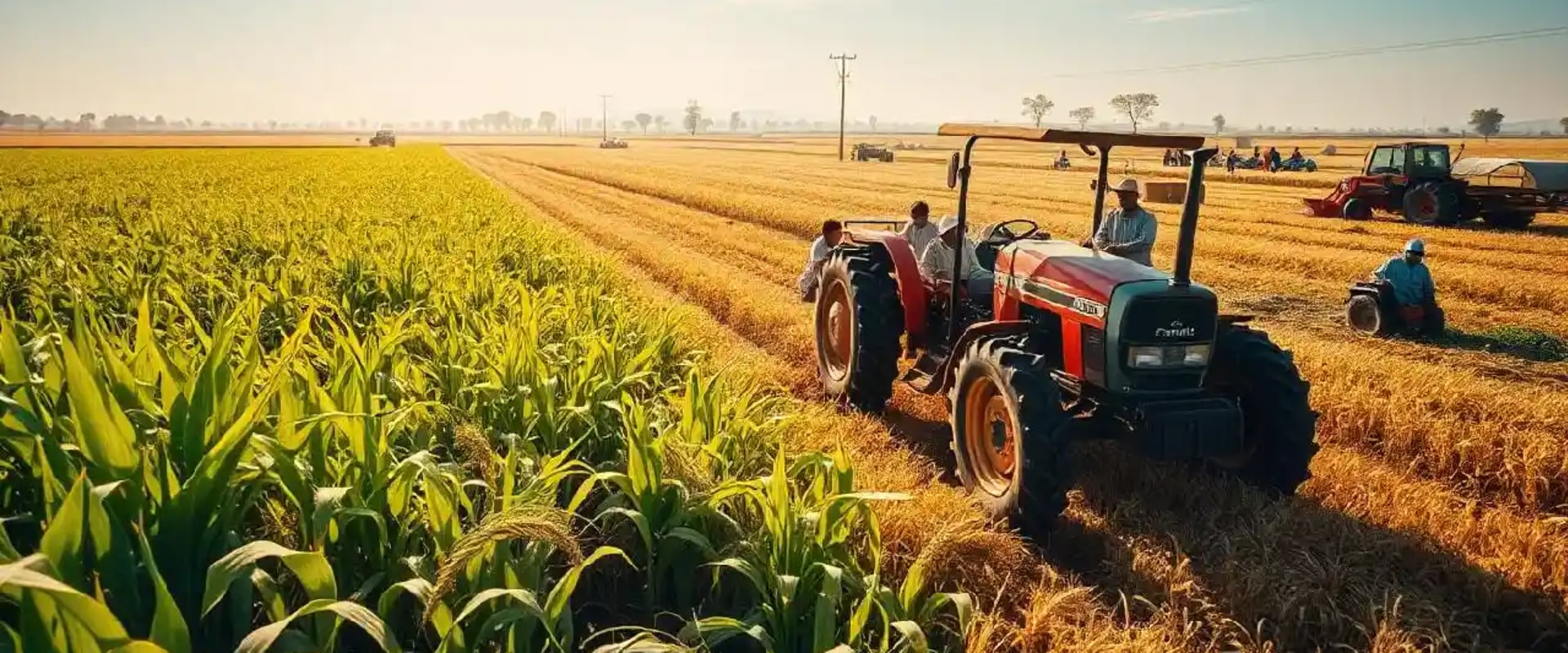
Agriculture and farming encompass the systematic cultivation of crops, livestock production, and the processing of raw products for human use. By integrating biological management, technological innovation, and logistical planning, modern agricultural enterprises optimize resource allocation to ensure food security, fiber production, and raw material availability across global supply chains.
The Scope of Agricultural Enterprise
Agriculture is fundamentally defined by the transition from hunter-gatherer activities to the deliberate management of biological systems. This field spans a wide array of activities, from subsistence-level gardening to industrial-scale commodity farming. In the context of 2026, the sector is characterized by the convergence of traditional agronomy and precision technology.
Primary production revolves around two main pillars: crop production—the cultivation of plants for food, fuel, and fiber—and animal husbandry—the selective breeding and raising of livestock for meat, dairy, wool, and labor. Beyond these, modern agriculture includes silviculture (forestry) and aquaculture (fish farming), which are increasingly integrated into diversified farm business models to manage risk and maximize land-use efficiency.
Core Prerequisites for Agricultural Operations
Successful farming requires more than fertile soil and favorable climate conditions. The foundational requirements for any agricultural operation include legal land tenure, access to water rights, and an understanding of the specific soil chemistry of the region.
Land management begins with soil testing to determine nutrient profiles (NPK ratios) and pH levels. Farmers must then select cultivars—varieties of plants—that are genetically suited to their specific USDA hardiness zone or local equivalent. Access to inputs, such as seeds, fertilizers, and pest management agents, must be secured during the pre-planting phase. Furthermore, infrastructure, including irrigation systems, storage facilities, and transport machinery, is essential for mitigating post-harvest losses, which represent a significant challenge in global food systems.
Comparative Overview of Farming Models
Agricultural systems differ significantly in their intensity and management strategies. The following table provides a comparison of standard approaches used in contemporary farming.
| Feature | Intensive Commercial Farming | Regenerative/Organic Farming | Controlled Environment (CEA) |
|---|---|---|---|
| Input Strategy | Synthetic fertilizers & pesticides | Biological soil amendments | Precision nutrient solutions |
| Primary Goal | Yield maximization per acre | Soil health & biodiversity | Year-round consistency |
| Capital Intensity | High (machinery/land) | Moderate (labor/certifications) | Very High (climate control) |
| Water Usage | High (field irrigation) | Moderate (mulching/no-till) | Low (recirculating systems) |
| Market Focus | Commodities & export | Niche & premium retail | Localized, high-value greens |
Managing Productivity and Risk
In 2026, the primary challenge for farmers is managing the intersection of volatile market prices and environmental variability. Risk mitigation is largely achieved through crop rotation, which breaks the cycles of soil-borne diseases and pest infestations while naturally improving soil nitrogen levels.
Additionally, crop insurance and forward-contracting serve as vital financial tools. By securing the price of a future harvest, farmers can protect their operations from sudden market fluctuations. Integrated Pest Management (IPM) is another critical operational strategy. IPM relies on a tiered approach to control, prioritizing biological and physical interventions—such as beneficial insects or traps—before resorting to chemical applications. This approach not only lowers input costs but also reduces the chemical footprint of the farm.
Technological Integration in Modern Practices
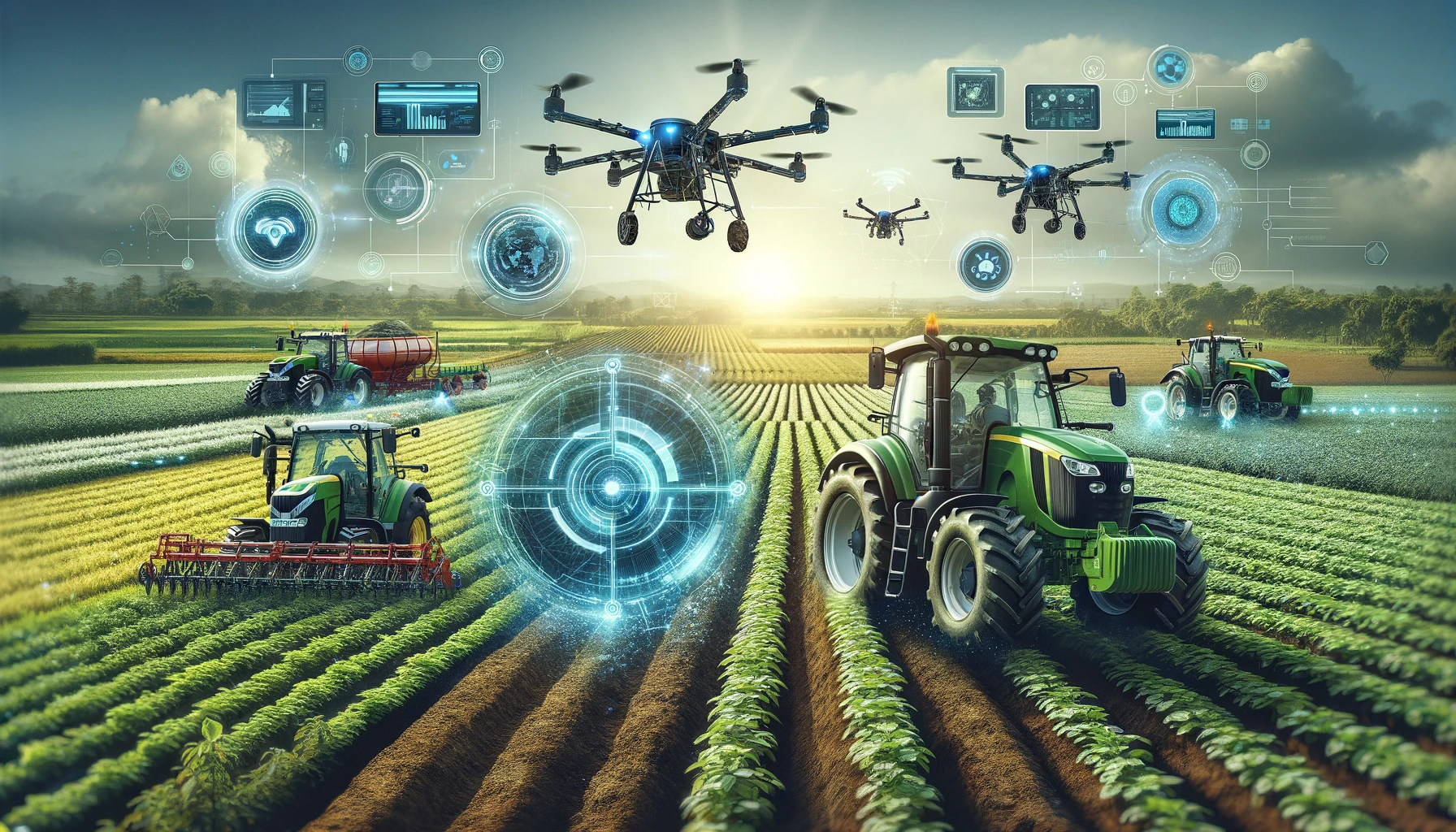
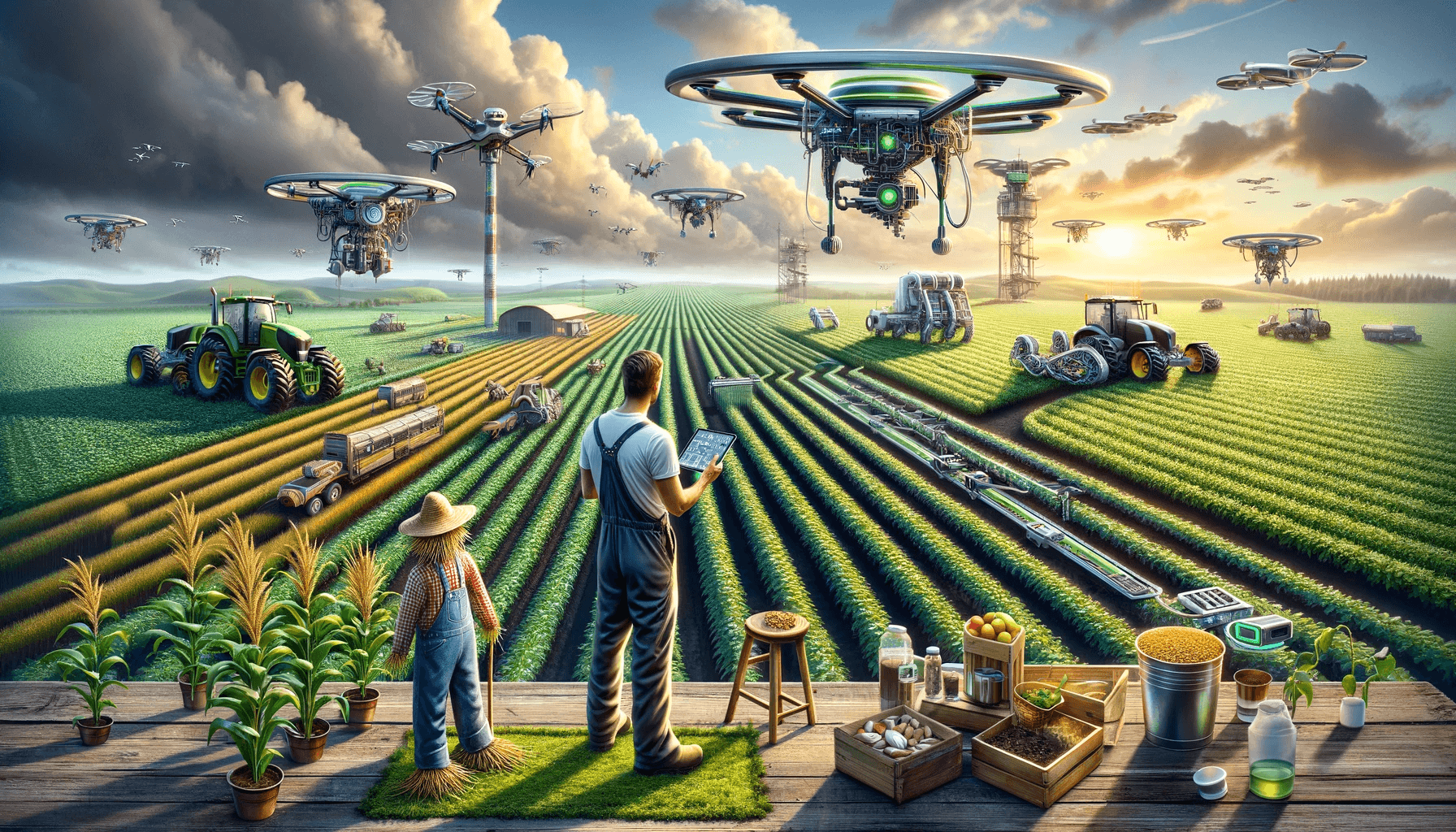
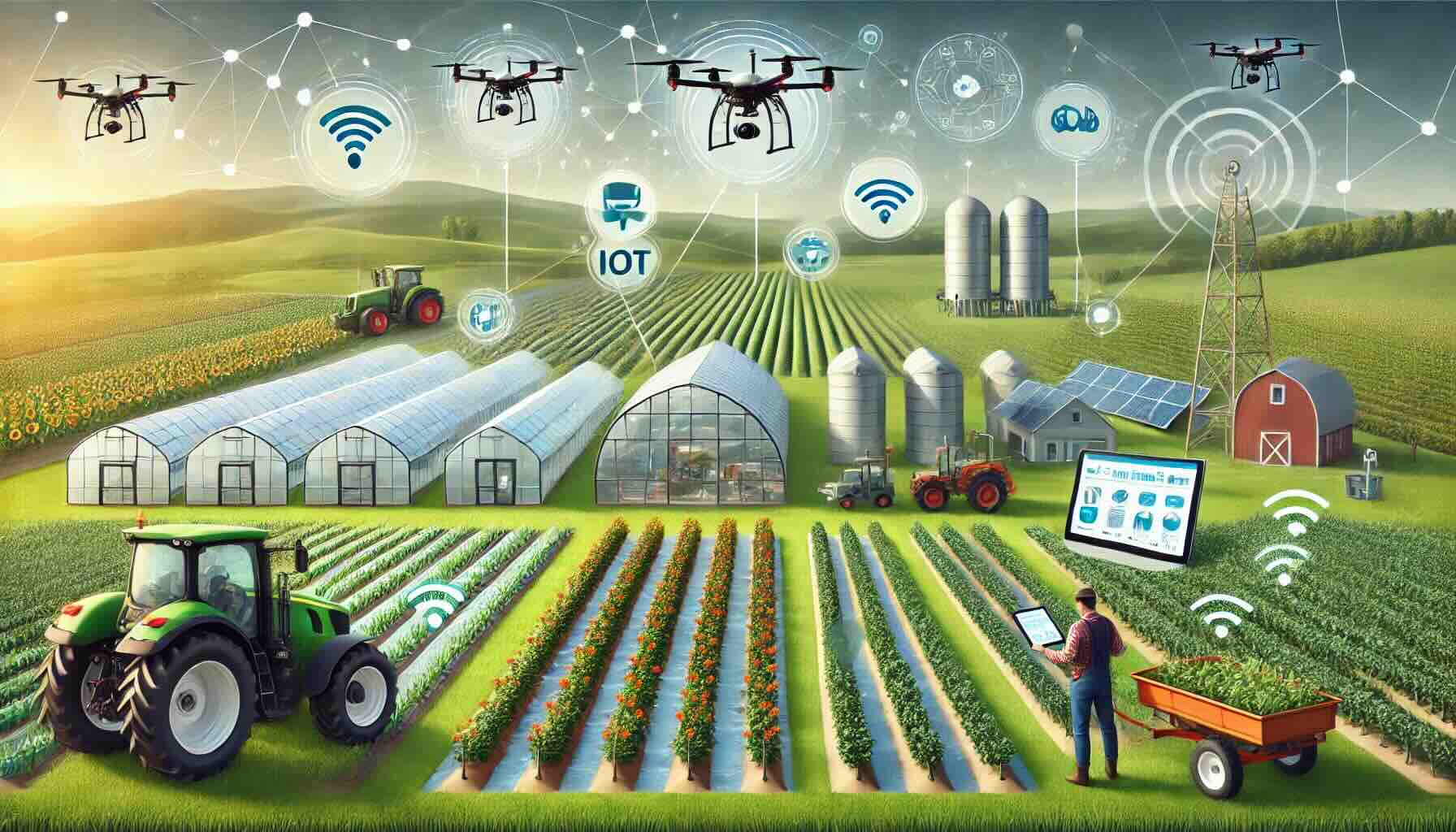
The adoption of precision agriculture represents the most significant shift in field management over the last decade. Utilizing Global Navigation Satellite Systems (GNSS) and Internet of Things (IoT) sensors, farmers can now monitor soil moisture, humidity, and plant health at the plant-row level.
Variable Rate Technology (VRT) allows equipment to adjust the amount of seed or fertilizer applied to different zones of a single field based on real-time data. This precision ensures that resources are concentrated where they are most effective, significantly reducing waste. For livestock, automated monitoring systems track individual animal activity and health metrics, enabling early intervention for illness and optimizing feed conversion ratios, which are essential for maintaining profitability in the competitive protein market.
Sustainability and Regulatory Compliance
Agricultural sustainability is no longer a peripheral concern but a central requirement for licensing and market access. Regulatory frameworks now emphasize nutrient management plans to prevent runoff into local water tables and carbon sequestration practices to mitigate environmental impacts.
Farmers are encouraged to implement cover cropping, a practice where secondary crops are planted in the off-season to prevent erosion and capture atmospheric nitrogen. These practices often align with government-subsidized conservation programs, which provide financial incentives for operators who adopt verified ecological management strategies. Compliance with these programs requires rigorous documentation of farming practices, including records of water usage, nutrient application, and land-use history, which must be verifiable through third-party auditing services.
Frequently Asked Questions
What is the difference between subsistence and commercial farming?
Subsistence farming focuses on producing enough food to support the farmer and their family with little surplus, while commercial farming is a business model aimed at producing crops or livestock for sale in domestic or international markets.
How does soil pH affect crop yield?
Soil pH dictates the availability of essential nutrients; if the soil is too acidic or too alkaline, nutrients become chemically locked, making them unavailable to the plant roots. Adjusting pH through liming or sulfur application is a prerequisite for effective nutrient uptake and overall plant vigor.
What are the main advantages of greenhouse farming?
Greenhouse farming, or Controlled Environment Agriculture (CEA), allows for the precise regulation of temperature, light, and humidity. This minimizes the impact of unpredictable weather, enables year-round production, and typically results in higher yield-per-square-foot compared to traditional outdoor field cultivation.
Why is crop rotation recommended?
Crop rotation disrupts pest and disease cycles that are specific to certain plant families. By changing the crop type each season, farmers can naturally suppress pathogens, prevent soil nutrient depletion, and improve long-term land productivity.
What is the role of the USDA in farm operations?
In the United States, the USDA provides essential research, statistical data, and conservation funding. It establishes grading standards for commodities, oversees food safety inspections, and administers insurance programs that provide a financial safety net for producers against weather-related crop losses.
Getting Started: Next Steps for New Growers
If you are planning to enter the agricultural sector, the most productive first step is a site-specific feasibility study. Do not invest in infrastructure before obtaining a professional soil test from a regional university extension office. These institutions provide local data on which crops have the highest historical success rates in your specific climate and soil type. Once the biological viability is confirmed, draft a business plan that accounts for local market demand and regulatory compliance. Begin with a small-scale pilot project to test your management capacity before scaling your operations to industrial levels.