Agricultural rodent management requires an integrated approach that combines biological, cultural, physical, and chemical control methods to protect crop yields, infrastructure, and livestock health. Success relies on accurate species identification, regular site monitoring, and the implementation of exclusionary measures before rodent populations reach damaging thresholds.
Understanding the Economic Impact and Biological Risks
Rodents, particularly species like the Norway rat (Rattus norvegicus), roof rat (Rattus rattus), and house mouse (Mus musculus), cause significant damage in agricultural settings. Beyond the direct consumption and spoilage of stored grains and feed, these pests compromise structural integrity by gnawing through electrical wiring, insulation, and irrigation piping.
Perhaps more critically, rodents are primary vectors for zoonotic diseases. Leptospirosis, salmonellosis, and hantavirus are frequently transmitted through contaminated water sources, feed supplies, and fecal matter. In intensive livestock operations, the presence of rodents can cause stress to animals, leading to decreased growth rates and reduced feed efficiency. Because rodents reproduce rapidly, a small population can expand into an infestation within weeks if left unchecked, making proactive management essential for operational longevity.
Integrated Pest Management (IPM) Framework
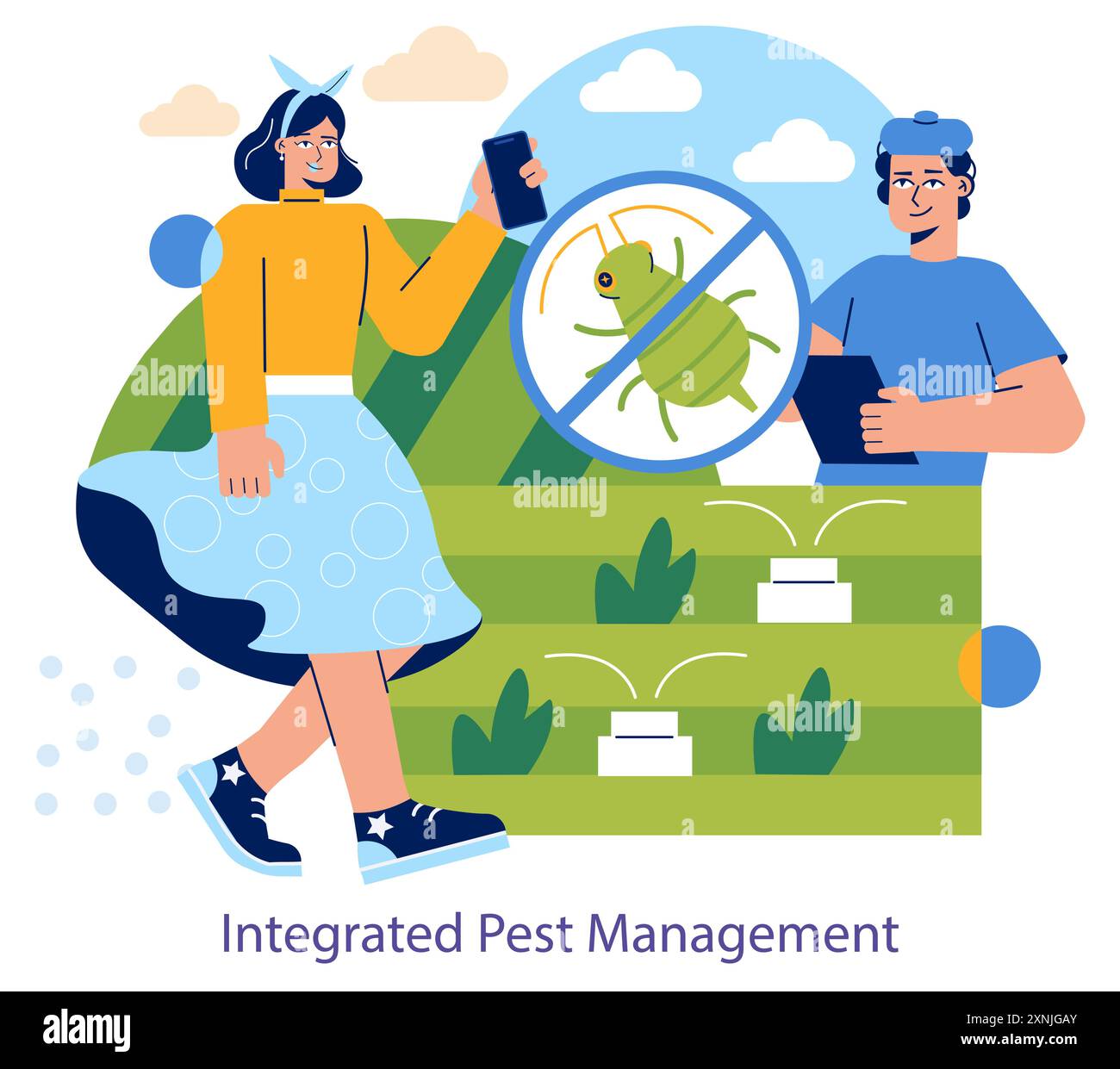
Integrated Pest Management (IPM) is the gold standard for agricultural rodent control. It shifts the focus from purely reactive chemical applications to a preventative, multi-layered strategy. By layering non-lethal methods first, producers reduce their reliance on toxic baits, which minimizes risks to non-target wildlife and livestock.
- Monitoring: Use snap traps, tracking powder, or cameras to determine which species are present and where they are nesting. Understanding the rodent's activity patterns is critical for targeted intervention.
- Sanitation: Remove food and water sources. This includes securing bulk feed in galvanized steel containers, cleaning up spilled grain around silos, and maintaining clear perimeters around farm buildings.
- Exclusion: Seal entry points larger than 0.5 inches for mice and 1 inch for rats. Use hardware cloth, steel wool, or concrete to patch holes in foundations, doors, and utility entryways.
- Habitat Modification: Reduce nesting cover by removing brush piles, old equipment, and overgrown vegetation within 50 feet of production structures.
Chemical Control and Rodenticide Safety
When population densities exceed the threshold for physical exclusion, rodenticides are employed as a secondary line of defense. Selecting the appropriate bait depends on the specific species and the environment.
Anticoagulants are the most common tools, though they must be used strictly according to label directions to prevent secondary poisoning of raptors, pets, and livestock. First-generation anticoagulants generally require multiple feedings over several days to be effective, whereas second-generation anticoagulants (SGARs) are highly potent and often lethal after a single ingestion. Due to their persistence in the environment, SGARs are subject to stringent regional regulations.
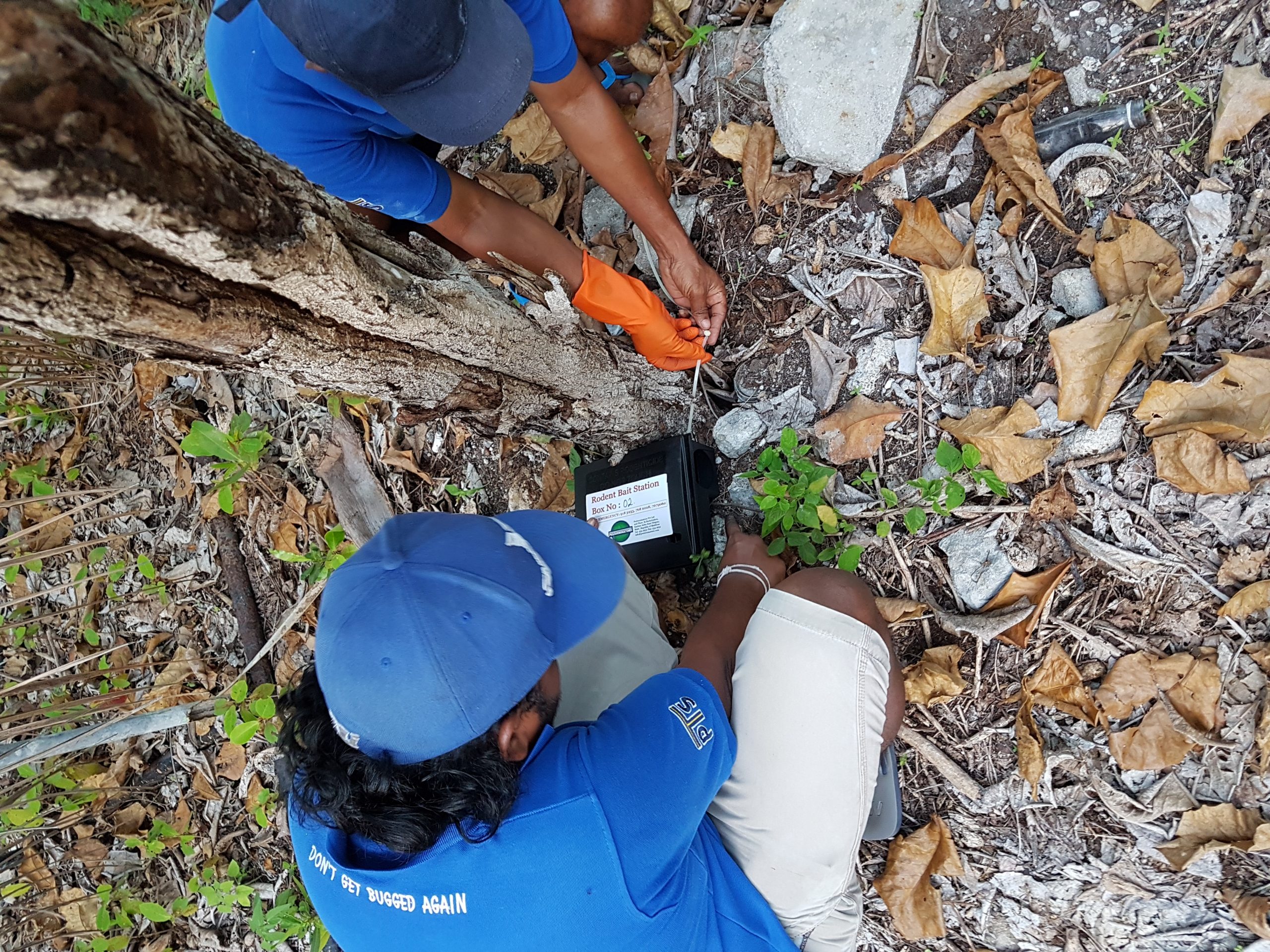
All bait must be delivered through tamper-resistant bait stations. These stations serve three purposes: they protect the bait from moisture and weather, they provide a sense of security for the rodents, and they shield non-target animals from direct access to the toxicant. Stations should be placed along established runways—the natural pathways rodents take between nests and food sources—rather than in open areas.
Comparative Analysis of Rodent Management Tactics
| Strategy | Primary Benefit | Operational Limitation |
|---|---|---|
| Exclusion | Long-term prevention | High initial labor and material cost |
| Sanitation | Eliminates attraction | Requires constant, daily maintenance |
| Snap Trapping | Immediate verification | Labor intensive; low throughput |
| Rodenticides | High population impact | Risk of non-target/secondary exposure |
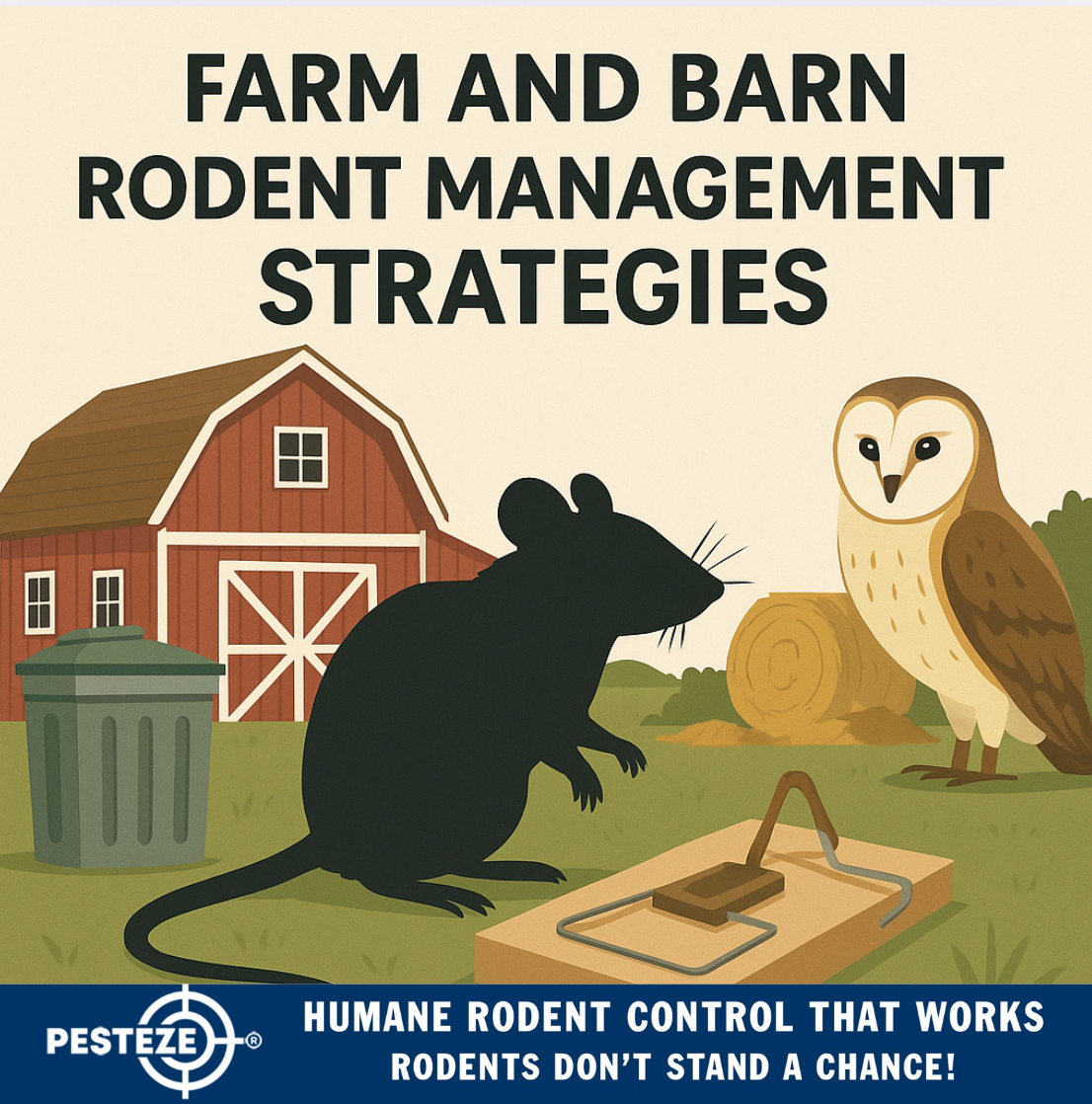
| Biological Control | Natural integration | Dependent on local raptor/predator population |
Best Practices for Monitoring and Maintenance
Effective management is not a one-time project but a continuous process. Agricultural environments are dynamic, and new rodents will naturally migrate into vacant niches. Establishing a permanent baiting and trapping grid involves placing stations at intervals of 20 to 50 feet, depending on the intensity of the infestation.
During peak harvest or cold weather months, frequency of inspections should increase. A "zero-tolerance" policy is recommended for high-value areas like grain storage or farrowing houses. If you observe bait consumption in a station that has been empty for months, it serves as a sentinel alert, indicating that a new group of rodents has breached the perimeter. Act immediately upon detection rather than waiting for structural damage to become visible.
Addressing Legal and Safety Compliance
Regulations regarding the use of pesticides in agricultural settings are managed by national and state environmental agencies. In 2026, many jurisdictions maintain strict labeling requirements regarding where specific compounds can be used. For instance, using certain rodenticides inside food-handling facilities is prohibited or restricted to specific, non-toxic monitoring baits.
Always consult the pesticide label—the "law of the land"—before application. The label dictates the necessary Personal Protective Equipment (PPE), the minimum distance from water sources, and the specific disposal methods for carcasses. Failure to follow these guidelines can result in regulatory fines and potential liability if non-target wildlife or livestock are harmed. When in doubt, partner with a licensed pest control professional who specializes in agricultural and commercial applications to ensure compliance with local statutes.
Troubleshooting Common Management Failures
If you find that your control measures are failing, start by reassessing the "bait shyness" or avoidance behavior of the population. Rodents are neophobic—they are suspicious of new objects in their environment. If a new bait station is introduced, it may take several days for rodents to become accustomed to it before they begin feeding.
Furthermore, ensure that you have not inadvertently provided an alternative, more attractive food source. If your bait is not being consumed, remove nearby spillages or waste; the rodents are likely choosing naturally occurring food over the bait. Finally, verify the species. If you are using rat-sized traps or bait setups for mice, the mice may be feeding around your control measures without triggering them.
Implementing Your Rodent Management Plan
Start by auditing your property to identify high-risk zones, specifically focusing on grain storage, livestock feed areas, and electrical infrastructure. Once high-risk areas are identified, initiate a sanitation and exclusion campaign to remove the conditions attracting the rodents. Once the environment is tightened, deploy mechanical traps and bait stations along documented runways. Record all inspection dates and bait consumption levels in a site log to track progress and identify trends in activity. For large-scale operations, consult with an extension specialist or a professional pest management consultant to develop a site-specific protocol that aligns with current regional guidelines and environmental safety standards.