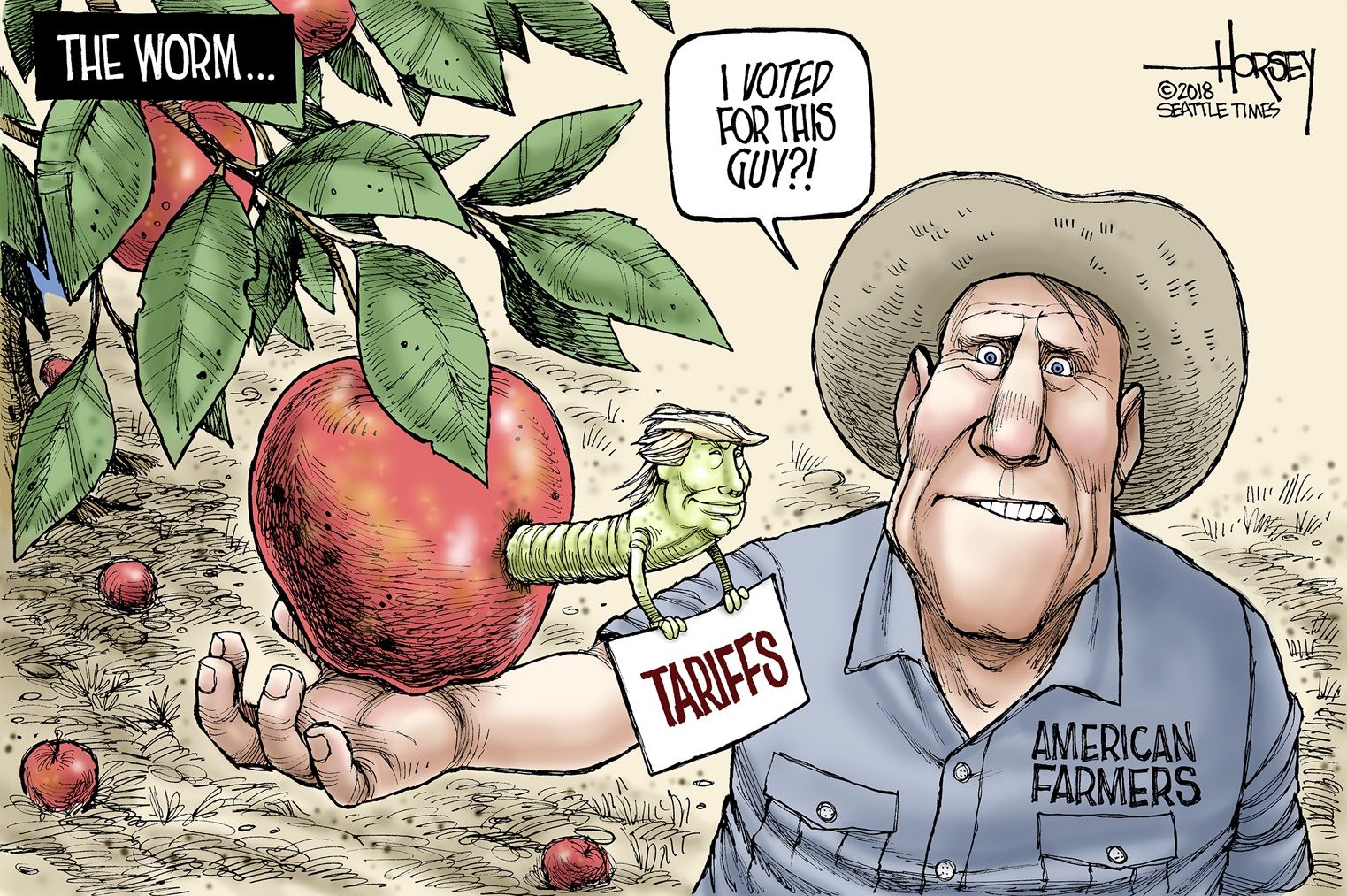
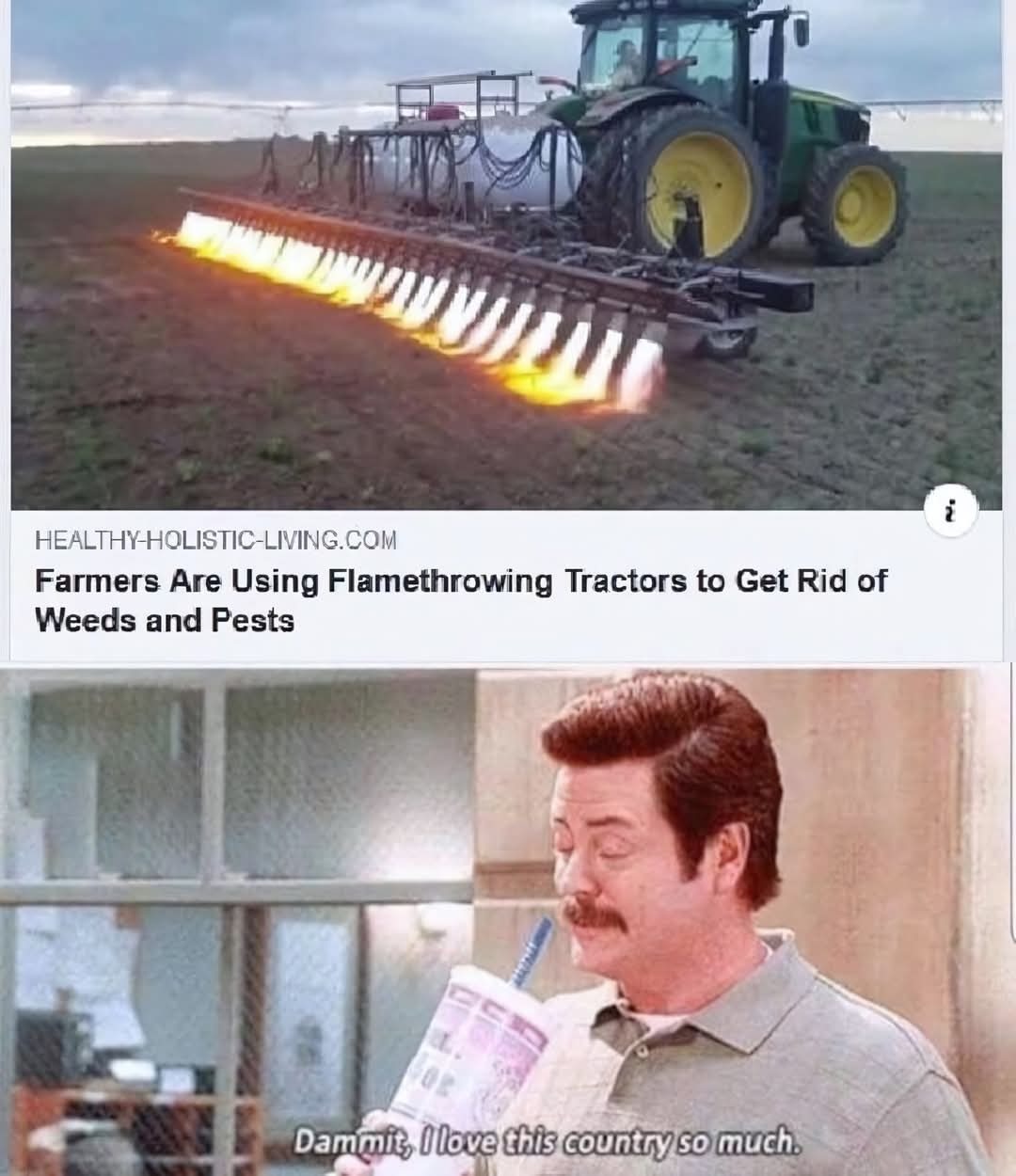
Agricultural memes serve as a primary form of digital social currency within the farming community, acting as a coping mechanism for the volatility of the industry, a bridge between traditional wisdom and modern technology, and a shorthand for the unique daily struggles faced by producers. These visual narratives offer a way to process high-stress events, equipment failures, and seasonal cycles through humor and shared experience, fostering community identity in an increasingly digitized rural landscape.
The Cultural Utility of Farming Humor
For decades, agrarian humor was confined to coffee shops, machinery dealerships, and localized gatherings. In the mid-2020s, that social exchange has migrated to social media platforms, where agricultural memes function as a modern folk tradition. The primary utility of these memes is communal resilience. Farming is inherently solitary and unpredictable; when a producer faces a delayed harvest due to unseasonable weather or a complex mechanical breakdown, sharing or viewing a meme about that specific ordeal validates their experience.
This humor helps normalize the "imposter syndrome" or the fatigue associated with managing volatile commodity markets. By turning these stressors into relatable, often self-deprecating visual jokes, the agricultural community creates a decentralized support network. The meme acts as a low-barrier communication tool, allowing farmers across different geographies—whether in the American Midwest or the Australian Outback—to acknowledge the universal challenges of the trade.
Bridging the Generational and Technological Divide
The transition from manual analog farming to precision agriculture has introduced significant friction in how knowledge is transferred. Agricultural memes often serve as a meta-commentary on this shift. For instance, content highlighting the frustration of "proprietary software lockouts" or the complexity of tractor telematics provides a space for older generations to vent about changing regulations, while allowing younger, tech-savvy producers to engage in ironic commentary on the reliance on GPS and automated steering.
These digital artifacts reduce the perceived gap between experienced producers and those entering the industry. When a veteran farmer sees a meme regarding the absurdity of a new tax form or an over-engineered sensor on a combine harvester, it reinforces a shared identity that transcends the specific technology being utilized. This digital discourse is essential for maintaining cohesion in an industry where labor shortages and urbanization are increasingly isolating the rural workforce.
Taxonomy of Agricultural Meme Content
Agricultural memes are not a monolith; they fall into distinct thematic categories that reflect the diverse operational needs and frustrations of the sector. Understanding these categories reveals how producers prioritize their challenges.
Common Meme Archetypes in Agriculture
| Archetype | Primary Theme | Objective |
|---|---|---|
| The Equipment Struggle | Mechanical failure and maintenance costs | Relatable frustration and catharsis |
| Market Irony | Commodity price fluctuations vs. input costs | Commentary on financial sustainability |
| Seasonal Burnout | Planting and harvest cycles | Acknowledgment of extreme labor demands |
| Technology vs. Tradition | Digital integration vs. mechanical simplicity | Critique of modern agricultural policy |
| Rural Lifestyle | Non-farmer perception vs. reality | Establishing industry boundaries |
The "Equipment Struggle" remains the most prevalent category. Given the high capital expenditure required for modern machinery, memes that poke fun at the exorbitant cost of parts or the specific annoyance of a dealership’s repair schedule are consistently the most shared content. These memes often carry a subtle, underlying critique of the lack of "Right to Repair" legislation, turning a political or legal grievance into a digestible cultural critique.
The Mechanics of Meme Circulation
The circulation of agricultural memes relies on closed-group ecosystems. Unlike mainstream pop-culture memes that go viral on public platforms, agricultural humor often thrives in private Facebook groups, WhatsApp channels, and specialized sub-forums dedicated to specific machinery brands (e.g., John Deere, Case IH, or Fendt).
The success of a meme in this environment depends on "insider knowledge." A meme that requires understanding how a specific row-crop planter behaves in wet clay soil is inherently more valuable to the target audience than a generic farming joke. This technical depth functions as a gatekeeper that strengthens the subculture. For producers, participating in these threads is not merely entertainment; it is an active form of networking. By engaging with content that requires specific technical proficiency, they affirm their belonging to a professional community that values specialized, hard-won expertise over superficial hobbyist participation.
Risks and Considerations for Producers
While the benefits of digital community building are clear, there are risks to relying on meme-based discourse. Misinformation can spread rapidly through these channels, particularly regarding chemical regulations, new EPA or state-level environmental mandates, and market forecasting. Because memes simplify complex realities to fit a visual format, they often omit critical legal or financial nuances.
Farmers should treat meme-derived information as "social sentiment" rather than factual or actionable data. When a meme suggests a change in safety protocols or suggests a specific fix for a high-voltage electrical system on a tractor, it is essential to verify this information against official operator manuals or government agency advisories. Relying on community consensus established in a meme thread can lead to voided warranties, safety hazards, or regulatory non-compliance.
Effective Engagement and Community Maintenance
To maximize the benefits of these digital spaces while minimizing risks, producers should practice selective engagement. Participating in groups that emphasize technical accuracy and peer-to-peer mentorship is significantly more productive than engaging with general-interest agricultural meme pages.
Steps for Informed Digital Participation
- Verify Official Sources: Never implement a technical or legal change based on a meme; cross-reference with dealership service portals or official agricultural extension offices.
- Assess the Context: Identify whether a meme is venting frustration (subjective) or suggesting an operational change (objective). Treat the former as community support and the latter as unverified noise.
- Prioritize Peer Quality: Engage in groups that require member verification or that have active, knowledgeable moderators. These environments are less likely to devolve into echo chambers for misinformation.
- Distinguish Policy from Humor: Understand when a meme is satirizing a real-world policy challenge. Use the awareness sparked by the meme as a prompt to research the actual legislative text or industry news report.
Navigating the Future of Digital Rural Identity
As we look toward the remainder of 2026 and beyond, the role of these digital interactions will likely grow. With the continued automation of agricultural tasks, the shared human experience of "man vs. machine" or "man vs. regulation" will become the central pillar of rural social cohesion. Producers who learn to distinguish between the cathartic relief of communal humor and the necessity of data-driven decision-making will be better positioned to navigate the complexities of modern, capital-intensive farming.
Frequently Asked Questions
Why do agricultural memes focus so heavily on equipment costs?
Agricultural memes focus on equipment costs because capital expenditure is the most significant point of anxiety for producers. The high cost of machinery repairs and the lack of independent repair options are shared grievances that create instant, deep-seated commonality across different types of farming operations.
Are agricultural memes a reliable source for industry news?
No. Memes are primarily for cultural expression and social venting. While they often highlight that a news event has occurred, they almost always lack the nuance, context, and factual accuracy required for professional decision-making. Always follow up on meme-based "news" with official agricultural publications.
How do memes affect the reputation of the farming profession?
They serve a dual purpose. Internally, they humanize the struggle of farming, keeping practitioners connected. Externally, however, they can inadvertently reinforce stereotypes if they are misinterpreted by the general public. It is important to remember that most industry-specific memes are designed for an "insider" audience and lack context for non-farmers.
Can memes be used to organize for advocacy?
Yes, they often act as a "call to attention." A well-crafted meme can highlight a legislative issue—such as land zoning or water rights—in a way that drives more producers to look at official petitions or policy briefings. However, the meme is only the spark, not the mechanism for effective advocacy.
Next Action: Curating Your Professional Feed
Your next step to effectively engage with digital agricultural culture is to audit your social media feeds. Unfollow accounts that thrive on sensationalism or misinformation, and focus your participation on professional associations or brand-specific forums where technical expertise is verified. Use the community’s humor to manage the psychological stresses of the profession, but keep your technical and financial decision-making processes strictly aligned with official documentation, peer-reviewed extension data, and legal counsel.