Aging wellness encompasses a proactive, multidimensional approach to health that emphasizes the maintenance of physical function, cognitive acuity, and emotional stability throughout the later stages of life. By integrating evidence-based lifestyle modifications with preventative medical screenings and social engagement, individuals can optimize their functional capacity and quality of life as they navigate the biological realities of advancing age.
Understanding the Pillars of Aging Wellness
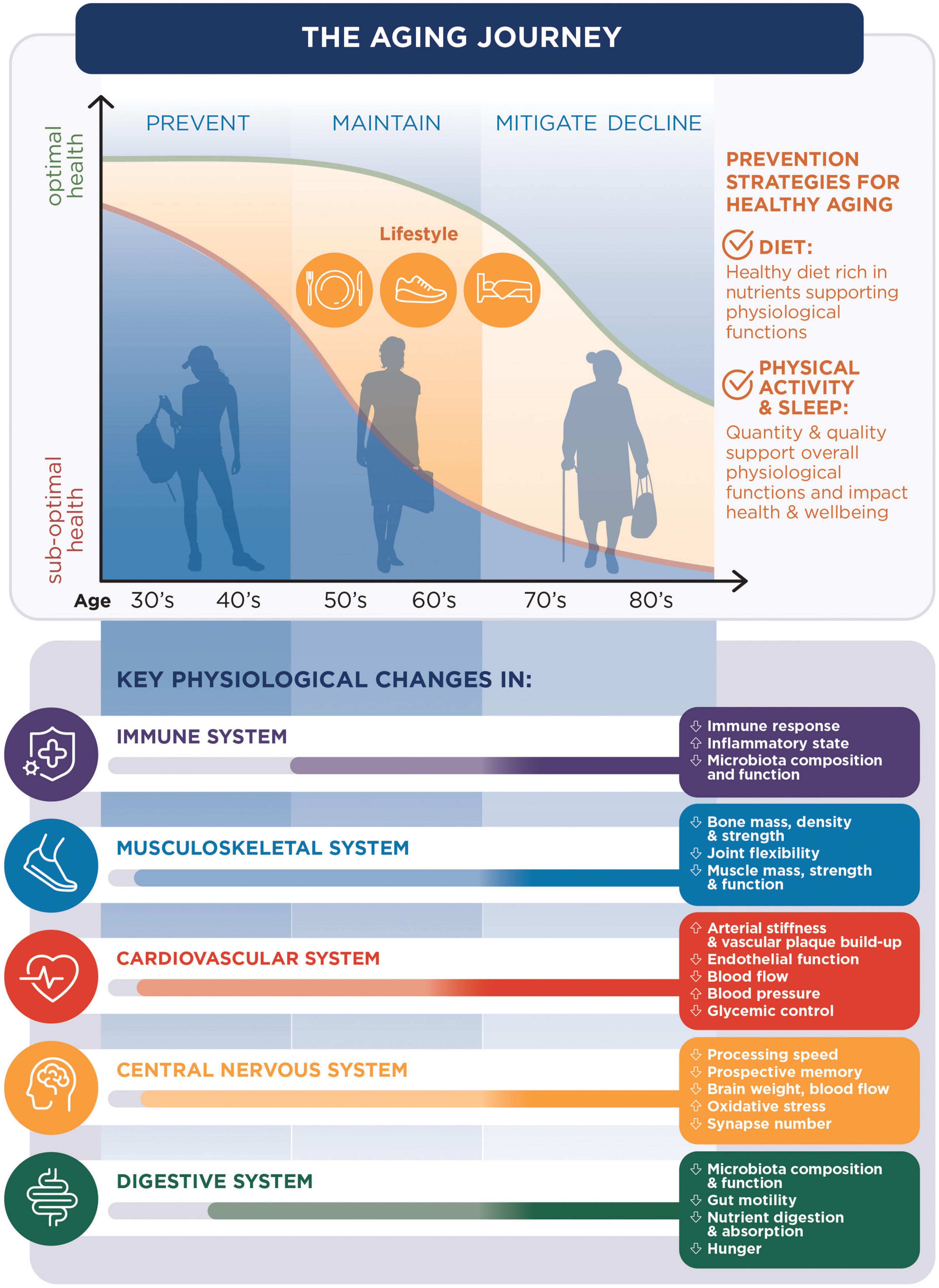
Aging wellness is not a singular goal but a systemic integration of biological, psychological, and social factors. As individuals transition through different life stages, the body undergoes predictable physiological changes, including a gradual decline in muscle mass, bone density, and metabolic efficiency. However, clinical evidence suggests that the rate and severity of these changes are significantly modifiable.
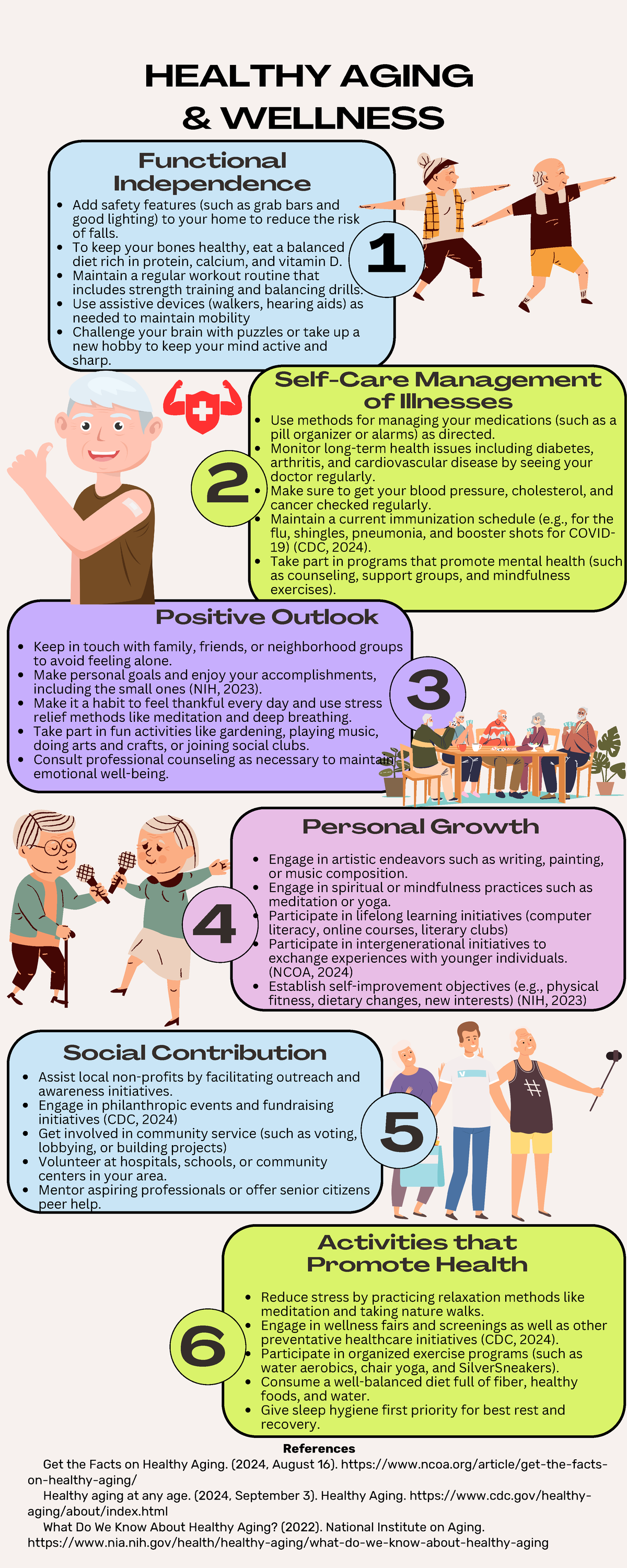
The core of this approach lies in the concept of "functional age," which prioritizes what an individual can do over their chronological age. Wellness in this context is defined by one's ability to maintain independence and engagement with daily activities. This requires a balanced focus on four specific domains: nutritional homeostasis, physical strength and flexibility, cognitive resilience, and environmental safety.
Nutritional Strategies for Sustaining Metabolic Health
Metabolic needs shift as one ages, primarily due to a natural reduction in basal metabolic rate (BMR). To maintain aging wellness, dietary focus must pivot toward nutrient density rather than caloric excess. Protein requirements, in particular, often increase for older adults to combat sarcopenia—the age-related loss of skeletal muscle mass and function.
Guidelines from the National Institute on Aging suggest prioritizing lean protein sources, such as legumes, fish, poultry, and fermented dairy products. Simultaneously, hydration management becomes critical, as the sensation of thirst often diminishes with age, leading to an increased risk of dehydration, which can exacerbate cognitive confusion and orthostatic hypotension. Supplementation should be approached with caution and directed by a physician, particularly concerning Vitamin D, B12, and calcium, as excess intake can interact negatively with chronic medication regimens.
Physical Function and Musculoskeletal Preservation
Maintaining physical autonomy requires more than just cardiovascular exercise. The most effective wellness protocols for aging prioritize a hybrid approach involving resistance training, balance work, and aerobic conditioning.
- Resistance Training: Lifting weights or using resistance bands at least twice weekly is essential for stimulating bone density and preserving lean tissue.
- Balance and Proprioception: Incorporating activities like Tai Chi or dedicated stability drills reduces the risk of falls, which are a primary cause of injury and subsequent decline in mobility.
- Aerobic Conditioning: Moderate-intensity activities, such as brisk walking, swimming, or cycling, support cardiovascular health and improve oxygen utilization across the body.
The objective is to achieve a consistent cadence of movement that does not place excessive strain on joints but provides enough stimulus to keep the cardiovascular and musculoskeletal systems resilient.
Cognitive Health and Neurological Resilience
Cognitive decline is often associated with aging, yet substantial research indicates that neuroplasticity—the brain's ability to reorganize and form new neural connections—persists well into later life. Wellness in this domain involves constant mental stimulation and the management of cardiovascular risk factors, as blood flow to the brain is a primary determinant of neurological health.
Engaging in complex, novel tasks—such as learning a new language, mastering a musical instrument, or participating in strategic games—promotes cognitive reserve. Furthermore, sleep hygiene is paramount. Chronic sleep disturbances are linked to the accumulation of metabolic waste products in the brain, which may contribute to long-term neurodegenerative processes. Establishing a consistent sleep-wake schedule and optimizing the sleeping environment are fundamental wellness interventions.
Comparison of Wellness Interventions by Focus Area
| Focus Area | Primary Intervention | Anticipated Benefit | Frequency Requirement |
|---|---|---|---|
| Metabolic | High-Protein Diet | Muscle maintenance | Daily |
| Physical | Strength Training | Bone density preservation | 2–3 times/week |
| Neurological | Novel Learning | Cognitive reserve | Constant |
| Stability | Balance Training | Fall prevention | 3+ times/week |
| Social | Community Engagement | Stress reduction | Ongoing |
Addressing Emotional Well-being and Social Connectivity
The psychological dimension of aging wellness is often overlooked, yet social isolation is a documented risk factor for mortality. Emotional wellness is anchored in the maintenance of meaningful relationships and the sense of purpose. Strategies for maintaining this include participation in community groups, maintaining intergenerational connections, and structured volunteering.
Stress management techniques, such as mindfulness meditation or cognitive behavioral techniques (CBT), can help individuals cope with the inevitable life transitions associated with aging, such as retirement, the loss of peers, or changes in physical capacity. By managing the emotional load of these transitions, individuals can avoid the physiological impacts of chronic stress, such as systemic inflammation and elevated cortisol levels.
The Role of Preventative Medicine and Screening
A crucial aspect of aging wellness is the transition from reactive to proactive medical engagement. This involves scheduled screenings that allow for the early detection and management of chronic conditions. Common screenings include, but are not limited to, dual-energy X-ray absorptiometry (DEXA) scans for bone health, lipid panels for cardiovascular monitoring, and routine cognitive assessments.
It is imperative that older adults maintain an organized record of medications and supplements to prevent adverse interactions. Periodic "medication reviews" with a pharmacist or primary care provider are essential, as the body’s ability to process pharmaceuticals often changes over time. Always consult with a licensed healthcare professional before beginning new exercise programs or significant dietary changes to ensure they are appropriate for your individual medical history.
How to Begin Your Aging Wellness Plan
The most effective way to start an aging wellness plan is to establish a baseline of your current functional abilities. Schedule a comprehensive physical examination with a provider who specializes in geriatric medicine. Once you have a clear understanding of your current health markers, follow these steps:
- Assess your environment: Ensure your living space is free of trip hazards, such as loose rugs or poor lighting.
- Review your diet: Consult a dietician to ensure your protein and micronutrient intake matches your current activity level.
- Set manageable goals: Start with small, sustainable changes—such as adding ten minutes of movement to your day—before progressing to more intensive regimens.
- Document your progress: Keep a log of your physical activity, diet, and cognitive exercises to identify patterns and maintain motivation.
Frequently Asked Questions
What constitutes a realistic goal for physical activity in one's 70s?
The objective should be to hit the standard recommendation of 150 minutes of moderate-intensity aerobic activity per week, complemented by two days of strength training. However, the exact intensity must be determined by a physical therapist or physician to ensure it matches your current joint health and cardiovascular status.
Can cognitive decline be entirely prevented through wellness activities?
While no intervention can guarantee the prevention of all forms of cognitive decline, research suggests that a healthy lifestyle can build "cognitive reserve." This allows the brain to continue functioning effectively even if some neuropathological changes occur. Lifestyle modifications focus on delaying the onset of symptoms and maintaining quality of life.
Should I be concerned about high-intensity interval training (HIIT)?
HIIT can be an effective way to improve cardiovascular health, but it carries higher risks of injury for older adults. If you are interested in high-intensity training, it is essential to first build a solid foundation of baseline fitness through moderate exercise and obtain clearance from a cardiologist or primary care provider.
How often should a medication review occur?
Medication reviews should occur at least annually, or immediately following any new diagnosis or changes in your daily health status. Polypharmacy—the use of multiple medications—becomes more common as we age and requires careful coordination to avoid negative side effects.
What is the most important factor for long-term aging wellness?
Consistency is the most vital component. Aging wellness is a cumulative process; small, sustainable habits maintained over years are far more impactful than intermittent, high-intensity efforts. The integration of social, mental, and physical health creates a robust defense against age-related decline.