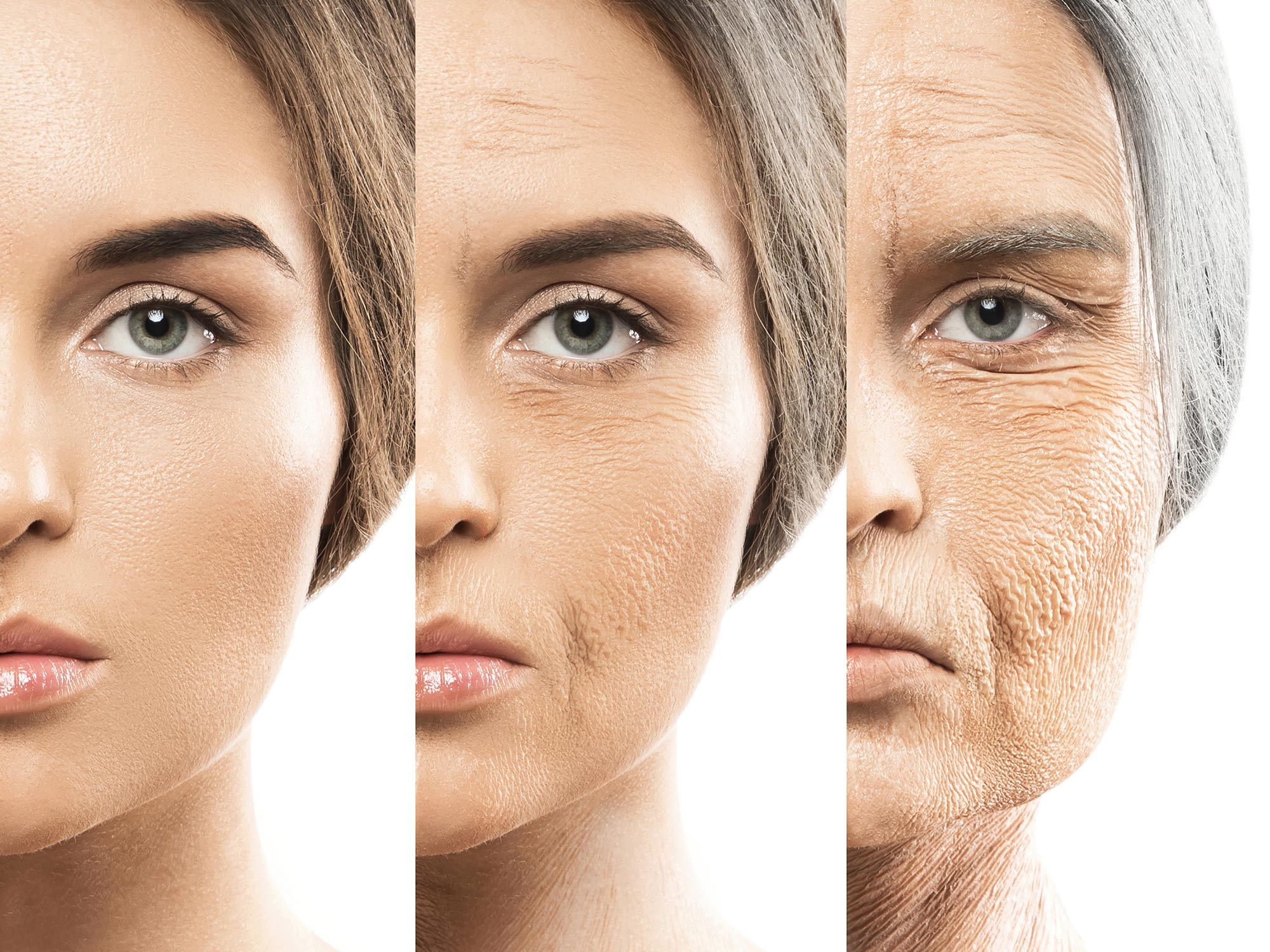
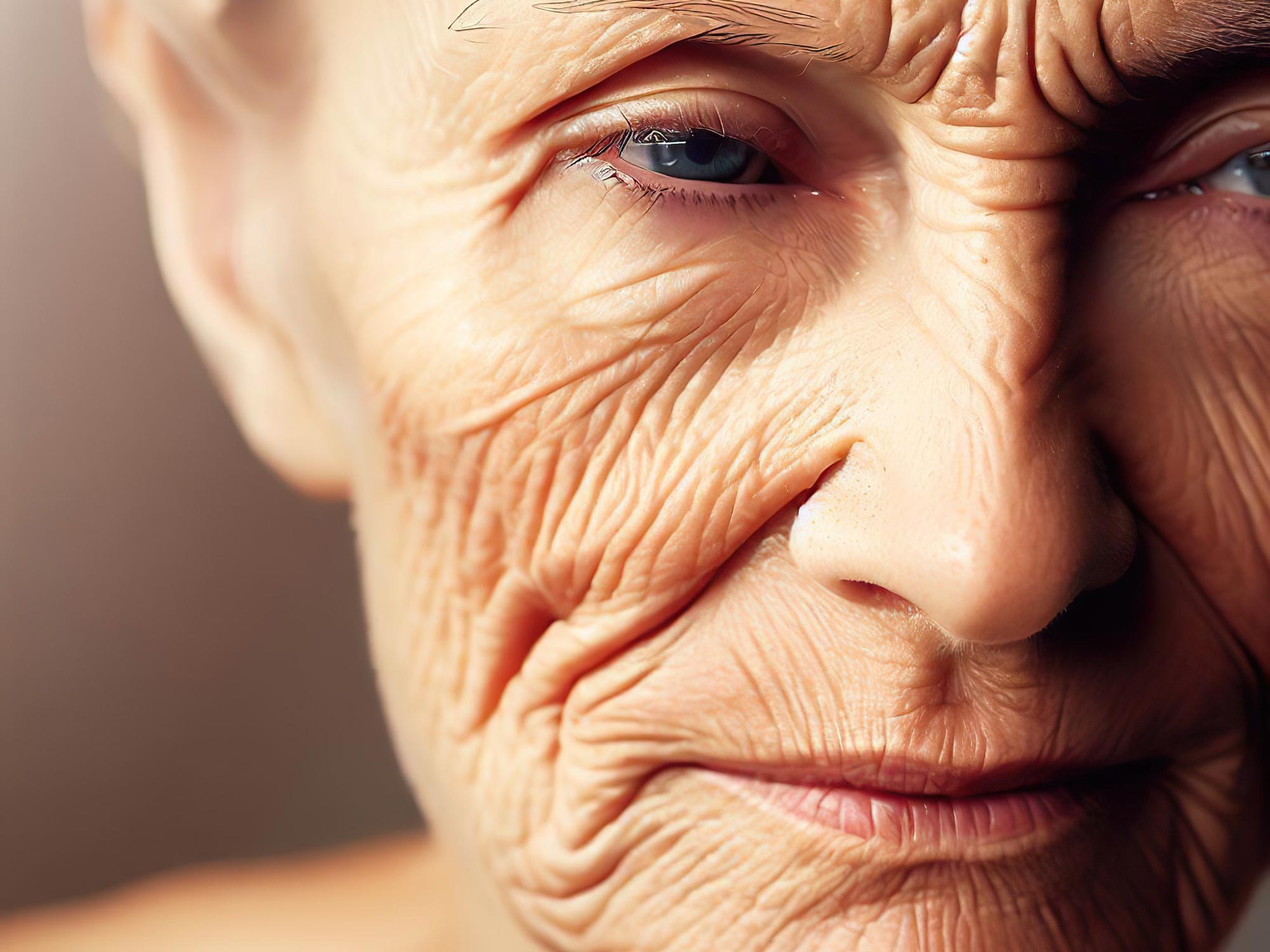
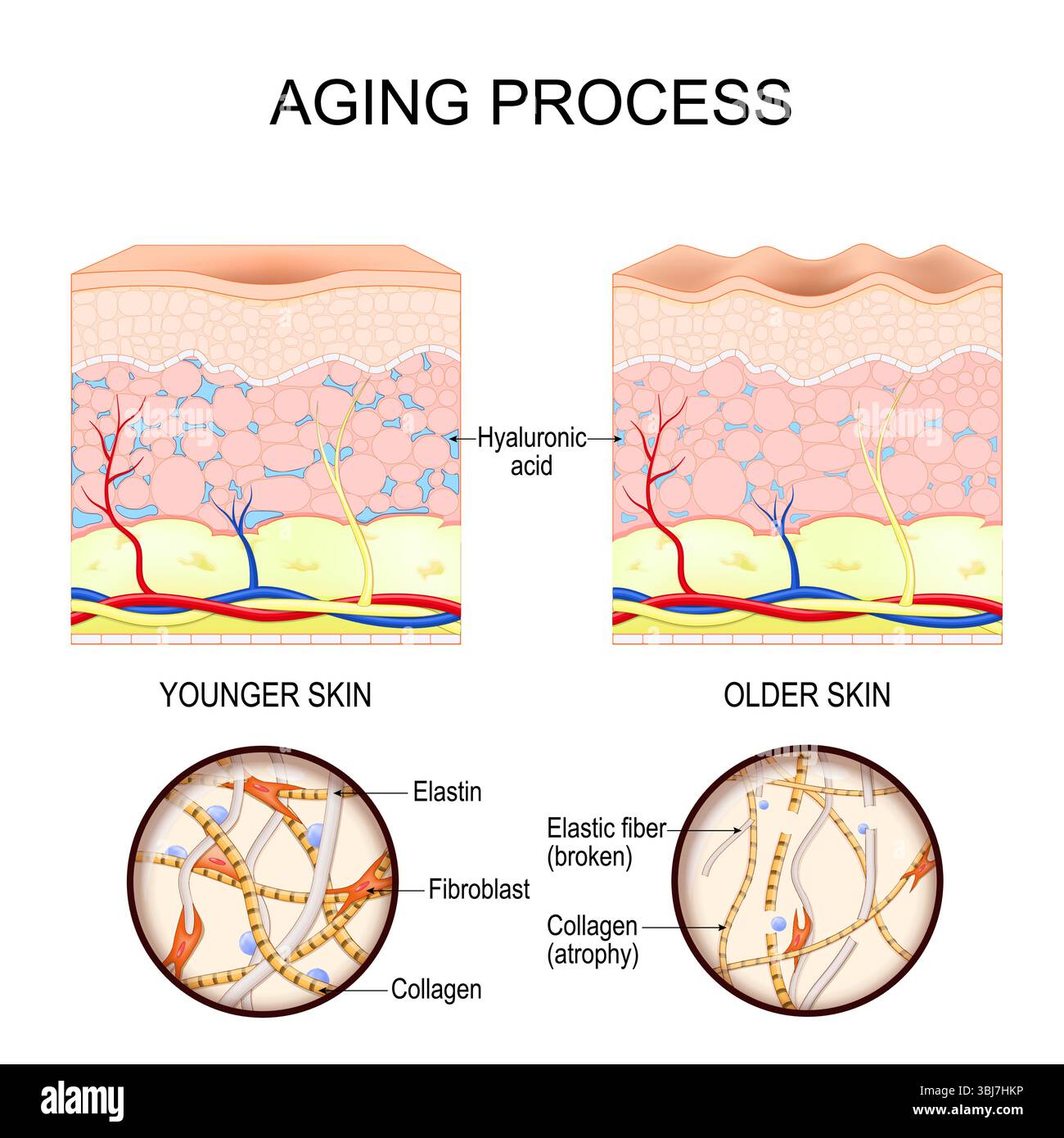
Aging skin is a dynamic biological process characterized by the gradual loss of structural integrity, elasticity, and hydration, driven by a combination of intrinsic genetic factors and extrinsic environmental exposures. Managing skin health in 2026 involves a combination of preventative sun protection, targeted topical interventions, and professional dermatological procedures designed to support collagen synthesis and barrier function.
The Biology of Skin Maturation
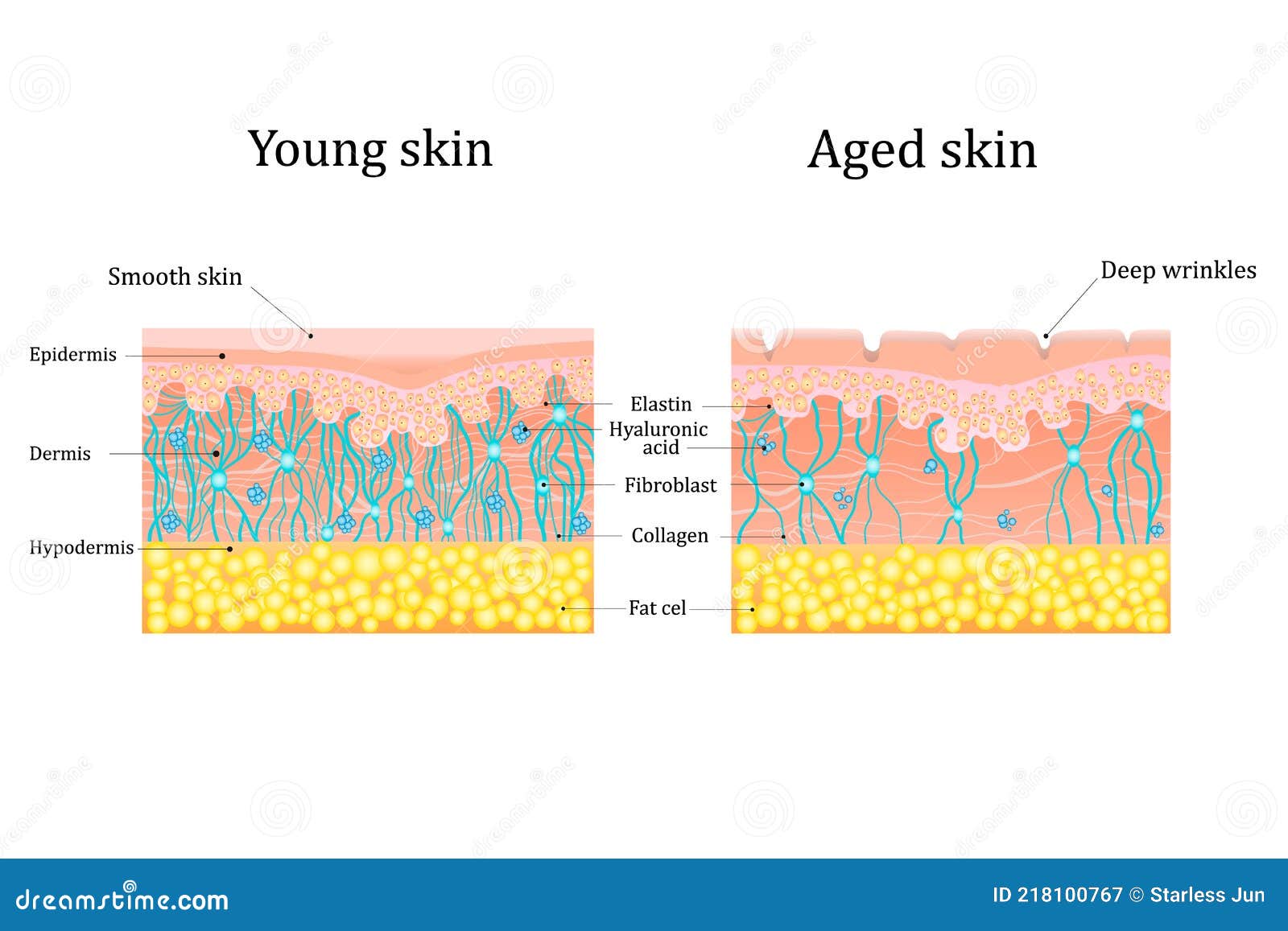
The skin is the largest organ of the human body and undergoes significant physiological changes over time. Structurally, the skin consists of the epidermis, the dermis, and the hypodermis. As individuals age, the turnover rate of keratinocytes in the epidermis slows down, leading to a thinner, more fragile surface layer. This reduction in cell renewal contributes to a duller appearance and diminished wound-healing capabilities.
In the dermis, the primary structural proteins—collagen and elastin—begin to degrade and undergo cross-linking, which reduces the skin’s tensile strength and ability to "snap back" after deformation. Concurrently, the production of hyaluronic acid, a critical humectant that retains moisture, declines. This loss of internal hydration, combined with reduced sebum production from the sebaceous glands, often results in xerosis, or chronic dryness, which is a hallmark of mature skin.
Extrinsic Factors and Photodamage
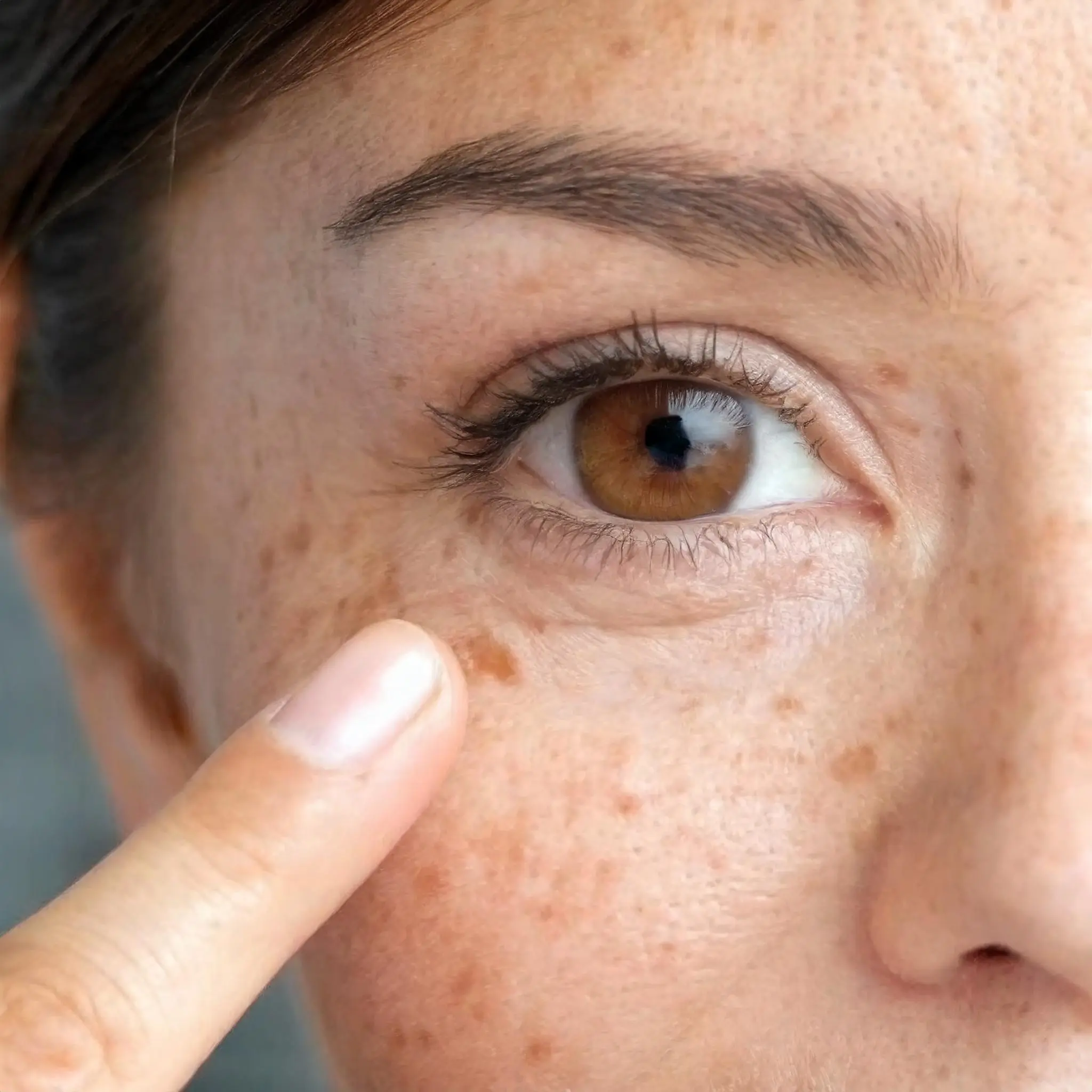
While intrinsic aging is dictated by genetics and hormonal fluctuations, extrinsic aging is primarily the result of environmental stressors. The most significant contributor to premature aging is ultraviolet (UV) radiation. Chronic exposure to UVA and UVB rays causes the accumulation of reactive oxygen species (ROS), which damage cellular DNA and activate matrix metalloproteinases—enzymes that further break down collagen fibers.
Beyond UV exposure, lifestyle factors such as tobacco use, chronic sleep deprivation, and nutritional status impact skin longevity. Pollution and high-energy visible (HEV) light, often emitted by digital screens, have also been identified as contributing factors to oxidative stress in the skin. Recognizing these external variables is essential, as they are largely modifiable through protective behaviors and consistent skincare regimens.
Foundational Skincare Requirements
Maintaining skin health requires a multi-layered approach that addresses both protection and repair. By 2026, the consensus among dermatological professionals remains focused on three pillars: protection, active treatment, and barrier maintenance.
Sun Protection
The most effective anti-aging intervention remains daily broad-spectrum sun protection. UV radiation is responsible for up to 80% of visible facial aging. Using a sunscreen with an SPF of at least 30, formulated for the individual’s specific skin type, is the baseline requirement. Mineral-based filters, such as zinc oxide or titanium dioxide, are often recommended for sensitive skin, while chemical filters may offer a more cosmetically elegant finish for daily wear.
Topical Retinoids
Retinoids, including retinol, retinaldehyde, and prescription-strength tretinoin, remain the gold standard in topical dermatology. These Vitamin A derivatives work by accelerating cellular turnover and stimulating fibroblast activity, which encourages new collagen production. Because retinoids can cause irritation, initiating use with low concentrations and gradually increasing frequency is the standard protocol for minimizing adverse effects.
Humectants and Barrier Support
Mature skin requires robust support for the stratum corneum—the skin's outermost barrier. Ingredients like ceramides, fatty acids, and cholesterol help restore the lipid bilayer, preventing transepidermal water loss (TEWL). Hyaluronic acid and glycerin are essential for drawing moisture into the epidermis, providing immediate plumping effects that mitigate the appearance of fine lines caused by dehydration.
Comparative Overview of Common Interventions
The following table summarizes common approaches to addressing the signs of aging, categorizing them by the depth of intervention and the nature of the results.
| Intervention Type | Primary Mechanism | Typical Duration | Expected Outcome |
|---|---|---|---|
| Topical Retinoids | Cellular turnover stimulation | Long-term (months) | Improved texture and tone |
| Chemical Peels | Controlled exfoliation | Periodic | Reduction in pigmentation |
| Laser Resurfacing | Thermal collagen remodeling | Medium-term | Smoothing of deep rhytids |
| Injectable Fillers | Volumizing dermal space | Temporary (6–18 months) | Restoration of lost volume |
| Neurotoxins | Neuromuscular inhibition | Temporary (3–4 months) | Reduction of expression lines |
Professional Procedures and Technical Considerations
When over-the-counter and clinical-grade topical treatments are insufficient, patients often seek professional interventions. It is critical to consult with a board-certified dermatologist or qualified medical aesthetic professional to assess suitability, as procedures carry inherent risks including scarring, infection, or hyperpigmentation.
Energy-based devices, such as fractional CO2 lasers or radiofrequency (RF) microneedling, operate by creating microscopic thermal injuries to the dermis. The body’s healing response to these injuries triggers a robust collagenesis phase. While these procedures provide significant aesthetic improvements, they require downtime and careful post-procedural care, including strict sun avoidance and the use of gentle, non-irritating barrier-repair products.
Injectable treatments, such as hyaluronic acid-based dermal fillers and botulinum toxin type A, address specific anatomical changes. Fillers are utilized to replace volume loss in areas such as the mid-face or lips, whereas neurotoxins target the muscles responsible for dynamic lines, such as those found on the forehead and around the eyes.
Frequently Asked Questions
Is it possible to reverse existing signs of aging skin?
While true biological reversal is not currently possible, the visible signs of aging can be significantly improved. Treatments like retinoids and laser therapy can stimulate collagen production, which helps thicken the dermis and smooth out surface textures, effectively "reversing" the appearance of damage even if the underlying cellular age remains unchanged.
At what age should an anti-aging routine begin?
Preventative measures, particularly sun protection, should begin in childhood. Targeted anti-aging treatments, such as retinoids or antioxidants, are typically introduced in the late twenties or early thirties, as this is when the natural decline in collagen production typically begins to manifest visually.
Do lifestyle choices truly impact skin aging?
Yes, lifestyle factors play a major role. A diet high in antioxidants, adequate hydration, and the cessation of smoking can significantly reduce systemic inflammation. Since the skin is the body's final destination for nutrients, systemic health is directly reflected in cutaneous appearance.
Are natural skincare products as effective as clinical formulations?
"Natural" is an unregulated marketing term in many jurisdictions. While some plant-derived ingredients possess antioxidant properties, clinical formulations are often preferred because they undergo standardized stability and efficacy testing. Efficacy in skin aging relies on the molecule’s ability to penetrate the skin barrier and interact with biological pathways, which is most reliably achieved through evidence-based, lab-verified formulas.
How do I know if my skin barrier is damaged?
Common indicators of a compromised skin barrier include persistent tightness, stinging upon product application, redness, and unexplained flakiness. If these symptoms occur, it is advisable to stop the use of active ingredients like retinoids or acids and focus entirely on gentle cleansing and lipid-rich moisturizers until the skin's sensitivity returns to baseline.
Next Steps for Skin Maintenance
The most practical starting point for managing aging skin is an assessment of current sun protection habits. Ensure that a broad-spectrum sunscreen is applied every morning, regardless of season or weather conditions. If you have not yet integrated a retinoid into your routine, consult a healthcare provider to determine the appropriate concentration and application schedule based on your skin’s baseline sensitivity. For those observing significant changes in volume or texture, a consultation with a dermatologist can provide a personalized roadmap that balances non-invasive topical treatments with safe, effective clinical procedures.