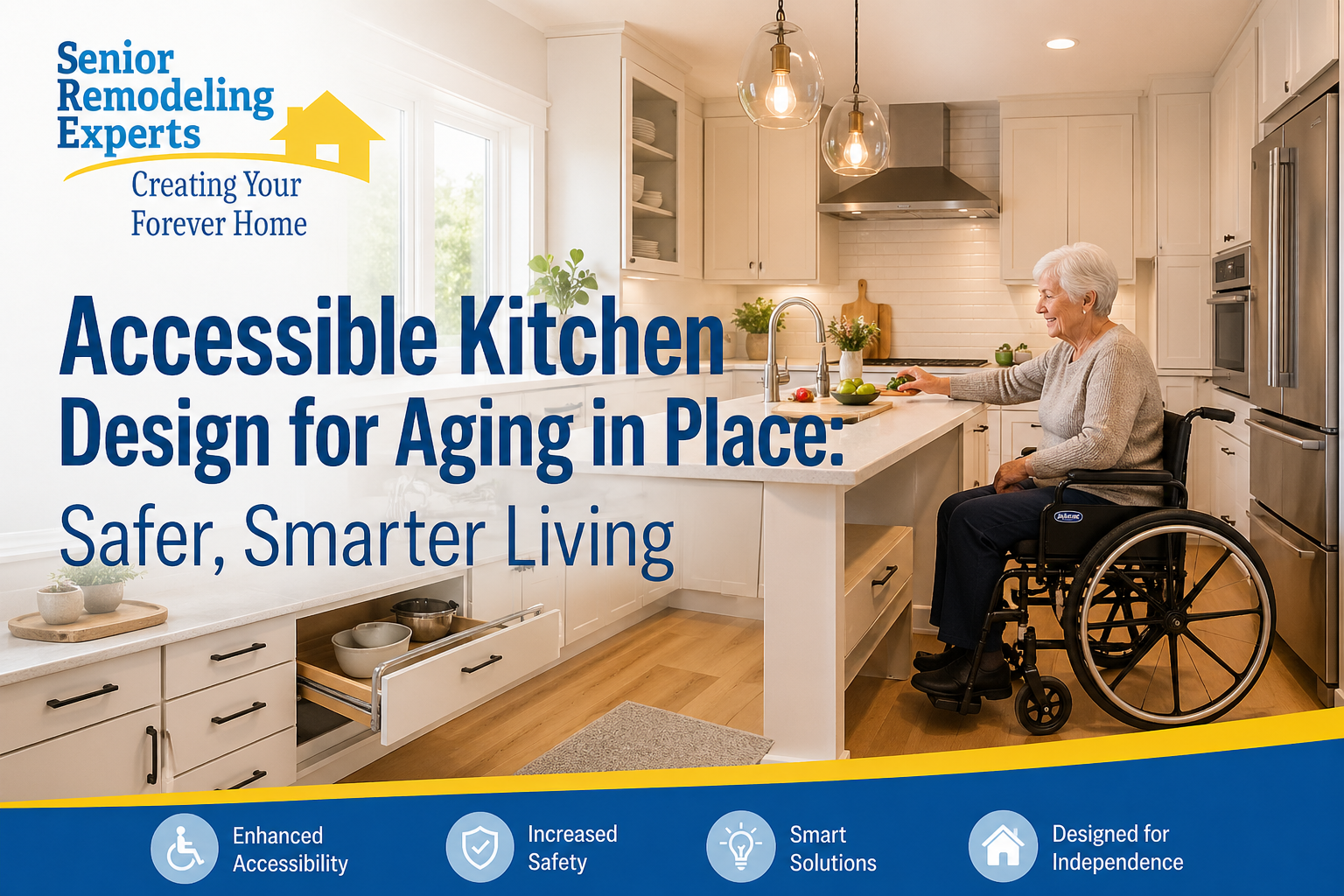
Aging in place in Barrow, Alaska, presents unique logistical and environmental challenges due to the region's extreme Arctic climate, remote infrastructure, and specialized housing requirements. Successful aging in place—the ability to live in one’s own home and community safely, independently, and comfortably, regardless of age, income, or ability—requires a proactive assessment of residential structural integrity, access to essential medical services, and the integration of community support systems tailored to the North Slope Borough.
Assessing the Arctic Environment for Home Longevity
Living at the northernmost point of the United States means that the physical structure of a home is the first line of defense for senior health. Unlike residential projects in more temperate climates, aging in place in Barrow requires meticulous attention to building foundations, insulation, and the management of permafrost-related structural shifts. Before initiating interior modifications, homeowners must evaluate the integrity of the home's thermal envelope.
As of 2026, energy efficiency is not merely a cost-saving measure but a safety requirement. Harsh winters and extreme wind chills can lead to rapid heat loss if sealants, doors, and windows are not appropriately winterized. For seniors, a cold house increases the risk of hypothermia and complicates existing chronic conditions. Modifications should start with the "envelope"—ensuring that vapor barriers are intact and that windows are double- or triple-paned to minimize drafts that can trigger respiratory issues or discomfort.
Interior Modifications for Safety and Mobility
The core of aging in place involves converting standard living spaces into accessible environments. The primary objective is to eliminate fall hazards, which are statistically more dangerous in environments where medical response times can be impacted by severe weather conditions.
- Entryways and Mudrooms: In Barrow, the entryway is a critical transition zone. It must be cleared of ice and snow year-round. Installing heated walkways or ramps with high-traction, non-slip surfaces is essential. A robust, covered entryway prevents snow buildup and allows for the safe removal of heavy arctic gear.
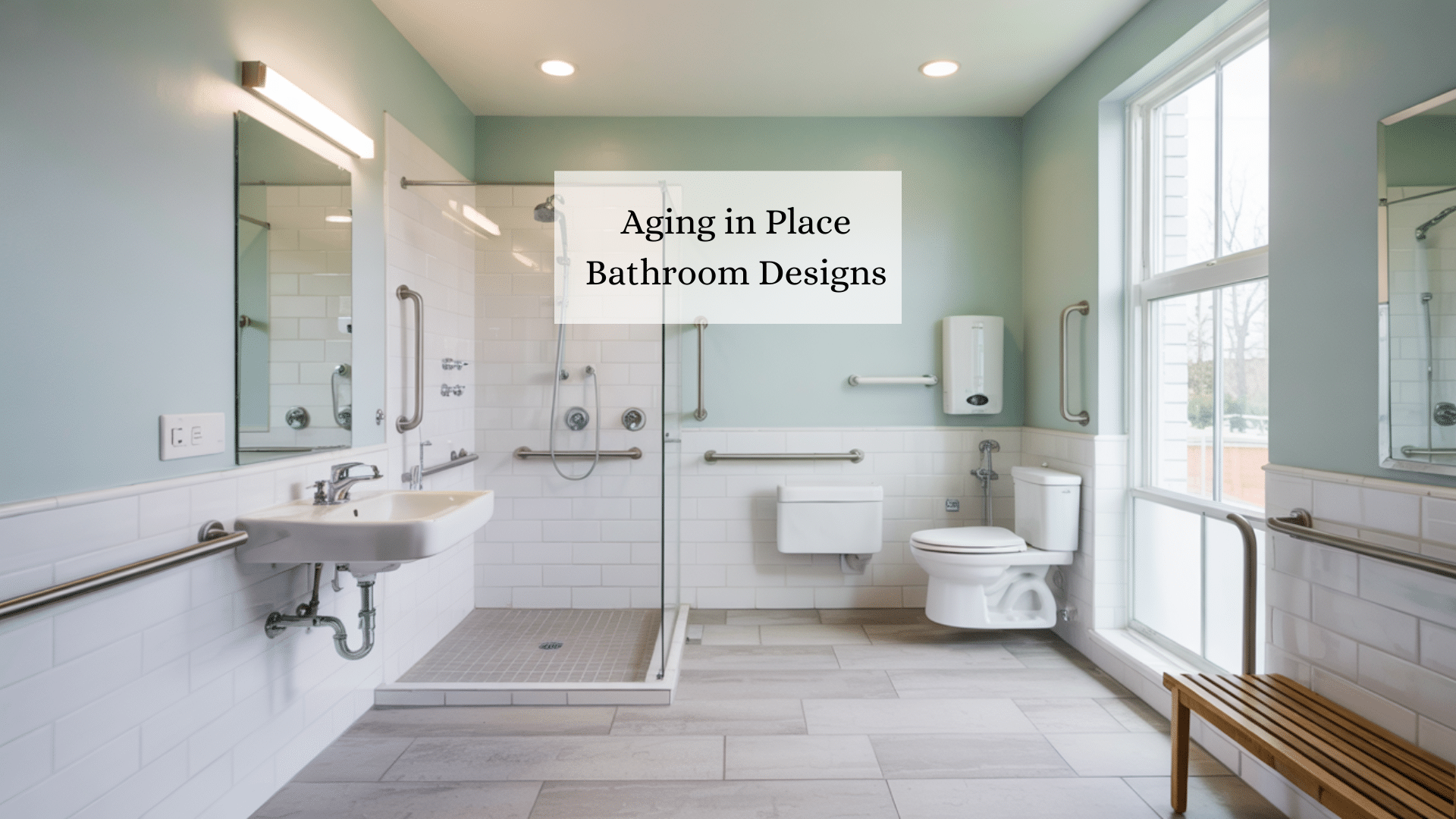
- Bathroom Accessibility: Converting traditional tubs to walk-in showers with grab bars and built-in benches is the single most effective modification for preventing bathroom falls. The floor surface should be slip-resistant, even when wet.
- Lighting and Visual Contrast: Given the long periods of darkness during the winter months, high-intensity, full-spectrum interior lighting is necessary to maintain circadian rhythms and prevent tripping. Utilizing color-contrast strips on stair treads can help those with visual impairments navigate floor changes safely.
Community Support and Service Integration
Infrastructure in Barrow is distinct due to its relative isolation. Reliance on the North Slope Borough’s public services and local health providers is a reality of life in the Arctic. Aging in place requires a coordinated effort between the homeowner, local social workers, and potential caregivers.
Health services provided through the Samuel Simmonds Memorial Hospital serve as the anchor for elderly residents. Establishing a proactive relationship with local healthcare providers is necessary for maintaining a long-term care plan. This includes medication management and scheduling consistent check-ins. Because the "community" aspect of aging in place is vital, residents should identify local networks—including family, tribal resources, or municipal programs—that provide assistance with tasks that may become difficult, such as hauling water or managing snow removal from roofs.
Financial Planning and Resource Allocation
Budgeting for home modifications requires an understanding of the high cost of materials and labor in Arctic Alaska. Shipping construction materials to the North Slope significantly inflates the cost of even minor renovations.
Homeowners should verify eligibility for regional or state-level assistance programs that may subsidize accessibility improvements. While federal programs like the Department of Housing and Urban Development (HUD) offer broad guidelines, their application in the North Slope Borough is often mediated through local housing authorities or tribal organizations. Planning should involve a detailed cost-benefit analysis of specific modifications, prioritizing structural changes that provide the highest return on safety, such as improved heating systems and bathroom accessibility.
Comparison of Key Home Accessibility Features
The following table compares essential modifications suited for the arctic climate against standard modifications used in other regions.
| Modification | Standard Approach | Arctic/Barrow Adaptation |
|---|---|---|
| Entryway | Standard ramp with handrails | Heated, covered ramp with high-traction surfaces |
| Windows | Double-pane glass | Triple-pane, vacuum-insulated thermal glass |
| Flooring | Standard linoleum or wood | Slip-resistant, high-durability, cold-weather rated |
| Lighting | Task lighting | Full-spectrum, high-lumen, automated timing systems |
| Heating | Central heating | Redundant systems (Primary + Backup generators) |
Troubleshooting Common Barriers
One of the most frequent hurdles for seniors in the region is the failure of utility systems during extreme weather. A primary strategy for successful aging in place is the maintenance of "secondary systems." If the main power grid experiences an outage, a backup generator must be readily accessible and maintained by someone physically capable of operating it. If the resident is unable to manage this, a formal agreement with a neighbor or a professional service provider is mandatory before a crisis occurs.
Another challenge is "social isolation" during the long winter months. Mental health is a component of physical aging. Integrating technology, such as satellite-linked high-speed internet, allows for regular video communication with distant family members and access to telehealth appointments, which are becoming standard practice in the North Slope Borough.
Frequently Asked Questions
What are the first steps for a senior resident looking to age in place in Barrow?
The first step is a professional home safety assessment. This involves identifying specific physical barriers—such as narrow doorways, high thresholds, or poor lighting—that could lead to a fall. Residents should contact the North Slope Borough Department of Health and Social Services to inquire about current assessment programs or recommended local contractors experienced in Arctic building codes.
How do I maintain home warmth during a power outage?
Having a secondary, non-electric heat source is critical. Wood stoves or specialized propane heaters, when installed and maintained to code, provide a necessary safety net. Ensure that carbon monoxide detectors are hardwired and equipped with battery backups to account for potential power failures.
Are there specific building codes for home modifications in the North Slope?
Yes. All modifications must comply with the North Slope Borough’s building standards, which account for extreme wind loads, permafrost stability, and cold-climate thermal performance. Always consult with a licensed contractor who is familiar with regional Arctic engineering requirements before starting any structural changes.
How can I ensure I receive necessary medical support at home?
Telehealth has become a vital resource. Contact the Samuel Simmonds Memorial Hospital to register for any available remote monitoring services. Additionally, ensure that your medical records are up-to-date and that you have a documented emergency plan that includes a list of local emergency contacts, power-independent communication methods, and a supply of critical medications stored for extended weather events.
What is the most important structural consideration for an older home?
Foundation stability is the most critical factor. Because foundations in Barrow are often built on pilings to protect the permafrost, any shifting or settling can cause doors to jam, walls to crack, and floors to become uneven. Regular, annual inspections of the structural pilings are necessary to ensure the home remains level and safe for mobility.
Recommended Next Actions
To successfully transition into long-term independent living in Barrow, begin by establishing a "Safety Audit" file. Document the age and condition of your heating and electrical systems, and confirm that your home has a dual-power source capability. Next, reach out to the North Slope Borough Senior Services office to obtain a current list of local contractors and available financial assistance programs for accessibility renovations. Prioritize the installation of grab bars and the adjustment of entryway surfaces during the summer construction window, when weather conditions are most favorable for specialized labor and material delivery.