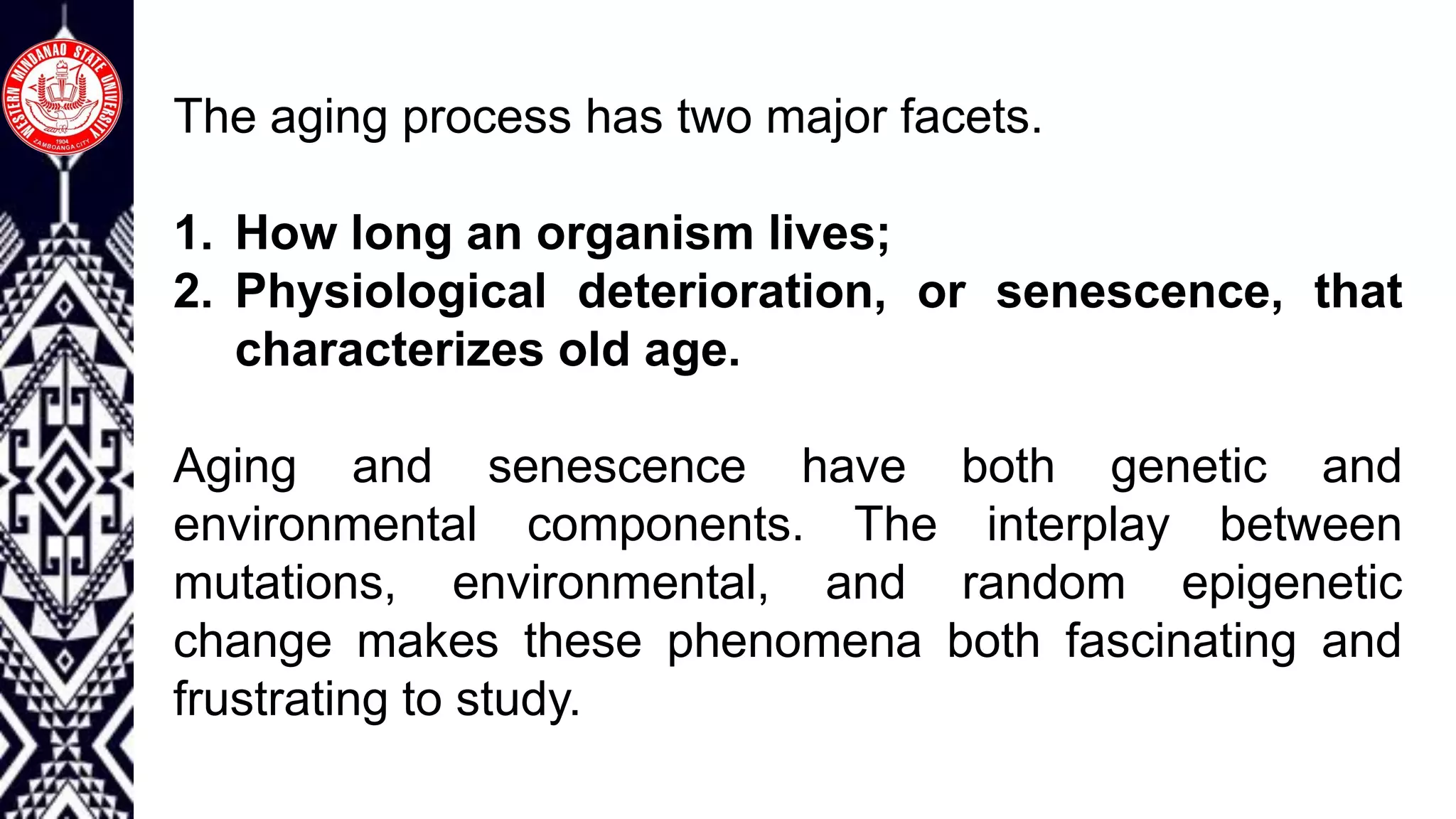
Aging and longevity represent the intersection of genetic predisposition, cellular maintenance, and cumulative environmental exposure, defined by the gradual decline of physiological function over time. Achieving increased healthspan—the duration of life spent in good health—requires a strategic approach to metabolic regulation, physical resilience, and evidence-based preventive health practices that address the hallmarks of biological aging.
The Biological Framework of Aging
At the molecular level, aging is characterized by a series of interconnected processes known as the hallmarks of aging. These include genomic instability, telomere attrition, epigenetic alterations, loss of proteostasis, and mitochondrial dysfunction. As these processes accumulate, the body’s ability to repair cellular damage diminishes, leading to the systemic decline often associated with age-related chronic conditions.
Genomic instability occurs as DNA accumulates damage from both external factors, such as UV radiation and toxins, and internal metabolic byproducts. While the body possesses sophisticated repair mechanisms, these systems become less efficient over time. Similarly, telomeres—the protective caps at the end of chromosomes—shorten with each cell division. When they become critically short, cells enter senescence, a state where they stop dividing and can potentially contribute to local inflammation, further damaging neighboring healthy tissue.
Epigenetic alterations represent the chemical changes that occur on top of the DNA, dictating which genes are turned on or off. By 2026, research into the "epigenetic clock" has provided a more precise way to measure biological age, which may differ significantly from chronological age. Unlike the fixed sequence of DNA, the epigenome is somewhat plastic, suggesting that lifestyle modifications may influence gene expression in ways that could theoretically slow these molecular clocks.
Modifiable Lifestyle Determinants of Longevity
While genetics play a significant role, research consistently underscores the impact of lifestyle choices on life expectancy and, more importantly, healthspan. Nutrition, physical activity, sleep hygiene, and stress management are the four pillars of a longevity-focused lifestyle.
Nutritional interventions often focus on metabolic health, specifically the regulation of insulin and blood glucose levels. Chronic spikes in glucose and insulin are associated with accelerated aging through pathways like mTOR (mechanistic target of rapamycin), which regulates cell growth. Many longevity proponents emphasize a diet high in whole foods, fiber, and healthy fats, while limiting ultra-processed carbohydrates.
Physical activity serves as a primary tool for maintaining metabolic flexibility and musculoskeletal integrity. Resistance training is particularly critical for longevity as it counters sarcopenia—the age-related loss of muscle mass and strength. Maintaining muscle mass is associated with improved glucose disposal, better balance, and reduced risk of fractures, which are common catalysts for decline in later life.
Comparative Overview of Longevity Strategies
Evaluating various interventions requires distinguishing between foundational lifestyle changes and emerging, experimental biotechnologies.
| Strategy | Primary Mechanism | Evidence Level | Focus Area |
|---|---|---|---|
| Resistance Training | Mechanical stimulation of muscle fibers | High | Sarcopenia & Metabolic Rate |
| Caloric Restriction | Downregulation of metabolic pathways | Moderate (Human) | Inflammation & Insulin Sensitivity |
| Sleep Optimization | Glymphatic waste clearance | High | Cognitive Health & Recovery |
| Pharmacological Mimetics | Modulation of metabolic sensors | Emerging | Cellular Repair Mechanisms |
The table above illustrates that while foundational strategies have robust evidence, newer interventions—such as the use of pharmacological agents intended to modulate metabolic sensors—remain in clinical testing or observational status. It is essential to consult with clinical professionals before adopting any supplements or restrictive dietary protocols, as individual biological responses vary significantly.
Cognitive Function and Longevity
Preserving cognitive function is a primary concern for the aging population. The brain exhibits high sensitivity to cardiovascular health, oxidative stress, and neuroinflammation. Longevity strategies for the brain are essentially synonymous with those for cardiovascular health; blood flow to the brain is vital for maintaining neuronal activity and clearing metabolic waste products.
Intellectual engagement and social connectivity also play verified roles. Studies indicate that sustained social interaction is linked to lower levels of cortisol—a stress hormone that, in excess, can damage the hippocampus, the area of the brain responsible for memory formation. Furthermore, "cognitive reserve"—the brain's ability to improvise and find alternate ways of getting a job done—is strengthened by lifelong learning, which can delay the clinical manifestations of age-related cognitive decline.
Addressing Common Myths and Misconceptions
The longevity space is prone to marketing hype that often outpaces scientific reality. A common misconception is that a single supplement or "superfood" can reverse biological age. In reality, longevity is a cumulative process resulting from consistent daily choices. Products marketed as "anti-aging" often lack rigorous clinical data, and the regulatory environment for nutraceuticals does not require the same safety or efficacy standards as FDA-approved medications.
Another error is the conflation of lifespan with healthspan. Focusing exclusively on extending the total number of years lived without accounting for the quality of those years can lead to suboptimal health outcomes. A medically sound approach prioritizes the mitigation of chronic disease markers—such as hypertension, dyslipidemia, and chronic inflammation—early in life, rather than attempting to "cure" these conditions in late stages.
Preventive Clinical Screenings and Monitoring
To effectively manage one’s longevity trajectory, it is necessary to move beyond standard annual physicals. Comprehensive metabolic and diagnostic screening provides a baseline for tracking health markers over time.
- Cardiovascular Profiling: Beyond standard cholesterol tests, assessments such as ApoB (Apolipoprotein B) levels and Coronary Artery Calcium (CAC) scans offer more granular insights into cardiovascular risk.
- Metabolic Monitoring: Utilizing Continuous Glucose Monitors (CGMs) can provide real-time data on how different foods affect blood sugar, allowing for personalized dietary adjustments.
- Hormonal Assessment: Tracking thyroid function, vitamin D levels, and sex hormones helps identify deficiencies that could contribute to fatigue, muscle loss, or bone density issues.
- Inflammatory Markers: Regular monitoring of high-sensitivity C-reactive protein (hs-CRP) acts as a systemic gauge for chronic, low-grade inflammation.
Frequently Asked Questions
What is the difference between lifespan and healthspan?
Lifespan is the total number of years an individual lives, while healthspan refers to the number of years an individual lives in good health, free from chronic disease and functional disability. The objective of most longevity research is to compress the period of morbidity (illness) toward the very end of life.
How much exercise is recommended for healthy aging?
Public health guidelines generally suggest 150 minutes of moderate-intensity aerobic activity per week, complemented by at least two days of full-body resistance training. For longevity, maintaining or building muscle mass is paramount, and many experts recommend prioritizing strength training as age increases to combat the natural loss of muscle tissue.
Are supplements effective for increasing longevity?
While certain supplements can address specific nutritional gaps, there is currently no "longevity pill" validated by long-term, large-scale clinical trials in humans to significantly extend lifespan. Most experts recommend focusing on diet and exercise first, treating supplements as secondary tools only after verifying deficiencies through blood work.
Can I change my biological age?
Evidence suggests that while you cannot alter your chronological age, your biological age—as measured by epigenetic clocks—is influenced by environmental factors. Improving diet, optimizing sleep, and maintaining regular physical activity are currently the most reliable methods for potentially slowing the rate of biological aging.
When should I start focusing on longevity?
The earlier the better. The foundations of longevity are built through decades of metabolic maintenance. Interventions that address cardiovascular health and metabolic stability are most effective when implemented as preventive measures in one’s 30s and 40s, rather than as reactive measures in later life.
Recommended Next Steps
To develop a structured plan for longevity, start by establishing a comprehensive health baseline with your primary care provider. Request a deep-dive analysis of your lipid panel (focusing on ApoB), glycemic variability (HbA1c and fasting insulin), and inflammatory markers (hs-CRP). Once you have this data, focus on one modifiable pillar—such as improving sleep consistency or increasing resistance training frequency—for 90 days before reassessing your metrics. Avoid the temptation to introduce multiple variables at once, as this complicates the ability to identify which changes are yielding the most benefit for your specific biological profile.