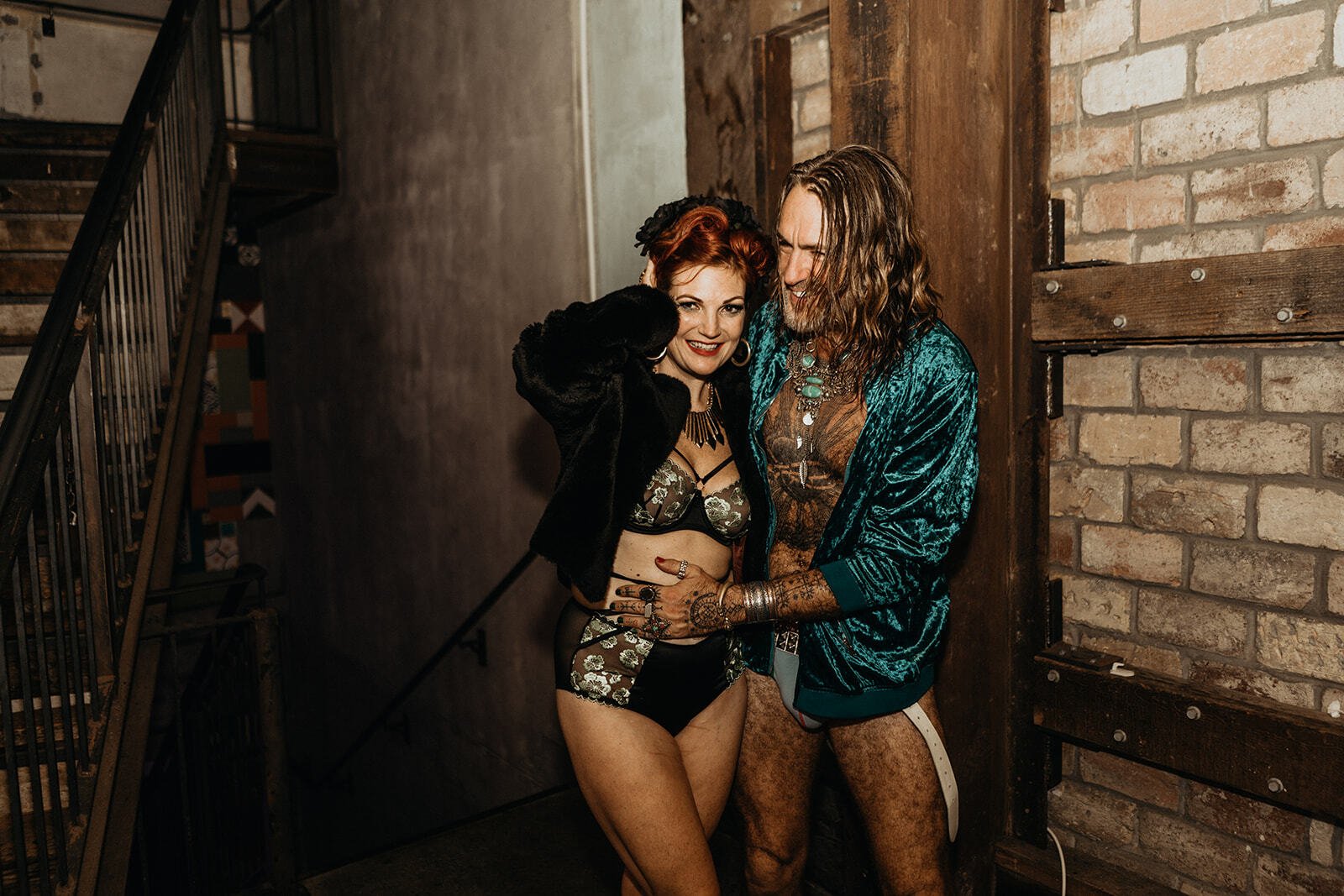
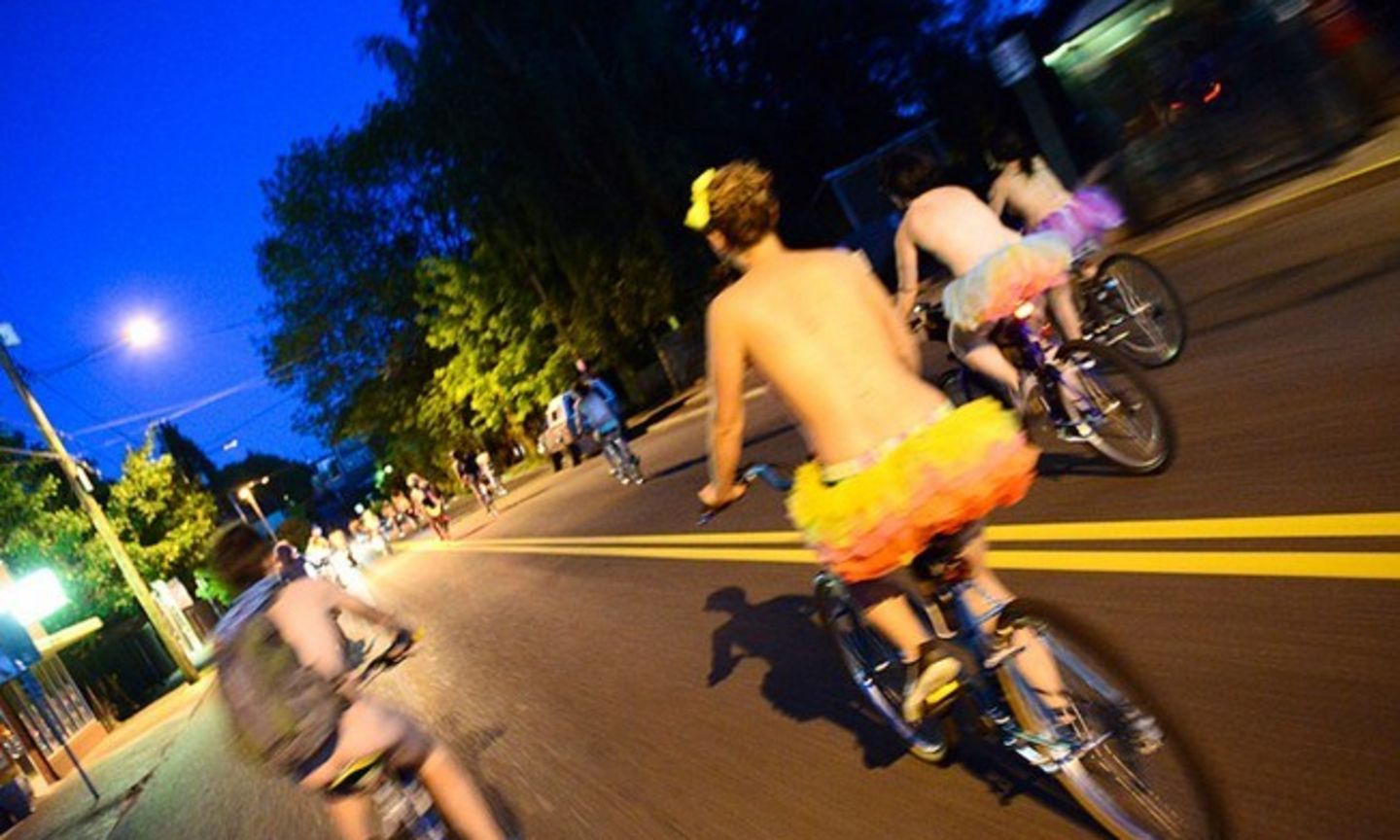
Aging gracefully in the contemporary era involves shifting societal perceptions toward body positivity and the reclamation of autonomy in later life. The bold world of naked seniors refers to the growing movement of older adults engaging in naturism, body-positive artistic photography, and social activism as a means of embracing the natural process of aging while challenging age-related stereotypes.
As individuals reach their sixties, seventies, and beyond, the physical changes associated with senescence—such as skin laxity, graying hair, and changing body composition—are often framed through a lens of decline. Conversely, the movement toward "naked aging" recontextualizes these traits as markers of experience, resilience, and survival. This transition represents a conscious rejection of the digital-age pressure to maintain youthful appearances through cosmetic intervention or digital filtration. Instead, it prioritizes a philosophy of radical self-acceptance and the normalization of the unadorned human form across the entire lifespan.
The Philosophy of Naturalism in Later Life
Naturism is broadly defined as a lifestyle centered on non-sexual nudity in private or designated social settings, emphasizing comfort, equality, and connection with nature. For the aging population, this practice often serves as a powerful psychological bridge between physical changes and mental well-being. By stripping away clothing, which frequently serves as a societal tool for age-grading and status signaling, seniors can participate in a more egalitarian social environment.
In 2026, the intersection of naturism and the aging process is increasingly recognized as a form of body neutrality. Rather than demanding that one "love" every aspect of an aging body, this philosophy focuses on respecting the body for its functional history. For many older adults, the transition to this lifestyle is less about vanity and more about the cessation of performance. It is a quiet rebellion against the "anti-aging" industrial complex, which markets products intended to hide the visible evidence of the passage of time.
Artistic Expression and the Visibility of Age
The movement has gained significant traction in the artistic community, where photography projects featuring unretouched images of seniors are challenging mainstream beauty standards. These works aim to highlight the aesthetic value of weathered skin and the unique silhouettes that define a human being after decades of life.
The primary intent of this artistic medium is visual education. By circulating high-quality, professional imagery that depicts seniors as they are, rather than as they are expected to appear, photographers are creating a visual archive of human longevity. This helps to desensitize audiences to the "shock" of seeing an older body, thereby reducing the stigma associated with nudity in older generations. When age is normalized, the fear of physical decline—a major component of age-related anxiety—is often mitigated.
Practical Considerations for Joining the Movement
For those interested in exploring the bold world of naked seniors, whether through social naturist clubs or as participants in body-positive photography, several practical steps ensure the experience remains positive and secure.
- Identify Intent: Determine whether the interest lies in the social aspects of naturism (e.g., joining an accredited club) or the artistic/expressive side (e.g., modeling for a photography project).
- Verify Environments: If joining a social club, ensure it is recognized by national or international naturist organizations. These groups provide established codes of conduct, ensuring that the environment remains non-sexual and respectful.
- Establish Boundaries: For those participating in creative projects, maintain clear, written agreements regarding the usage, distribution, and ownership of any images. Professional photographers who specialize in this niche typically use model releases that outline these parameters explicitly.
- Health and Comfort: Always consider personal health requirements. Naturist environments often involve outdoor exposure, so awareness of skin health—particularly the necessity of sun protection for older, more sensitive skin—is essential.
Comparison of Engagement Channels
The following table summarizes the different ways seniors typically interact with the philosophy of naturalism and body positivity in 2026.
| Engagement Channel | Primary Objective | Key Requirement | Social Context |
|---|---|---|---|
| Naturist Clubs | Social integration and recreation | Adherence to club rules/conduct | Group setting; non-sexual |
| Fine Art Modeling | Cultural visibility and art | Clear contracts and consent | Studio or controlled location |
| Personal Advocacy | Self-acceptance and mental health | Individual self-reflection | Private/Independent |
| Online Communities | Peer support and discussion | Digital privacy and security | Virtual forums |
Addressing Social and Legal Stigma
Despite the growth of these movements, older adults often navigate significant social resistance. Ageism—the systemic stereotyping and discrimination against people because they are old—is a formidable barrier to the open expression of body positivity. Legal systems in most jurisdictions maintain strict distinctions between non-sexual nudity and illegal content; however, cultural misunderstandings persist.
Participants in this space are advised to maintain a focus on intent and context. Engaging with established organizations is the most effective way to protect one’s reputation and safety. It is important to remember that participating in naturism is a personal choice that does not negate one's status as a professional, a family member, or a member of the community. The shift towards "aging gracefully" through bold visibility requires a level of confidence that is often fostered through peer support and the realization that one is not alone in the desire to be seen as a whole, unadorned person.
Essential Steps for Safe Participation
If you are considering engaging with the broader community of older adults who embrace naturism or artistic body representation, follow these foundational guidelines to ensure a smooth transition:
- Research Organizations: Look for the Federation of Canadian Naturists or similar international bodies that set standards for ethical and safe conduct.
- Consult Peers: Connect with local senior centers or online groups that discuss healthy aging and body image. Sharing experiences with others who are in the same demographic can alleviate concerns about social perception.
- Prioritize Privacy: In the digital age, being aware of one's digital footprint is crucial. Even in artistic settings, ensure that you have complete control over where images are shared and how your identity is protected.
- Medical Consultation: If you have concerns about skin conditions or mobility, discuss your interests with a healthcare provider. There is no health reason to avoid these activities, provided that general safety, such as avoiding excessive UV exposure, is managed properly.
Frequently Asked Questions
Is the "naked seniors" movement inherently sexual?
No. The movement toward naturism and body-positive aging is explicitly non-sexual. It is rooted in the concepts of egalitarianism, physical freedom, and the removal of societal stigma surrounding the aging body. Most organized naturist spaces enforce a strict code of conduct that prohibits any sexualized behavior, ensuring a safe environment for all participants.
How can I participate if I am self-conscious about my body?
Self-consciousness is a common hurdle, but it is often addressed through the supportive environment of the community. Most people find that the experience of being around others who are also aging—and who share the same physical realities—leads to a profound reduction in body shame. It is a process of desensitization, where the realization that "normal" looks like your own body replaces the need for the idealized, youthful standards found in media.
Are there legal issues involved with this lifestyle?
In most jurisdictions, non-sexual nudity in designated private or naturist areas is legal. However, public nudity remains subject to local ordinances and "indecency" laws, which vary significantly by geography. It is vital to restrict activities to locations specifically sanctioned for naturism to remain within the bounds of local statutes.
Does this movement apply to people with disabilities or chronic conditions?
The philosophy of aging gracefully is highly inclusive. Many seniors with physical disabilities or chronic conditions find that being in a natural state provides increased comfort and a sense of liberation from the medicalization of their bodies. These spaces prioritize accessibility and respect, focusing on the individual rather than their physical limitations.
Taking the Next Action
If you are ready to explore this lifestyle, the best next step is to research a local, accredited naturist group or a body-positive art collective in your region. Begin by observing their community guidelines and mission statements to ensure they align with your personal comfort levels. If you prefer to keep the experience private, start by journaling or engaging in artistic projects that allow you to explore your own relationship with your body, free from external judgment. The essence of the movement is not the act of being naked itself, but the reclamation of your identity in your later years.