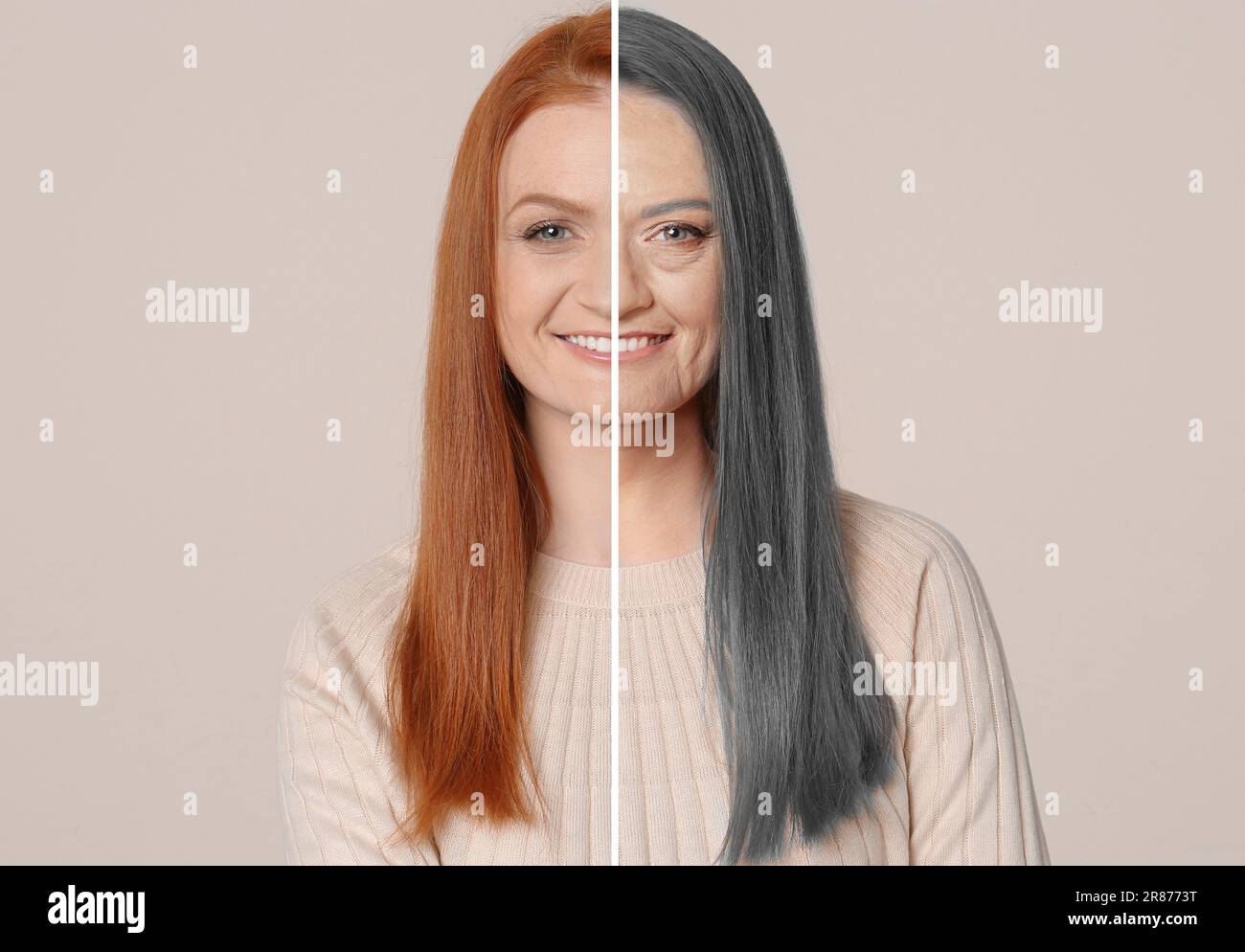
Aging and appearance represent the interplay between cumulative biological changes and external factors that affect skin integrity, structural volume, and tissue elasticity. Managing these changes involves understanding the physiological mechanisms of senescence, such as collagen degradation and cellular turnover reduction, alongside behavioral interventions like photoprotection, nutritional support, and evidence-based cosmetic maintenance.
Biological Mechanisms of Skin Aging
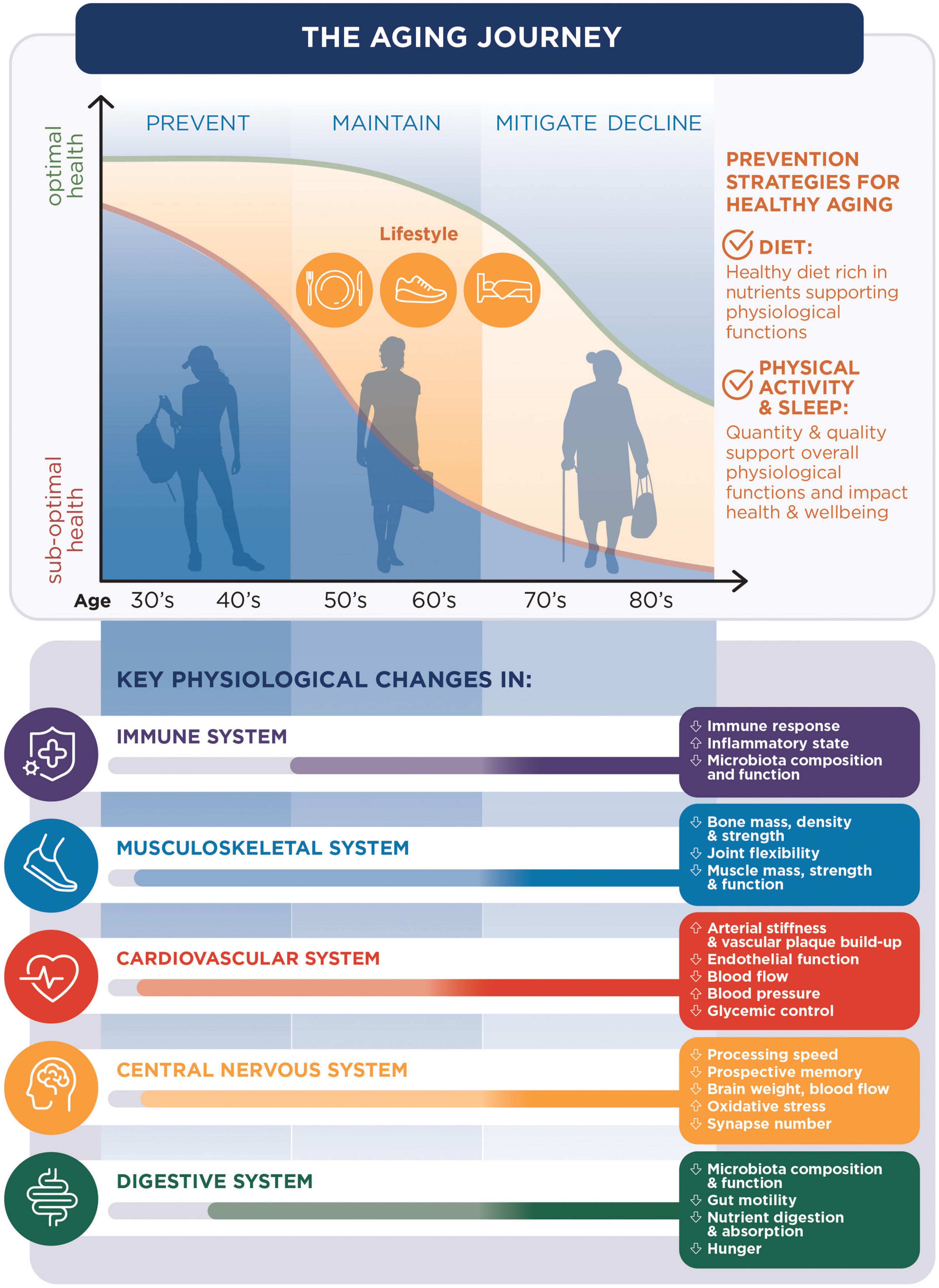
To manage the aesthetic effects of aging, one must first distinguish between intrinsic and extrinsic aging. Intrinsic aging, or chronological aging, is a genetically determined process that occurs regardless of external environment. As individuals enter their middle and later years, the rate of cell division in the epidermis slows, leading to a thinner skin barrier. Simultaneously, the production of collagen and elastin—the proteins responsible for structural firmness and recoil—decreases significantly.
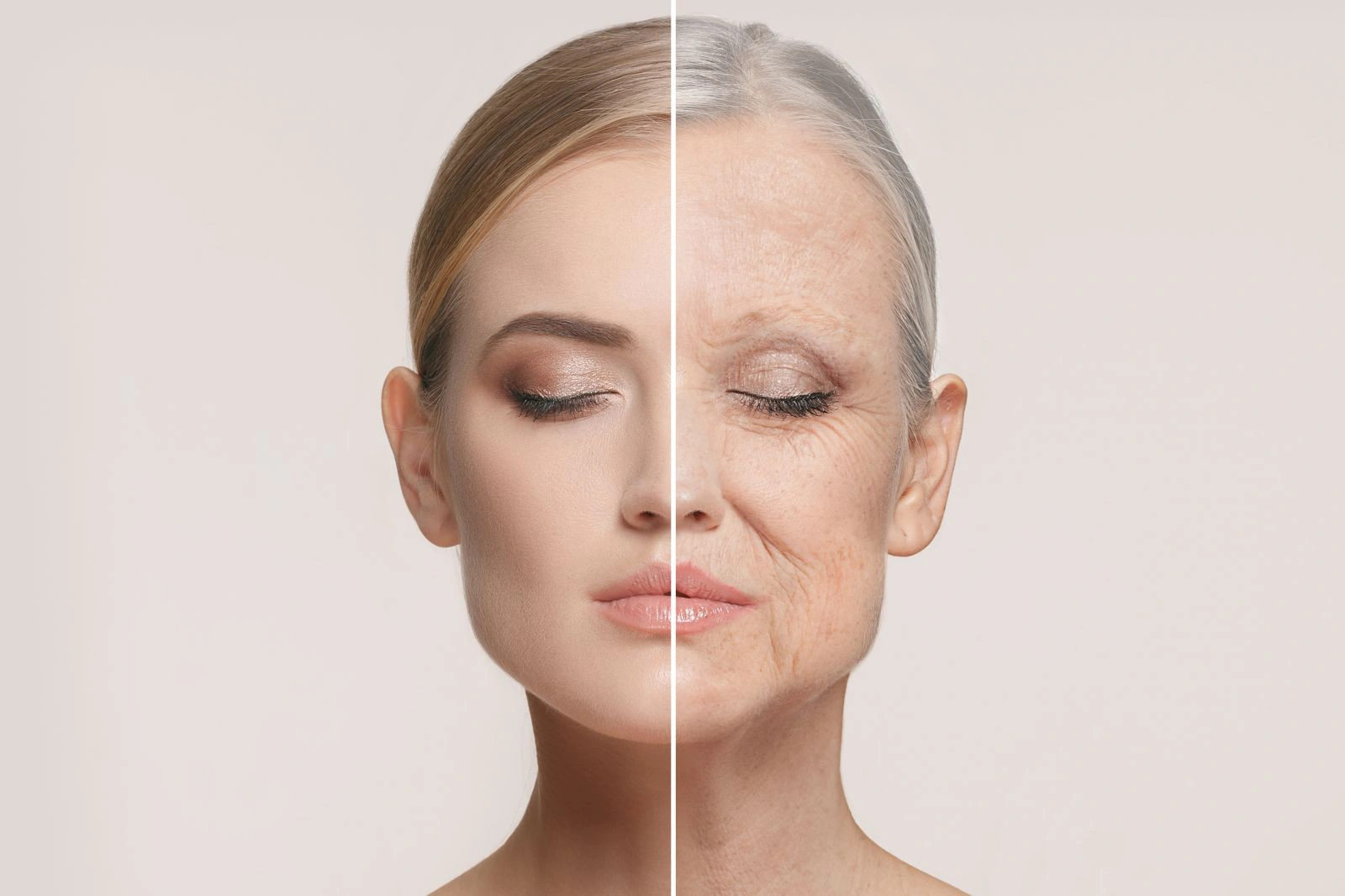
Extrinsic aging, by contrast, is driven by environmental exposures. The most significant contributor is chronic ultraviolet (UV) radiation, a phenomenon termed photoaging. UV exposure triggers the production of reactive oxygen species (ROS), which damage DNA and degrade extracellular matrix components. This degradation manifests as solar elastosis, characterized by leathery skin texture, dyschromia (irregular pigmentation), and the deepening of rhytids (wrinkles). Recognizing this distinction is essential because while intrinsic aging is largely immutable, extrinsic factors are highly modifiable through consistent environmental management and protective protocols.
Structural Changes and Volume Loss
Beyond the surface of the skin, aging involves the atrophy of underlying facial structures. Skeletal remodeling, particularly in the orbit and the maxilla, alters the foundation upon which soft tissue rests. As the bony support recedes, facial fat pads—which provide youthful fullness—undergo atrophy, migration, and redistribution due to gravity.
This loss of volume often contributes to a hollowed appearance in the midface and the accentuation of nasolabial folds and marionette lines. Managing these structural shifts involves a multi-layered approach. While topical applications can improve epidermal hydration and texture, they do not address the depletion of deep-tissue volume or the descent of facial fat pads. Understanding that appearance is a three-dimensional challenge allows for more realistic expectations when considering corrective procedures versus long-term maintenance strategies.
Evidence-Based Strategies for Skin Maintenance
Effective maintenance of appearance requires a foundation built on proven dermatological principles rather than speculative marketing trends. The core pillars of maintaining skin health focus on protection, restoration, and preservation.
Photoprotection
Consistent use of broad-spectrum sunscreen with a Sun Protection Factor (SPF) of at least 30 is the primary intervention for preventing further extrinsic damage. Sunscreens should be applied daily, regardless of weather conditions or indoor status, to mitigate UVA-driven collagen degradation.
Topical Retinoids
Retinoic acid and its derivatives remain the gold standard for clinical improvement of skin appearance. By binding to retinoic acid receptors in the skin, these compounds stimulate collagen synthesis and normalize keratinocyte differentiation. Clinical efficacy is dose-dependent and cumulative; improvement in skin texture and fine lines is typically observed after months of consistent use rather than weeks.
Hydration and Barrier Support
Maintaining the stratum corneum—the outermost layer of the skin—is vital for barrier integrity. Products containing humectants like hyaluronic acid and occlusives like ceramides help prevent transepidermal water loss (TEWL), which is a common feature of aging skin.
Comparison of Common Intervention Modalities
Choosing the appropriate intervention depends on the specific aesthetic concern and the level of desired intensity. The following table provides a breakdown of common categories for addressing changes in appearance.
| Intervention Type | Target Concern | Primary Mechanism | Typical Downtime |
|---|---|---|---|
| Topical Retinoids | Fine lines, texture | Collagen stimulation | Minimal |
| Chemical Peels | Pigmentation, dullness | Controlled exfoliation | 3–14 days |
| Dermal Fillers | Volume loss, folds | Mechanical plumping | 24–48 hours |
| Energy-Based Devices | Laxity, deep rhytids | Heat-induced contraction | 3–7 days |
| Neuromodulators | Dynamic lines | Muscle inhibition | None |
Common Mistakes and Misconceptions
A frequent error in managing appearance is the pursuit of "quick fixes" at the expense of long-term skin health. Over-exfoliation, for example, is a prevalent mistake where users aggressively use scrubs or high-concentration acids, damaging the lipid barrier and leading to chronic inflammation. Chronic inflammation, or "inflammaging," paradoxically accelerates the aging process by stimulating matrix metalloproteinases (MMPs), enzymes that break down collagen.
Another common pitfall is the reliance on single-ingredient "miracle" products. Biology is complex, and no single molecule can address the multifaceted nature of aging. A comprehensive approach involves layering evidence-based ingredients, such as pairing antioxidants (like Vitamin C) in the morning for environmental protection with retinoids in the evening for cellular turnover.
Safety and Professional Consultation
When exploring clinical procedures, safety must be the priority. The administration of neuromodulators or dermal fillers, as well as the use of medical-grade laser systems, carries risks, including infection, vascular occlusion, or asymmetrical results. These procedures should only be performed by licensed medical professionals who possess a detailed understanding of facial anatomy and emergency management protocols.
Patients should verify the credentials of their providers and ensure that the products used are approved by the relevant health authorities in their jurisdiction. Before any invasive intervention, a comprehensive consultation should include a discussion of medical history, allergies, and realistic outcomes, rather than just the immediate physical changes.
Developing a Sustainable Routine
For most individuals, the most effective strategy for managing appearance is a consistent, manageable routine rather than intermittent, drastic interventions.
- Audit the environment: Assess daily UV exposure and ensure adequate protection.
- Establish a baseline: Prioritize a high-quality cleanser, a moisturizer suited to skin type, and a broad-spectrum SPF 30+ sunscreen.
- Introduce active agents: Integrate a retinoid at night, starting with lower concentrations to minimize irritation.
- Monitor progress: Document changes over 3 to 6-month intervals. Skin turnover is a slow process; patience is a prerequisite for success.
- Seek professional guidance: If topical approaches do not meet your goals, consult a board-certified dermatologist to discuss specific structural concerns.
By viewing appearance as a reflection of long-term habits rather than temporary fixes, individuals can cultivate a sustainable approach that prioritizes health and integrity, ultimately aligning aesthetic goals with physical well-being.