Youthful radiance in facial skin is primarily maintained through a consistent, evidence-based approach that combines diligent sun protection, targeted topical interventions, and the support of structural skin health. By focusing on moisture retention, collagen support, and cellular turnover, individuals can effectively mitigate the visible signs of skin aging caused by intrinsic biological processes and environmental exposure.
1. Prioritize Broad-Spectrum UV Protection
The most critical factor in preventing premature aging—often referred to as photoaging—is daily protection against ultraviolet (UV) radiation. UV rays trigger the breakdown of collagen and elastin fibers, which provide the structural framework for firm, resilient skin. Without consistent protection, even the most expensive skin care regimen will struggle to counteract the damage caused by daily sun exposure.
Experts recommend a broad-spectrum sunscreen with a Sun Protection Factor (SPF) of at least 30, applied every morning regardless of weather conditions or time spent indoors. This creates a functional barrier against both UVA rays, which penetrate deep into the dermis to cause long-term structural damage, and UVB rays, which primarily affect the epidermis and lead to immediate sunburn and pigment changes. Consistency is the primary requirement for efficacy; sun damage is cumulative, making daily application the single most important habit for maintaining a youthful complexion.
2. Implement Retinoids for Cellular Turnover
Retinoids, a class of chemical compounds derived from vitamin A, remain the gold standard in dermatology for addressing the structural signs of aging. They function by accelerating cell turnover and stimulating collagen production within the deeper layers of the skin. Over time, this process can improve the appearance of fine lines, uneven texture, and hyperpigmentation.
When starting a retinoid, the strategy must be gradual. Introduce the product slowly—usually two or three times a week—to monitor for potential irritation, such as redness or dryness, before increasing frequency. Using a pea-sized amount for the entire face is sufficient. Because retinoids increase photosensitivity, they should be applied exclusively at night, with strict adherence to daytime sun protection the following morning.
3. Maintain the Skin Barrier with Essential Lipids
As skin ages, its ability to retain moisture declines due to a natural reduction in lipids, such as ceramides, cholesterol, and fatty acids. A compromised skin barrier manifests as dullness, tightness, and increased sensitivity. To counteract this, a high-quality moisturizer containing barrier-repairing ingredients is essential.
Ingredients like ceramides, hyaluronic acid, and glycerin act to draw water into the skin and seal it within the extracellular matrix. Incorporating these agents after cleansing helps maintain the suppleness of the stratum corneum—the outermost layer of the skin. This lipid replenishment is vital for protecting the skin from external irritants and preventing transepidermal water loss, which is a major contributor to the crepey texture often associated with mature skin.
4. Antioxidant Protection Against Oxidative Stress
Environmental factors such as pollution, cigarette smoke, and residual UV exposure generate free radicals—unstable molecules that damage healthy skin cells through oxidative stress. Topical antioxidants serve as a defense mechanism, neutralizing these radicals before they can degrade the structural proteins of the skin.
Vitamin C (L-ascorbic acid) is the most researched antioxidant in skin care. When applied as a serum in the morning under sunscreen, it provides a secondary layer of protection against environmental damage. Additionally, vitamin C is known to assist in brightening the complexion and promoting a more even skin tone. Other potent antioxidants include vitamin E and ferulic acid, which are frequently formulated alongside vitamin C to enhance stability and efficacy.
5. Professional Dermatological Interventions
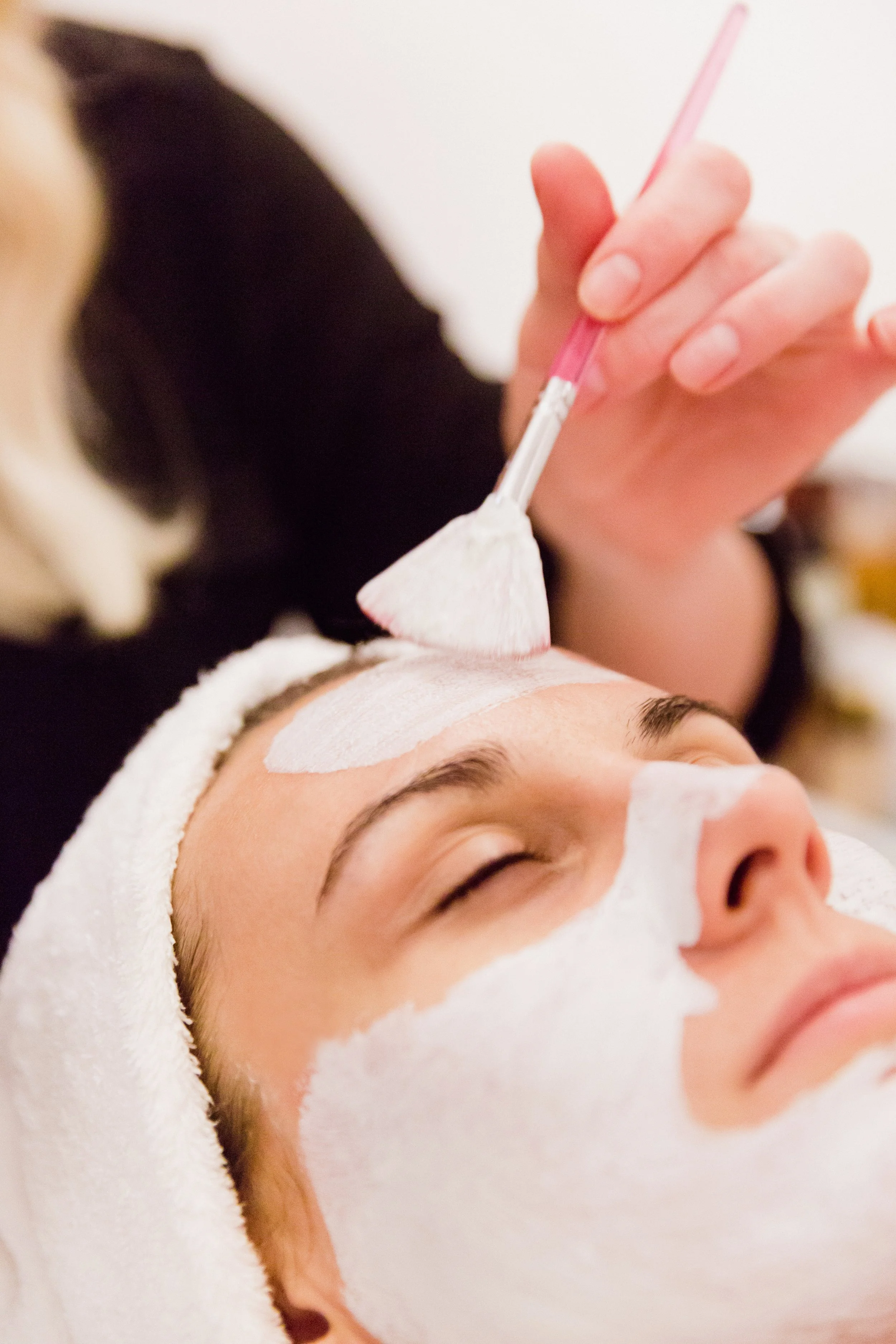
While topical products address the surface and upper dermis, professional procedures offer more intensive solutions for significant concerns like deep wrinkles, volume loss, or advanced sun damage. Consulting with a board-certified dermatologist provides an opportunity to assess which clinical interventions—such as chemical peels, laser resurfacing, or injectables—are appropriate for an individual’s specific skin condition.
These procedures work by inducing controlled trauma to the skin, which triggers the body’s natural healing response and increases collagen production, or by replacing lost volume in the subcutaneous tissue. These should be considered supplemental to, not a replacement for, a daily skin care regimen. Verification of the practitioner's credentials and a clear understanding of downtime and costs are prerequisites for any clinical procedure.
6. The Role of Gentle Cleansing and Hydration
Many individuals mistakenly believe that aggressive scrubbing or the use of harsh, high-pH cleansers is necessary for anti-aging. In reality, the skin’s pH balance is delicate. Using abrasive physical exfoliants or stripping cleansers can disrupt the acid mantle, the thin, acidic film on the surface of the skin that acts as a barrier to bacteria and environmental pollutants.
Switching to a gentle, non-foaming, or pH-balanced cleanser ensures that the skin is cleaned without removing natural oils. Coupled with consistent hydration—not just through topical application, but by ensuring adequate systemic water intake—this habit preserves the elasticity of the skin. Healthy, hydrated skin reflects light better, which contributes to the visual perception of radiance.
7. Lifestyle Factors Supporting Skin Health
Anti-aging skin care is ineffective if the body’s internal health is neglected. Systemic health directly impacts the skin’s ability to repair itself. Sleep, for example, is when the body performs most of its cellular regeneration. Chronic sleep deprivation leads to elevated cortisol levels, which can break down collagen and exacerbate inflammatory skin conditions.
Diet also plays a role in long-term skin integrity. Diets rich in omega-3 fatty acids, colorful vegetables, and protein provide the essential building blocks for collagen production and cellular repair. Conversely, excessive sugar intake can lead to glycation—a process where sugar molecules bond to proteins like collagen, making them stiff and brittle, which accelerates the visible aging process.
| Intervention Type | Primary Benefit | Frequency |
|---|---|---|
| Broad-Spectrum SPF | Prevents photoaging and collagen loss | Daily (AM) |
| Retinoids | Stimulates cell turnover and collagen | Nightly (PM) |
| Vitamin C Serum | Neutralizes free radicals | Daily (AM) |
| Ceramide Moisturizer | Repairs and maintains barrier | Twice daily |
| Chemical Peels | Resurfaces texture | As advised by professional |
Frequently Asked Questions
Can anti-aging skin care remove deep wrinkles entirely?
No topical skin care product can fully erase deep wrinkles. While consistent use of retinoids and hydration can soften their appearance by improving skin texture and elasticity, deep structural folds are typically the result of volume loss and bone density changes that require professional cosmetic interventions to address effectively.
What is the ideal age to begin an anti-aging routine?
The most effective approach is preventative. While intensive treatments are unnecessary for younger skin, a basic regimen consisting of gentle cleansing, moisturizing, and daily broad-spectrum sun protection should be adopted in the early twenties. Incorporating active ingredients like retinoids is typically recommended once the first signs of texture changes or fine lines appear, often in the late twenties or thirties.
Are expensive luxury products better than drugstore brands?
Price is not an indicator of clinical efficacy. Many affordable, widely available brands utilize the same active ingredients—such as retinol, niacinamide, and hyaluronic acid—as luxury products. The primary differentiator is often the formulation stability, the inclusion of fragrance, or the sophistication of the delivery vehicle (the texture and absorption rate).
Why does my skin feel irritated when I start new products?
Irritation is common when introducing active ingredients like retinoids or acids. This is often a sign that the skin's barrier has been compromised. If irritation occurs, discontinue the new product, focus on gentle hydration to repair the barrier, and reintroduce the active ingredient at a lower concentration or less frequently once the skin returns to its baseline state.
How do I know if a product is working?
Skin care is a long-term commitment. Visible improvements in texture or tone from active ingredients like retinoids or vitamin C typically take at least 12 weeks of consistent use. Documenting progress with photos taken in identical lighting can help track changes, as daily observation often makes subtle improvements difficult to notice.
Next Steps for Your Skin Care Journey
If you are looking to refine your regimen, begin by auditing your current products for expiration dates and effectiveness. Prioritize the acquisition of a high-quality, broad-spectrum sunscreen that you find comfortable enough to use every single day. Once sun protection is firmly established as a habit, introduce one active ingredient, such as a retinoid, and monitor your skin's response for at least one month before considering additional changes. If you have chronic skin concerns or are considering professional procedures, schedule a consultation with a board-certified dermatologist to develop a plan tailored to your specific skin type and goals.