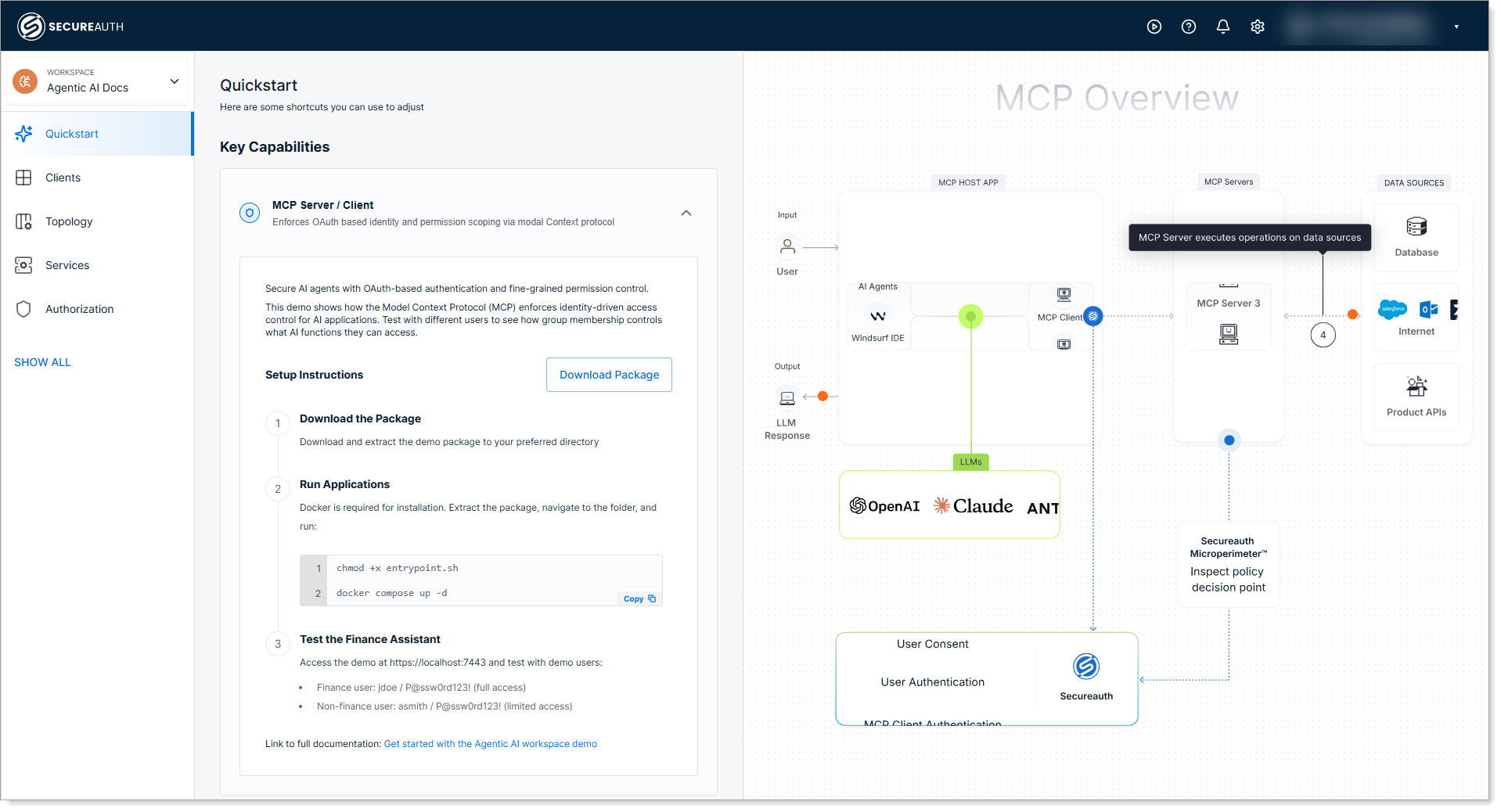
Agentic interfaces represent a paradigm shift in human-computer interaction where software moves beyond passive execution of commands to proactive, goal-oriented reasoning. These interfaces function by leveraging Large Language Models (LLMs) and specialized tools to decompose high-level user intents into actionable task sequences, monitor environmental feedback, and adjust workflows in real-time without constant manual intervention.
The Evolution of Interaction Paradigms
Traditional interfaces are primarily transactional. Whether using a command-line terminal, a graphical user interface (GUI), or even early-stage chatbot assistants, the user dictates the "what" and the "how." The system serves as a deterministic executor: you click a button, the system performs a specific function. If a sequence is required, the user must provide the input for every single step of that sequence.
Agentic interfaces change the hierarchy of this relationship. In this architecture, the user provides a high-level intent—for example, "Research the competitive landscape of renewable energy in the EU and compile a summary report by Friday"—and the interface acts as an agent. It determines which search tools to utilize, how to parse the incoming data, how to structure the document, and when to pause to seek user clarification if ambiguities arise. The shift is from "user as operator" to "user as supervisor."
Core Architectural Components
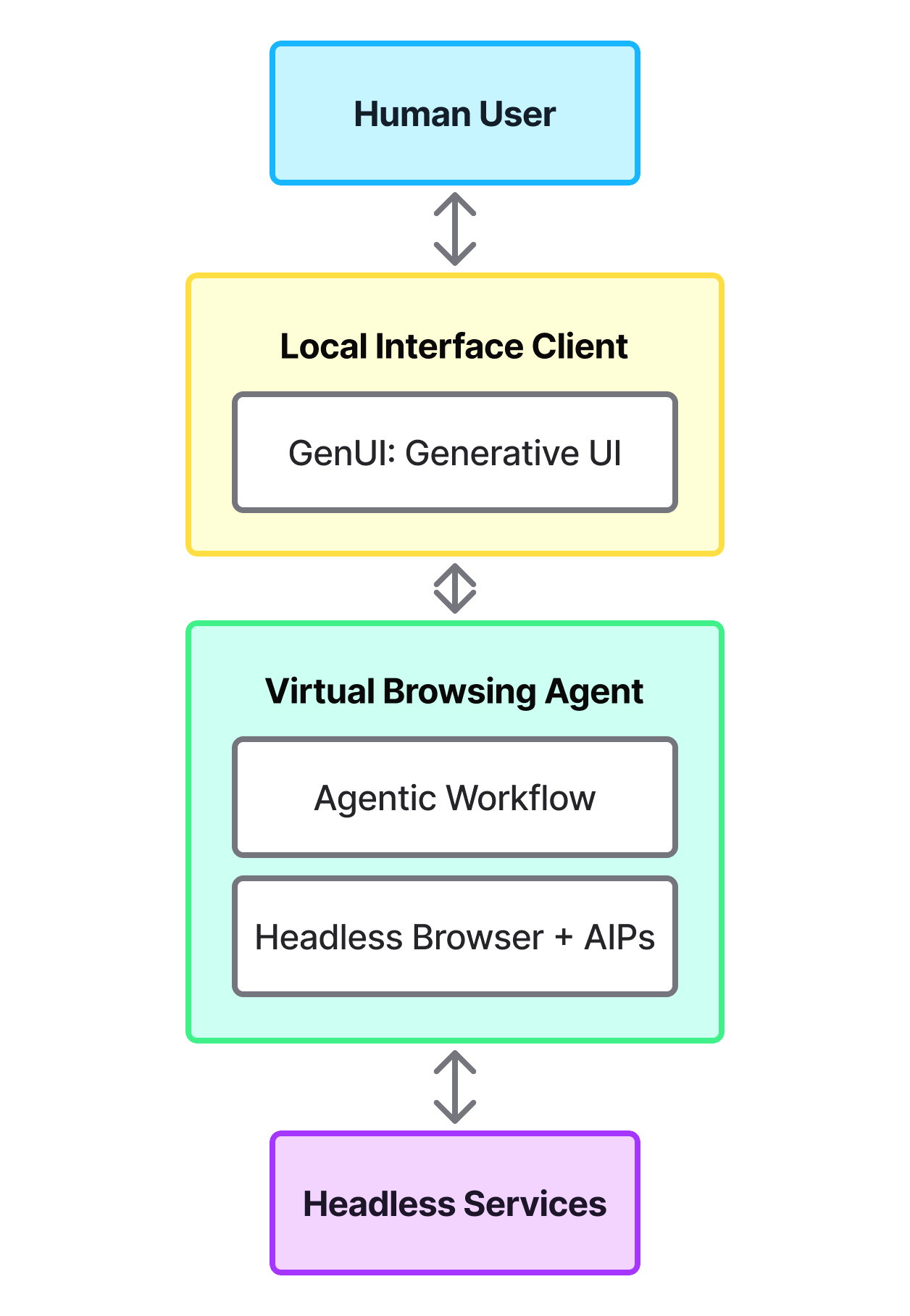
To function as an agentic system, an interface requires a distinct technical architecture that differentiates it from standard automation scripts. The core components include:
- Planning and Reasoning Layer: This is typically powered by a foundation model capable of Chain-of-Thought (CoT) reasoning. The interface must break a broad goal into a Directed Acyclic Graph (DAG) or a linear list of sub-tasks.
- Tool-Use Capabilities (Function Calling): The system must have defined boundaries and "hands" to manipulate the world. This includes APIs for web browsing, database querying, file system management, and integration with third-party software (e.g., calendar or email services).
- Memory Management: Effective agentic interfaces must retain context over long durations. This involves a Short-Term Memory (the current session's conversation and active state) and Long-Term Memory (vector databases or persistent logs that allow the agent to recall preferences or previous project outcomes).
- Safety and Guardrails: Because these systems perform actions on behalf of the user, they must operate within strict constraints to prevent unauthorized file deletion, malicious code execution, or data leakage.
Comparative Framework: Conventional vs. Agentic Systems
To determine the utility of agentic interfaces for specific workflows, it is essential to distinguish them from standard automated tools.
| Feature | Conventional Automation | Agentic Interfaces |
|---|---|---|
| Control Flow | Rigid, predefined scripts | Dynamic, re-planned based on state |
| User Input | Step-by-step instructions | High-level goal definition |
| Adaptability | None; fails on unexpected input | High; adjusts strategy on feedback |
| Error Recovery | Requires user intervention | Self-corrects or asks for guidance |
| Technical Requirement | Low (Static setup) | High (Context and guardrail tuning) |
Practical Implementation: Requirements and Prerequisites
Integrating agentic interfaces into a professional environment is not a "plug-and-play" operation. Organizations must address three primary prerequisites:
- Environment Connectivity: The interface must have authenticated, controlled access to the digital workspace. This requires managing API keys, OAuth tokens, and least-privilege permissions. Ensuring that the agent only has access to the specific folders or applications it needs to function is the first step in mitigating operational risk.
- Structured Feedback Loops: Humans must remain in the loop for critical decision points. An agentic interface should be configured with "human-in-the-loop" (HITL) checkpoints. For instance, when the agent is drafting an email or committing code, the interface should present a preview for approval before final execution.
- Observability: Because agentic reasoning can be non-linear, users must have a way to inspect the "thought process." High-quality interfaces provide log visibility, allowing users to see why a particular tool was chosen or why a specific path was abandoned. This is vital for troubleshooting and iterative improvement.
Operational Risks and Safety Measures
The autonomy inherent in agentic interfaces introduces distinct risks. The most prevalent is "hallucinated task execution," where the model misunderstands the objective and proceeds to perform incorrect actions. Another concern is prompt injection, where malicious external data might cause the agent to deviate from its intended objectives.
To manage these risks, engineers and users should prioritize "Sandbox Isolation." By running agentic tasks within isolated containers (such as ephemeral virtual machines or restricted sub-directories), organizations can ensure that even if an agent performs an incorrect action, the blast radius of that error is contained. Furthermore, implementing rate limits and cost-thresholds on the underlying API usage prevents infinite loops from depleting compute budgets.
Frequently Asked Questions
How do I define the scope of an agentic interface's power?
You define scope through the "System Prompt" and the "Capability Set." By explicitly listing the tools available to the agent and providing a negative constraint list (e.g., "Do not delete files," "Do not send emails without approval"), you frame the boundaries. Furthermore, limiting the agent's permissions at the OS or API level provides a hardware-enforced layer of control.
Can agentic interfaces handle non-digital tasks?
As of 2026, agentic interfaces are primarily restricted to digital environments—software applications, web platforms, and data repositories. While there is research into embodied AI (robotics), standard agentic interfaces for business workflows are strictly software-defined.
What is the most common point of failure for these systems?
The most common point of failure is "ambiguous task definition." If a user provides an open-ended goal without sufficient context or constraint, the agent may attempt to solve the problem in a way that is logically sound but contextually inappropriate. Improving prompt clarity and providing examples of successful workflows (few-shot prompting) significantly reduces these errors.
How are costs managed in long-running agentic tasks?
Costs are managed through token usage monitoring and timeout protocols. Because agentic reasoning often involves multiple rounds of "thinking" and "executing," token consumption can be significantly higher than simple Q&A interactions. Setting a maximum "reasoning cycle" limit is the most effective way to prevent runaway costs.
Next Actions: Starting Your Pilot Program
If you are planning to adopt agentic interfaces within your team, begin with a low-stakes, high-visibility workflow—such as data aggregation for internal reports or preliminary sorting of project documentation.
- Select a controlled pilot: Choose a task with clear inputs and outputs.
- Map the process: Document the exact steps a human currently takes to perform this task.
- Establish guardrails: Define where the human must intervene for validation.
- Monitor the logs: Review every action taken by the agent for the first ten executions to ensure alignment with organizational policy.
By transitioning from manual task execution to active supervision, you leverage the scaling potential of agentic systems while maintaining the precision required for high-stakes professional environments.