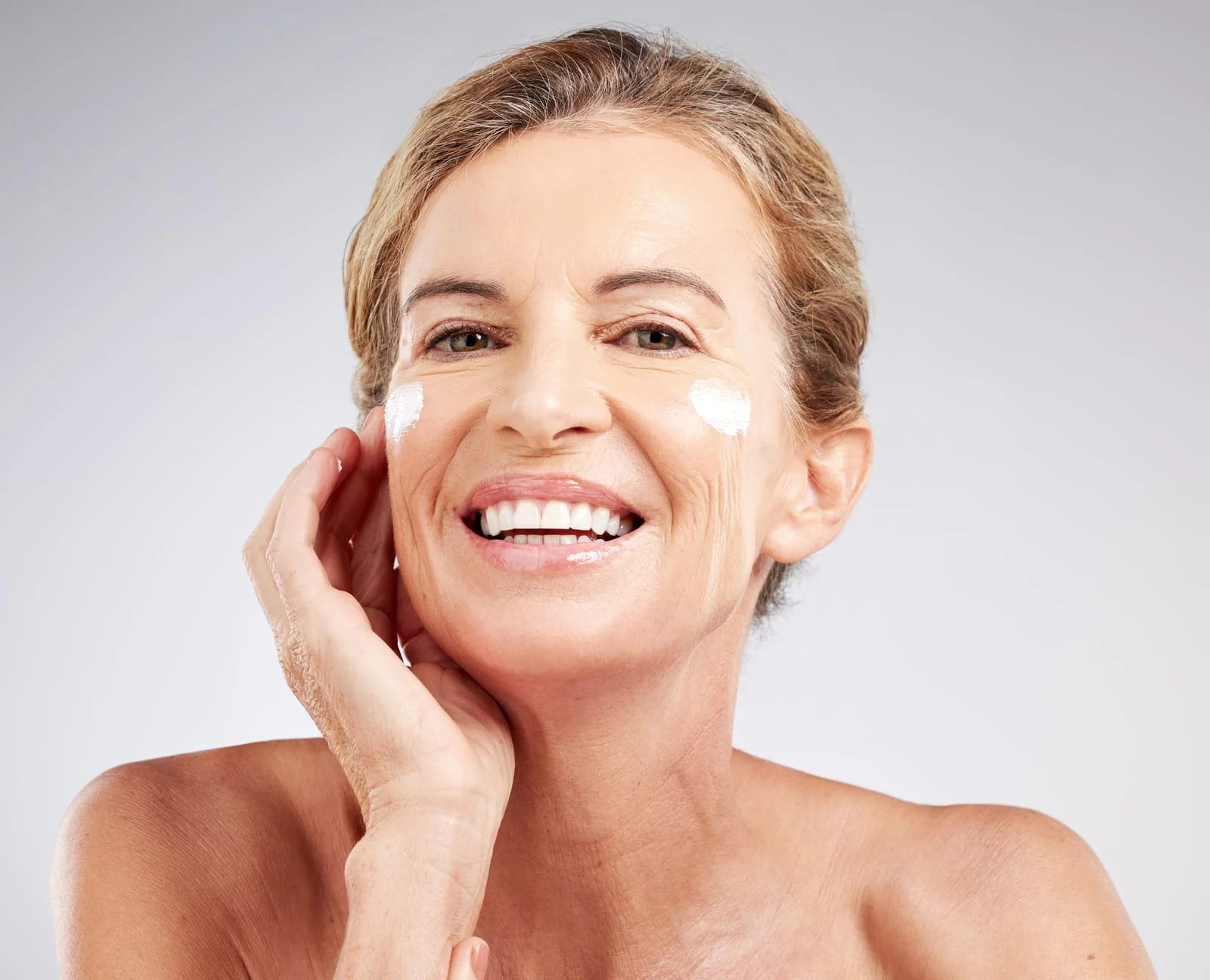
Achieving ageless, radiant skin relies on a targeted, science-backed skincare regimen that pairs high-performance active ingredients like retinoids, antioxidants, and peptides with rigorous daily sun protection to repair cellular damage, stimulate collagen synthesis, and restore a youthful, luminous complexion.
Navigating the crowded marketplace of cosmetic formulations can feel overwhelming. Consumers are constantly bombarded with promises of eternal youth, miracle cures, and revolutionary biotechnology that claim to reverse decades of environmental damage overnight. However, cutting through the marketing noise requires examining the physiological realities of skin aging, understanding how topical active ingredients function at a cellular level, and identifying what genuinely separates an ordinary moisturizer from the ultimate anti-aging skincare product.
This guide examines the core biological mechanisms of skin aging, evaluates the gold-standard ingredients required for radiant youth, contrasts different product categories, and provides a structured framework for building an effective, sustainable skincare routine.
Understanding the Biological Mechanisms of Skin Aging
Skin aging is a complex biological process driven by two distinct yet interconnected pathways: intrinsic aging and extrinsic aging. Understanding these mechanisms is the first step toward selecting a product that addresses the root causes of dermal degradation rather than merely masking surface-level symptoms.
Intrinsic aging, often referred to as chronological aging, is an inevitable genetic program that dictates how our bodies change over time. Beginning in our mid-twenties, human skin experiences a continuous decline in collagen production—dropping by approximately one percent each year. Concurrently, elastin fibers fragment, and cellular turnover slows down significantly. The skin's natural lipid barrier thins, moisture retention decreases, and structural support systems weaken, leading to fine lines, loss of firmness, and a duller appearance.
Extrinsic aging, on the other hand, is driven by external environmental factors and lifestyle choices. Photoaging—induced by ultraviolet (UV) radiation from the sun—is by far the most potent driver of extrinsic aging, accounting for up to 80 percent of facial skin aging. When UV rays penetrate the dermis, they generate reactive oxygen species (ROS), commonly known as free radicals. These unstable molecules degrade collagen and elastin through oxidative stress and trigger enzymes called matrix metalloproteinases (MMPs), which actively break down dermal extracellular matrix proteins. Other extrinsic factors include pollution, chronic psychological stress, poor nutrition, lack of sleep, and cigarette smoke, all of which accelerate cellular damage and diminish radiant youth.
Evaluating the Gold-Standard Ingredients for Radiant Youth
The efficacy of any anti-aging skincare product is determined strictly by its active ingredients and their concentrations. To qualify as an elite formulation capable of delivering transformative results, a product must incorporate clinically validated compounds that target collagen synthesis, cellular renewal, and antioxidant defense.
Retinoids and Retinol Derivatives
Retinoids, derivatives of Vitamin A, remain the undisputed gold standard in dermatological anti-aging. When applied topically, retinoids bind to specific nuclear receptors in skin cells, accelerating cellular turnover, inhibiting collagen degradation, and stimulating fibroblast activity to produce new collagen types I and III. Prescription-strength tretinoin and over-the-counter retinol effectively smooth fine lines, fade hyperpigmentation, and refine skin texture. However, because they can cause initial irritation, flaking, and photosensitivity, incorporating them requires a gradual introduction strategy.
Antioxidants: Vitamin C and Niacinamide
Antioxidants neutralize free radicals before they can damage cellular DNA, proteins, and lipids. L-Ascorbic Acid (pure Vitamin C) is a potent antioxidant that not only shields the skin from daily oxidative stress but also acts as an essential cofactor in the enzymatic synthesis of collagen. When paired with Vitamin E and ferulic acid, its photoprotective efficacy increases exponentially. Niacinamide (Vitamin B3) is another versatile powerhouse that strengthens the skin barrier by boosting ceramide synthesis, reduces transepidermal water loss, regulates sebum production, and brightens stubborn dark spots.
Peptides and Growth Factors
Peptides are short chains of amino acids that act as biochemical messengers, signaling skin cells to perform specific tasks, such as synthesizing fresh collagen and repairing extracellular matrix components. Copper peptides, in particular, have gained acclaim for their wound-healing and tissue-remodeling properties. Similarly, growth factors—naturally occurring proteins that regulate cellular growth and differentiation—help restore structural integrity and accelerate tissue recovery.
| Ingredient Class | Primary Biological Function | Ideal Skin Type / Consideration | Key Benefits for Radiant Youth |
|---|---|---|---|
| Retinoids | Accelerates cellular turnover and stimulates collagen synthesis | Normal, oily, resilient; requires gradual adaptation | Smooths fine lines, improves texture, fades hyperpigmentation |
| L-Ascorbic Acid (Vit C) | Neutralizes free radicals and inhibits melanin production | All skin types; use stable, low-pH formulas | Brightens complexion, defends against UV/pollution damage |
| Niacinamide | Restores barrier lipids and suppresses melanosome transfer | Sensitive, acne-prone, or dry skin | Reduces redness, minimizes pores, evens skin tone |
| Peptides | Signals fibroblasts to produce new collagen and elastin | All skin types, especially mature or thinning skin | Enhances firmness, improves elasticity, supports skin barrier |
| Hyaluronic Acid | Draws ambient moisture into the epidermis via humectant action | Dehydrated or dry skin types | Delivers immediate plumping effect, smooths surface lines |
Comparing Anti-Aging Product Categories
The anti-aging market offers a vast array of product formats, ranging from lightweight serums to rich creams and specialized oils. Selecting the right product category depends on molecular weight, penetration depth, and individual skin type requirements.
Serums Versus Creams
Serums are formulated with smaller molecular structures and higher concentrations of active ingredients, allowing them to penetrate deep into the epidermis and dermis. Because they are typically water- or gel-based and lack heavy occlusive agents, serums deliver active compounds directly to target cells without leaving a greasy residue. Creams and emulsions, conversely, contain a balanced blend of water, oils, and emulsifiers designed to reinforce the skin's lipid barrier and prevent moisture evaporation. While serums excel at targeted active delivery, creams provide essential hydration and barrier protection. The ultimate anti-aging regimen often combines a high-potency active serum with a nourishing, barrier-repairing moisturizer.
Specialized Treatments and Emulsions
Beyond standard serums and moisturizers, targeted treatments such as chemical exfoliants (Alpha Hydroxy Acids like glycolic acid and Beta Hydroxy Acids like salicylic acid) play a vital supportive role. By gently dissolving the intercellular glue holding dead skin cells to the stratum corneum, chemical exfoliants enhance cellular turnover and allow anti-aging serums to penetrate more effectively. Eye creams, neck concentrates, and facial oils serve specialized anatomical zones where the skin is thinner and more prone to rapid aging.
Building a Comprehensive Anti-Aging Skincare Regimen
A single product, regardless of its formulation or price point, cannot reverse aging in isolation. Achieving radiant youth requires a disciplined, synergistic daily routine that balances active treatment with protection and hydration.
Morning Protection and Prevention
A successful morning routine prioritizes defense against environmental stressors.
- Cleansing: Begin with a gentle, sulfate-free cleanser to remove overnight sebum and cellular debris without stripping natural lipid stores.
- Antioxidant Serum: Apply a Vitamin C serum to damp skin to neutralize free radicals generated by daylight and pollution.
- Hydration: Apply a lightweight moisturizer containing hyaluronic acid or ceramides to lock in moisture.
- Broad-Spectrum Sunscreen: Finish with a generous layer of broad-spectrum SPF 30 or higher mineral or chemical sunscreen. This step is non-negotiable; without daily sun protection, all other anti-aging efforts are effectively neutralized.
Evening Repair and Renewal
The evening routine focuses on cellular repair, barrier restoration, and active correction.
- Double Cleansing: If wearing makeup or heavy sunscreen, use an oil-based cleanser followed by a gentle hydrating wash.
- Active Treatment: Apply your chosen retinoid or peptide serum to clean, dry skin. To minimize irritation, beginners should start by applying retinoids two nights a week and gradually increasing frequency.
- Barrier Nourishment: Seal in the active ingredients with a richer night cream containing ceramides, peptides, or niacinamide to support overnight cellular recovery.
Common Mistakes and Pitfalls in Anti-Aging Skincare
Even with high-end products, common errors can sabotage results, cause chronic irritation, and accelerate skin aging.
- Layering Incompatible Actives: Applying high-strength AHAs, BHAs, and retinoids simultaneously can compromise the stratum corneum, leading to severe irritation, inflammation, and damaged barrier function. Alternate active ingredients across different nights or separate them into morning and evening routines.
- Neglecting the Neck and Decolletage: The skin on the neck and chest is thinner and possesses fewer sebaceous glands than the face, making it highly susceptible to signs of aging. Extend all facial serums, moisturizers, and sunscreens down to the chest.
- Inconsistent Application: Anti-aging active ingredients require weeks or months of consistent use to alter cellular behavior. Switching products frequently prevents active compounds from delivering cumulative benefits.
- Skipping Sunscreen on Cloudy Days: Up to 80 percent of UVA rays penetrate clouds and glass. Daily sun protection is mandatory 365 days a year, regardless of the weather forecast.
Selecting Your Ideal Anti-Aging Product
When evaluating skincare products marketed as the ultimate solution for ageless skin, look beyond flashy packaging and celebrity endorsements. Examine the ingredient deck to ensure that proven actives appear near the top of the list, indicating meaningful concentrations rather than trace amounts included merely for marketing purposes. Prioritize formulations backed by independent clinical testing, stable packaging (such as airless pumps for Vitamin C and retinol to prevent oxidation), and fragrance-free compositions that minimize the risk of allergic contact dermatitis.
Note: Skincare results vary based on individual genetics, lifestyle factors, and skin baseline health. For persistent dermatological concerns, chronic inflammation, or severe photoaging, consult a board-certified dermatologist for personalized medical treatments and professional procedures.
Frequently Asked Questions
What makes an anti-aging skincare product truly effective?
An effective anti-aging product contains clinically proven active ingredients—such as retinoids, Vitamin C, peptides, and niacinamide—formulated at efficacious pH levels and concentrations, packaged in containers that protect them from light and air degradation.
How long does it take to see visible results from anti-aging skincare?
Because human skin has a natural cellular turnover cycle of approximately 28 to 45 days (which lengthens with age), noticeable improvements in texture and brightness typically appear within four to six weeks. Significant reductions in fine lines and deep wrinkles usually require three to six months of consistent use.
Can I use retinol and Vitamin C in the same routine?
Yes, but it is generally recommended to separate them to avoid potential irritation and pH conflict. Apply your Vitamin C serum in the morning for antioxidant defense, and reserve your retinoid for your evening routine to support cellular repair.
Is it necessary to wear sunscreen indoors or on cloudy days?
Yes. Ultraviolet A (UVA) rays, which penetrate window glass and cloud cover, are the primary drivers of photoaging, collagen breakdown, and long-term dermal damage. Daily broad-spectrum sun protection is essential year-round.
At what age should I start incorporating anti-aging products into my routine?
Preventative anti-aging skincare can begin in your early twenties. Introducing broad-spectrum sunscreen, daily antioxidants, and gentle hydration early on preserves collagen stores and delays the onset of expression lines and photoaging.
Establishing Your Personal Regimen
To maximize your investment in high-performance skincare, audit your current routine and eliminate redundant or irritating products. Introduce new active formulations slowly—one at a time, spaced two weeks apart—to monitor your skin's tolerance. Commit to a consistent daily regimen centered on gentle cleansing, antioxidant protection, targeted cellular renewal via retinoids or peptides, and unwavering sun defense. By aligning your daily habits with dermatological science, you can achieve and maintain healthy, resilient, and radiantly youthful skin over the long term.